50 Creative Dog Bedroom Ideas

This post may contain affiliate links: full affiliate disclosure.
A dedicated dog space keeps the house cleaner and gives your pet a sense of security. Focus on durable materials that handle wear and tear without sacrificing your home's style.
These practical setups integrate pet care into your daily routine seamlessly.
1. Built-In Dog Room Nook
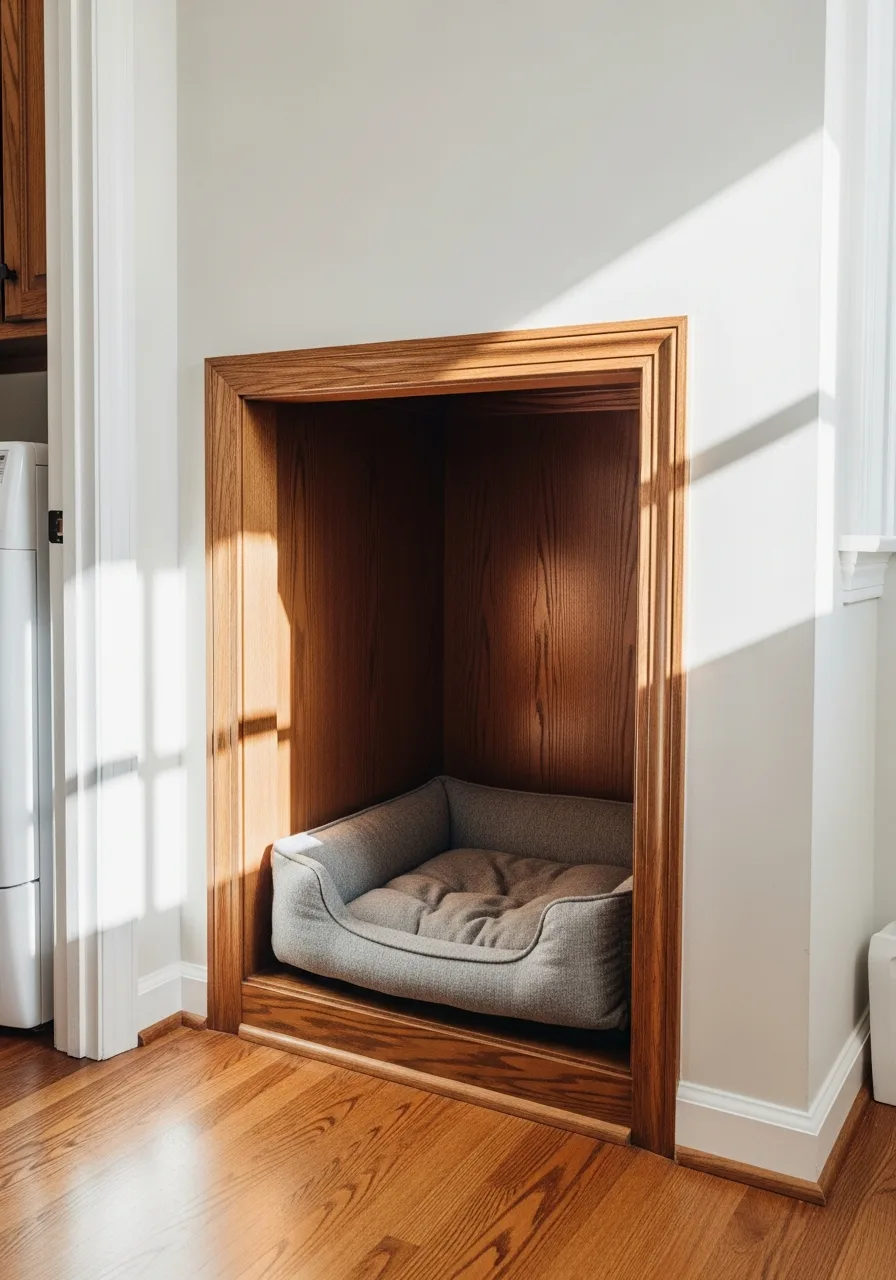
A built-in nook provides a permanent and cozy retreat for your dog. It keeps the bed off the floor and creates a dedicated zone for rest.
Line the interior with easy-to-clean semi-gloss paint to protect the walls from scuffs and hair.
- Custom carpentry costs vary but look for local handymen for simple builds.
- Measure your dog while they are standing and lying down to ensure the opening is tall enough.
- Add a beadboard backing for a classic look in traditional homes.
Design Secret: Install a small battery-operated puck light inside the nook for a soft glow at night.
2. Laundry Room Dog Space
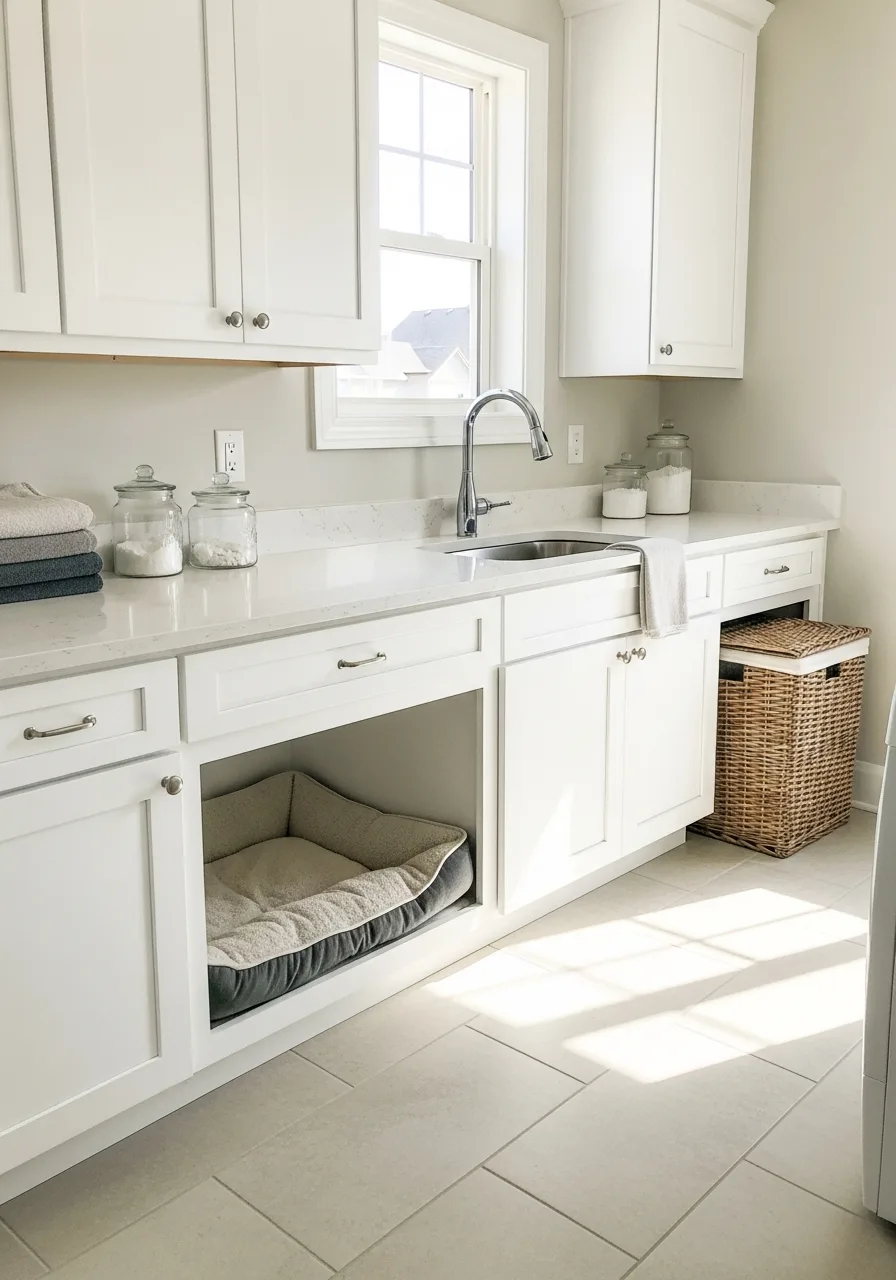
The laundry room is the perfect place for a dog zone because of its water access and durable floors. It centralizes messy tasks like washing bowls or wiping paws in one utility area.
Swap a lower cabinet for an open cubby that fits a standard plush dog bed.
- Use leftover floor tiles for a matching backsplash behind the water bowl.
- Ensure the area has good ventilation to prevent pet odors from lingering near clean clothes.
- Choose a waterproof mat to place under bowls to catch spills.
Design Secret: Use a tension rod and a small curtain to hide the dog bed when guests come over.
3. Mudroom Dog Room
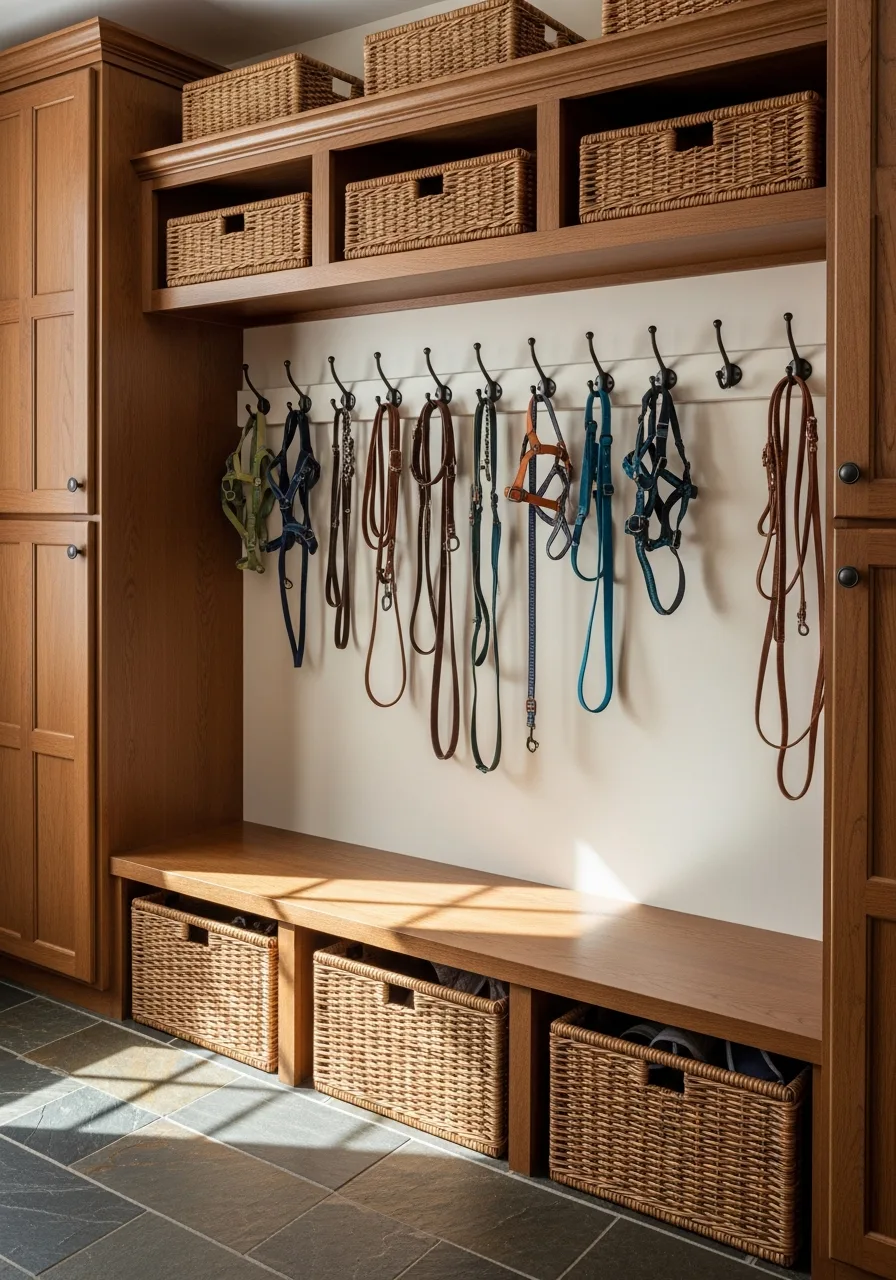
A mudroom setup stops dirt at the door before it travels through the house.
This transition space works best when it includes hooks for leashes and a place to store outdoor gear.
Mount heavy-duty hooks at chest height to keep harnesses and long leashes from tangling on the floor.
- Look for sturdy cast iron hooks at hardware stores for a budget-friendly DIY.
- Place a boot tray near the dog bed to hold wet toys or muddy tennis balls.
- In smaller mudrooms, use vertical wall space for storage baskets to keep the floor clear.
Design Secret: Keep a basket of microfiber towels right by the door for quick paw wipes.
4. Dog Wash Station Room
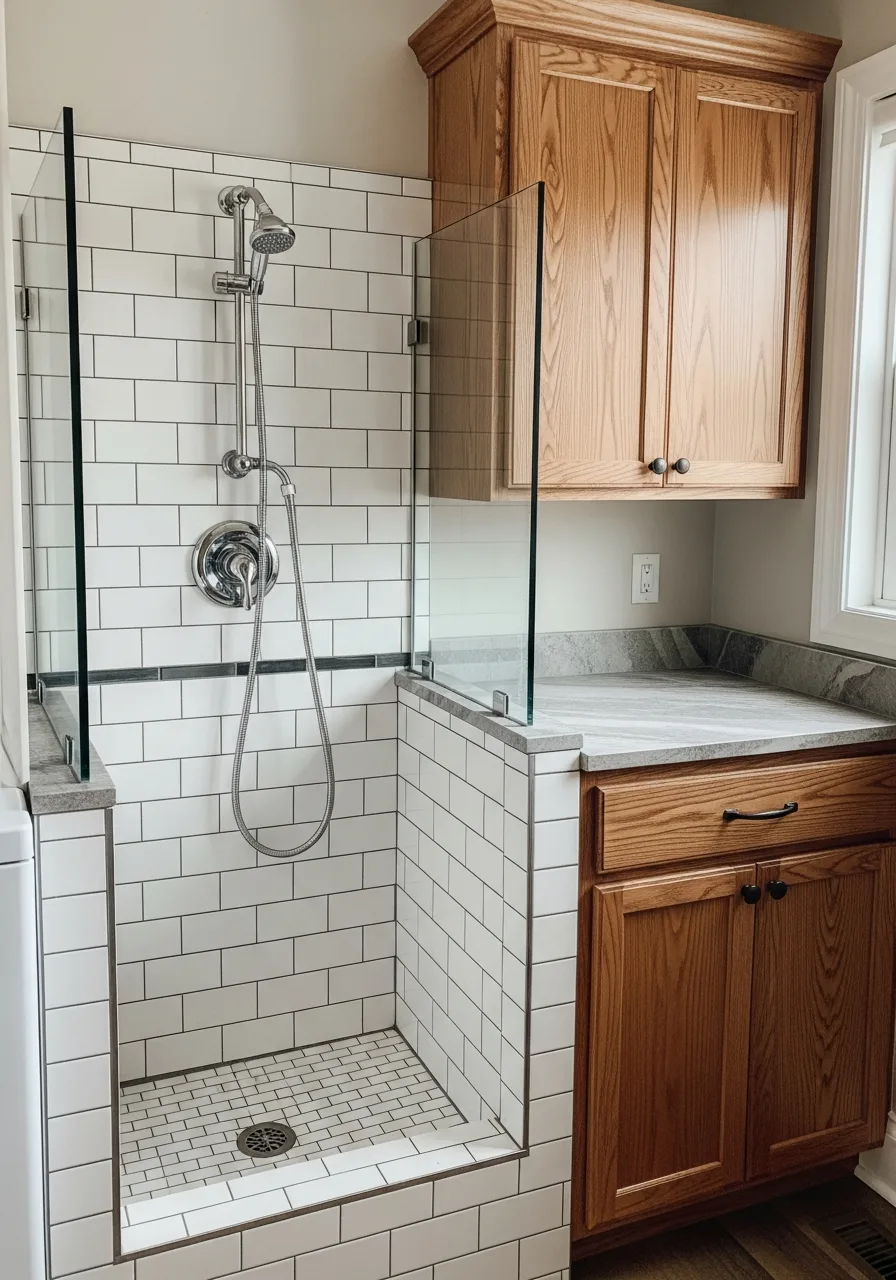
A dedicated wash station saves your bathroom tub from fur and scratches. This elevated shower makes grooming much easier on your back during bath time.
Install a handheld sprayer with a long hose to reach under the belly and paws comfortably.
- Budget for plumbing and tiling which usually requires a professional contractor.
- Position the station near an exterior door to catch muddy dogs immediately.
- Use non-slip textured tile on the floor of the basin to keep your dog steady.
Design Secret: Add a folding grooming arm to the side of the station to keep wiggly dogs in place.
5. Under-Stairs Dog Room
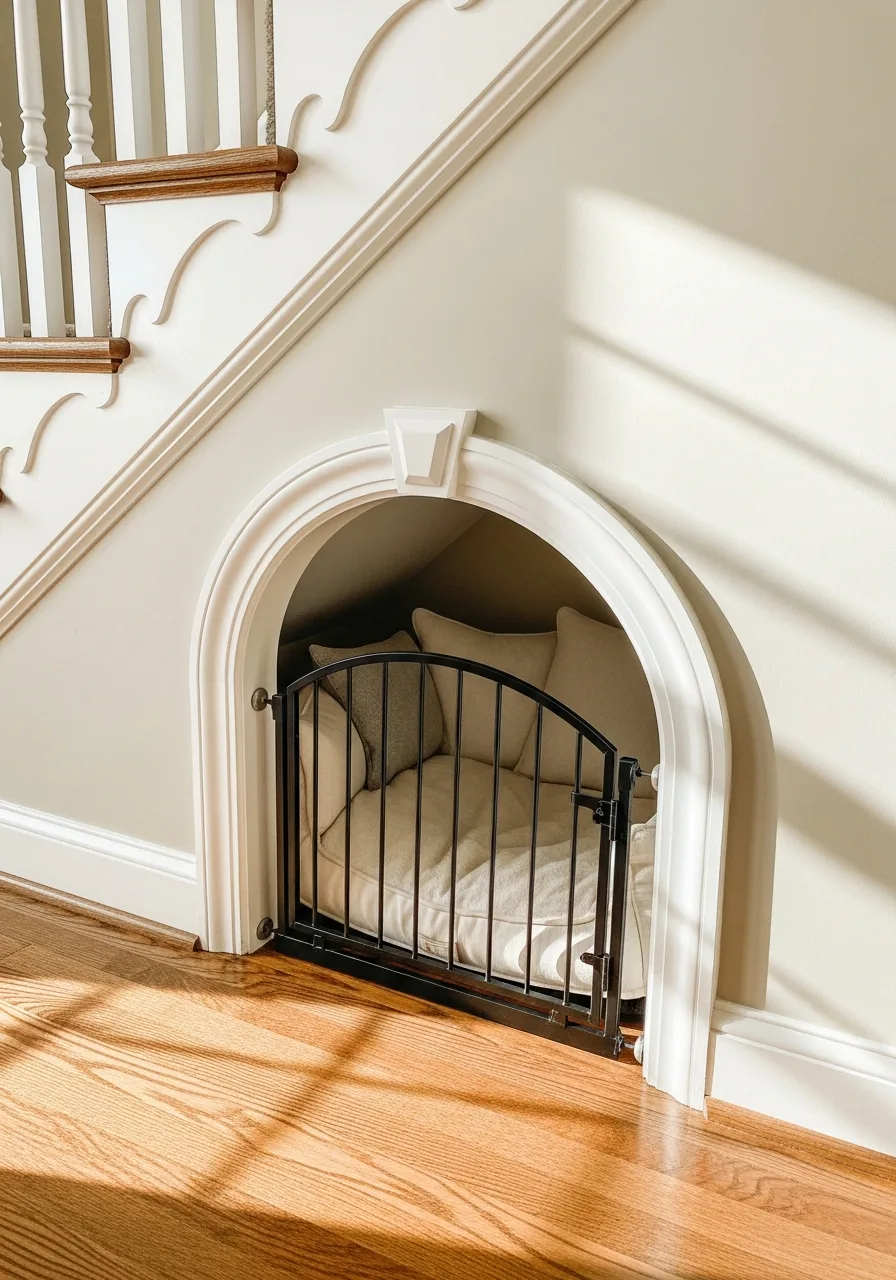
The hollow space under a staircase is often wasted square footage that makes a perfect dog hideaway. It offers a den-like feel that many dogs find comforting and safe.
Install a small gate or a decorative trim around the opening to make it feel like a finished room.
- Hire a professional to check for structural supports before cutting into any drywall.
- Use a battery-powered fan if the space feels too warm or lacks airflow.
- Paint the interior a dark, calming color to encourage rest.
Design Secret: Cut a small window in the side wall so your dog can see out while resting.
6. Dog Crate Built-In Cabinet
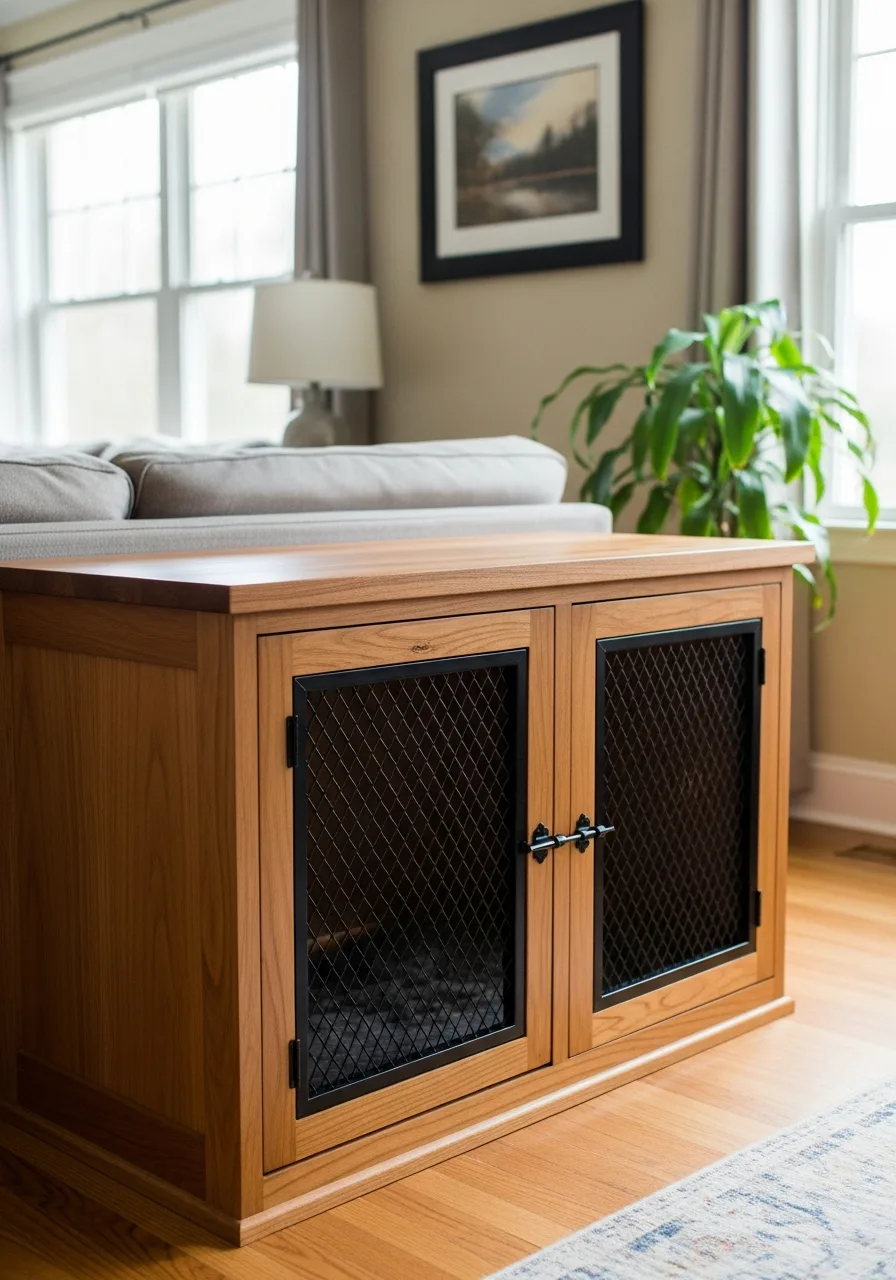
Hiding a crate inside cabinetry removes the eyesore of wire cages from your living area. This design allows the crate to double as a functional side table or counter space.
Choose a cabinet door with a decorative metal mesh or wooden slats for proper airflow and visibility.
- Custom furniture makers can build these, or you can find crate covers for a cheaper fix.
- Ensure the interior dimensions are at least four inches taller than your dog's head.
- Add a pull-out tray at the bottom for easy cleaning of any accidents.
Design Secret: Match the hardware on the crate door to the rest of the room's cabinets for a seamless look.
Dog Room Ideas
7. Custom Built-In Pet Nook
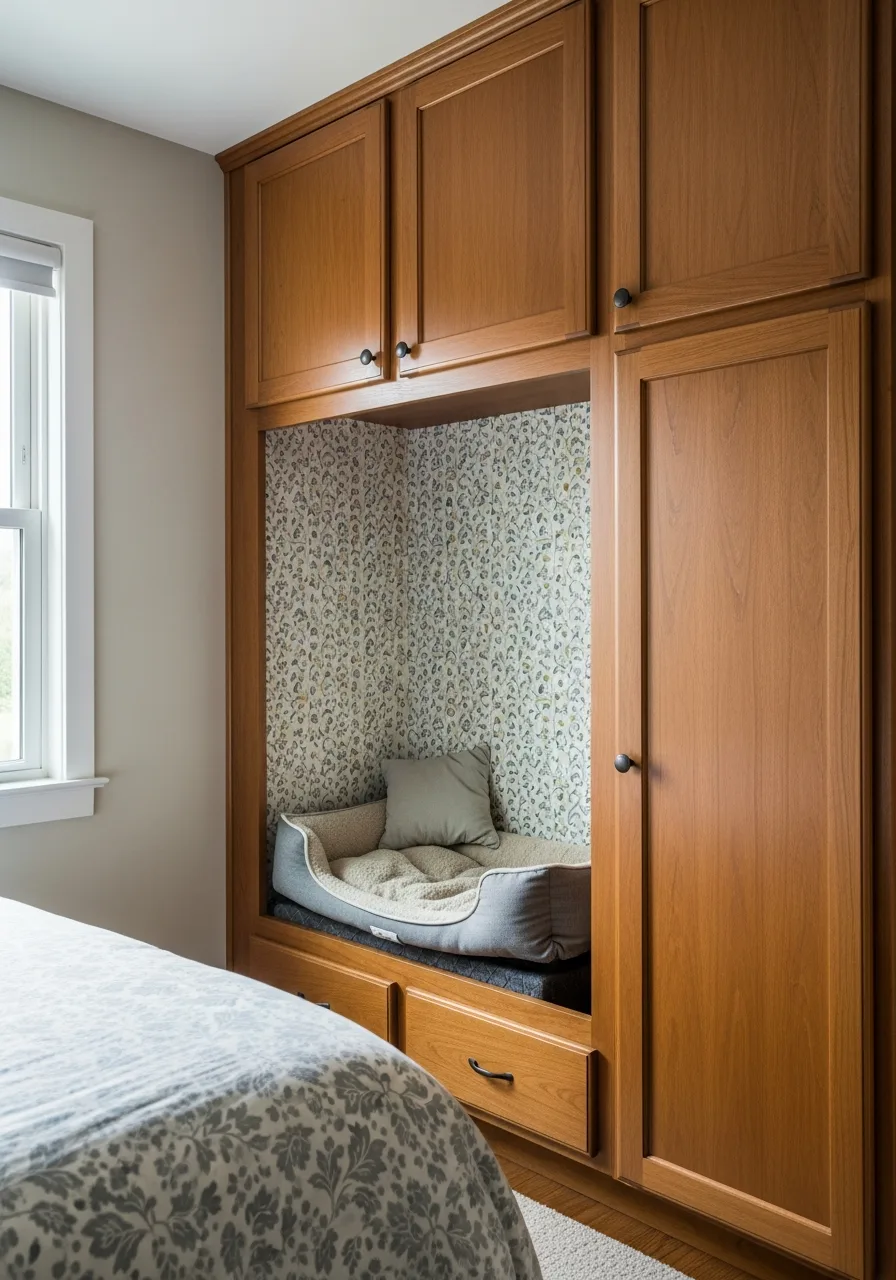
A dedicated sleeping alcove integrates a high-quality orthopedic bed directly into existing bedroom cabinetry or a recessed wall space. This design eliminates floor clutter while providing a secure, den-like environment that helps anxious pets feel protected. Lining the interior with peel-and-stick wallpaper adds a touch of personality without a permanent commitment.
- Choose a location near a nightstand or under a window bench to maximize unused square footage.
- Install a soft LED motion-sensor light to help older dogs navigate the space during the night.
- Swap the bedding seasonally, opting for cooling gel mats in summer and faux-fur blankets in winter.
Design Secret: Paint the interior of the nook two shades darker than the room’s walls to create a cozy, receding effect that mimics a natural den.
8. Modern Dog Room Design
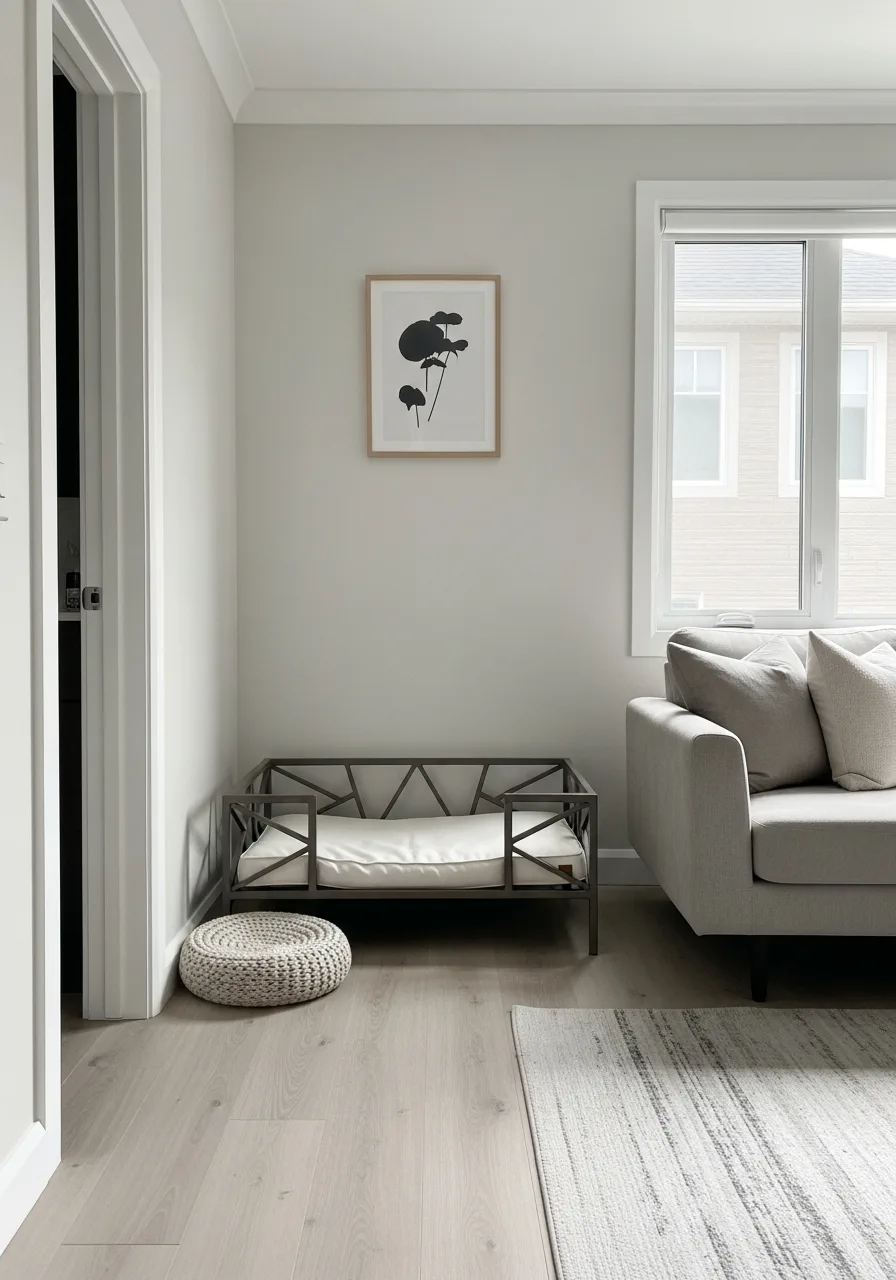
Modern design focuses on clean lines and hidden storage to keep pet clutter out of sight. Using a single color palette helps the dog's accessories blend into the build of the home.
Select a sleek, low-profile bed with a structured frame that matches your sofa's shape.
- Invest in acrylic or glass jars for treats to keep the look light and airy.
- Use handle-less cabinets with touch-latches to create a smooth appearance for storage.
- Choose a concrete or large-format tile floor for a high-end, durable finish.
Design Secret: Use a hidden drawer inside a cabinet to store bulky bags of dry food.
9. Built-in Farmhouse Kennel Station
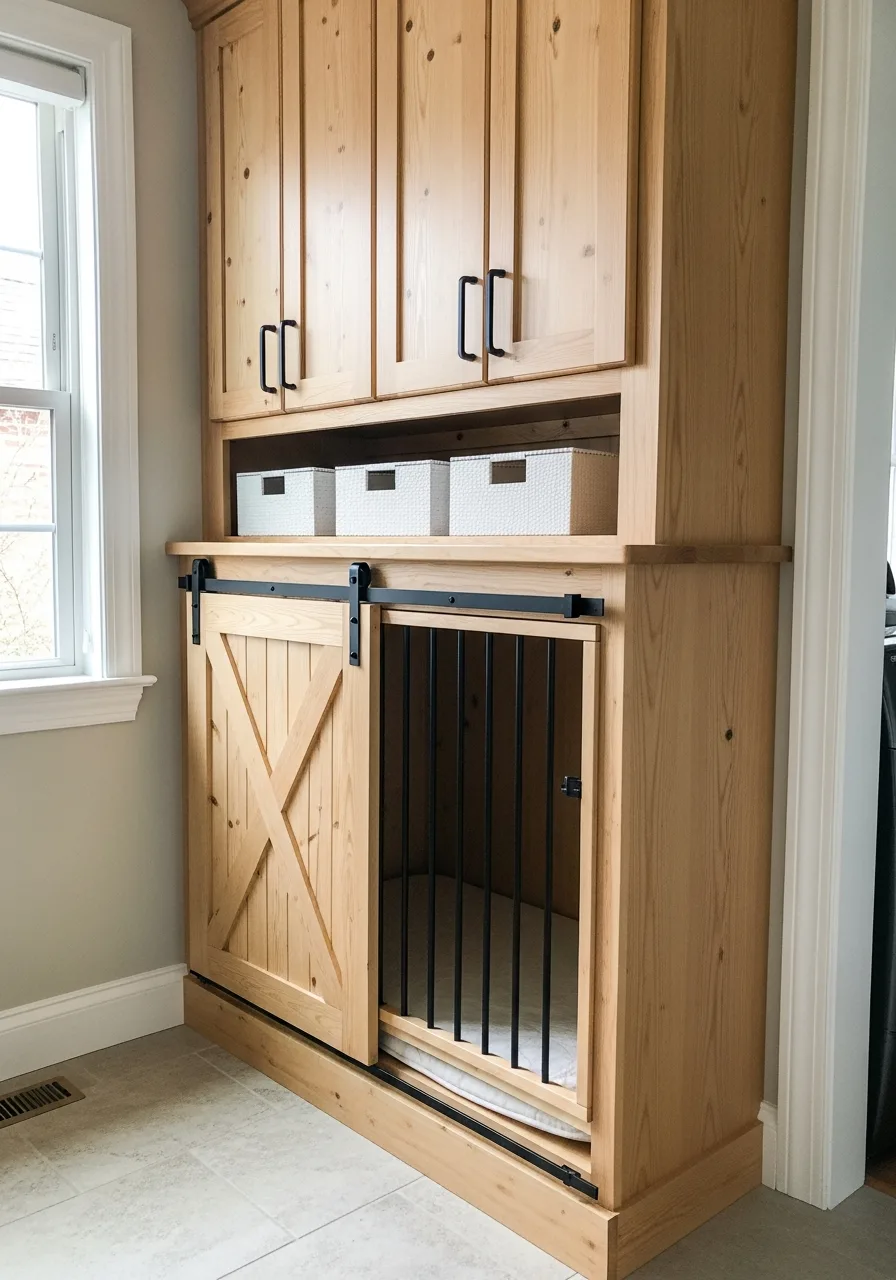
This design integrates a custom sleeping crate into a functional mudroom or laundry room cabinetry unit. Natural wood finishes and matte black hardware create a seamless look that mimics traditional rustic furniture while providing a secure den for the pet. Opt for a sliding barn-door gate to save floor space in high-traffic entryways.
- Budget for solid wood materials or search for pre-made furniture-style crates that match existing cabinetry.
- Position the unit near a water source to include a pot filler for easy bowl refills.
- Swap the wire mesh for vertical wooden dowels to lean further into the cottage aesthetic.
Design Secret: Use a washable, outdoor-rated rug inside the crate to handle moisture and dirt without sacrificing the cozy farmhouse texture.
10. Built-In Custom Canine Suite
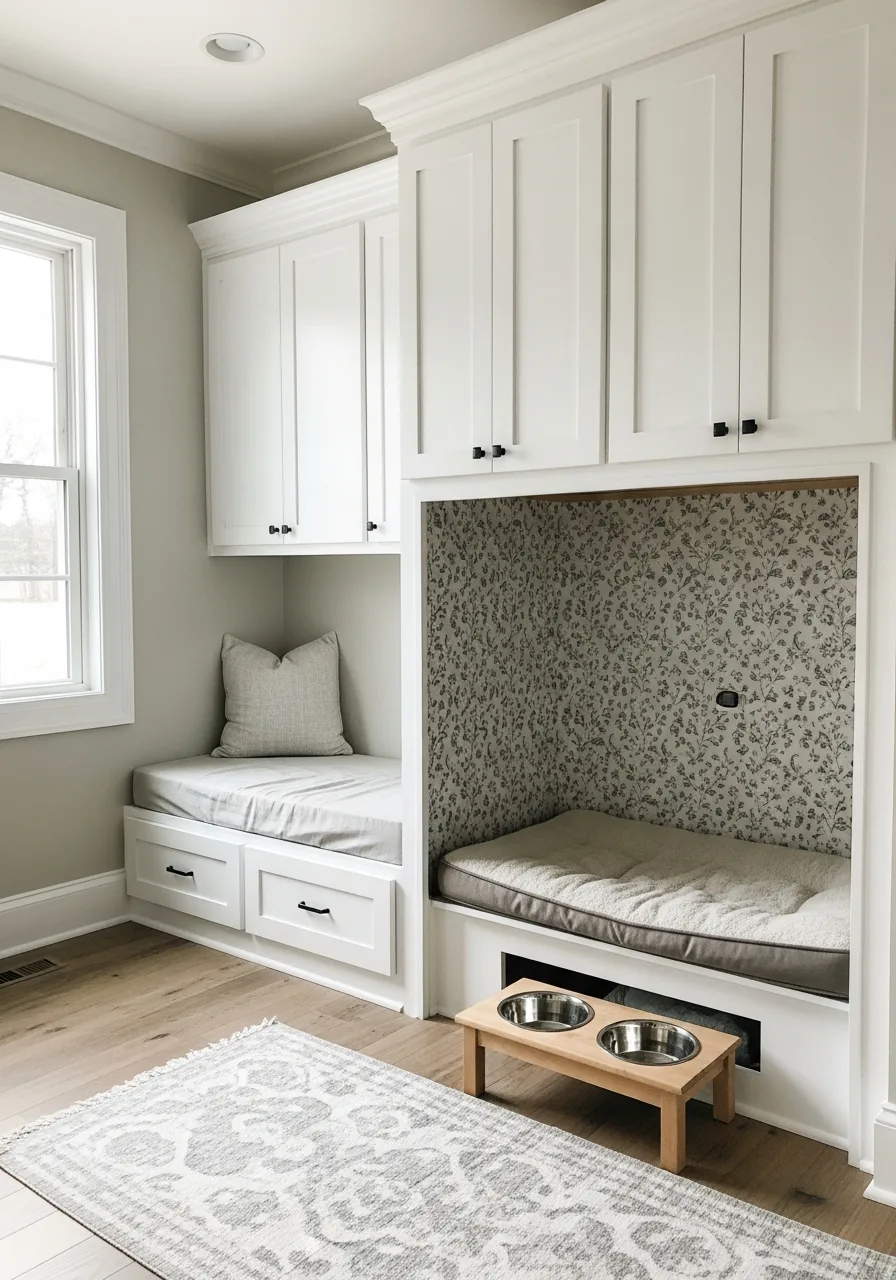
This design integrates a dedicated sleeping nook and feeding station directly into laundry or mudroom cabinetry. Custom millwork elevates the space from a utility area to a seamless part of the home's aesthetic while keeping pet gear organized. Ensure the interior of the alcove is lined with durable, wipeable wallpaper or semi-gloss paint for easy cleaning.
- Commission a local carpenter or use modular kitchen cabinets to create a recessed kennel space under a countertop.
- Install a pot-filler faucet above the water bowl to eliminate trips to the kitchen sink for refills.
- Add a pull-out drawer specifically for bulk kibble storage and a secondary cabinet for leashes and grooming tools.
Material Choice: Use quartz or stone remnants for the base of the feeding station to prevent water damage to the surrounding woodwork.
11. Small Dog Room Idea
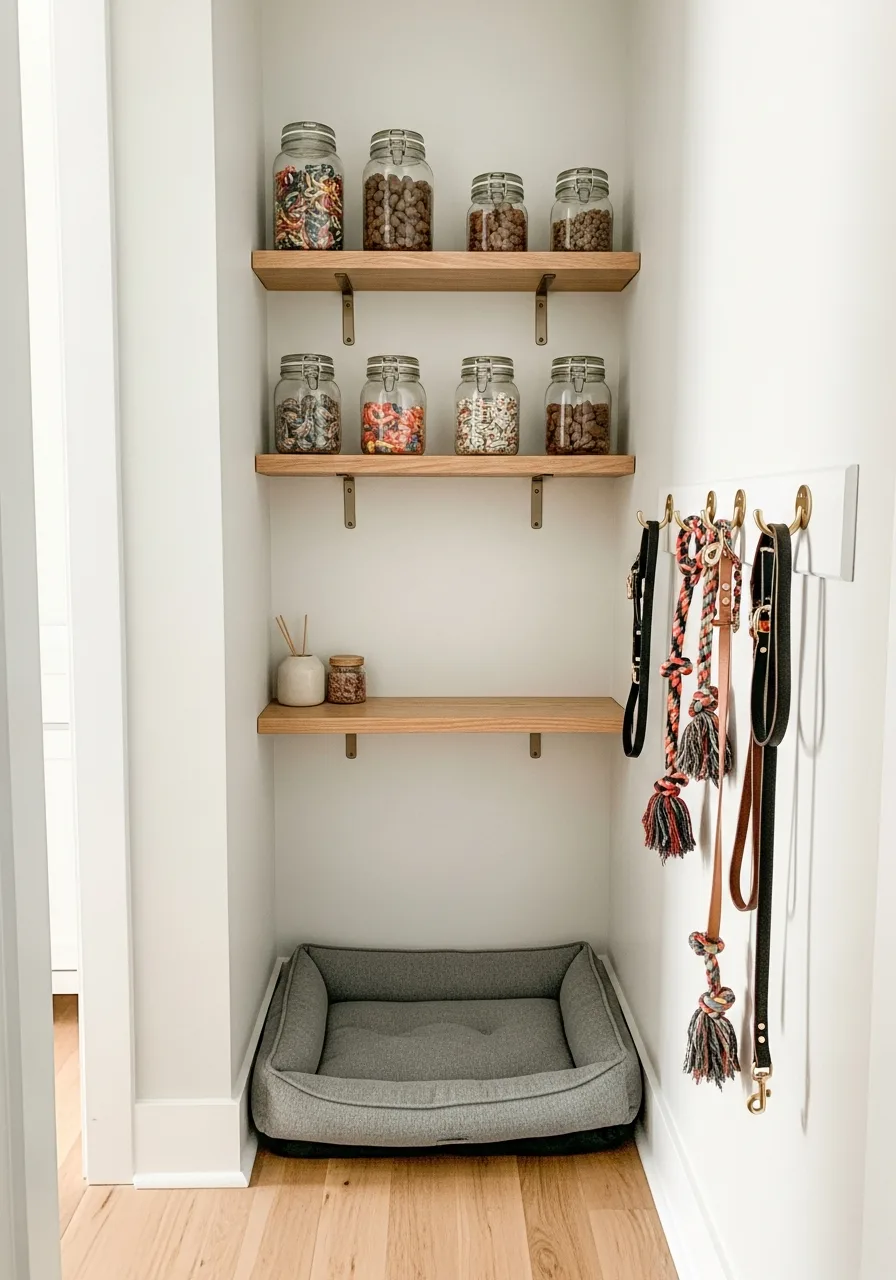
When space is limited, wall storage and multi-use furniture are essential. You can turn a narrow hallway or a small closet into a fully functional pet station.
Use wall-mounted shelves to keep treats and toys off the floor and maximize walking space.
- Look for floating dog beds that attach to the wall to keep the floor completely clear.
- Use a slim rolling cart that can fit into tight gaps between appliances or furniture.
- Choose light paint colors to make a small, cramped area feel much larger.
Design Secret: Mount a magnetic strip on the wall to hold metal grooming tools and nail clippers.
12. Dog Room With Storage
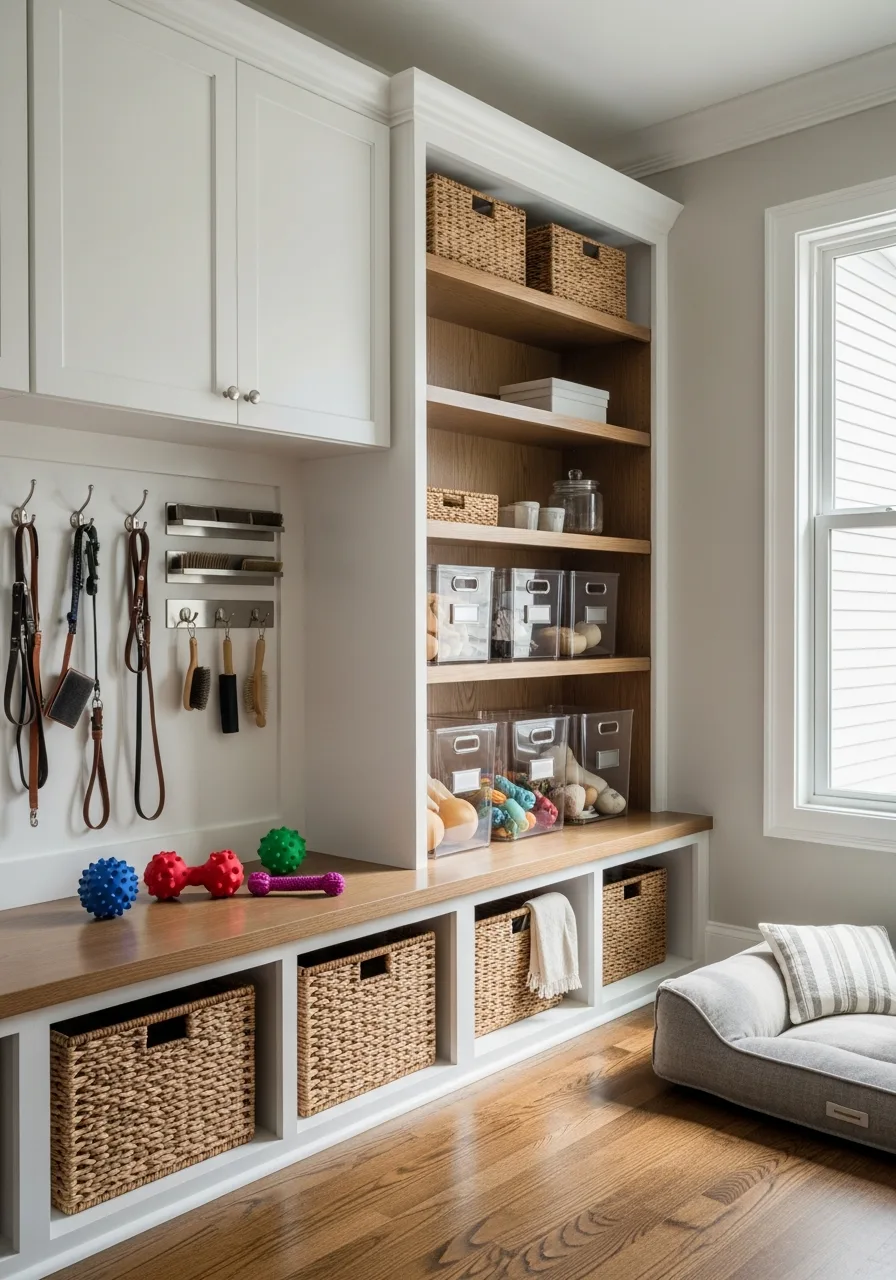
Organization is the key to a dog room that doesn't feel messy. Having a specific spot for every brush, leash, and toy keeps the house running smoothly.
Use clear, labeled bins inside cabinets so you can see exactly when you are running low on supplies.
- Buy a label maker to clearly mark bins for health, toys, and outdoors.
- Use a tall pantry-style cabinet to store bulky items like bags of kibble.
- Group items by frequency of use, keeping daily leashes at eye level.
Design Secret: Use a pegboard on the back of a door to organize harnesses and grooming tools.
13. Dog Feeding Station
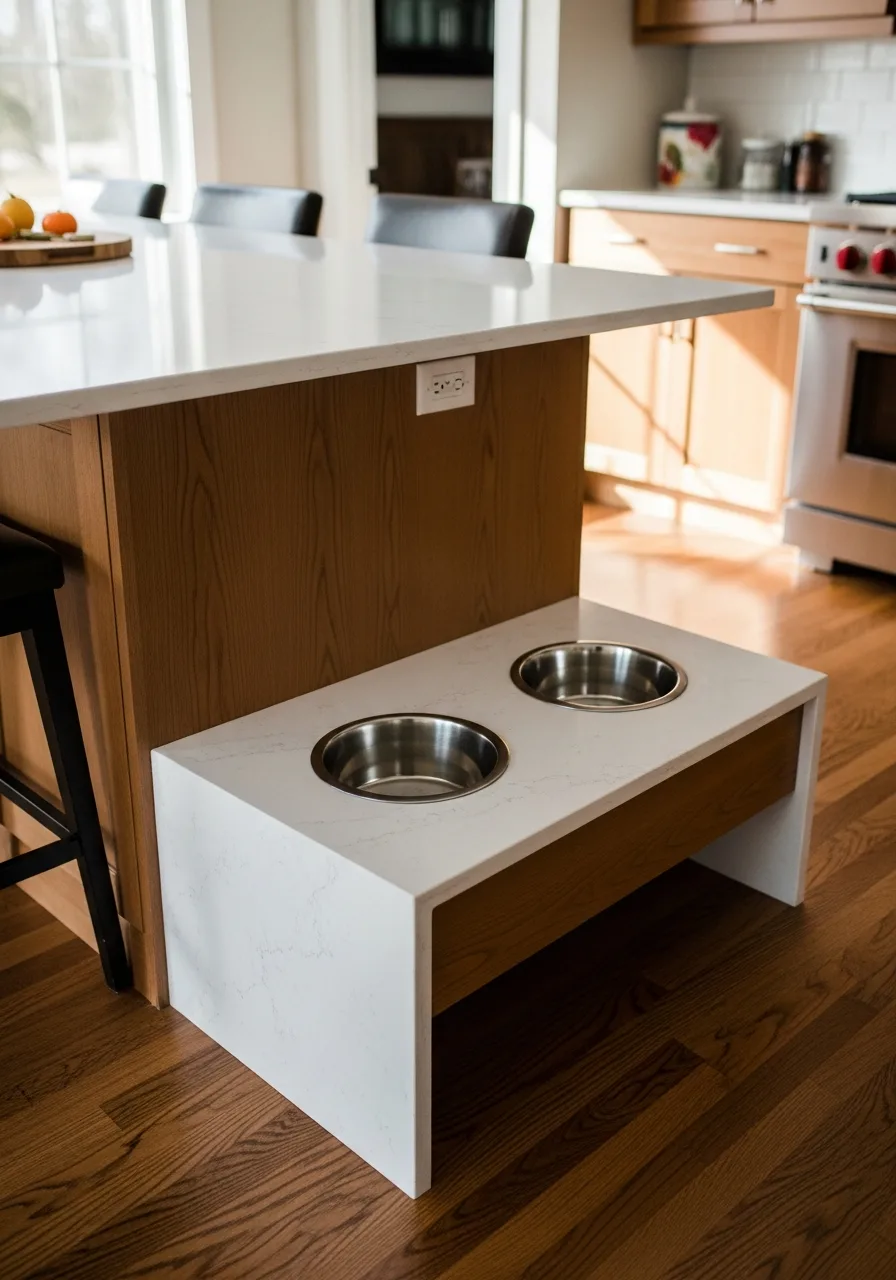
A built-in feeding station keeps bowls from sliding across the floor and contains spills. Placing it at the end of a kitchen island or inside a lower cabinet keeps it out of the main walkway.
Set the bowls into a stone or quartz remnant to create a waterproof and easy-to-wipe surface.
- Ensure the height of the bowls is appropriate for your dog’s breed to prevent neck strain.
- Include a pot-filler faucet right above the bowls for easy water refills.
- Use a pull-out drawer directly below the bowls to store an open bag of food.
Design Secret: Line the bowl cutout with a silicone ring to prevent metal bowls from rattling.
14. Dog Room With Toy Baskets
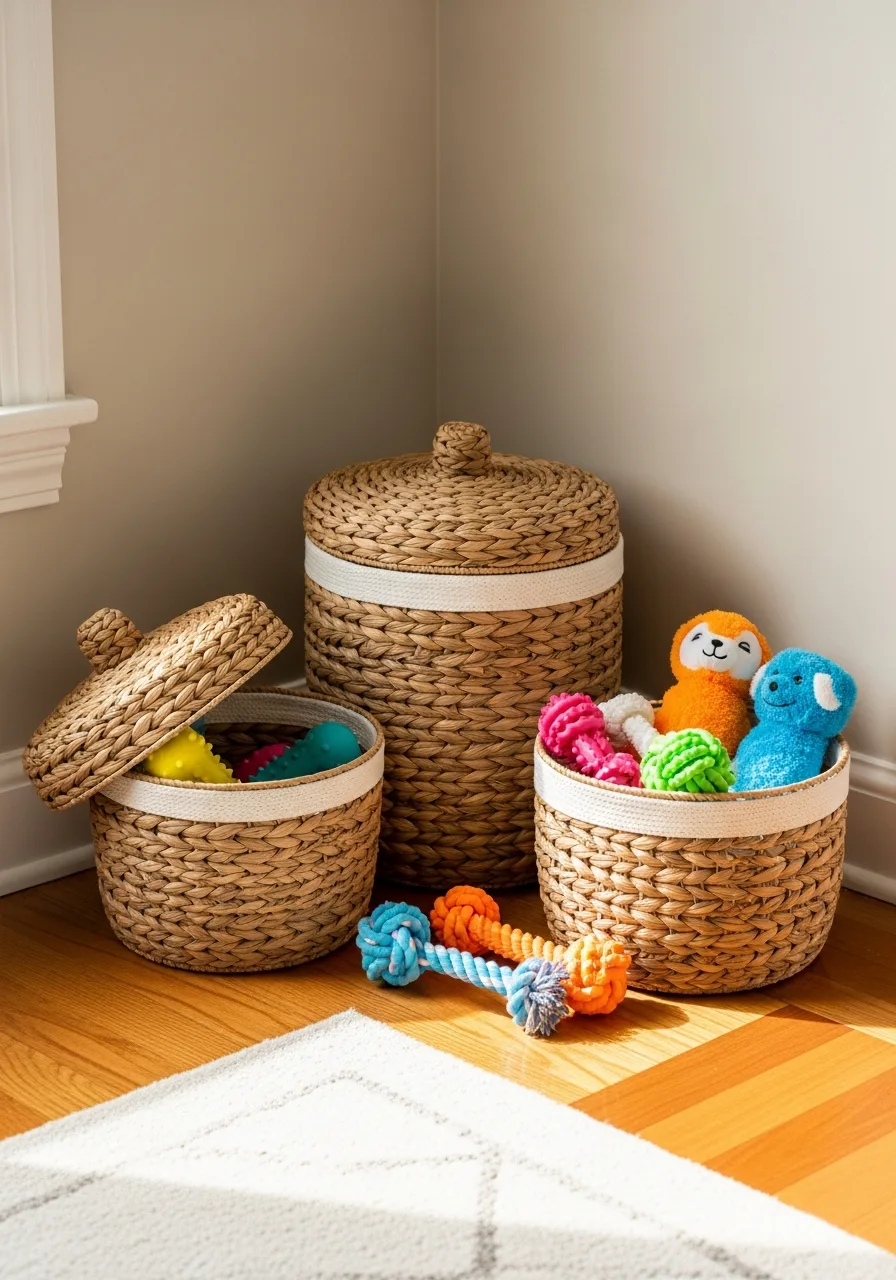
Baskets are the easiest way to manage the constant flow of pet toys. Choosing stylish containers makes the cleanup process part of your home decor.
Select open-top baskets so your dog can easily grab their own toys without needing help.
- Choose cotton rope baskets because they are soft, washable, and won't scratch floors.
- Rotate toys every week by keeping some in a high cabinet and only leaving a few out.
- Use different sized baskets for hard chew toys and soft plushies.
Design Secret: Teach your dog a tidy up command to help put toys back in the basket each night.
15. Dog Room With Wallpaper
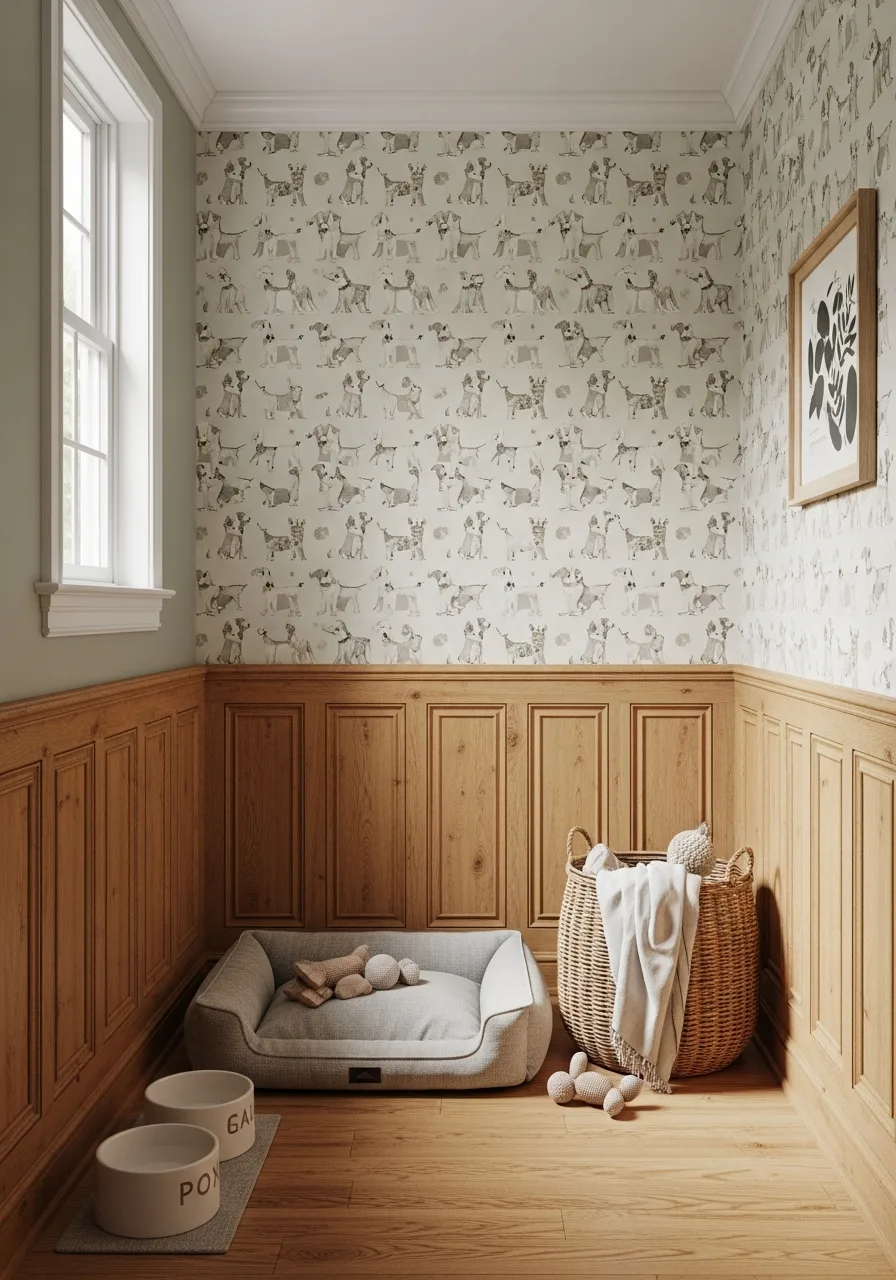
Wallpaper adds instant personality and charm to a dedicated pet room. It is a great way to define the space and make it feel like a designed part of the home.
Choose a vinyl or scrubbable wallpaper that can handle splashes and dirt from a shaking dog.
- Peel-and-stick wallpaper is a budget-friendly option for renters or those who want to change styles.
- Use a bold pattern on just one accent wall to avoid overwhelming a small room.
- Apply a clear acrylic shield over the bottom half of the wall to protect against leaning.
Design Secret: Choose a pattern with a dark background to better hide small scuffs between cleanings.
16. Built-In Dog Room Nook
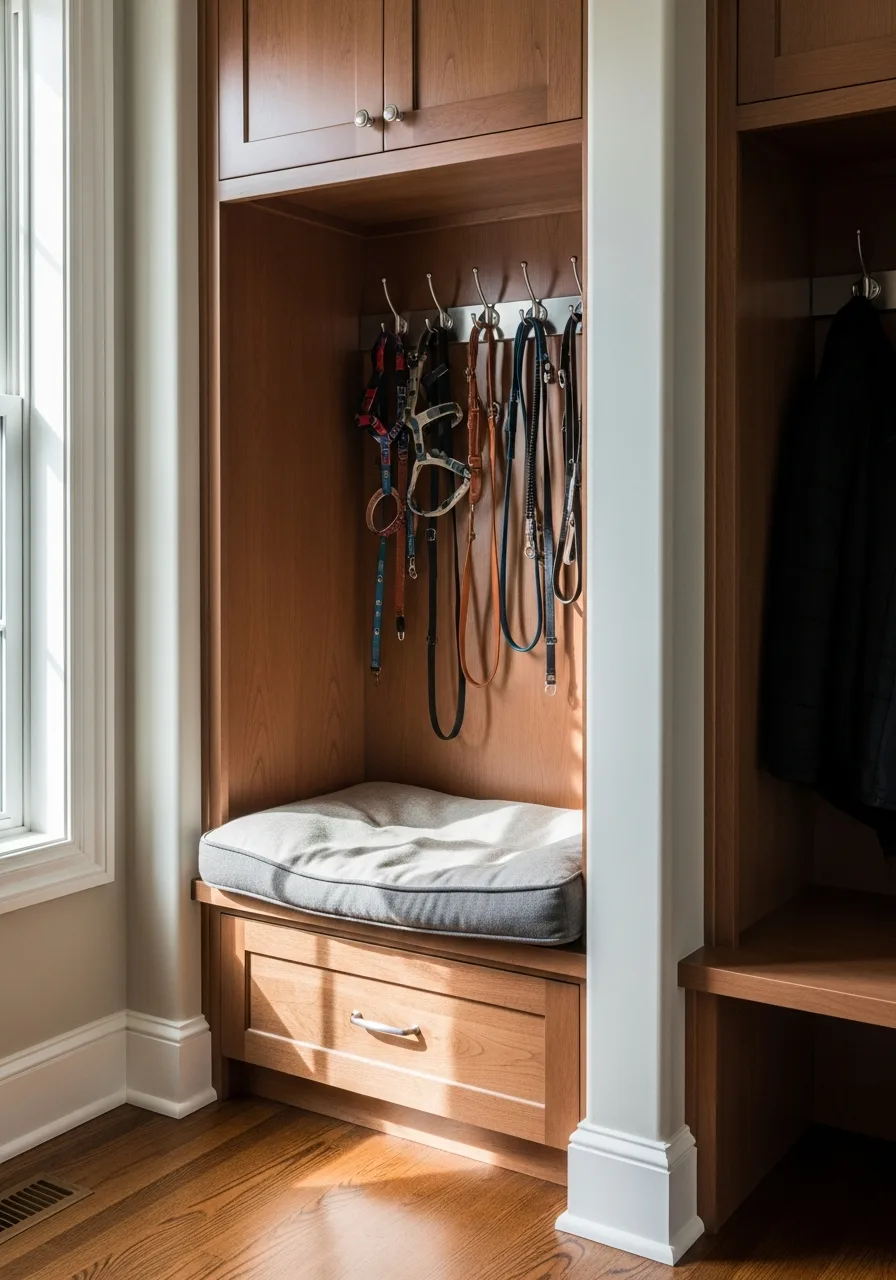
A built-in nook is a custom bed area recessed into a wall or cabinetry. It saves floor space and gives a pet a secure, den-like feeling they'll love.
Install a set of sturdy wall hooks just above the bed for quick access to harnesses and leashes.
- Look for local carpenters or use stock cabinets to save on labor costs.
- Place the nook away from high-traffic walkways so the dog doesn't get stepped on.
- Use a removable cushion cover for this tight space to make deep cleaning easier.
Design Secret: Paint the interior of the nook two shades darker than the room to create a cozy, receding effect.
17. Laundry Room Dog Space
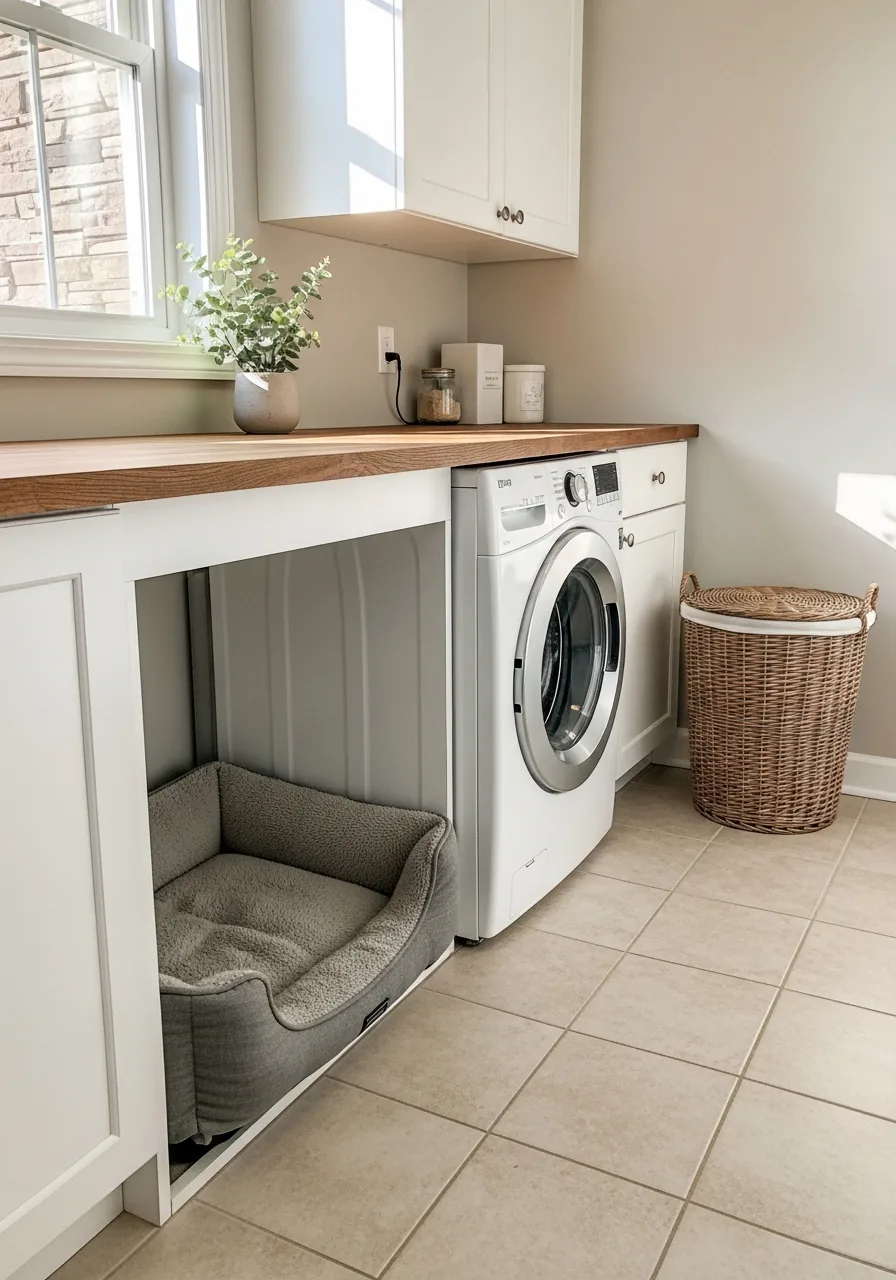
This dual-purpose area combines appliance storage with a dedicated pet zone. The hard flooring usually found in these rooms makes cleanup from spills or accidents very fast.
Choose a countertop height that allows a standard dog bed to slide underneath easily.
- Spend more on high-quality floor sealant to prevent water damage from bowls.
- Keep detergent and chemicals in upper cabinets far away from the pet zone.
- Swap a standard cabinet door for a wire mesh panel to turn a lower cubby into a ventilated crate.
Design Secret: Use a stackable washer and dryer to free up a full floor-to-ceiling cabinet for pet supplies.
18. Integrated Mudroom Grooming Station
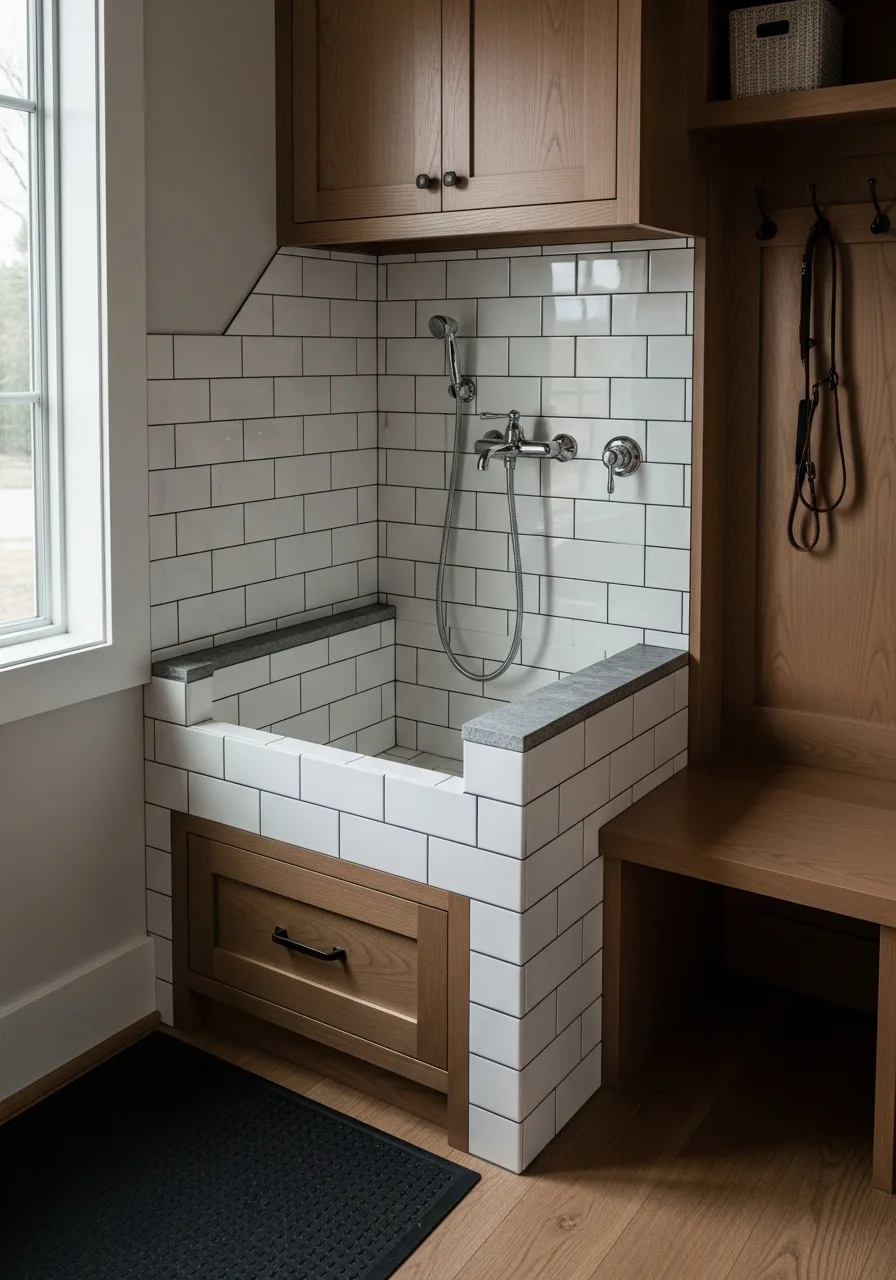
This setup combines a tiled dog shower with custom mudroom cabinetry to handle post-walk cleanup immediately at the entry. Elevating the wash basin saves physical strain while keeping splashing contained to a dedicated waterproof zone. Install a handheld spray attachment with adjustable pressure to reach paws and underbellies without a full bath struggle.
- Professional installation for plumbing and tiling typically ranges from $1,500 to $3,500 depending on existing lines.
- Position the wash station directly next to a bench with storage underneath for easy access to towels and brushes.
- For smaller spaces, a fold-down drying platform can serve as a grooming table when the shower is not in use.
Design Secret: Use dark grout and textured porcelain tile to hide muddy paw prints and prevent slipping when the floor is wet.
19. Dog Wash Station Room
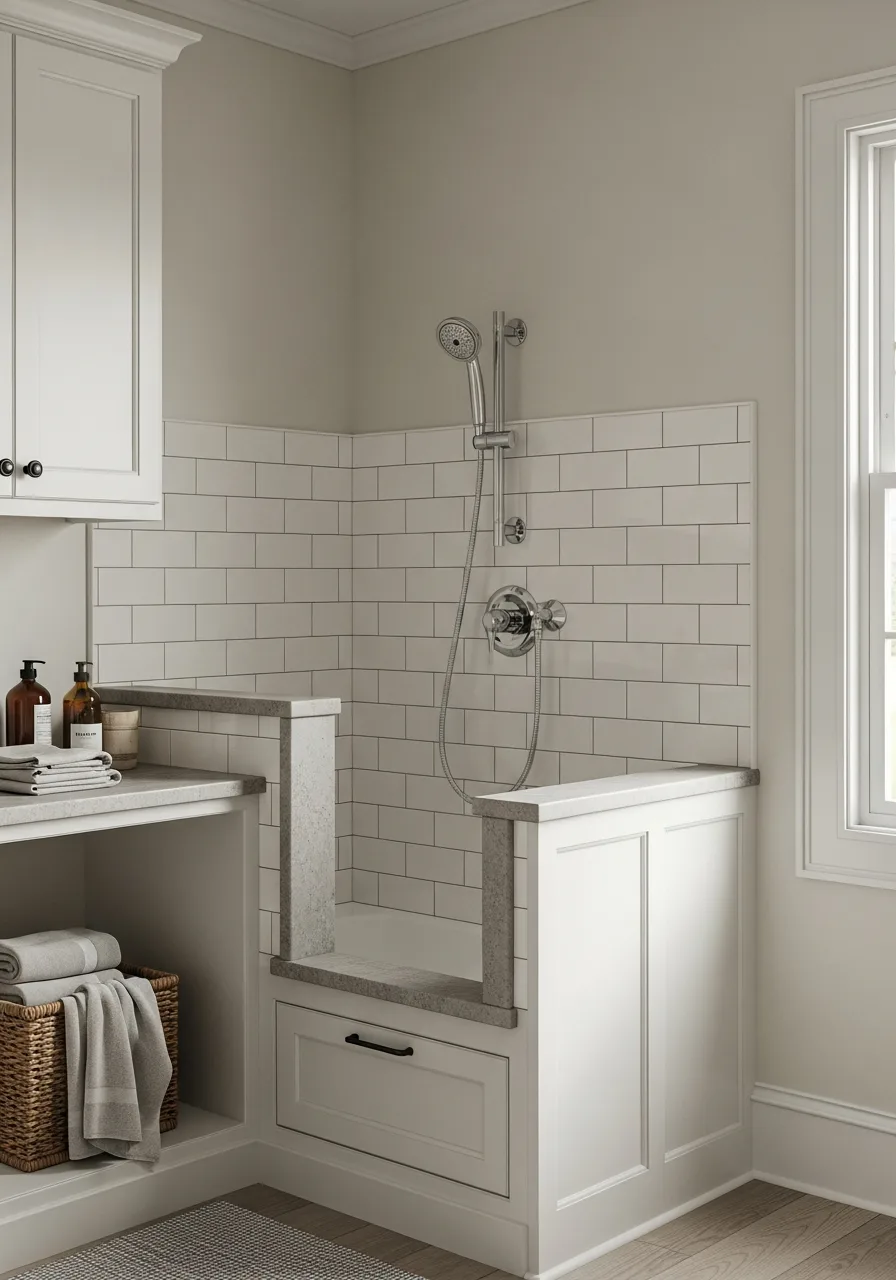
This is a dedicated shower area built at waist height for easier bathing. It prevents the mess of a wet dog running through the main bathroom after a muddy walk.
Extend the tile backsplash at least three feet high to protect walls from inevitable water shakes.
- Budget for a professional plumber to ensure the drainage and waterproofing are handled correctly.
- Choose a handheld sprayer with a long hose for reaching underbellies easily.
- Use textured floor tile inside the basin to prevent the dog from slipping.
Design Secret: Add a thermostatic mixing valve to keep the water temperature constant and safe for sensitive skin.
20. Under-Stairs Dog Room
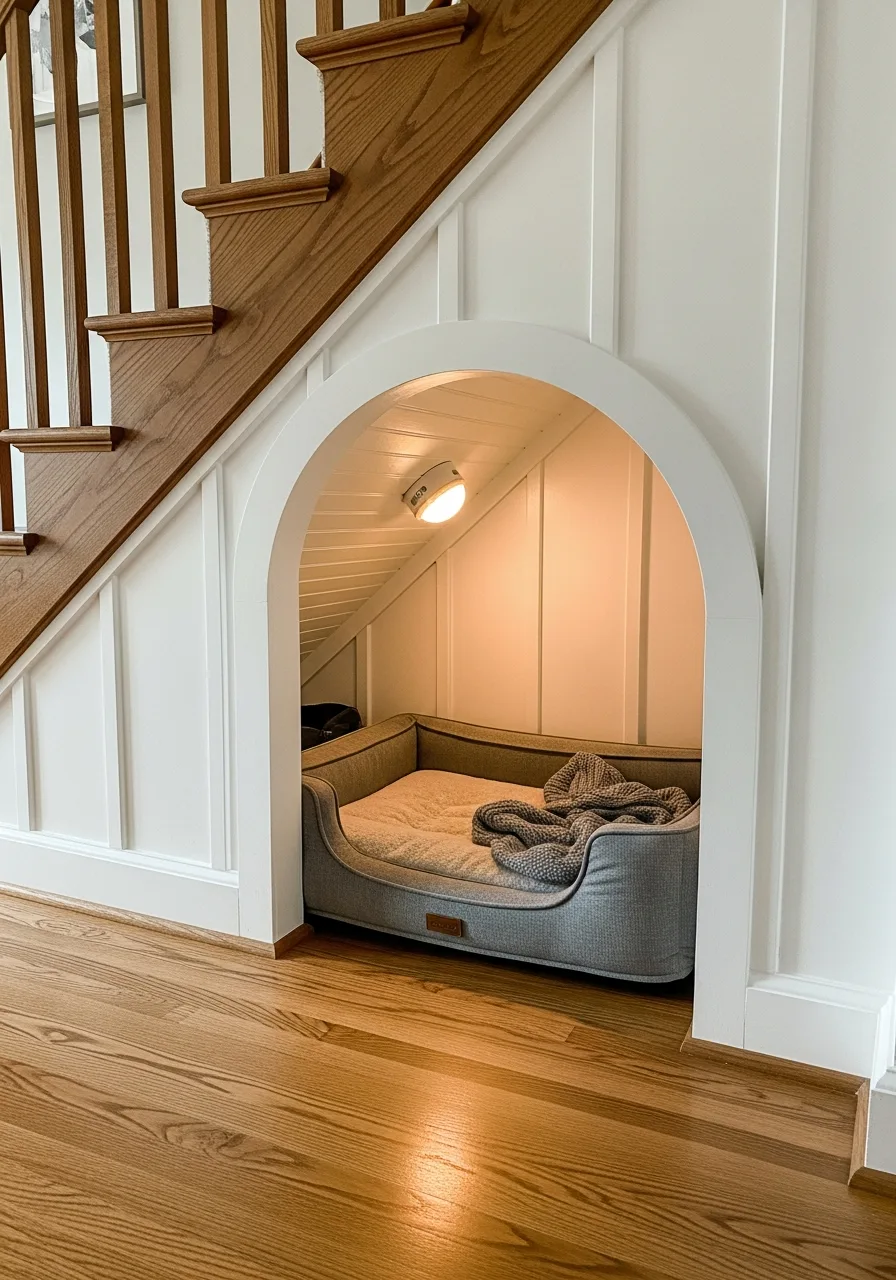
The hollow area beneath a staircase is often wasted space that makes a perfect pet retreat. It provides a quiet, dark environment that helps anxious dogs feel safe and relaxed.
Add a battery-operated motion light inside so the dog can see its surroundings at night.
- Check for structural supports before cutting into the drywall under the stairs.
- Trim the entrance with molding that matches the rest of the home for a seamless look.
- Use a thick rug or carpet remnant inside to dampen the sound of footsteps from above.
Design Secret: Install a small Dutch door or gate so you can keep the dog contained while still letting air flow.
21. Dog Crate Built-In Cabinet
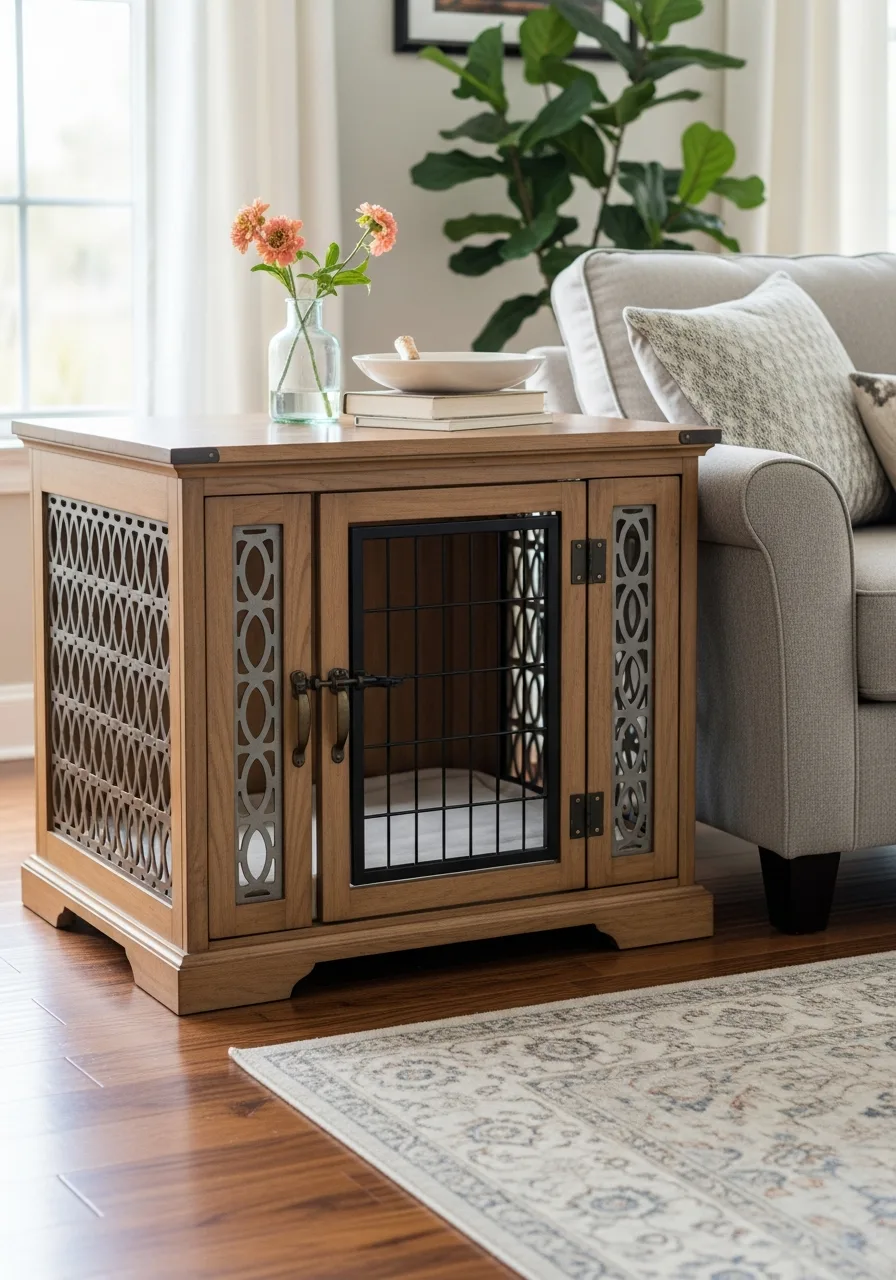
This design hides a traditional metal crate inside a functional piece of furniture like a side table. It eliminates the eyesore of a wire cage while keeping the dog close to the family.
Select a cabinet with decorative metal grilles on the sides to ensure proper airflow for the dog.
- Repurpose an old dresser by removing the bottom drawers and reinforcing the frame.
- Ensure the interior dimensions are at least six inches taller than the dog's head when standing.
- Use a water-resistant tray at the bottom of the cabinet to catch any spills.
Design Secret: Line the interior floor with peel-and-stick vinyl tiles for a durable surface that looks like wood.
22. Cozy Dog Bedroom Corner
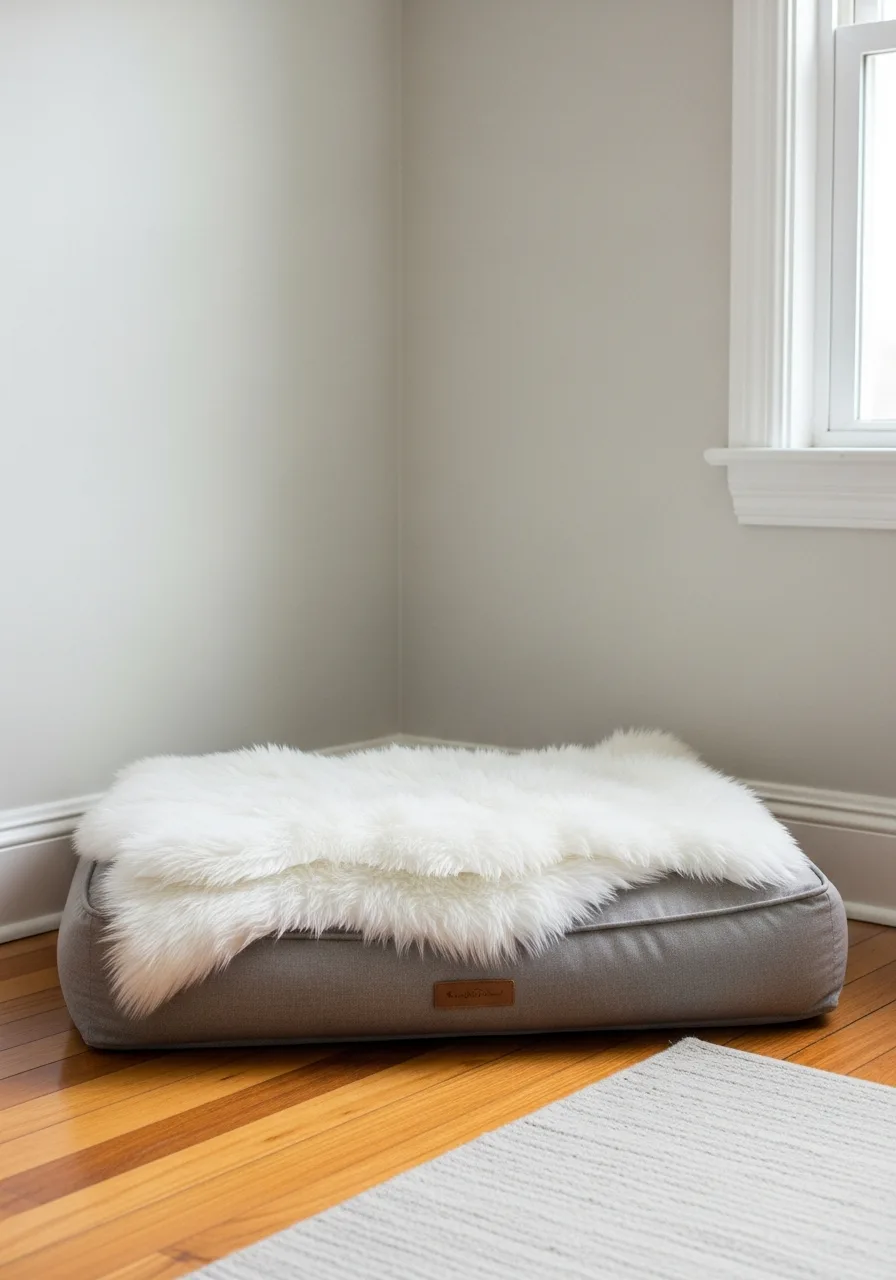
A dedicated corner in a guest room or bedroom creates a quiet, restful sleeping zone. This setup uses soft textures and low-profile furniture to blend into the existing decor.
Layer a small faux-fur rug over a standard dog bed to add instant luxury and warmth.
- Look for washable rugs that fit the specific dimensions of your corner.
- Place the bed away from drafty windows or noisy radiators for better sleep.
- Use a small side table next to the bed to hold a water bowl and a decorative treat jar.
Design Secret: Hang a piece of art at the dog's eye level to make the corner feel like an intentional room.
23. Modern Dog Room Design
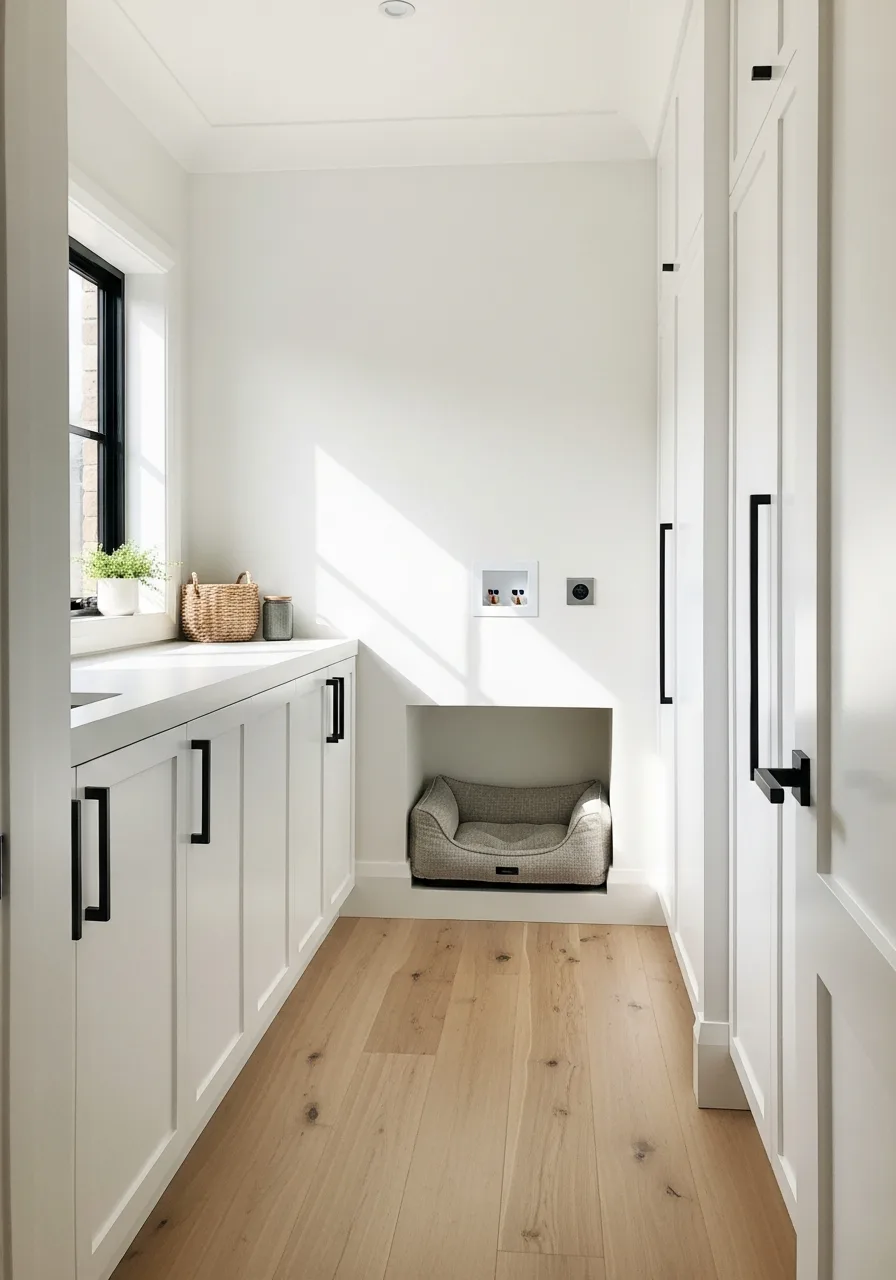
This style focuses on clean lines, neutral colors, and hidden storage solutions. It prioritizes function without sacrificing the minimalist look of a contemporary home.
Use matte black hardware on all cabinets to create a sharp contrast against light-colored walls.
- Invest in high-quality acrylic gates that disappear into the room's design.
- Choose furniture with thin metal legs to keep the floor looking open and airy.
- Stick to a monochromatic color palette like grey, white, and black for a sophisticated feel.
Design Secret: Use invisible floating shelves to hold dog books or decor without adding visual bulk.
24. Mudroom Farmhouse Dog Station
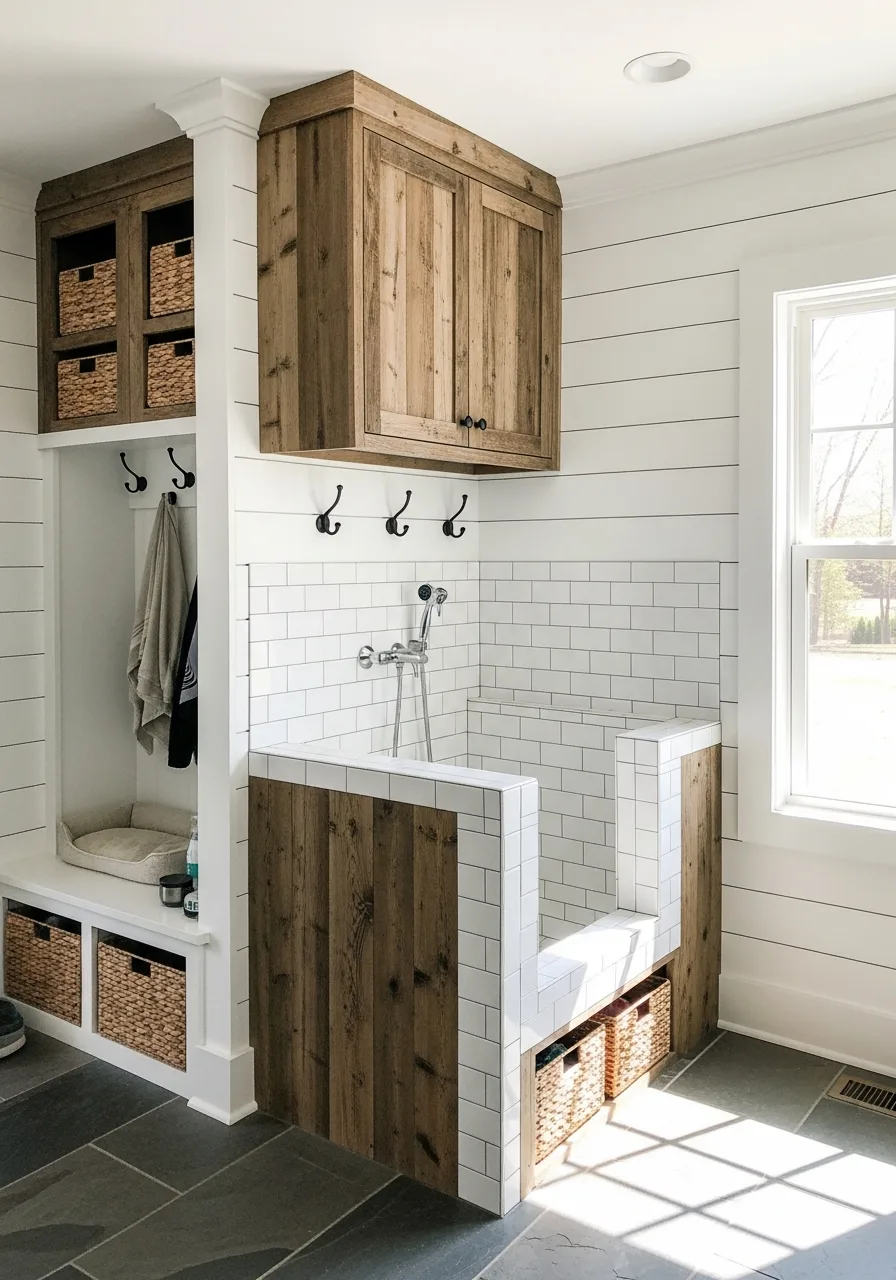
A farmhouse dog room combines rustic utility with a dedicated space for grooming and rest. Utilizing durable materials like shiplap and reclaimed wood ensures the space handles wear while maintaining a cozy country aesthetic. Install a raised wash station with subway tile to prevent back strain during baths and keep messes contained.
- Source vintage wooden crates or antique hooks from local flea markets to keep costs low and character high.
- Position the dog bed under a built-in bench to maximize floor space in smaller mudroom layouts.
- Swap standard plastic bins for galvanized metal buckets to store toys and leashes for a cohesive look.
Design Secret: Use outdoor-rated rugs in neutral patterns to get the farmhouse look with easy-to-clean durability for high-traffic paws.
Home Decor
25. Custom Built-In Canine Suite
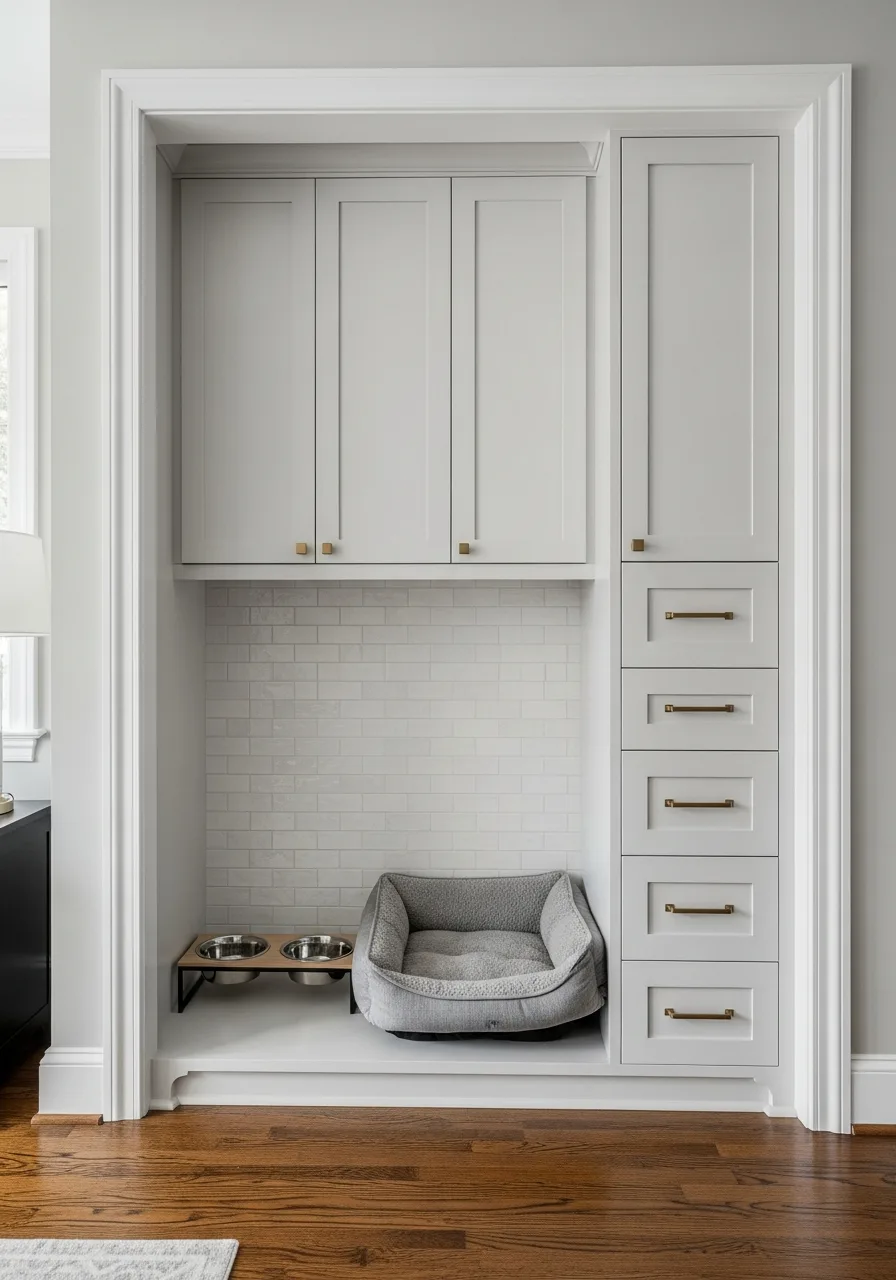
This dedicated dog room transforms an underutilized alcove or spare closet into a high-end retreat featuring custom cabinetry and an integrated feeding station. Using vertical space for storage while keeping the floor clear creates a sophisticated look that maintains the home’s overall design aesthetic. Install a tiled backsplash behind the water bowl to prevent moisture damage and add a touch of texture to the wall.
- Budget for custom millwork or look for modular pantry cabinets that can be modified to include an open kennel space.
- Ensure the area has proper ventilation and easy-to-clean flooring like luxury vinyl plank or sealed tile.
- Swap standard hardware for brass or matte black pulls to match existing kitchen or mudroom fixtures for a cohesive feel.
Design Secret: Mount a pot filler faucet directly over the water station to make refilling bowls effortless and eliminate spills from carrying water across the house.
Pet Integration
26. Under-Stair Custom Canine Suite
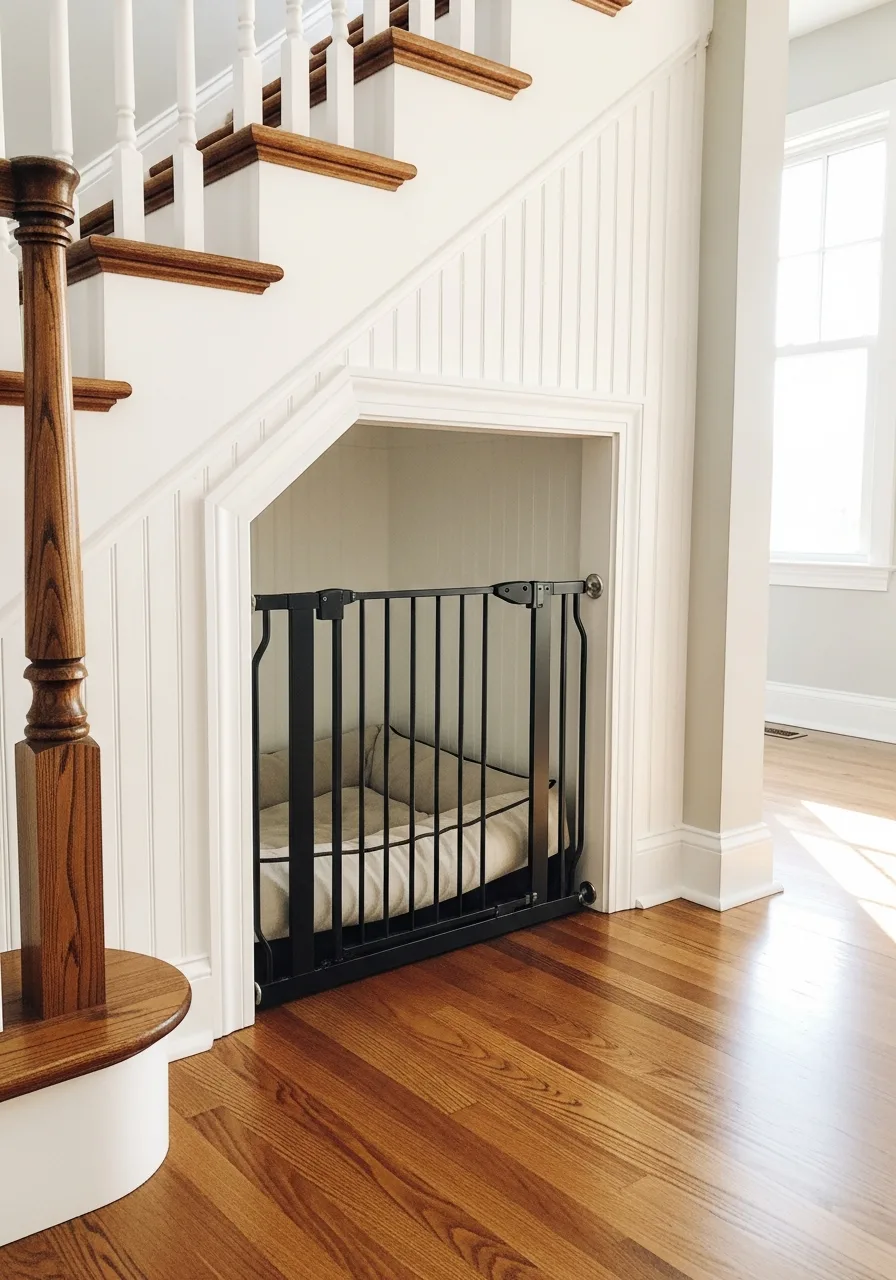
An under-stair nook transformed into dedicated sleeping quarters maximizes square footage in small homes. This architectural approach keeps pet gear out of high-traffic hallways while providing a secure, den-like atmosphere for the dog. Install a custom-fit gate and interior beadboard paneling to make the space feel like a purposeful extension of the room's design.
- Look for pre-made wood gates or hire a local carpenter for a weekend installation.
- Ensure the interior is well-ventilated and includes a recessed LED light for visibility.
- Paint the exterior trim to match the existing baseboards for a seamless, built-in look.
Design Secret: Use a washable, outdoor-rated rug inside the nook to handle moisture and dirt while maintaining a soft surface.
27. Dog Room With Storage
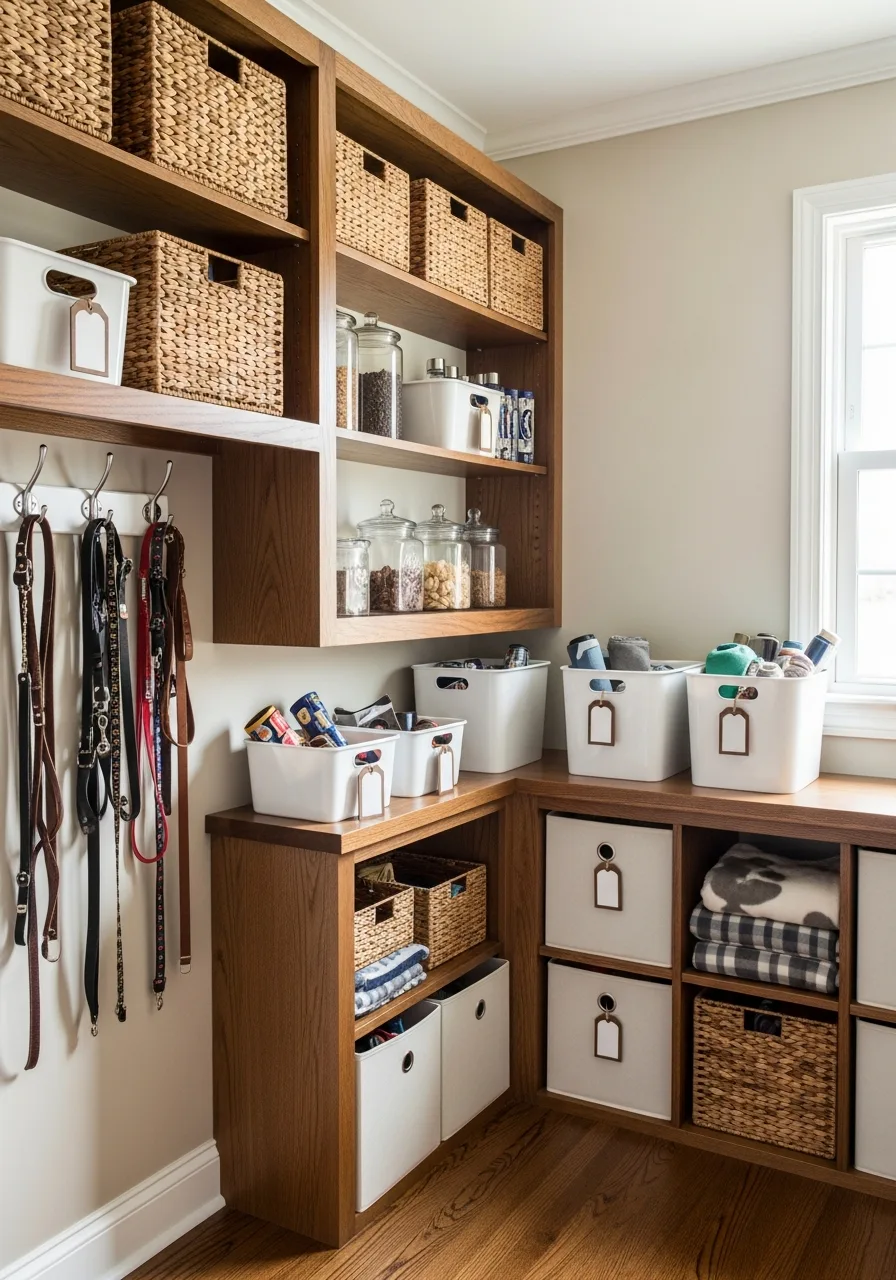
This room focuses on organizing the many accessories that come with pet ownership. It uses a mix of open and closed storage to keep the space tidy and functional.
Label every bin and basket so that every family member knows exactly where the treats and meds go.
- Buy matching baskets in bulk to create a cohesive and organized appearance.
- Use clear airtight containers for food to keep it fresh and prevent pests.
- Install a pull-out drawer at the bottom of a cabinet for heavy bags of dog food.
Design Secret: Use a tension rod inside a cabinet to hang dog clothes or extra collars and harnesses.
28. Dog Feeding Station
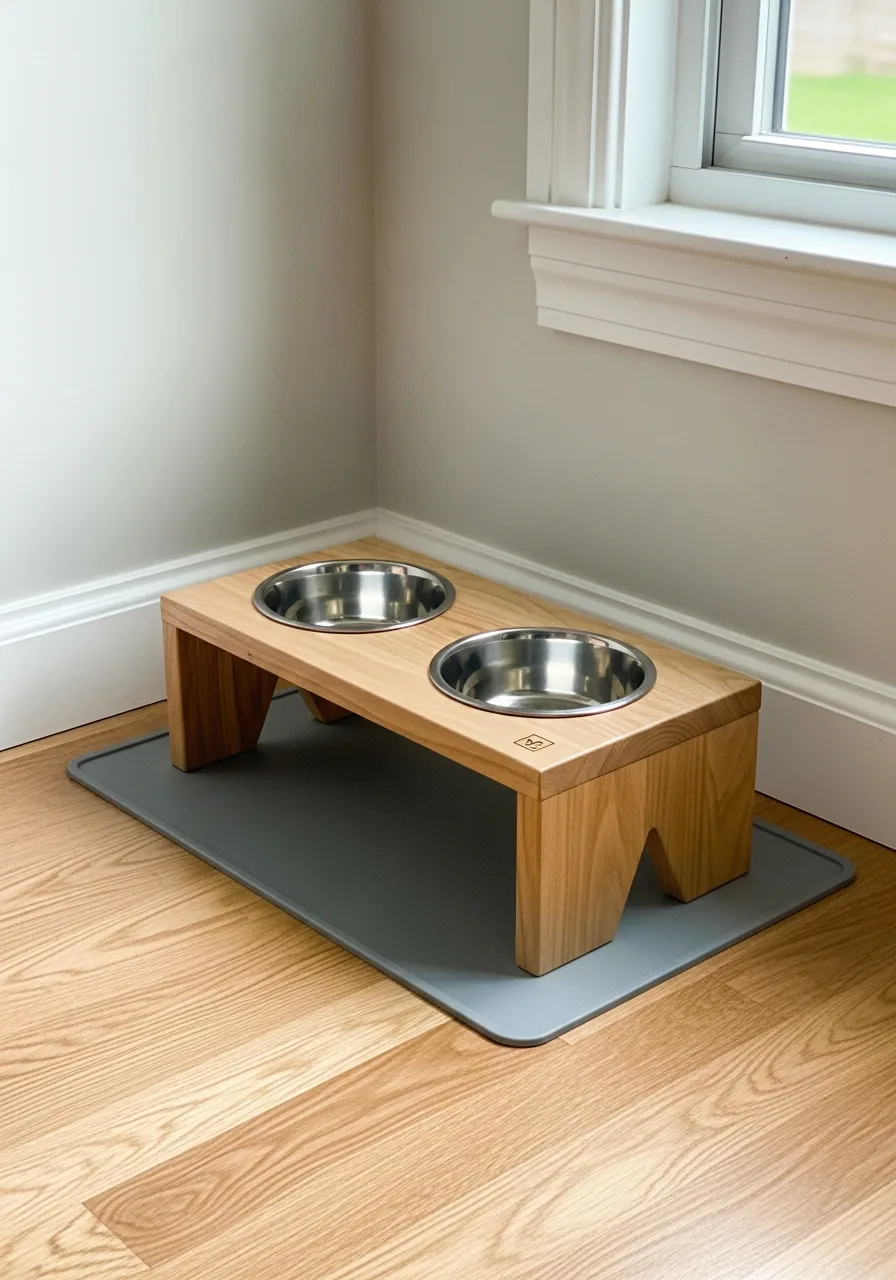
A feeding station keeps bowls off the floor and contains water splashes in one area. It often features a raised platform which can be better for a dog's digestion and neck health.
Apply a waterproof sealant or a silicone mat under the bowls to protect the floor from moisture.
- Measure your dog's height at the chest to determine the perfect elevation for the bowls.
- Build the station into the end of a kitchen island or a mudroom bench to save space.
- Use stainless steel or ceramic bowls because they are easier to sanitize than plastic.
Design Secret: Install a pot filler faucet directly over the water bowl for easy refills without carrying heavy bowls.
29. Dog Room With Toy Baskets
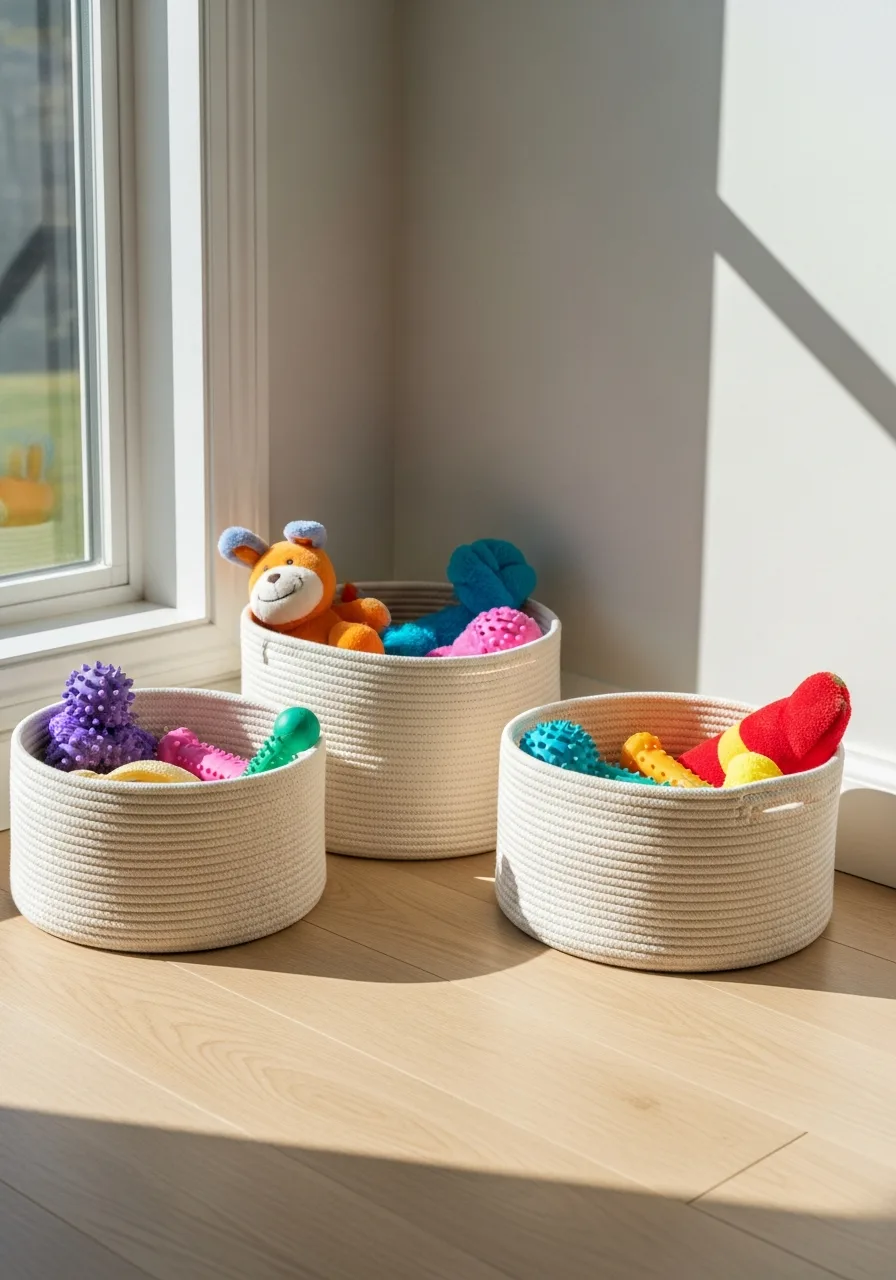
Low-profile baskets allow dogs to choose their own toys while keeping the floor looking neat. This setup encourages the dog to interact with their space without creating a permanent mess.
Choose soft, woven cotton baskets that won't scratch the dog's nose or the room's flooring.
- Rotate toys every week by keeping half in a closet and half in the baskets to keep the dog interested.
- Select baskets with handles so you can easily carry them to another room for cleanup.
- Use different sized baskets for balls, plush toys, and chew bones to stay organized.
Design Secret: Spray the bottom of the baskets with a non-slip coating to keep them from sliding across the room.
30. Dog Room With Wallpaper
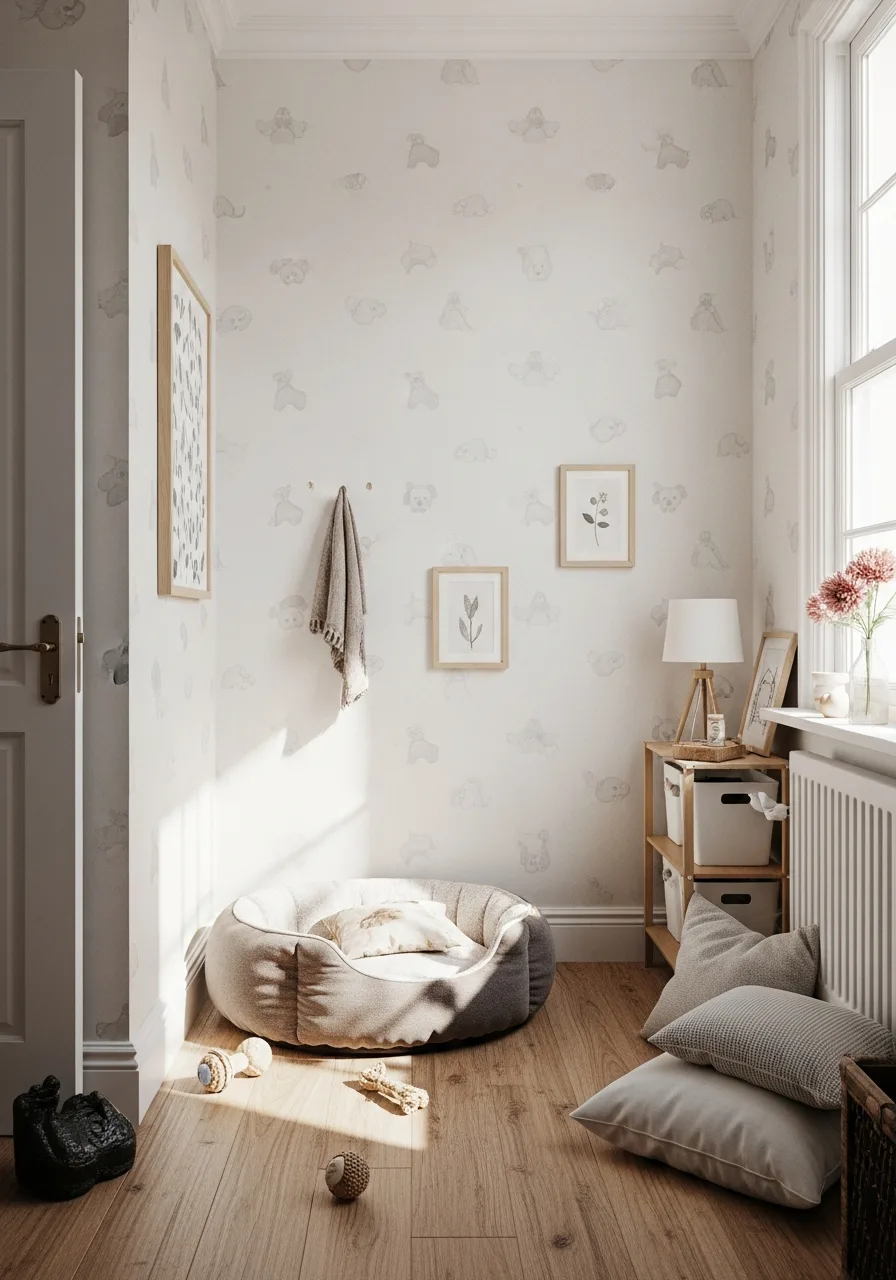
Wallpaper adds personality and a focal point to a small pet-dedicated room. It can range from subtle textures to bold, dog-themed patterns that celebrate the animal.
Select a peel and stick vinyl wallpaper that's easy to wipe clean and simple to remove later.
- Focus the wallpaper on just one accent wall to keep the room from feeling too busy.
- Look for patterns that incorporate the colors of your existing furniture or dog bed.
- Avoid textured grasscloth wallpapers that might attract a dog's desire to scratch or chew.
Design Secret: Apply a clear acrylic sheet over the bottom half of the wallpapered wall to protect it from scuffs.
31. Integrated Wall Nook
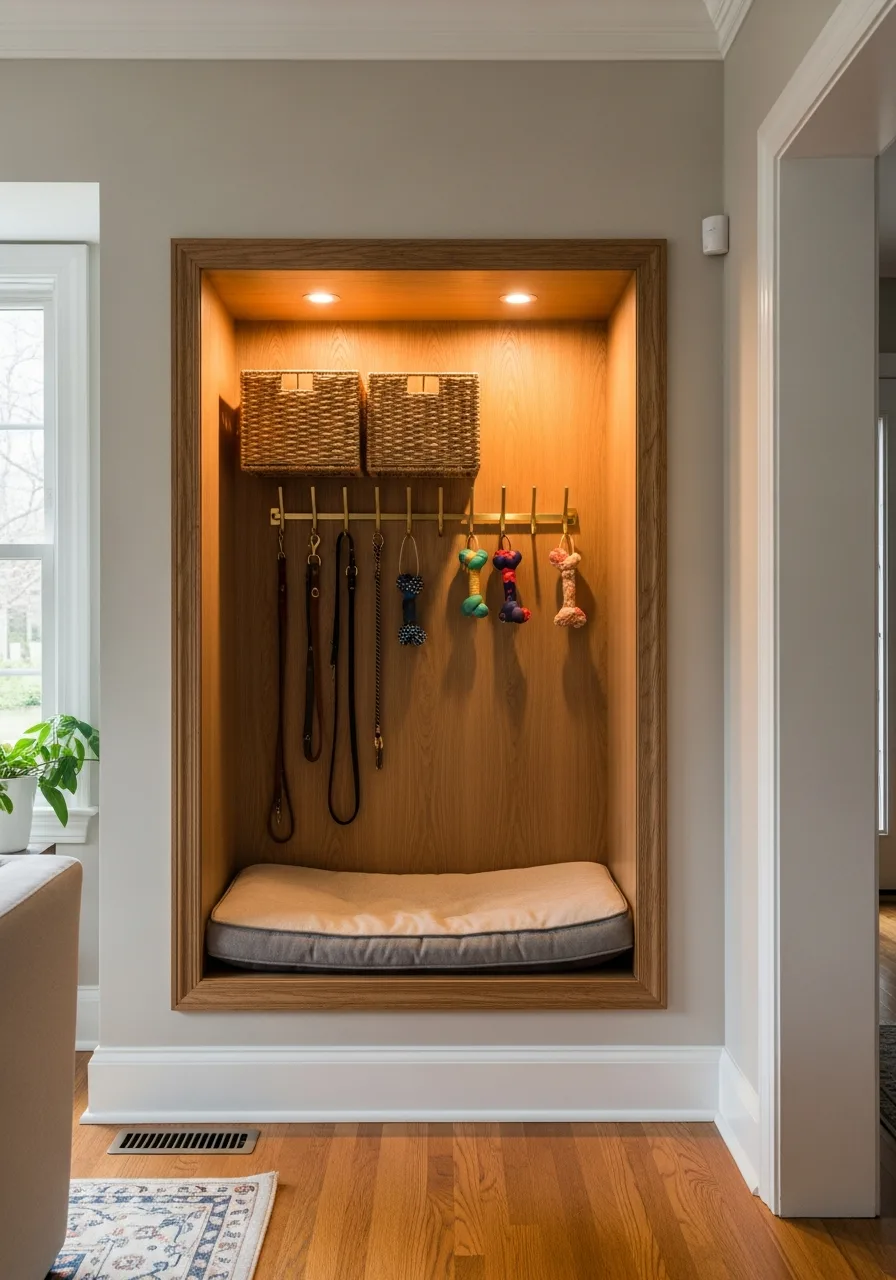
Create a cozy built-in nook with a soft bed, wall hooks, and storage baskets for toys and leashes. It utilizes wall depth to keep the floor clear while providing a dedicated sanctuary for your pet.
Install a recessed dimmable light inside the nook to make the space feel warm and inviting at night.
- Order custom-sized cushions online to fit the exact nook dimensions.
- Measure the wall cavity depth before selecting storage baskets.
- This setup works perfectly in hallways or living room alcoves.
Design Secret: Use an outdoor-rated fabric for the cushion cover to resist odors and stains.
32. Laundry Zone Canine Hub
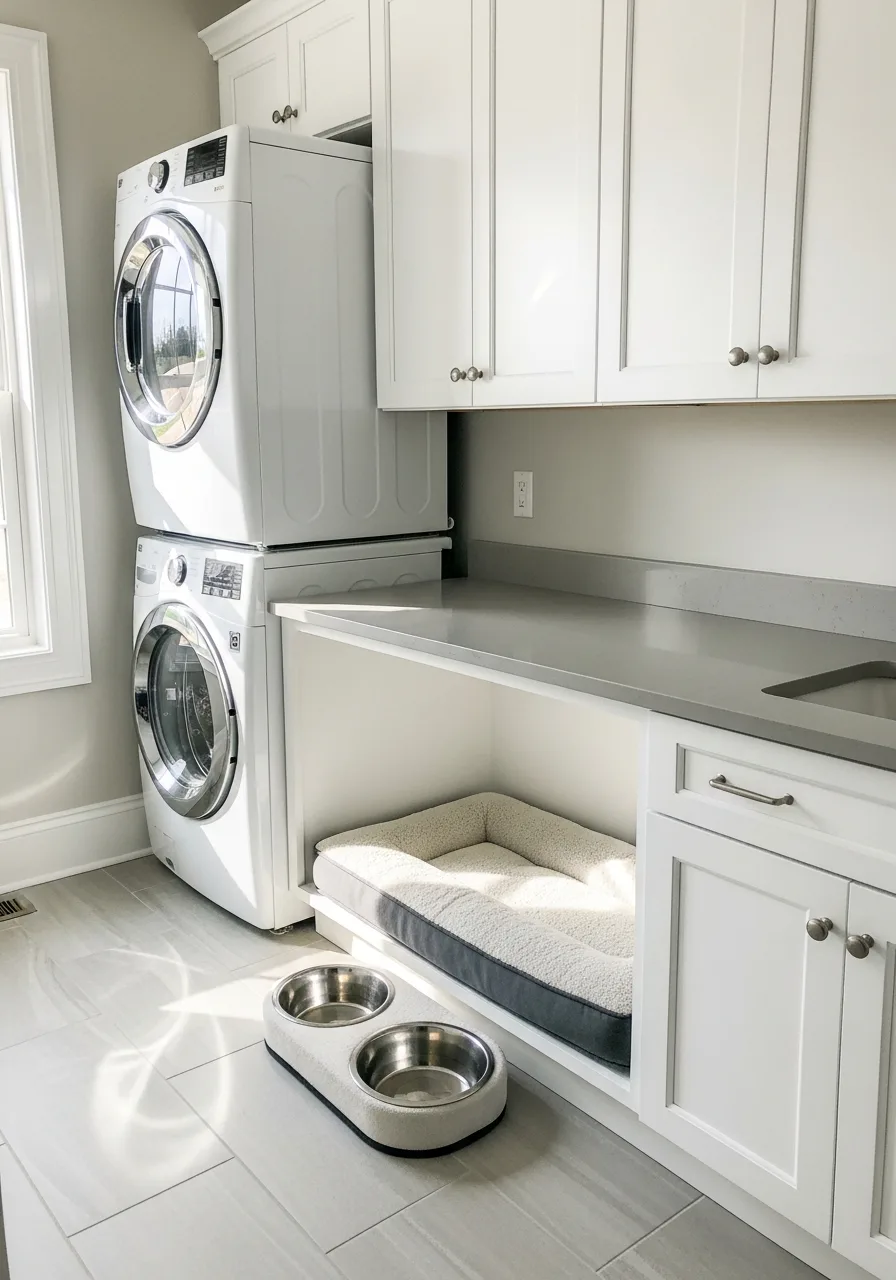
Turn part of the laundry room into a practical dog area with a bed, bowls, and easy-clean flooring. This room already handles water and mess, making it the perfect spot for a pet transition zone.
Swap a lower cabinet for an open cubby to house a standard pet bed seamlessly.
- Use waterproof silicone mats under bowls to protect the floor.
- Install a small wall-mounted fan to keep the area cool and fresh.
- Add a countertop above the bed area for folding clothes.
Design Secret: Match the dog bed color to your cabinetry for a high-end, custom look.
33. Entryway Mudroom Pet Station
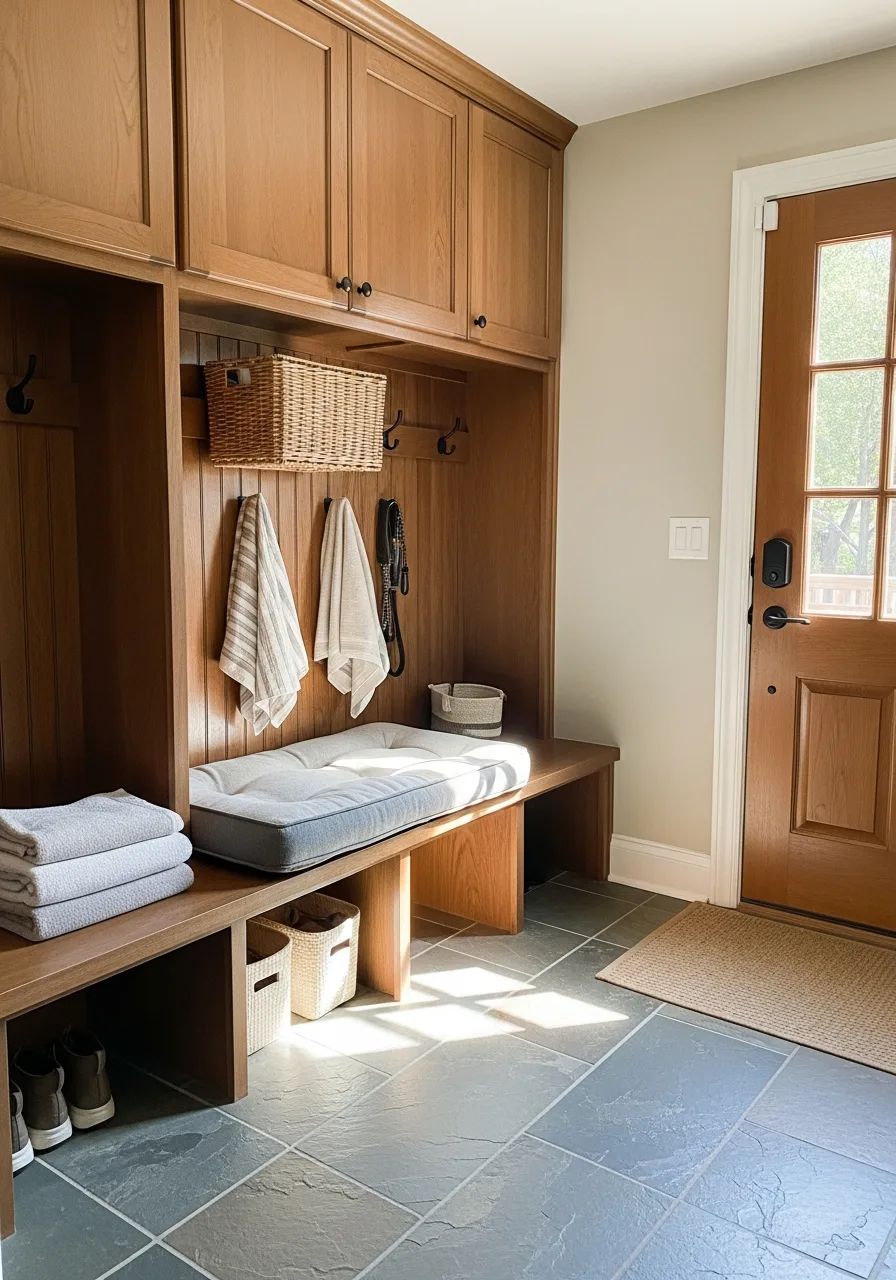
Use the mudroom for a dog bed, leash hooks, towel storage, and a spot for muddy paws. It keeps outdoor debris contained to one area before it reaches the rest of the house.
Hang a dedicated basket at eye level for quick access to waste bags and grooming wipes.
- Choose heavy-duty metal hooks to support heavy leather leashes.
- Use a boot tray to catch water from wet dog gear.
- Small mudrooms benefit from vertical wall-mounted storage bins.
Design Secret: Install a sturdy wall hook specifically for drying wet towels after rainy walks.
34. Tiled Pet Rinse Area
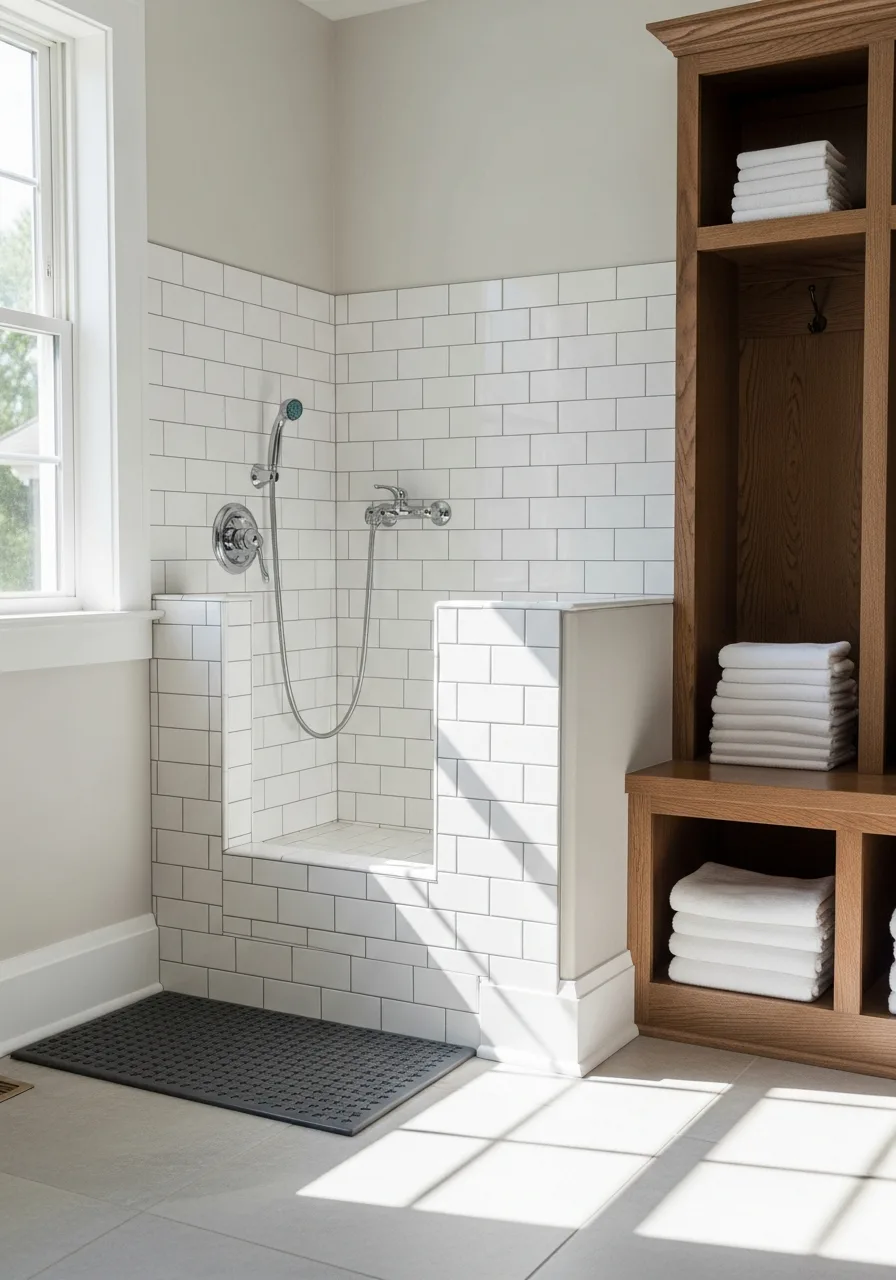
Add a small dog shower or wash station with tile walls, a handheld sprayer, and towel storage. This prevents back strain and keeps the human bathtub clean after messy park trips.
Select a non-slip textured floor tile to keep your pet steady while they get clean.
- Budget for professional plumbing and proper waterproofing.
- Place the station near an exterior door to catch dirt immediately.
- Use subway tile for a classic, easy-to-scrub wall finish.
Design Secret: Add a thermostatic mixing valve to ensure the water temperature is always safe for skin.
35. Under-Stair Pet Retreat
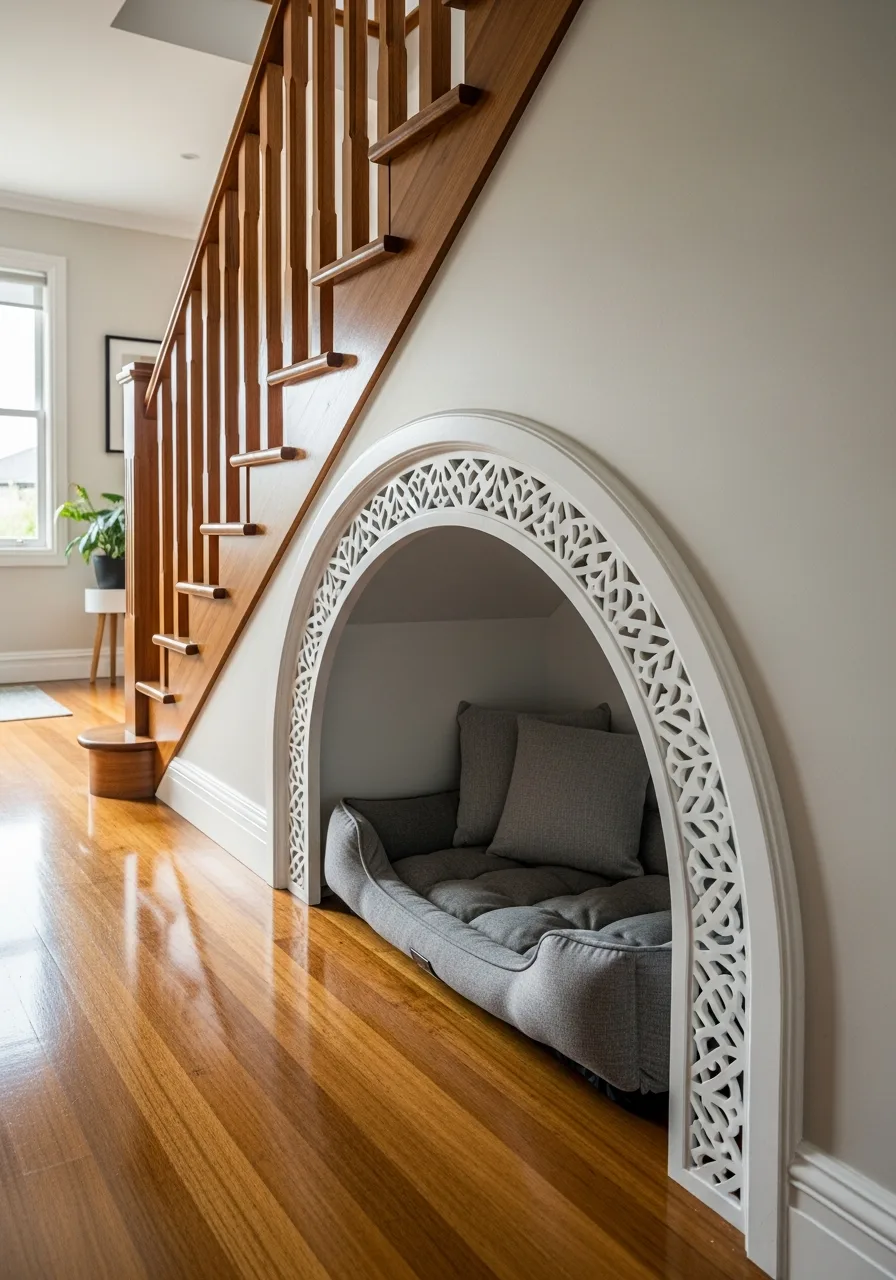
Transform the empty space under the stairs into a charming dog hideaway with a custom bed. This often-wasted square footage provides a den-like environment that makes dogs feel secure.
Frame the opening with decorative trim to match the existing architecture of your home.
- Consult a carpenter to ensure the stairs remain structurally safe.
- Install a battery-operated motion light inside the retreat.
- This is an ideal solution for small to medium breeds in tight homes.
Design Secret: Line the interior walls with sound-absorbing panels to create a true quiet zone.
36. Furniture Style Crate Enclosure
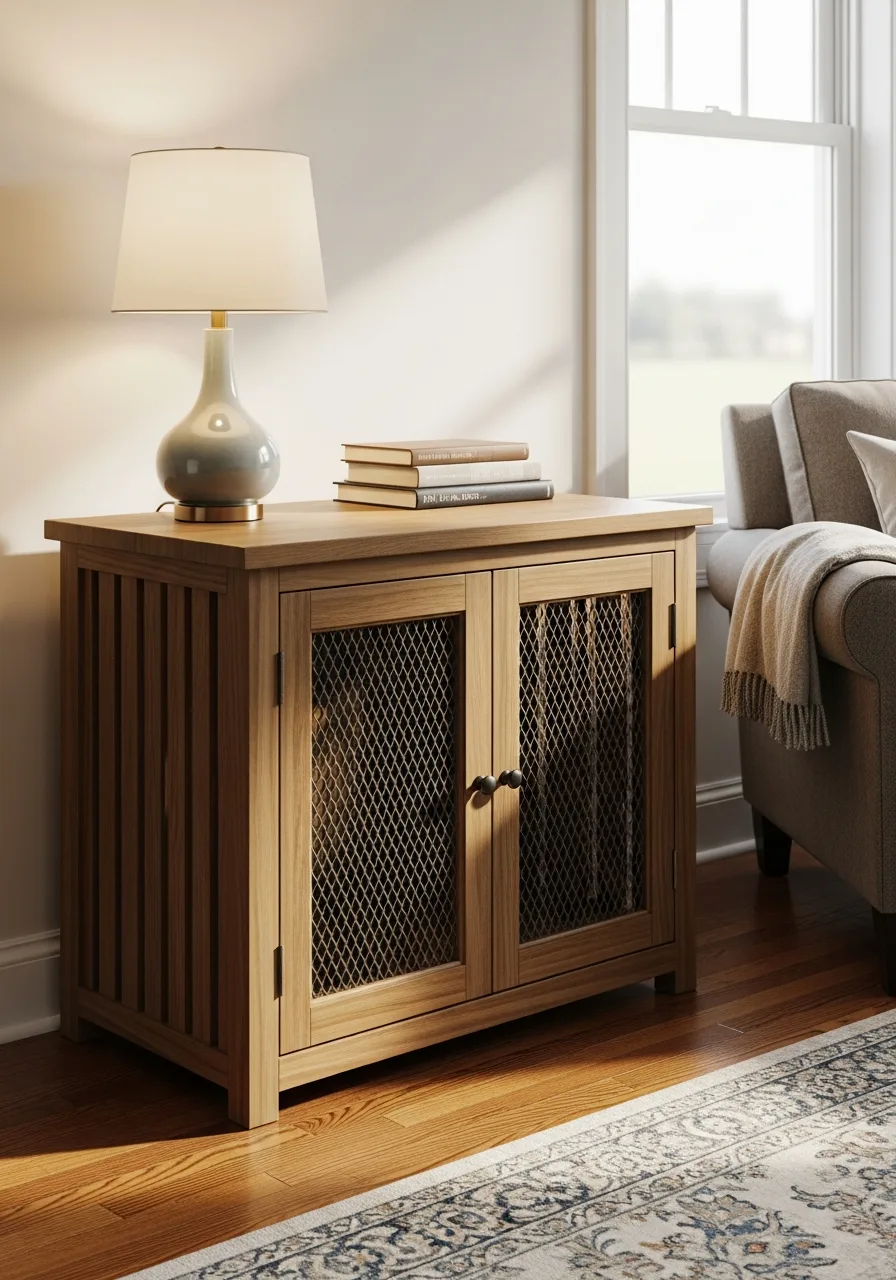
Hide a dog crate inside custom cabinetry so the space looks clean and stylish. It removes the eyesore of wire cages while maintaining a functional surface for lamps or books.
Use a decorative metal mesh for the doors to allow for maximum airflow and visibility.
- Ensure the enclosure is at least 4 inches taller than the dog.
- Choose a wood finish that matches your existing end tables.
- Use a removable plastic tray inside the cabinet for easy cleaning.
Design Secret: Add felt pads to the bottom of the enclosure to protect your hardwood floors.
37. Bedroom Corner Rest Spot
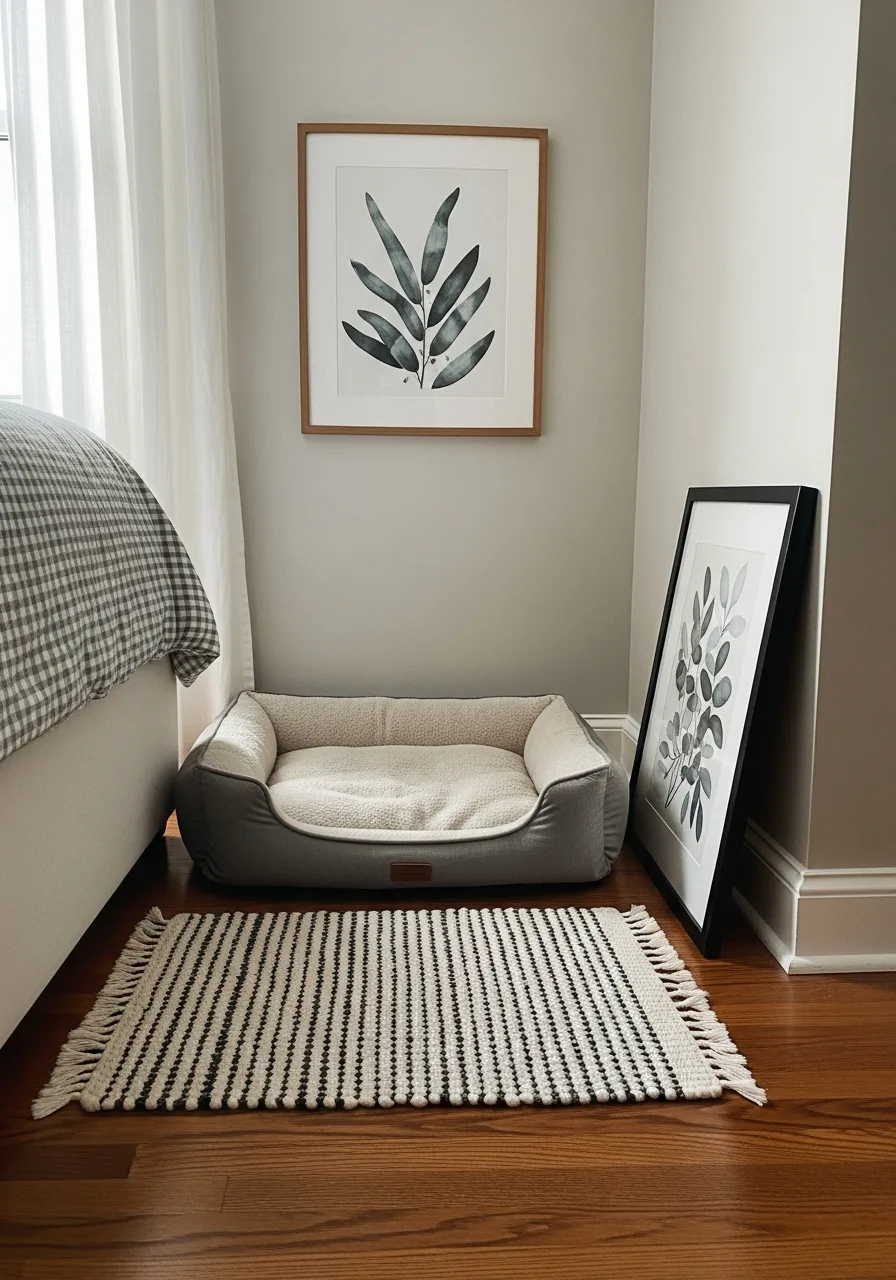
Create a simple dog bedroom corner with a plush bed, small rug, and wall art. This gives your pet a designated place to sleep near you without taking over the entire room.
Layer a small washable rug under the bed to define the zone and catch loose fur.
- Pick a bed with a removable, machine-washable cover for easy care.
- Keep the color palette neutral to blend with your bedroom decor.
- Place the bed in a corner away from heavy foot traffic.
Design Secret: Use a weighted blanket inside the dog bed to help anxious pets relax.
38. Sleek Contemporary Pet Zone
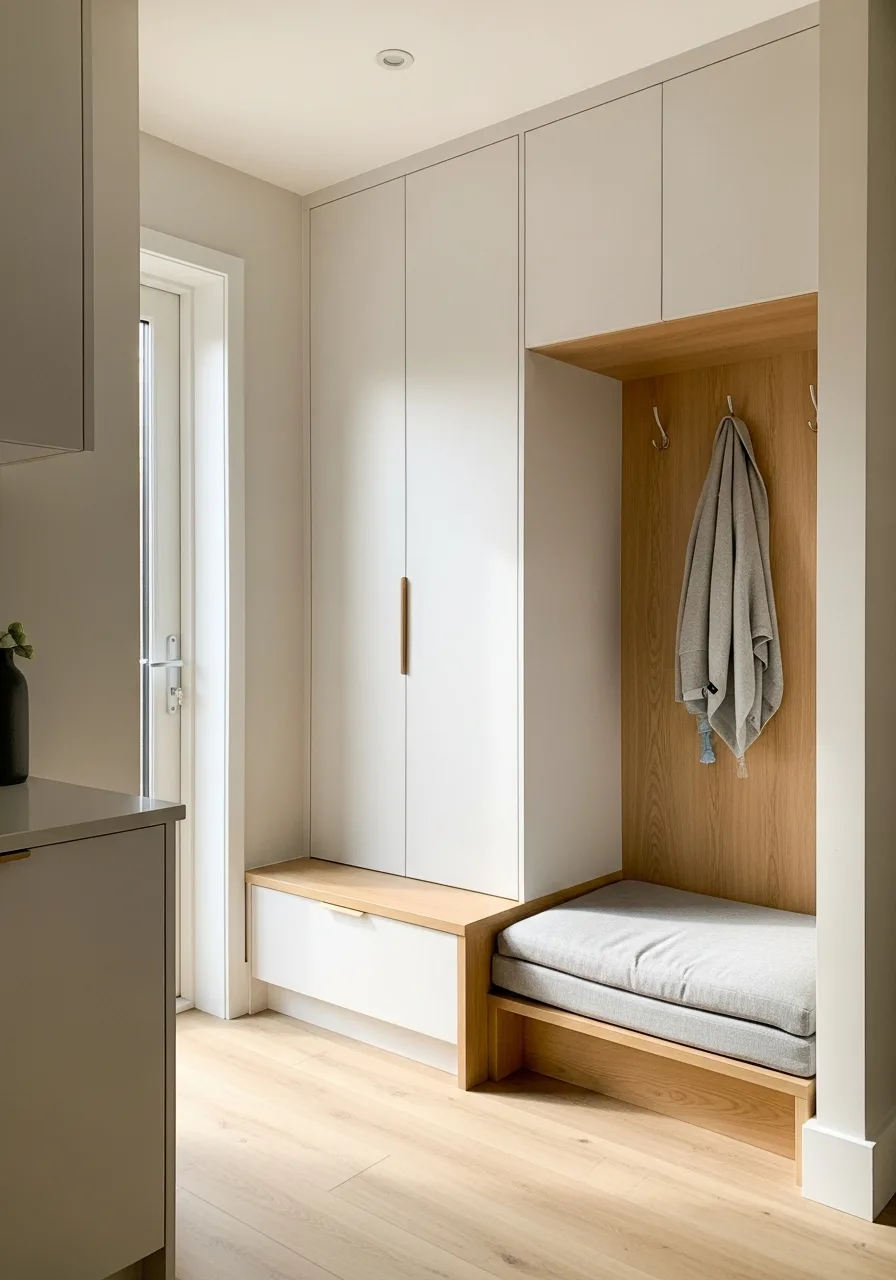
Use neutral colors, clean lines, and hidden storage for a modern pet-friendly space. This approach ensures that pet gear does not clash with a minimalist or high-design aesthetic.
Incorporate handle-less cabinets to store bulky bags of food and grooming supplies out of sight.
- Opt for acrylic or glass bowls for a clean, clear look.
- Choose performance fabrics like crypton for the pet bed.
- Use floating shelves to hold treats in decorative glass jars.
Design Secret: Use a matte black finish on hardware to give the pet area a sophisticated edge.
39. Rustic Country Dog Space
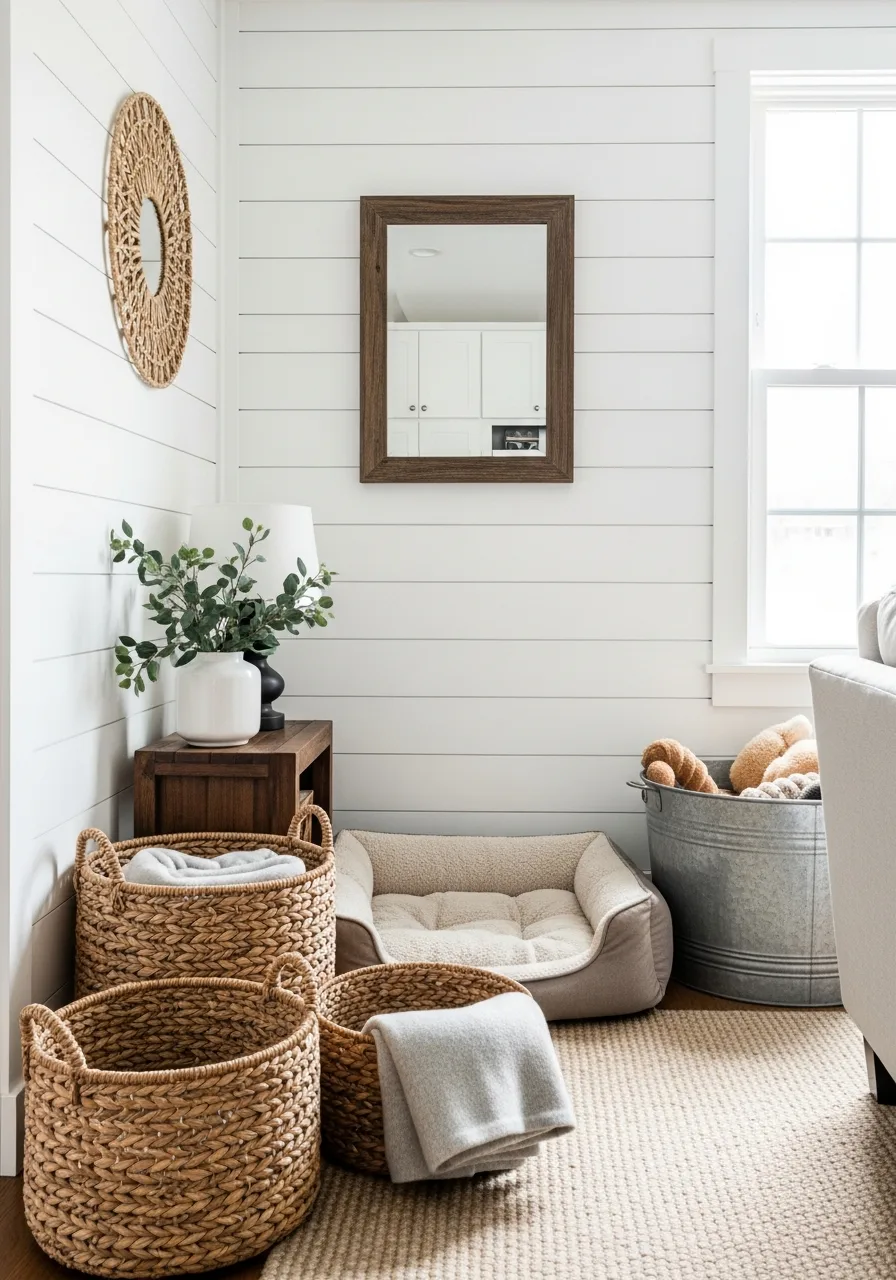
Add shiplap walls, woven baskets, wood accents, and a cozy dog bed for farmhouse charm. These textures are forgiving of wear and tear and create a warm, lived-in feel.
Place a large galvanized metal bin in the corner to hold extra blankets and large toys.
- Distressed wood finishes hide claw scratches better than polished wood.
- Use linen-colored fabrics for a soft, traditional look.
- This style fits perfectly in laundry rooms or back entryways.
Design Secret: Repurpose an old wooden crate as a sturdy base for a raised dog bed.
40. High-End Pet Suite
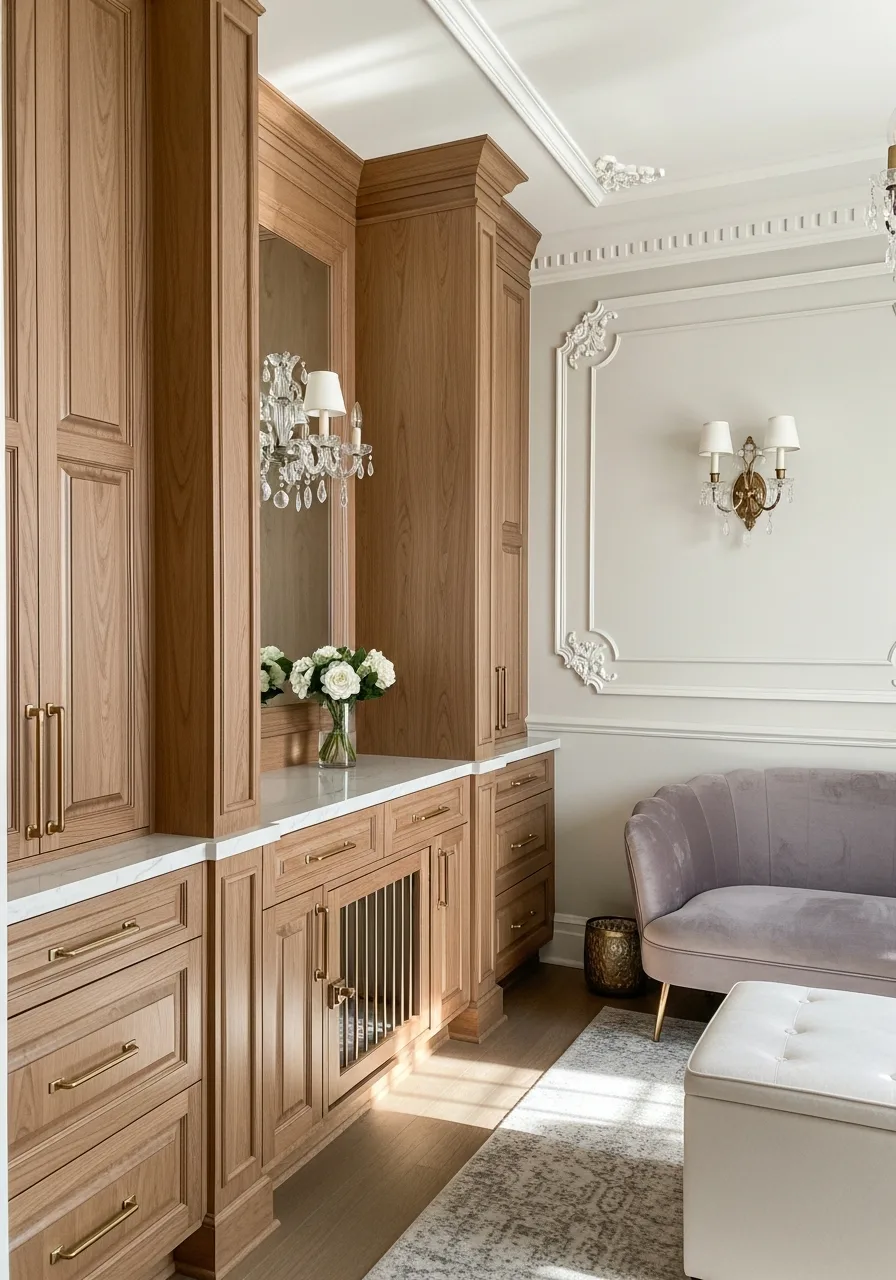
Design a polished dog room with custom cabinets, a soft pet sofa, and elegant decor. This creates a luxury experience that treats the pet area as a formal room in the house.
Hang a small chandelier or high-end sconce to provide sophisticated lighting for the space.
- Use velvet-textured performance fabrics for the pet sofa.
- Install crown molding to finish the look of the built-ins.
- This is best for dedicated pet rooms or large master suites.
Design Secret: Use marble or quartz remnants for the feeding station backsplash for a touch of class.
Dog Room Ideas
41. Built-In Small Space Dog Den
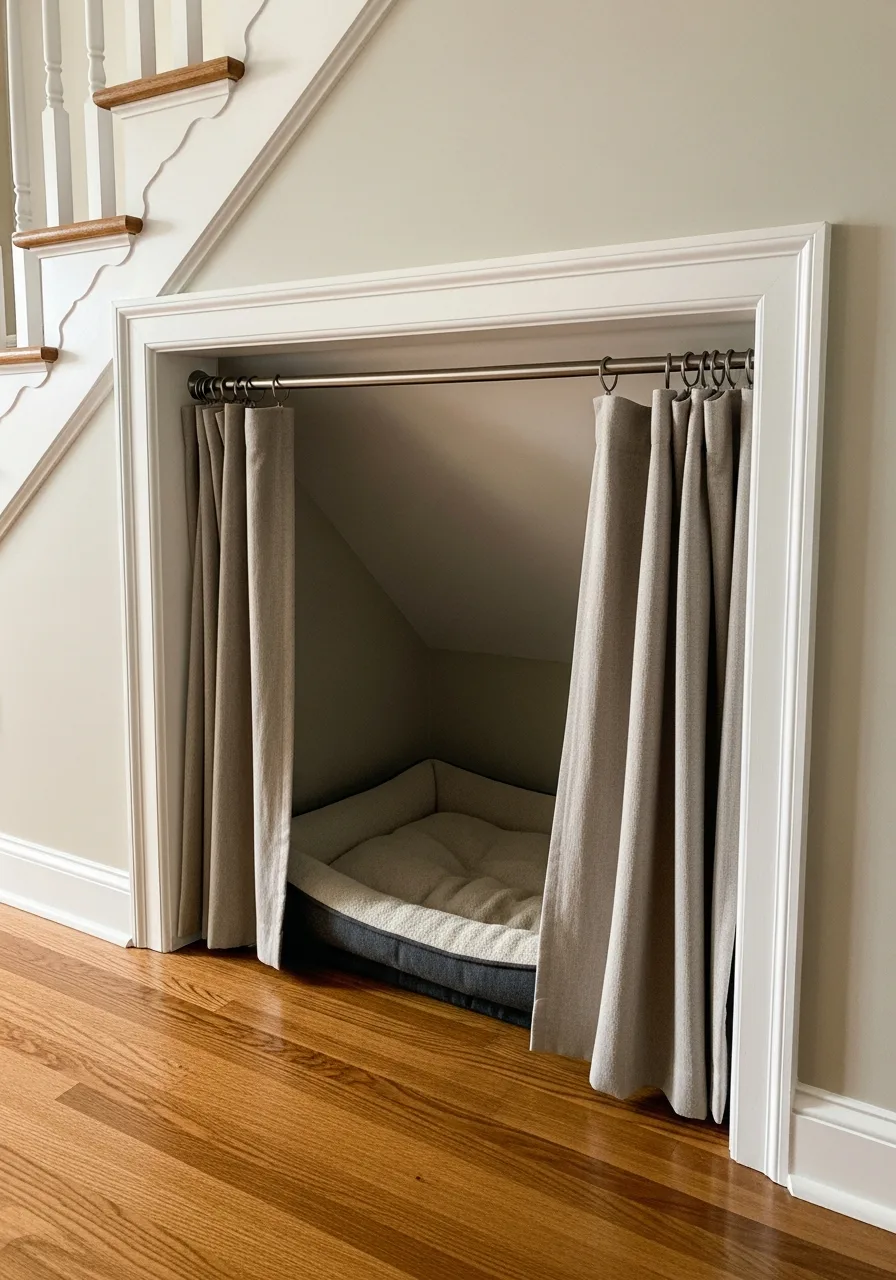
This setup transforms an unused alcove or under-stair cavity into a dedicated, semi-enclosed sleeping area for a pet. Utilizing vertical space keeps the floor clear of bulky crates while providing the animal with a secure, den-like environment. Install a custom-fit tension rod with a heavy-duty fabric panel to hide the interior when guests arrive.
- Budget around $150 for basic trim and paint, or source a pre-made furniture-style dog crate that fits existing nook dimensions.
- Ensure adequate airflow by leaving the top few inches of the entry open or using a mesh-paneled door.
- For renters, use a modular pet gate and a washable rug to define the zone without drilling into walls.
Design Secret: Paint the interior of the nook two shades darker than the room’s walls to create a cozy, receding effect that masks pet hair.
42. Organized Supply Closet System
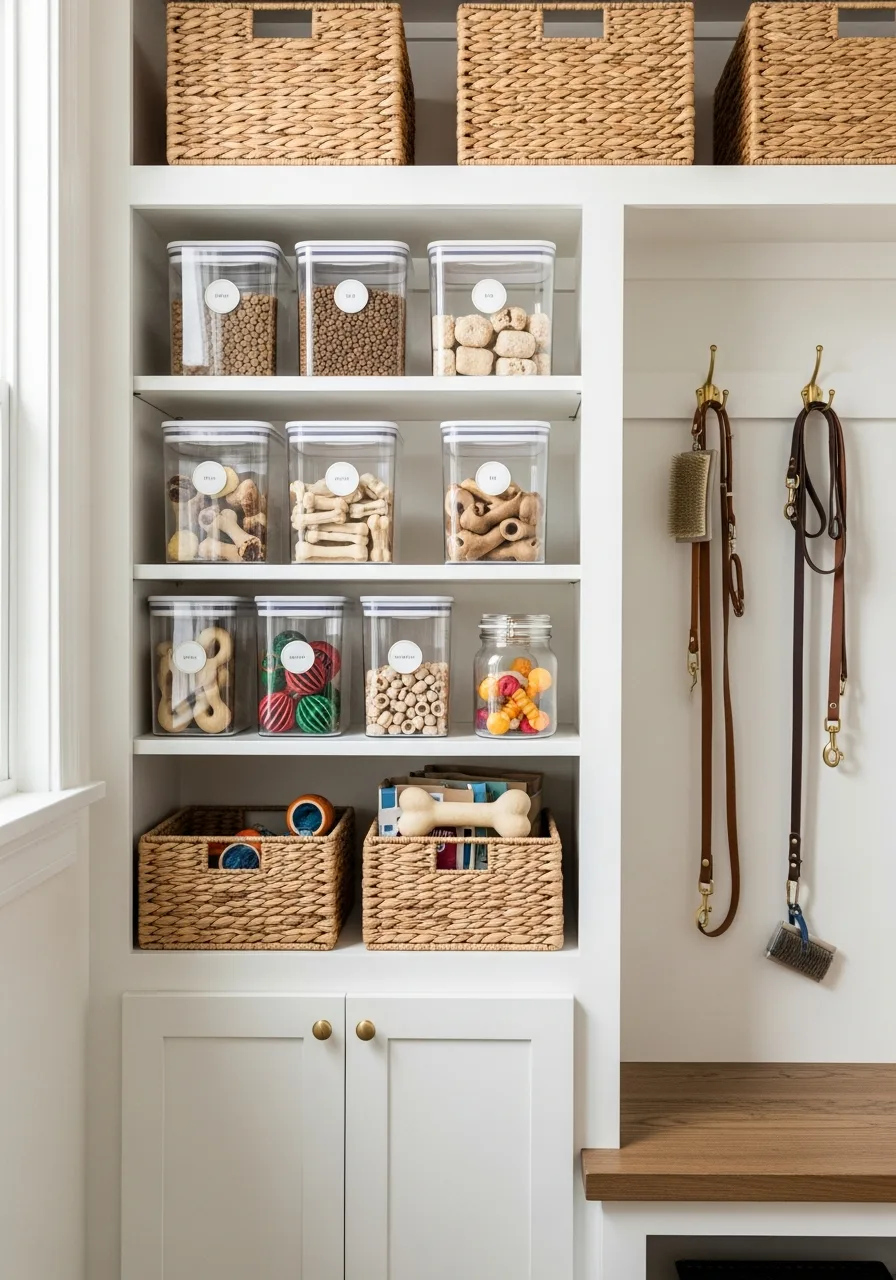
Add cabinets, bins, and labeled baskets for food, treats, toys, grooming tools, and leashes. A dedicated storage system prevents pet clutter from spreading into the kitchen or living room.
Use clear airtight containers for food so you can see when it is time to restock.
- Label every bin for quick identification during busy mornings.
- Use over-the-door organizers for small items like brushes and combs.
- This works in any spare closet or pantry nook.
Design Secret: Install a pegboard on the back of the closet door to organize harnesses and leashes.
43. Integrated Kitchen Dining Drawer
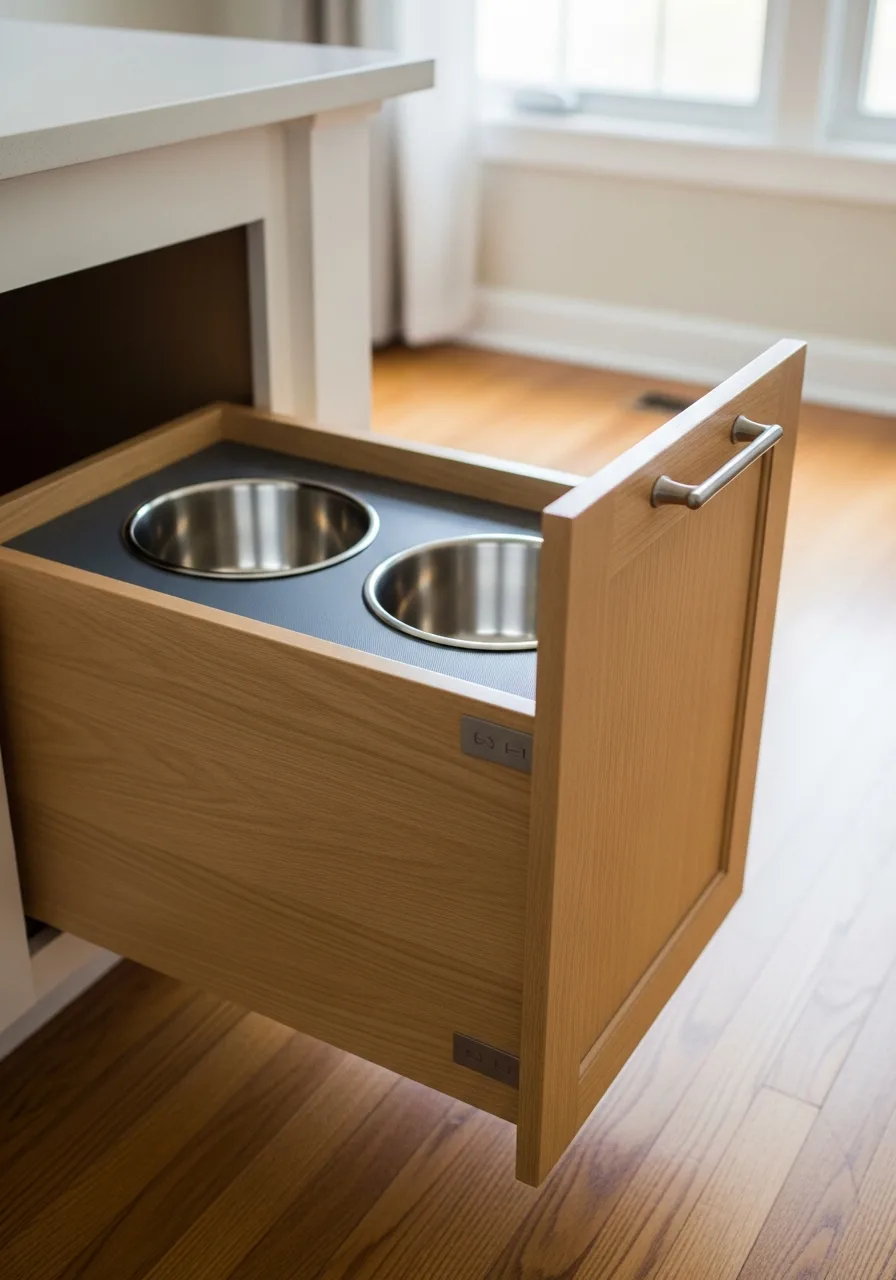
Create a built-in feeding station with pull-out bowls and storage for food nearby. This keeps bowls off the floor and prevents humans from tripping on them during meal prep.
Select a drawer with a moisture-resistant liner to protect the wood from water splashes.
- Ensure the drawer height is comfortable for your dog's specific size.
- Keep the food bin in the cabinet directly above the drawer.
- Best for kitchens with custom or semi-custom cabinetry.
Design Secret: Use stainless steel bowl inserts for easy cleaning and better hygiene.
44. Woven Toy Bin Organization
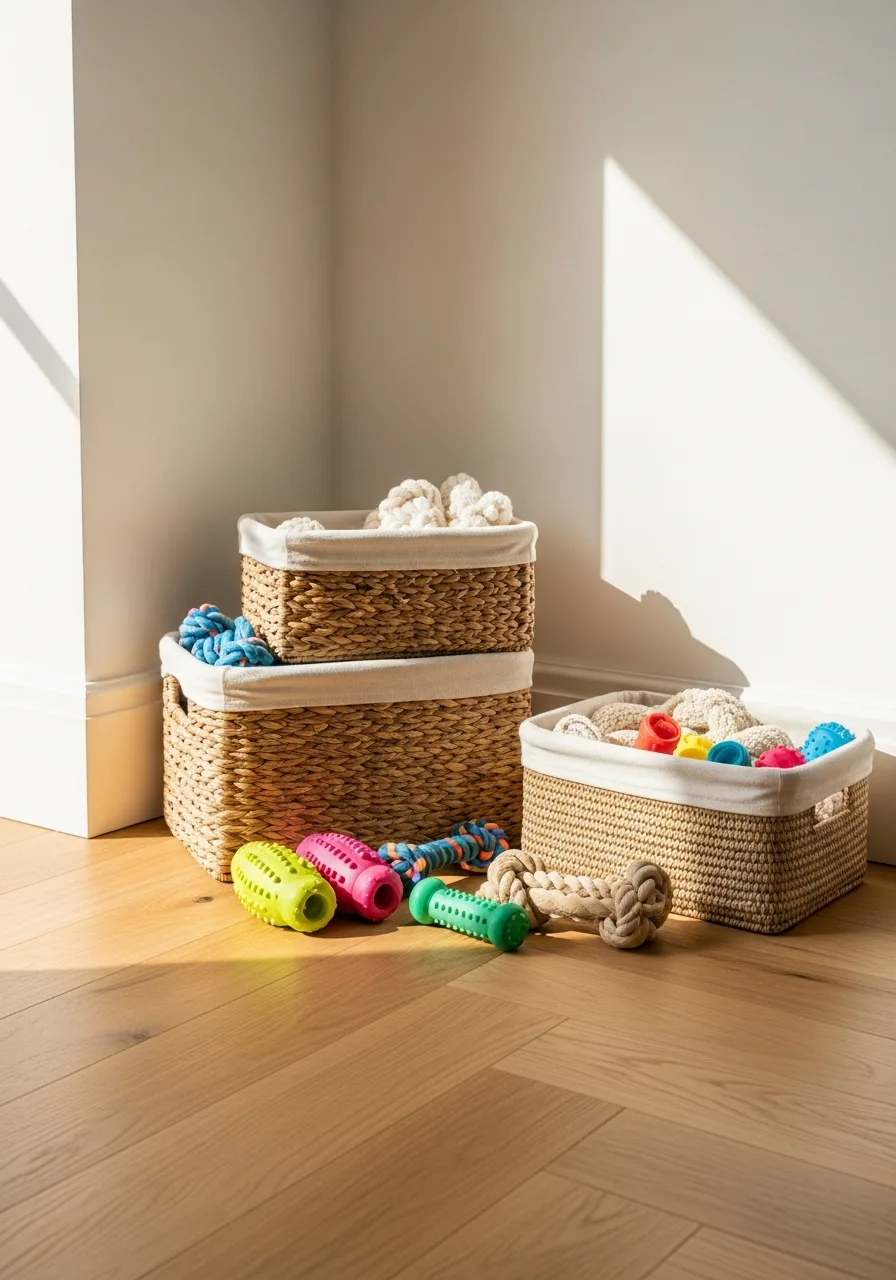
Use stylish baskets to organize toys while keeping the room easy to clean. Baskets allow the dog to access their own toys while keeping the floor looking tidy for the rest of the day.
Choose low-profile baskets so shorter dogs can reach their favorite items without tipping the bin.
- Natural fibers like jute or seagrass are durable and stylish.
- Rotate toys weekly to keep your pet engaged and reduce clutter.
- Place bins in corners or under side tables to save floor space.
Design Secret: Use different sized baskets for hard toys versus soft plushies to keep them organized.
45. Patterned Accent Wall Design
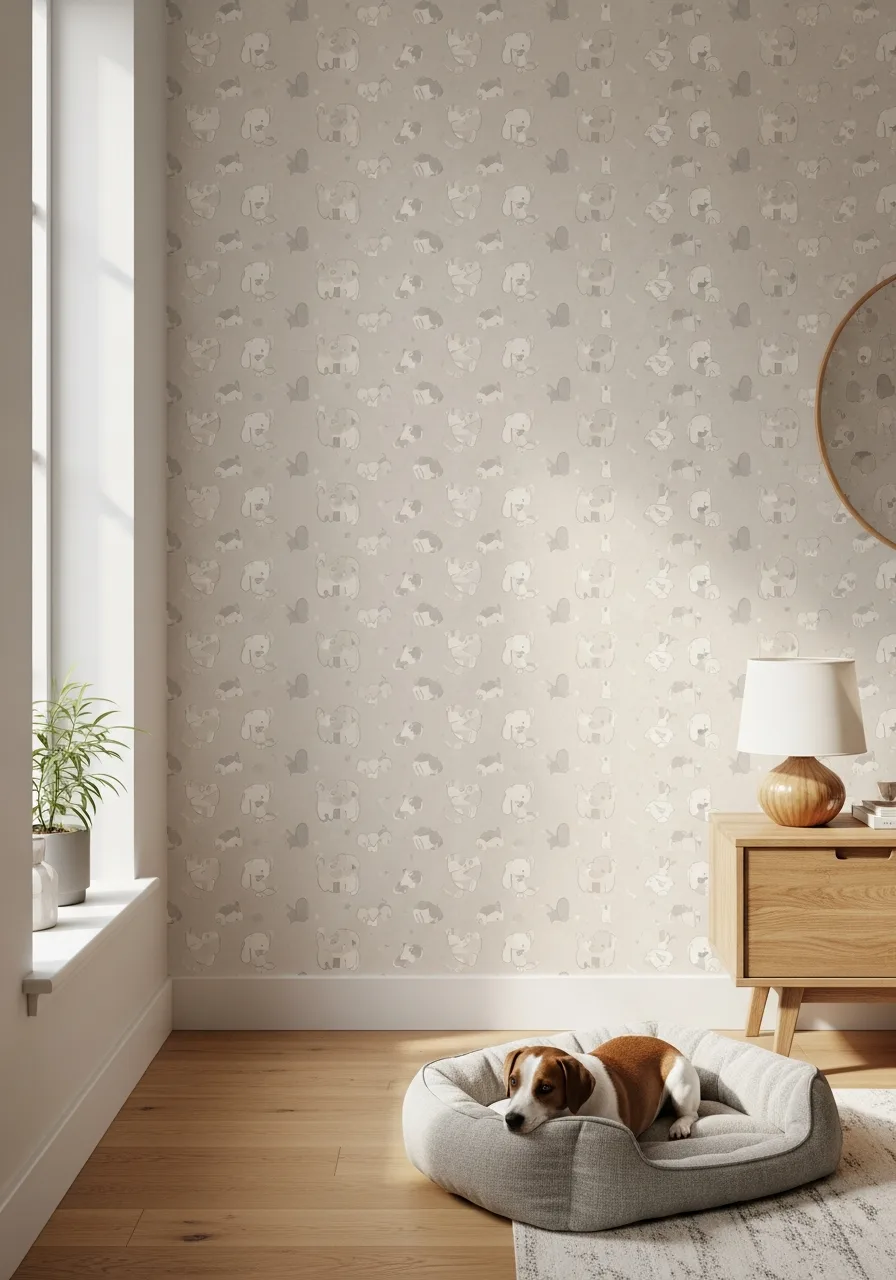
Add playful dog-themed wallpaper or soft patterned wallpaper for a cute accent wall. This defines the dog’s area as a specific room and adds a layer of personality to the home.
Select a peel-and-stick wallpaper for an easy update that you can change as your style evolves.
- Choose a pattern with colors that match your existing furniture.
- Apply the wallpaper to a single wall to avoid overwhelming the space.
- Works well in small nooks or dedicated pet rooms.
Design Secret: Use a vinyl-coated wallpaper that can be wiped down with a damp cloth.
46. Pegboard Accessory Wall
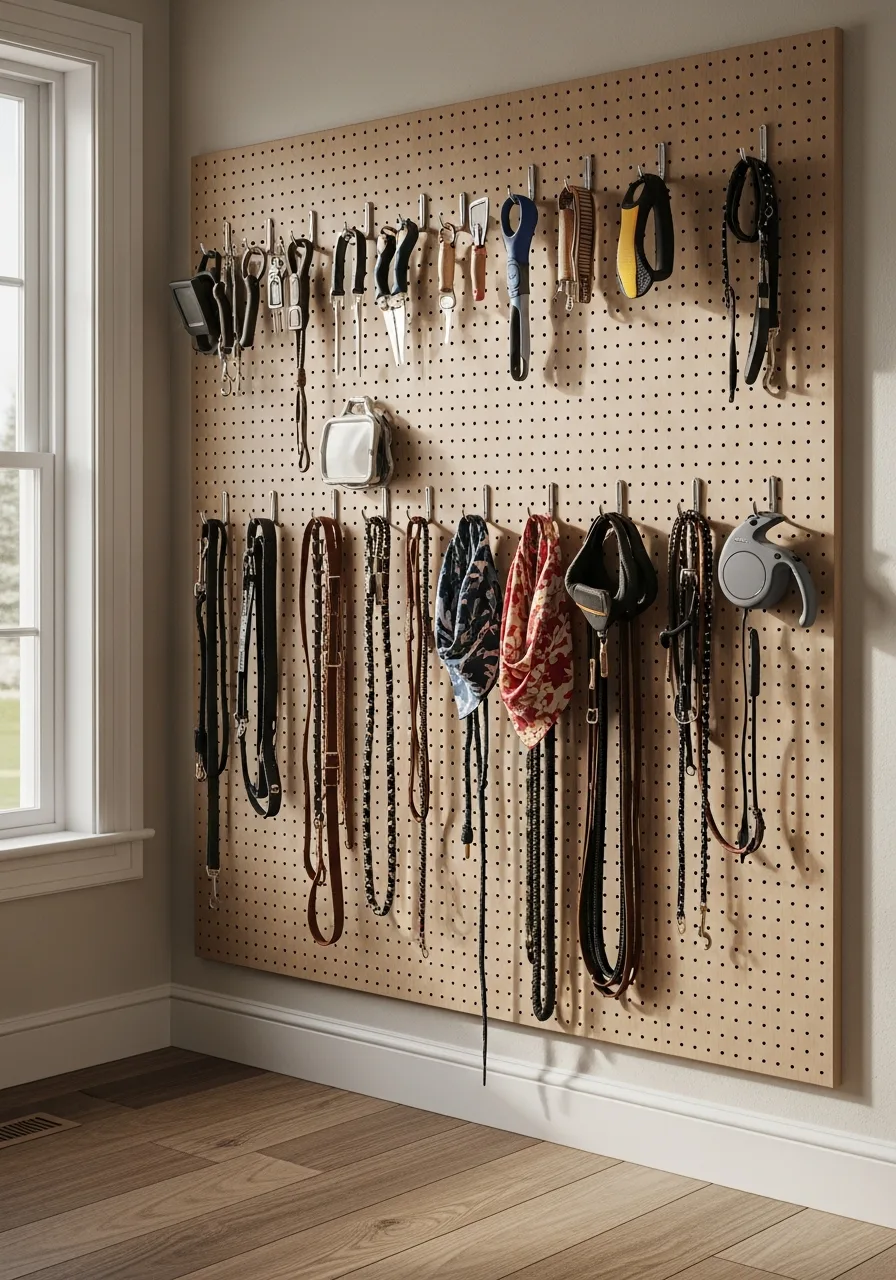
This setup uses a large pegboard to hang grooming tools, leashes, and bandanas in plain sight.
It keeps small items organized and off the floor while turning gear into a visual display. Mount the board at eye level and use sturdy metal hooks to prevent heavier retractable leashes from falling.
- Pegboards are cheap at hardware stores and take less than an hour to install.
- Space hooks at least four inches apart to keep items from tangling.
- Use a smaller board inside a pantry door if wall space is limited.
Design Secret: Paint the pegboard the same color as the wall for a seamless, high-end look.
47. Over-the-Door Grooming Organizer
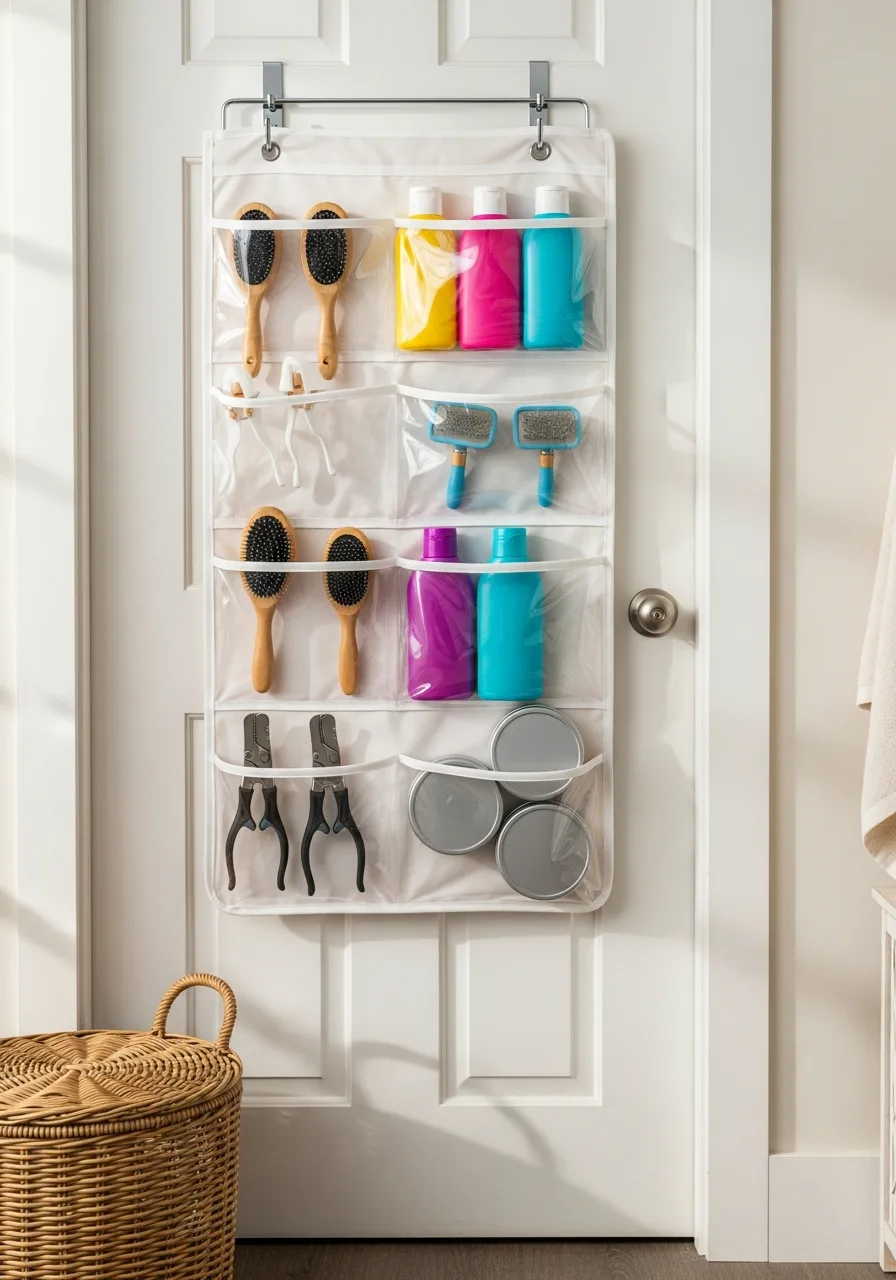
This utilizes the back of a door to store brushes, shampoos, and clippers in clear pockets. It keeps grooming supplies organized and out of reach while saving valuable cabinet space.
Label each pocket so every family member knows exactly where the nail trimmers or ear wipes belong.
- Clear shoe organizers are the most affordable way to start this setup immediately.
- Hang the organizer on the inside of a laundry room or hall closet door.
- Choose a mesh-style organizer if there is a need to store damp sponges or grooming mitts.
Design Secret: Use the top pockets for items used less frequently, like seasonal flea treatments or extra collars.
48. Magnetic Toy Storage Wall
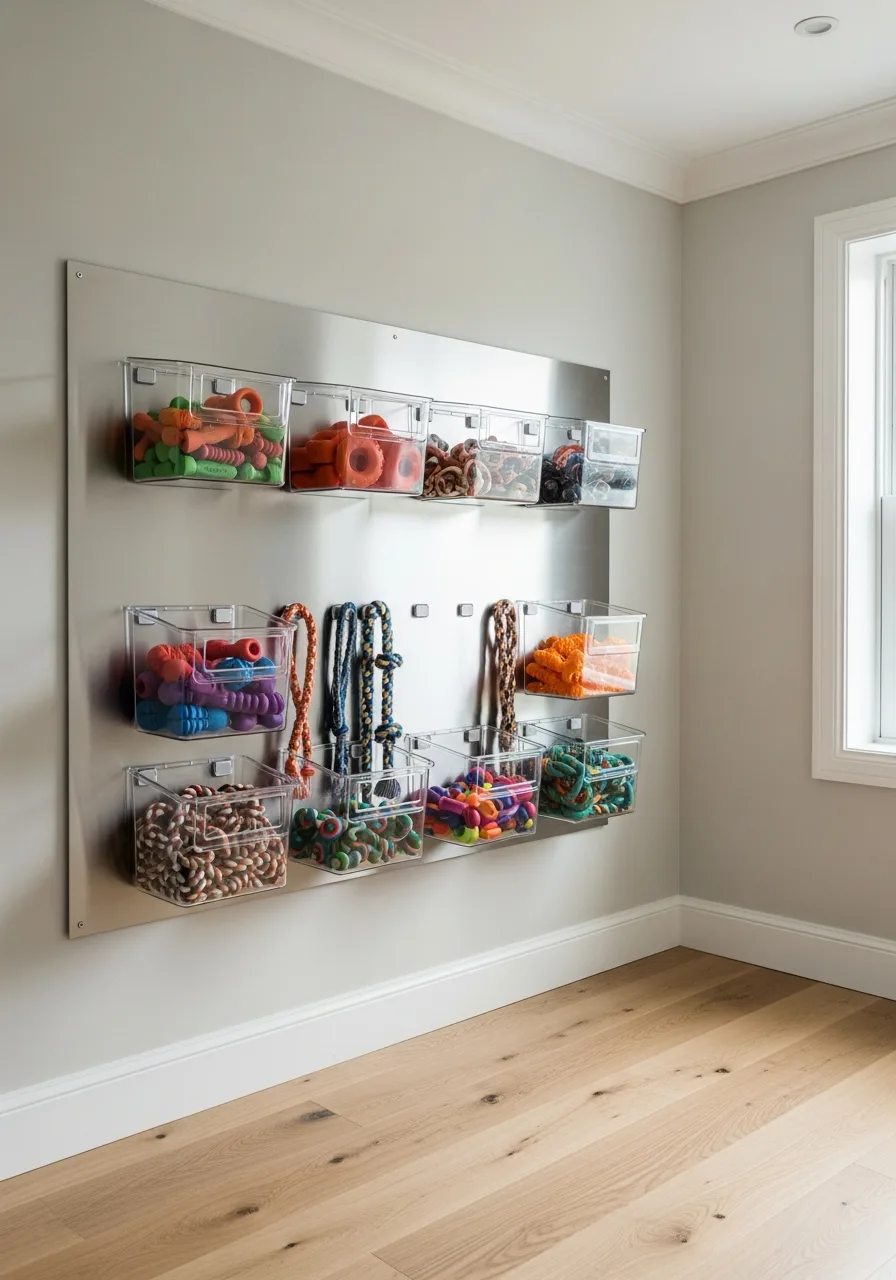
A magnetic board paired with metal-bottomed bins allows for moving toy storage up and out of the way. This system keeps the floor clear and facilitates rotating which toys are accessible to the dog.
Use strong neodymium magnets on the back of plastic bins to ensure they stay attached when full of heavy chew toys.
- Galvanized steel sheets are an inexpensive base for this project and can be framed like art.
- Position the lower bins within reach for the dog's favorite everyday items.
- This setup works great in small apartments where floor space is a premium.
Design Secret: Use labeled magnetic strips to mark which bins contain quiet toys versus active toys.
49. Elevated Pulley Drying System
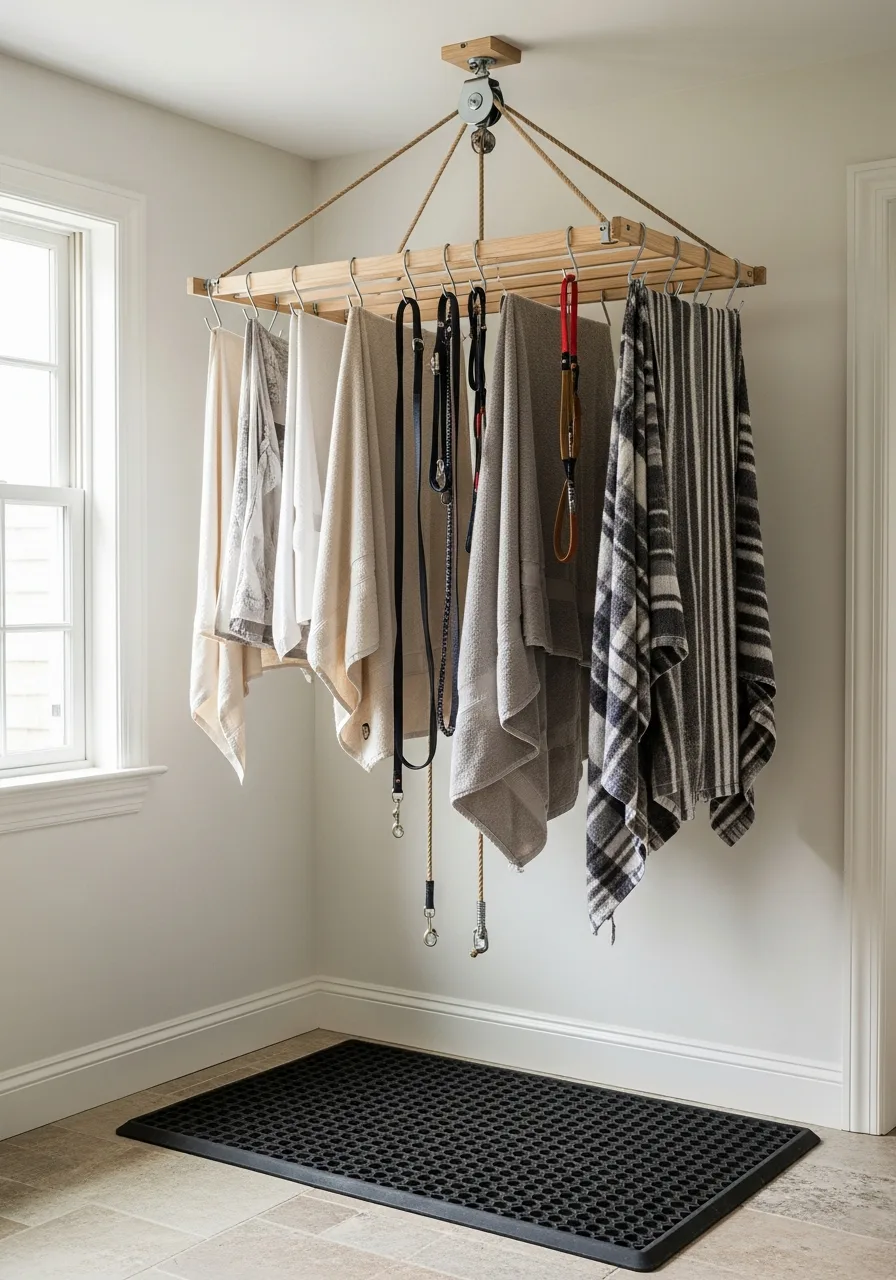
A ceiling-mounted pulley rack keeps damp dog towels and gear out of the way while they air dry. This vertical solution utilizes heat rising toward the ceiling to speed up drying times without cluttering the floor space. Position the rack directly above a floor drain or a waterproof mat to catch any stray drips from heavy blankets or sodden leashes.
- Look for wood and cast iron models starting around $100 for a durable, high-quality aesthetic that matches home decor.
- Secure the mounting brackets directly into ceiling joists to ensure the rack safely supports the weight of saturated textiles.
- Lower the slats to chest height for easy loading, then hoist the system up to clear the walking path for pets and people.
Efficiency Boost: Hang damp items near a mudroom vent or window to maximize natural airflow and prevent musty odors in the fabric.
50. Built-In First Aid Station
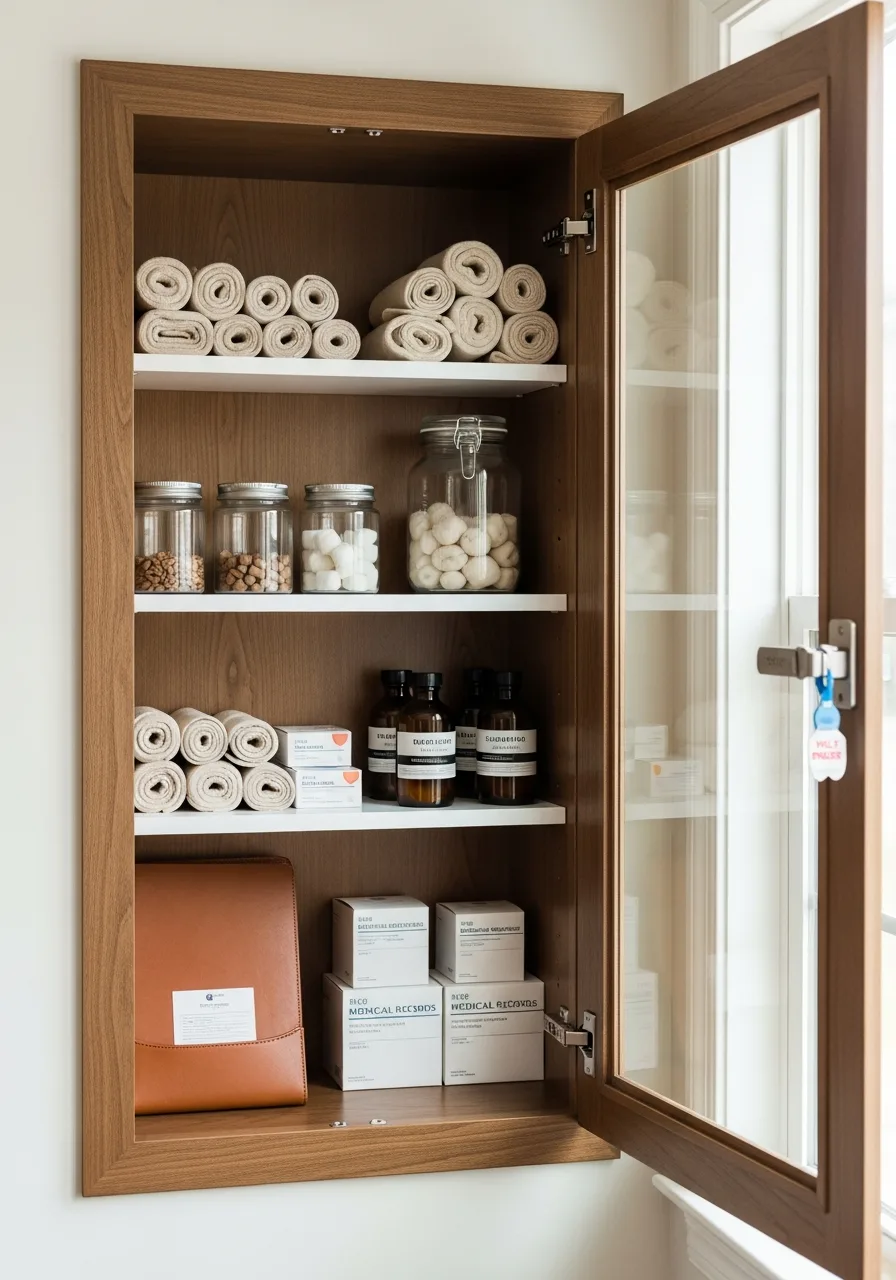
A dedicated cabinet or shelf keeps bandages, antiseptic, and medical records in one easy-to-reach spot. It ensures no one is hunting for supplies during a minor emergency or routine health check.
Store the kit in a high cabinet or behind a child-proof latch to keep curious pets away from medications.
- Use a clear tackle box or specialized medical bag to keep small items organized inside the cabinet.
- Place a printed list of emergency vet numbers and dosage charts on the inside of the door.
- This station fits perfectly in a corner of the laundry room or a kitchen pantry.
Design Secret: Keep a spare set of grooming scissors in this kit specifically for trimming hair away from wounds.
Frequently Asked Questions
What is the best flooring for a dedicated dog room?
Luxury vinyl plank or tile are the best options because they offer superior scratch resistance and are incredibly easy to clean. These durable materials handle moisture well and stand up to the daily wear and tear of active paws.
How can I hide a dog crate without sacrificing my home's style?
You can seamlessly blend a crate into your decor by using a built-in cabinet design or tucking it into a cozy under-stairs nook. These custom solutions make the crate look like a piece of high-end furniture while providing your pup with a private retreat.
What are the essential zones for a functional dog room?
A functional dog room should feature a quiet sleeping zone, an organized feeding station, and a dedicated storage area for toys and grooming gear. Defining these specific areas helps keep the room tidy and ensures your pet has everything they need in one place.
How do I choose a color palette that is pet-friendly?
Stick with mid-tone neutrals that effectively hide shed pet hair and choose calming colors like sage green or muted blue to promote a peaceful environment. These shades are practical for daily maintenance while creating a soothing vibe for your dog.
Can I create a dog room in a small apartment?
Yes, you can easily maximize small spaces by converting a closet into a cozy dog nook or utilizing vertical shelving for storage. Focusing on corners and multi-functional furniture allows you to create a dedicated pet area without sacrificing valuable floor space.