34 Creative Retaining Wall Ideas

This post may contain affiliate links: full affiliate disclosure.
Retaining walls are the unsung heroes of a great backyard. They stop erosion and turn steep hills into usable flat ground. If you choose the right style, they also add a huge amount of character to your outdoor space.
It is all about finding that balance between a structure that holds back tons of dirt and a design that looks like it belongs there.
I have seen how a well-placed wall can completely change the way a family uses their yard.
1. Natural Stone Retaining Wall
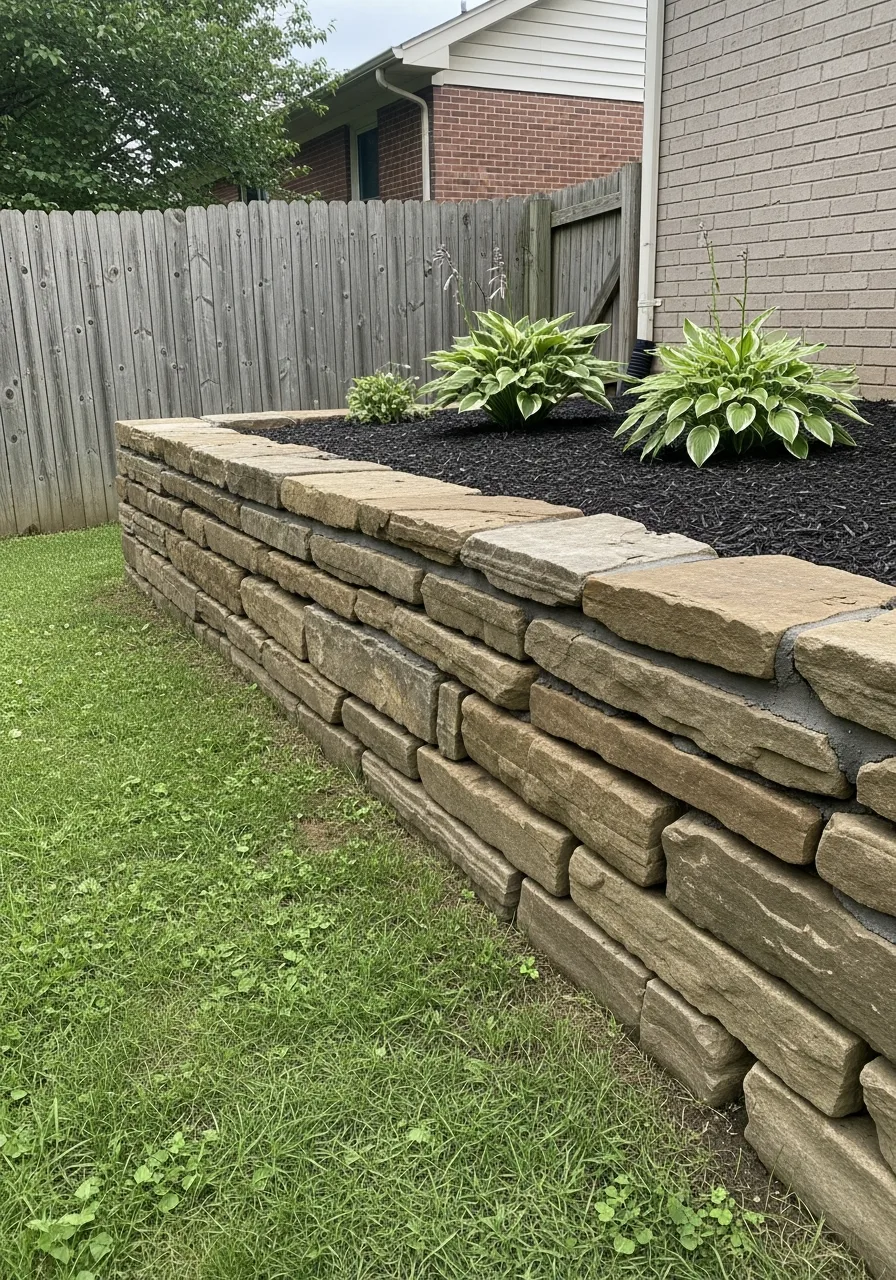
This wall uses irregular stones to create a timeless and organic look. It blends into the landscape while providing a very strong and heavy structure. Honestly, I prefer this for homes that want a high-end and traditional feel.
- Pick heavy base stones
- Use a level constantly
- Backfill with crushed gravel
Pro Tip: Most people skip this: Dig a deep trench for the first layer.
2. Concrete Block Retaining Wall
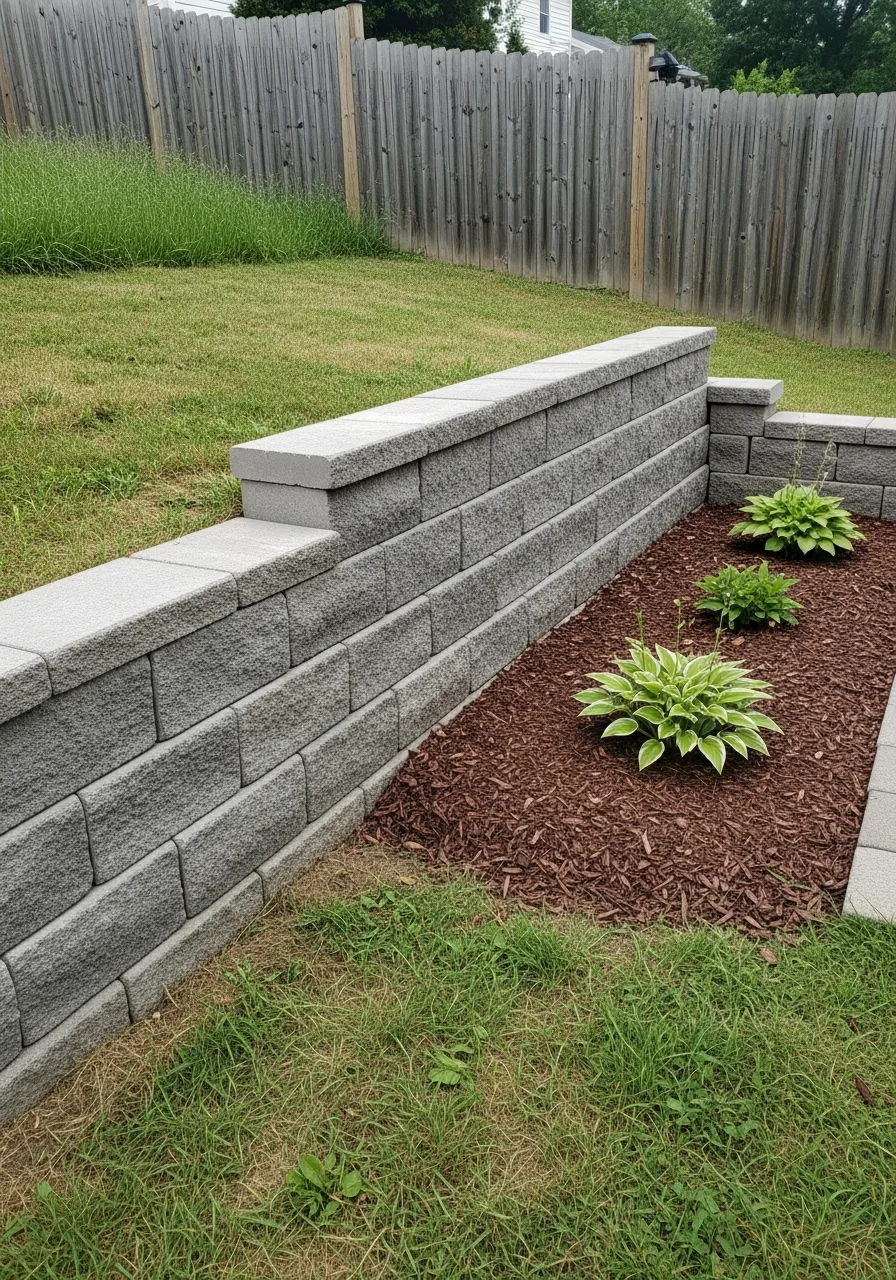
Interlocking concrete blocks create a clean and very sturdy modern wall. They are designed to fit together easily which makes the installation go faster. I always recommend these for homeowners who want a low-maintenance solution.
- Check level every row
- Use a string line
- Compact the base dirt
Pro Tip: Quick win: Use a rubber mallet to seat blocks firmly.
3. Timber Retaining Wall
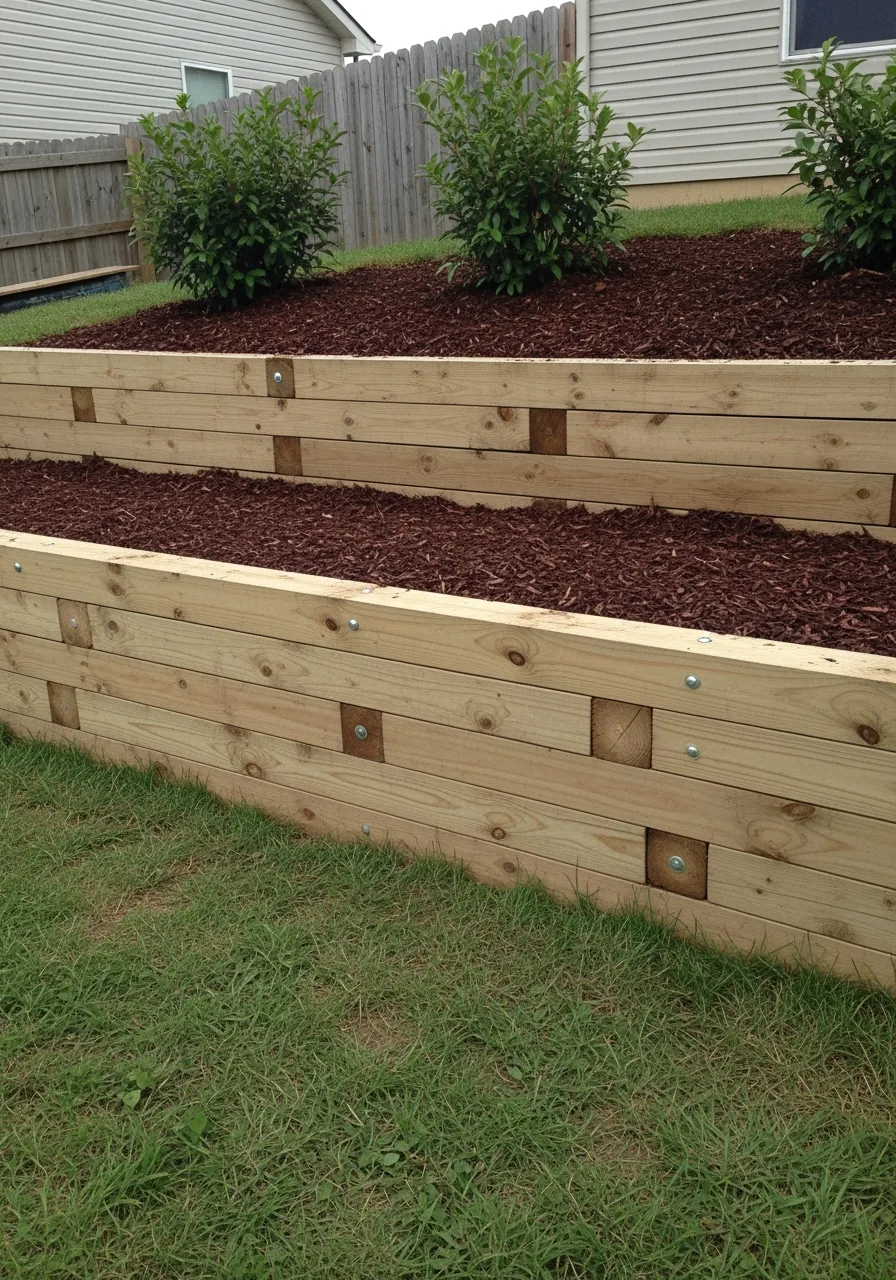
This style uses treated wood or timber for a budget-friendly and rustic look. It is a fantastic option for low walls and simple DIY weekend projects. My take: only use this if you are okay with replacing it eventually.
- Use pressure treated wood
- Install deadman anchors often
- Seal all cut ends
Pro Tip: Here’s what I do: Apply a wood preservative to every cut.
4. Gabion Retaining Wall
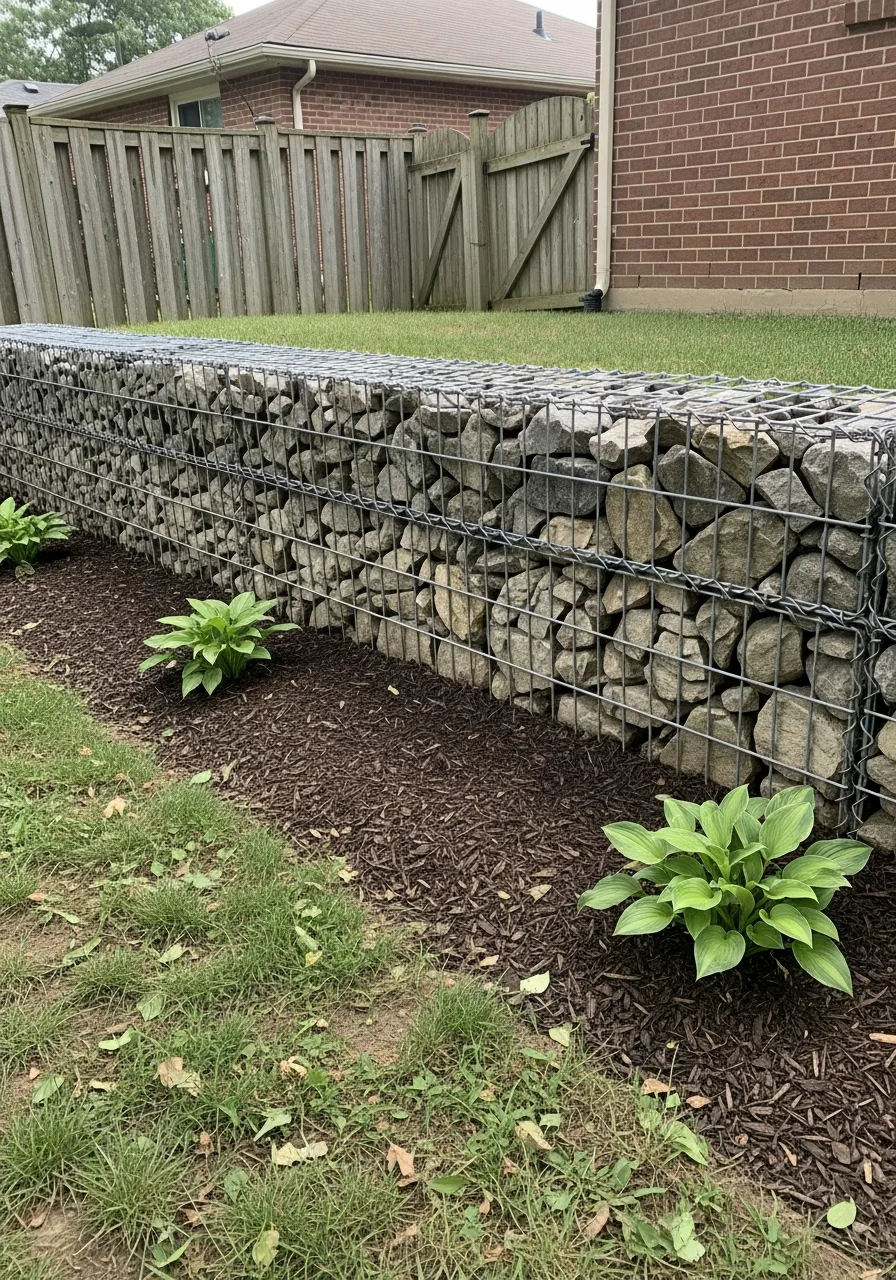
These are wire cages filled with rocks to create an industrial look. They provide incredible drainage because water flows freely through the large rock gaps. I always suggest these for areas that deal with heavy runoff.
- Buy galvanized steel cages
- Use pretty exterior stones
- Level the ground first
Pro Tip: Quick win: Line the back with heavy landscape fabric.
5. Brick Retaining Wall
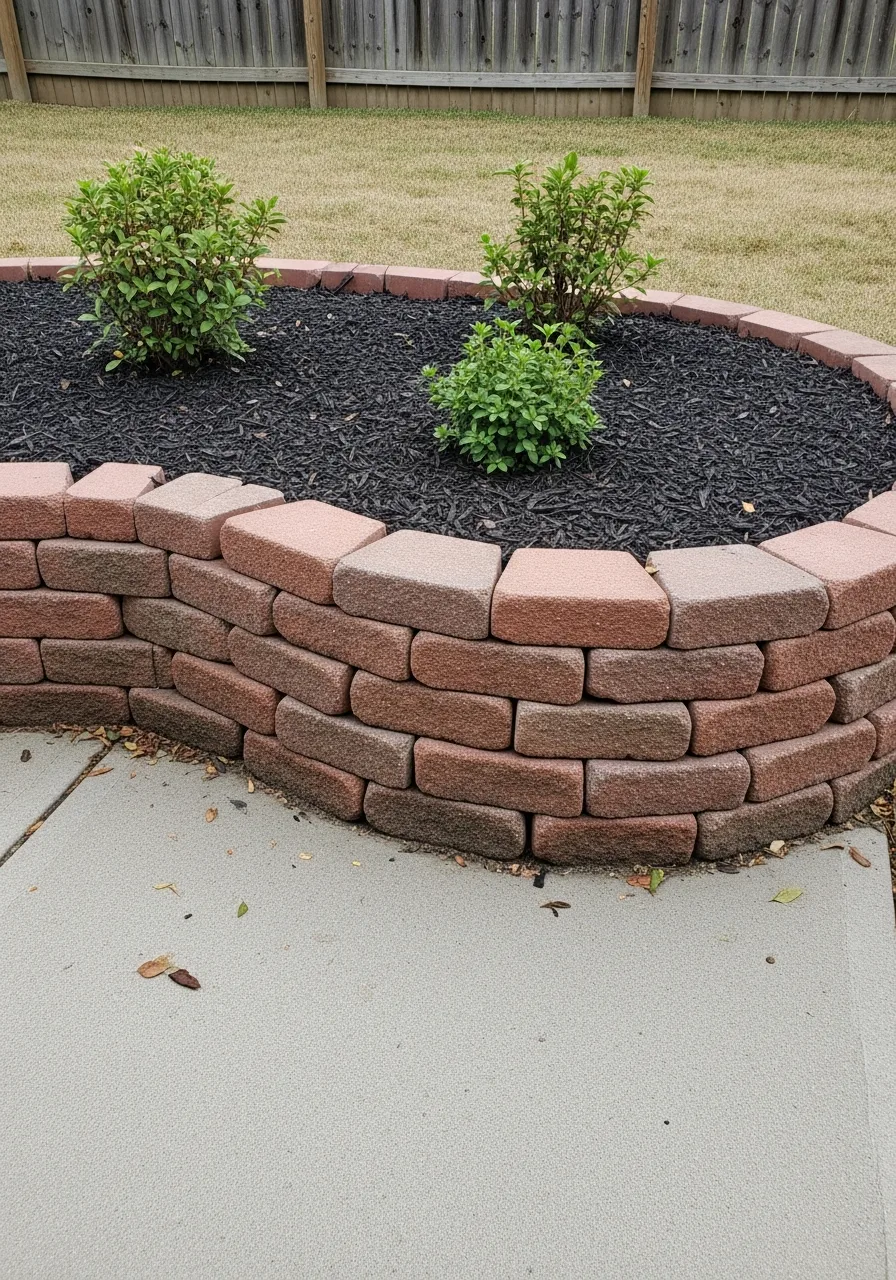
Brick offers a classic and structured look that fits formal garden designs. It is a durable material that adds a very polished finish to landscaping. Honestly, it looks best when it matches the brick on your home.
- Use high quality mortar
- Keep rows perfectly straight
- Clean bricks as you go
Pro Tip: Most people skip this: Install a gravel chimney behind the bricks.
6. Railroad Tie Retaining Wall
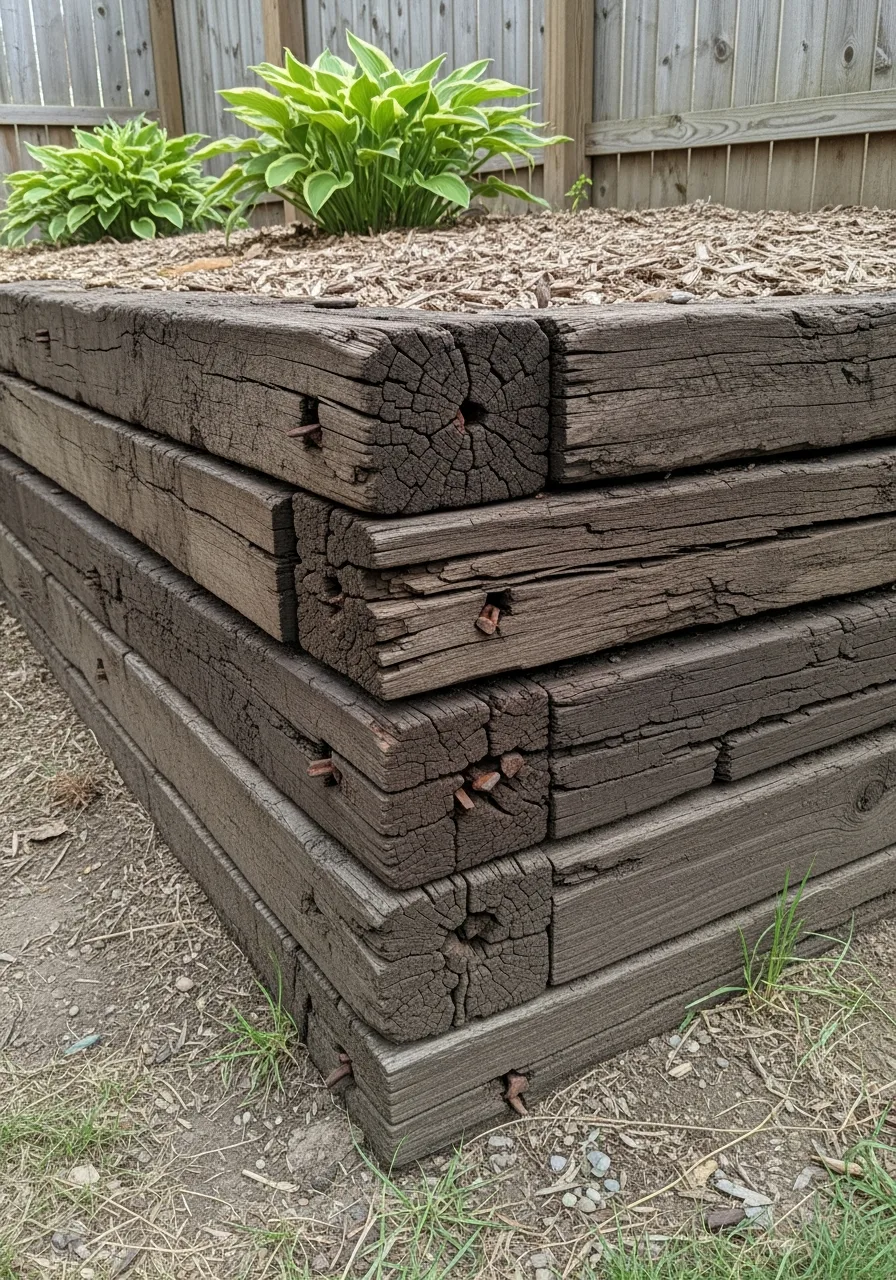
Reclaimed railroad ties offer a rugged and farmhouse style for your yard. They are very heavy and provide a lot of mass to hold soil. My take: verify that the wood is safe for garden use first.
- Drill holes for rebar
- Stagger the vertical joints
- Wear heavy work gloves
Pro Tip: Here’s what I do: Use long steel spikes to secure ties.
7. Boulder Retaining Wall
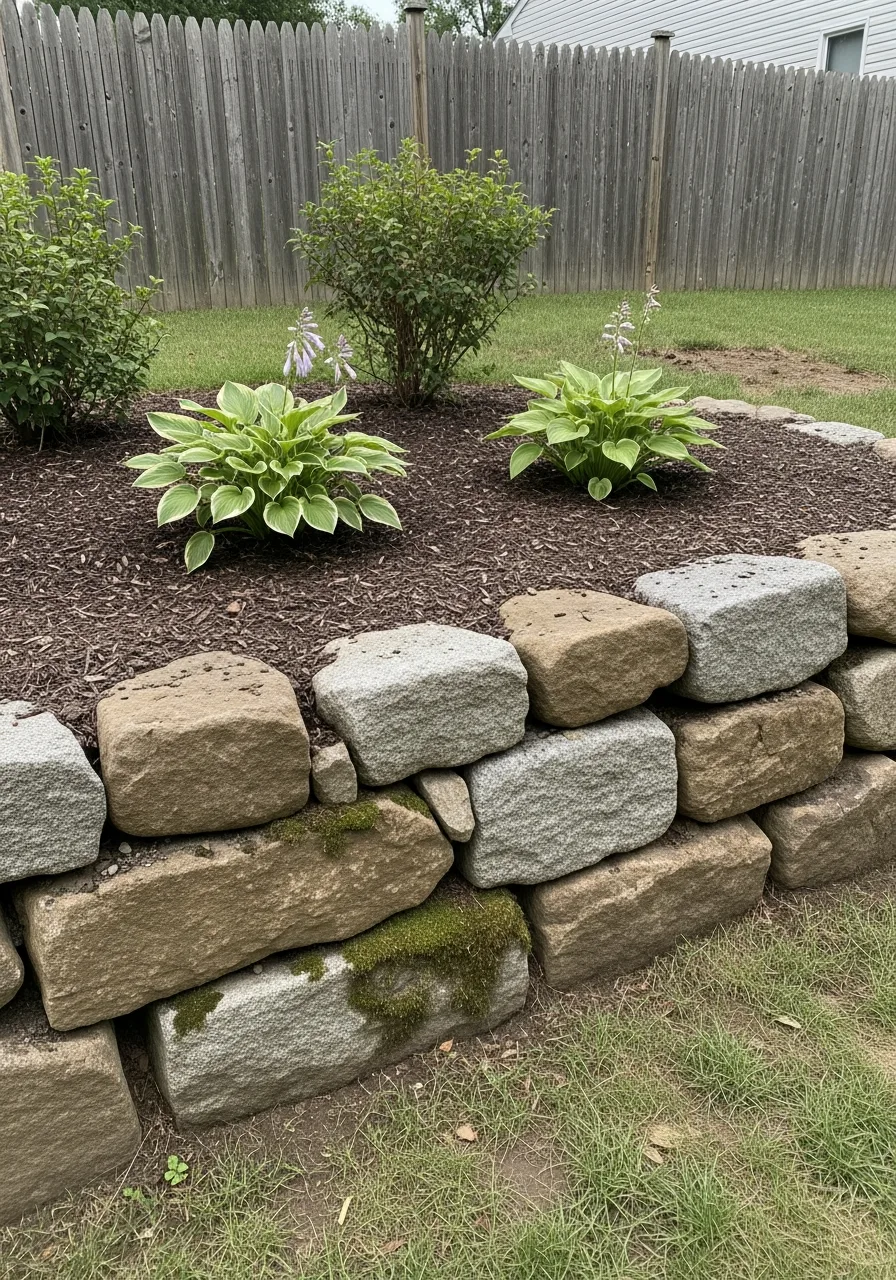
Using large boulders creates a natural and heavy-duty wall with minimal shaping. This design blends perfectly into mountain or woodland outdoor environments. I always love how these look when surrounded by native ferns.
- Place the largest boulders first
- Tilt stones toward the hill
- Fill gaps with smaller rocks
Pro Tip: Quick win: Use a pry bar to nudge heavy rocks.
8. Terraced Retaining Walls
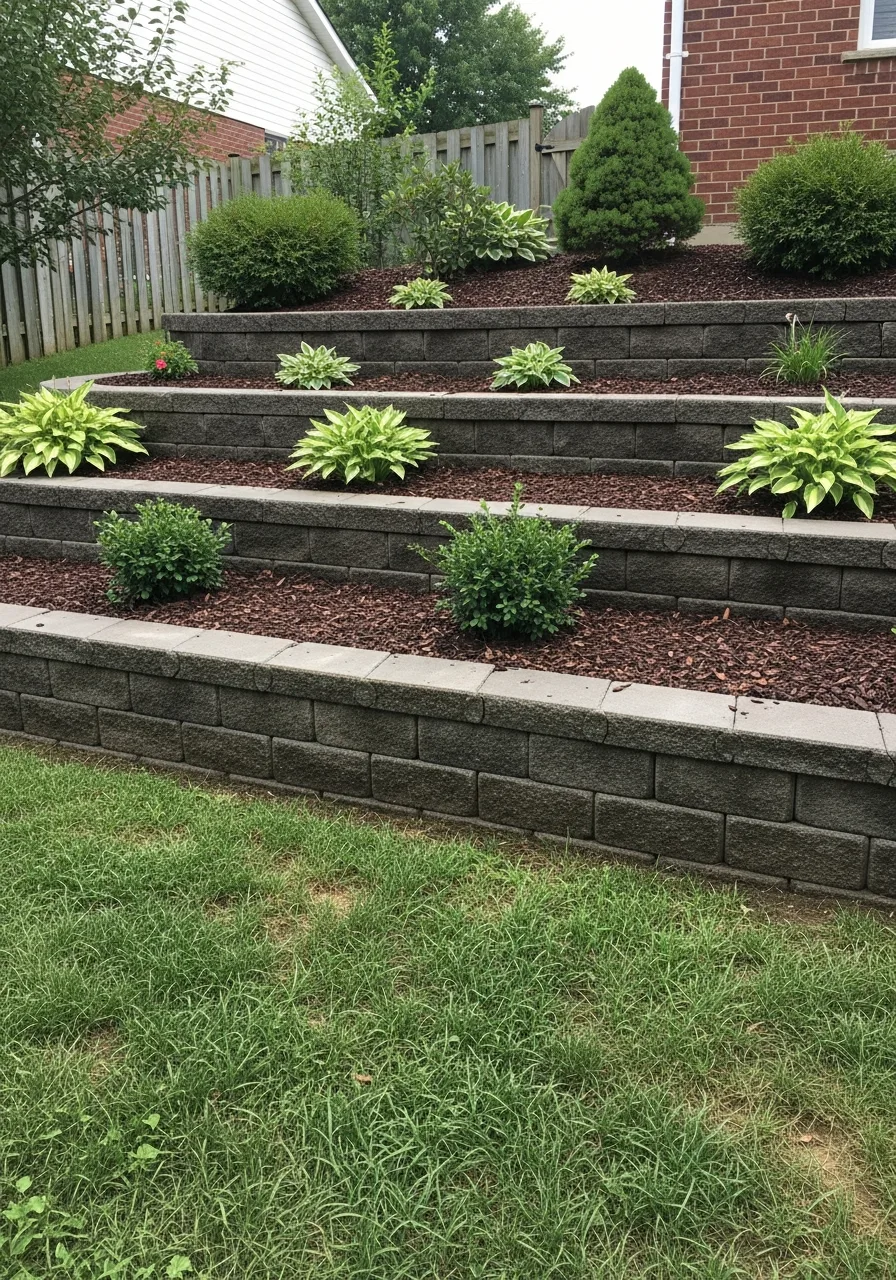
Breaking a steep slope into multiple levels makes the yard much safer. It creates several flat zones for gardening or sitting instead of one cliff. Honestly, this is the best way to handle a very high hill.
- Keep each wall short
- Space the walls apart
- Install drainage for each level
Pro Tip: Most people skip this: Leave room to walk between the tiers.
9. Retaining Wall With Built-In Steps
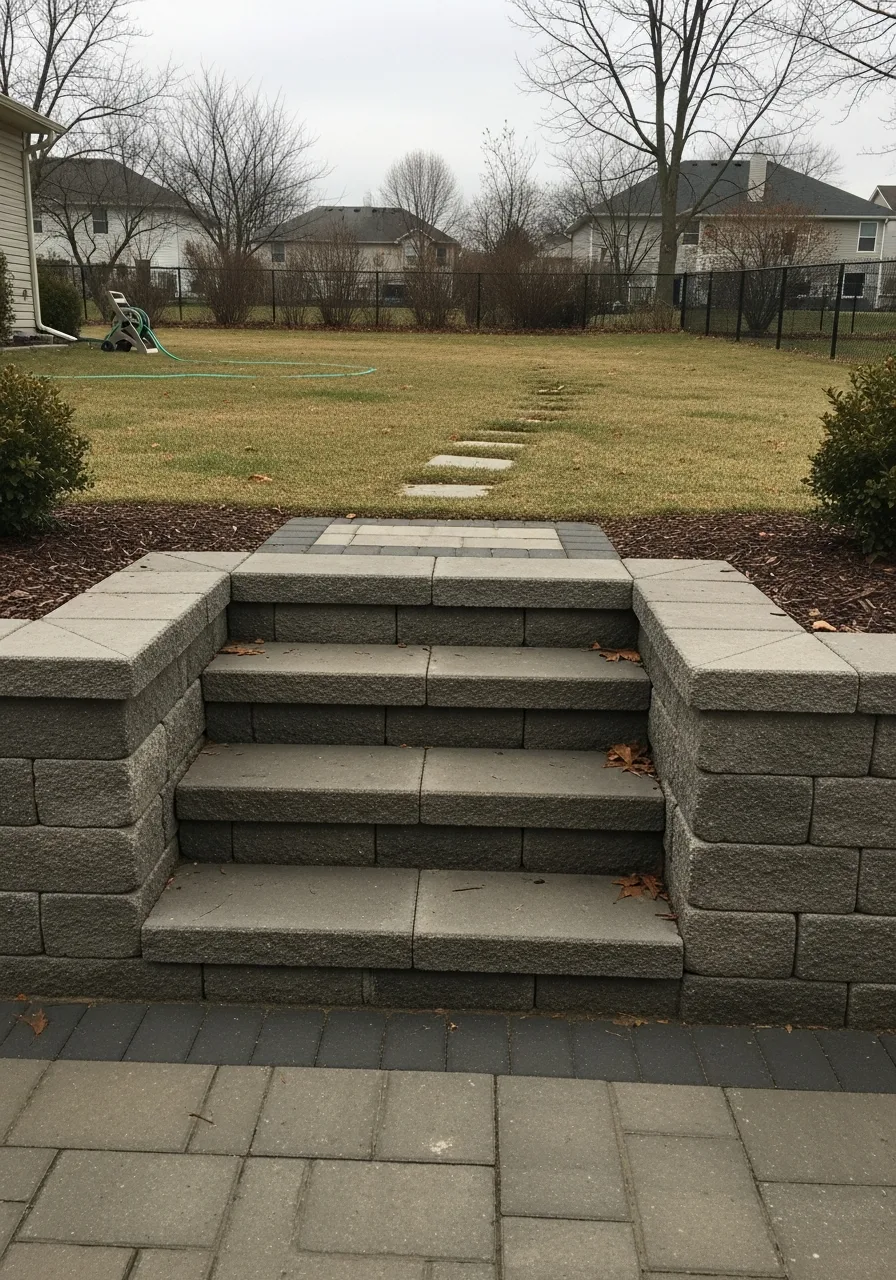
You can integrate stairs directly into the wall to move between levels easily. This creates a cohesive look that connects different parts of your landscape design. My take: make the steps wide so they feel more inviting.
- Match stone for the steps
- Ensure steps are level
- Add a non-slip texture
Pro Tip: Quick win: Use large flat flagstones for the stair treads.
10. Retaining Wall With Seating
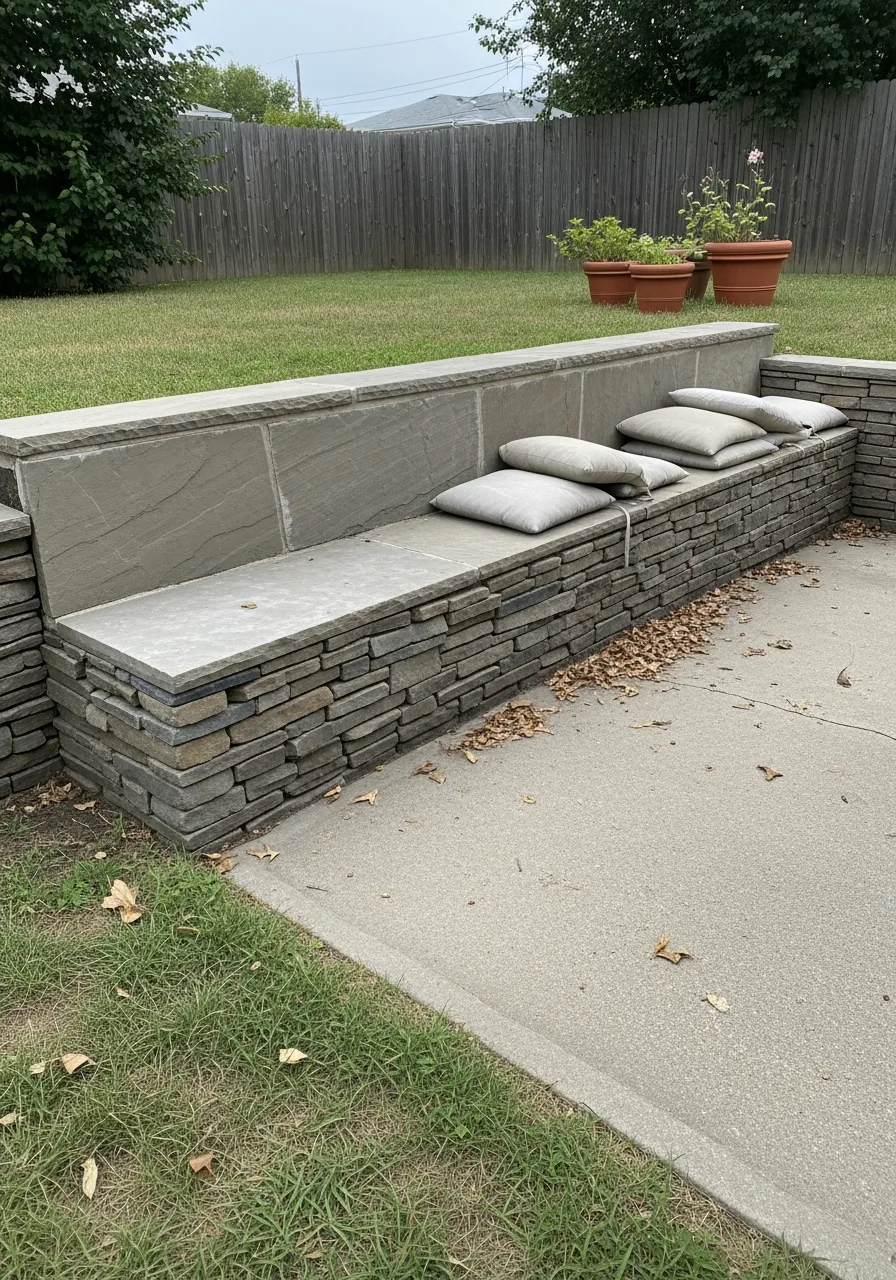
Design your wall at the right height to double as a bench. This is a smart way to add seating to patios without buying furniture. I always recommend a height of eighteen inches for maximum sitting comfort.
- Use smooth cap stones
- Keep the surface flat
- Clear away any debris
Pro Tip: Quick win: Add outdoor cushions to make it cozy.
11. Retaining Wall With Planters
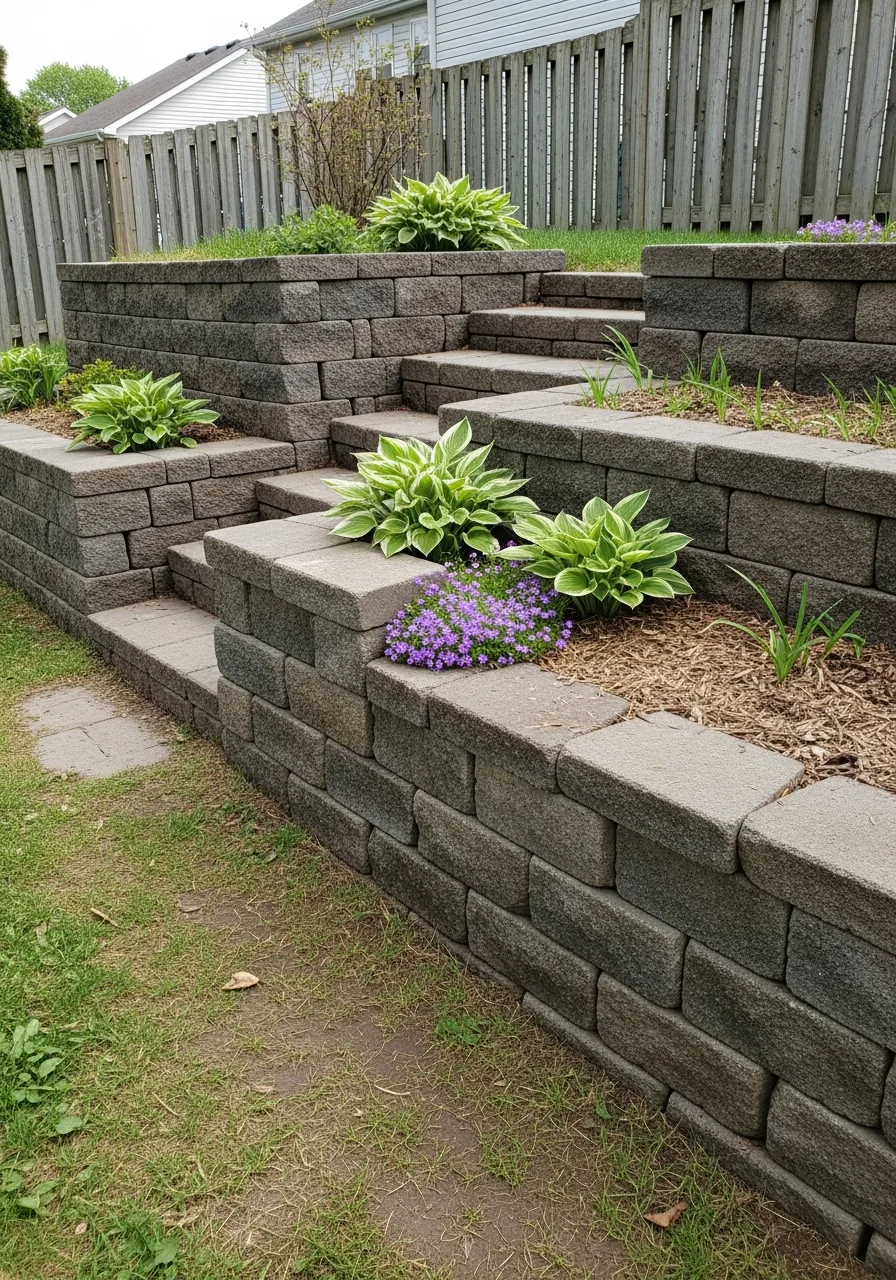
Incorporate open planting spaces inside the wall structure to add pops of green. This softens the look of hard stone and makes the wall feel alive. Honestly, this is my favorite way to hide a tall wall.
- Use good potting soil
- Choose plants that drape
- Ensure the planters drain
Pro Tip: Here’s what I do: Install a simple drip irrigation line.
12. Curved Retaining Wall Design
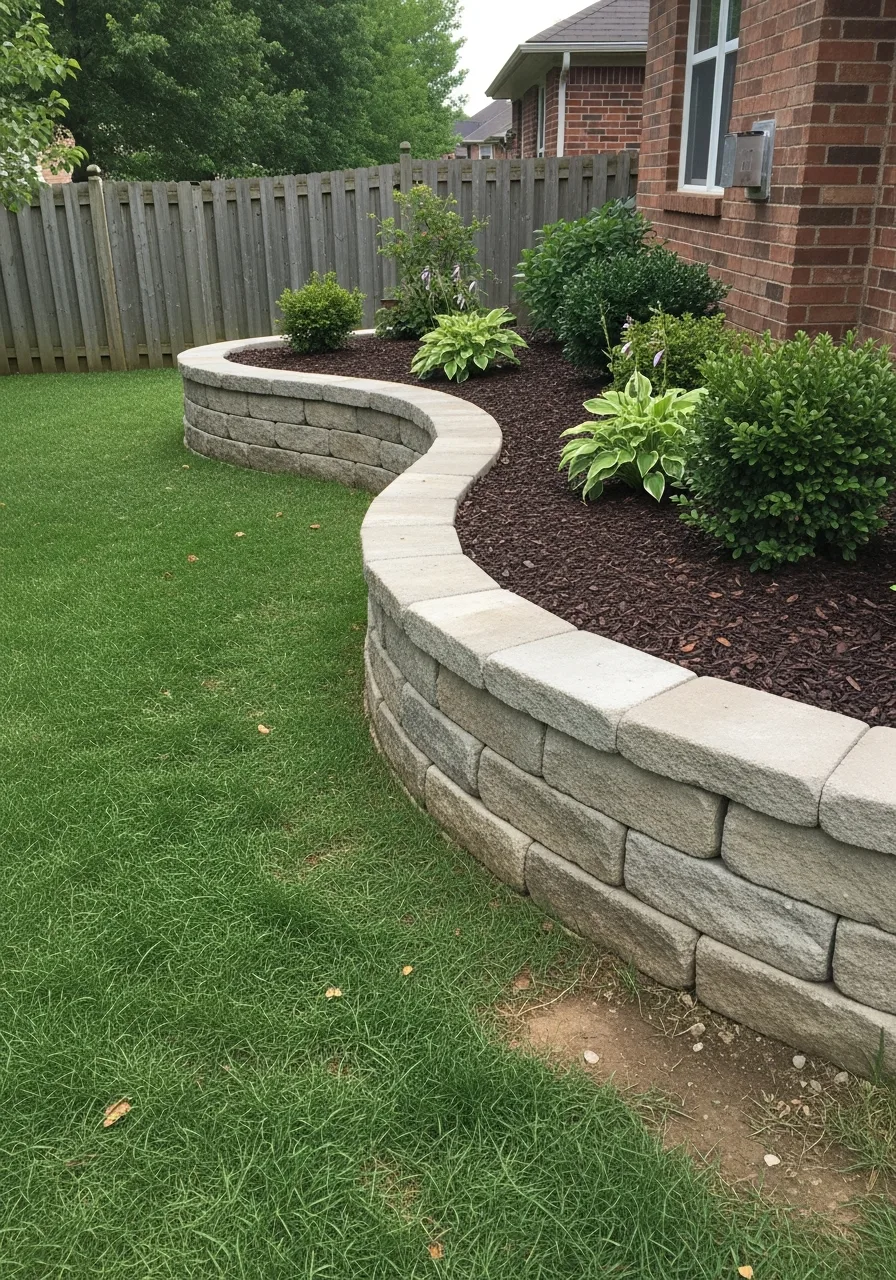
Using curved lines instead of straight edges looks much more natural in a yard. Curves help the wall flow around trees or existing garden features seamlessly. My take: curves are actually easier to build with small blocks.
- Mark curves with a hose
- Check the radius twice
- Cut blocks where needed
Pro Tip: Quick win: Use a flexible garden hose to layout curves.
13. Tiered Garden Retaining Wall
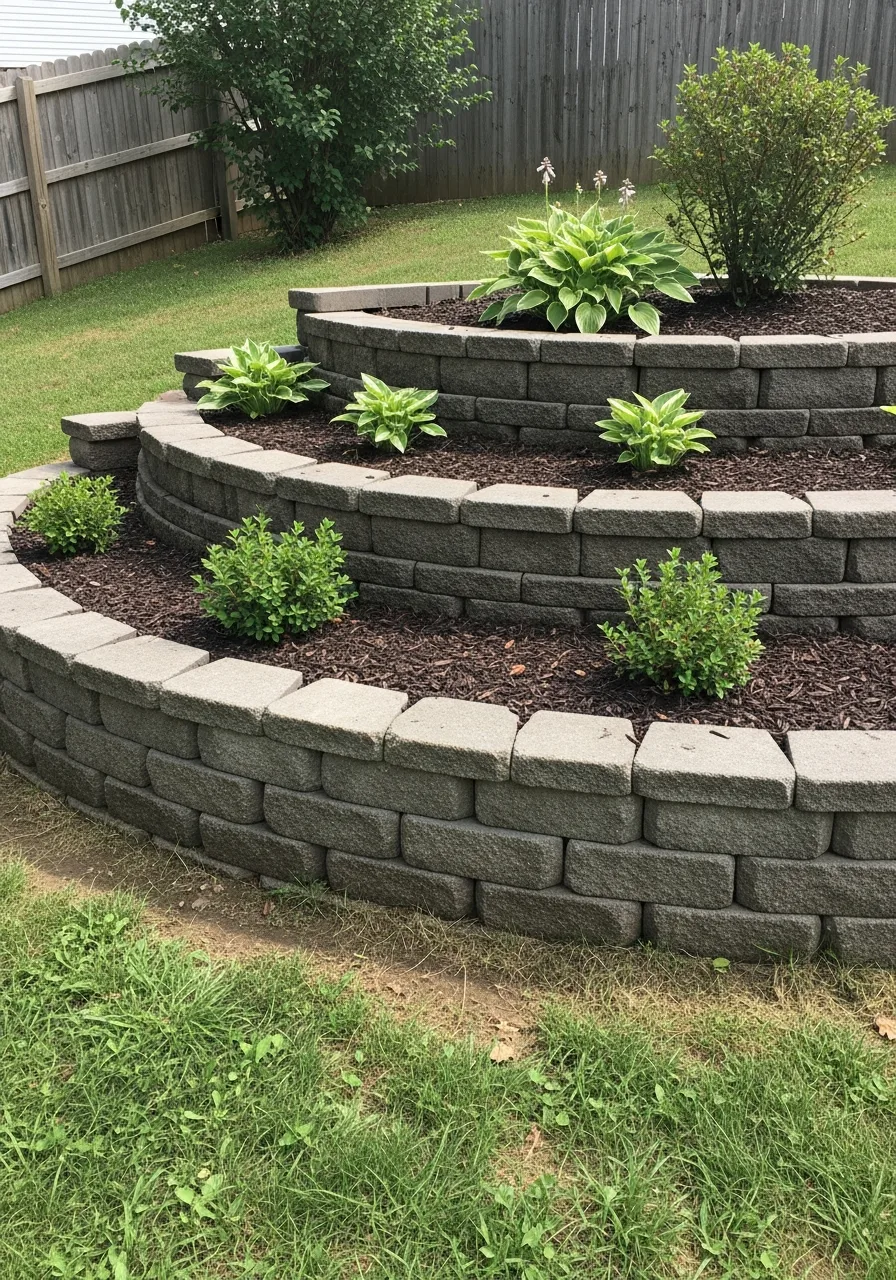
Multiple low walls create layered garden beds that are easy to reach. This setup is perfect for growing vegetables or a variety of colorful flowers. I always suggest this for people who love to spend time gardening.
- Vary the plant heights
- Use nutrient rich soil
- Label your plant types
Pro Tip: Most people skip this: Plan for access paths between tiers.
14. Steel Retaining Wall
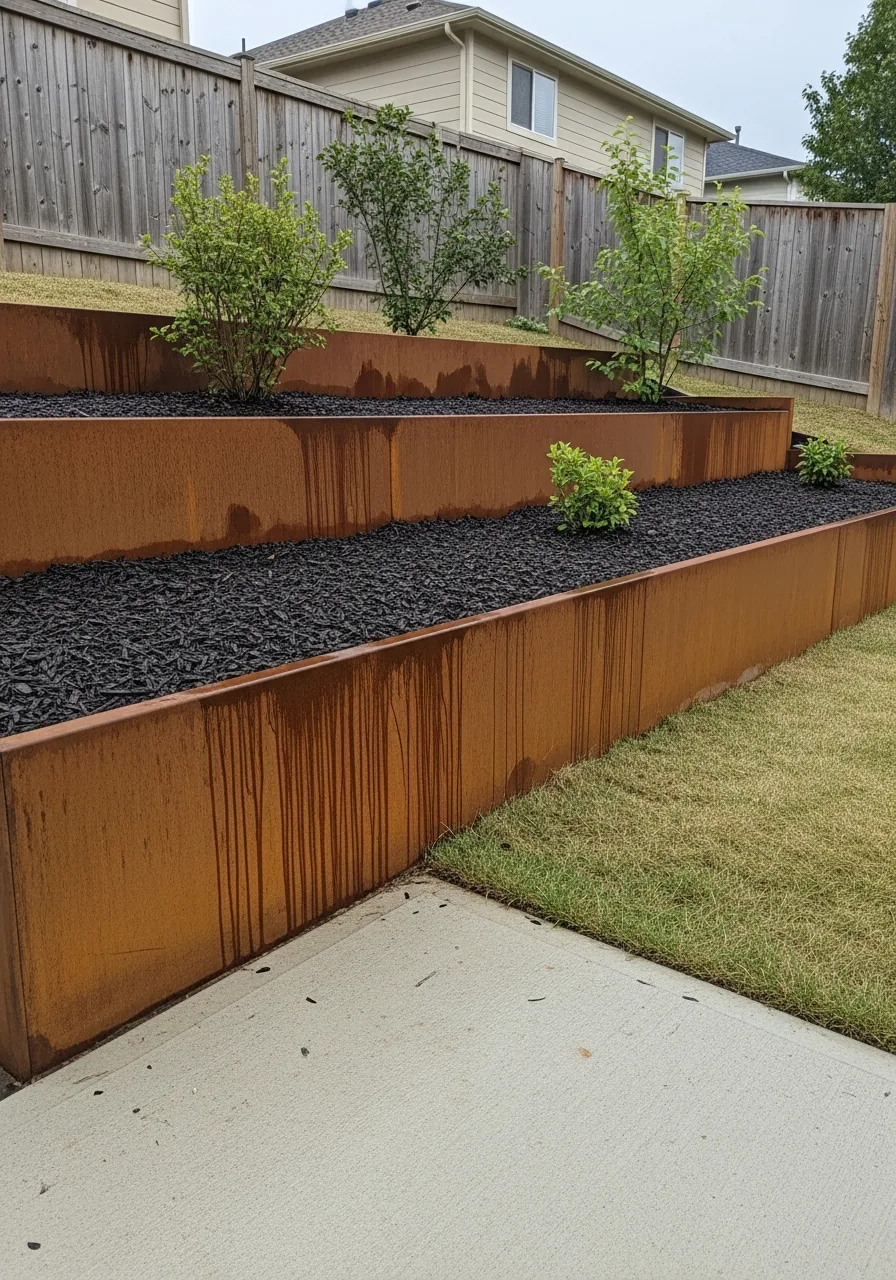
Corten steel panels create a sleek and industrial look that develops a patina. The rusty orange color looks amazing against green grass and dark mulch. I always love how thin these walls are for tight spaces.
- Use thick steel plates
- Weld the joints securely
- Anchor deeply into ground
Pro Tip: Quick win: Spray with water to speed up rusting.
15. Mixed Material Retaining Wall
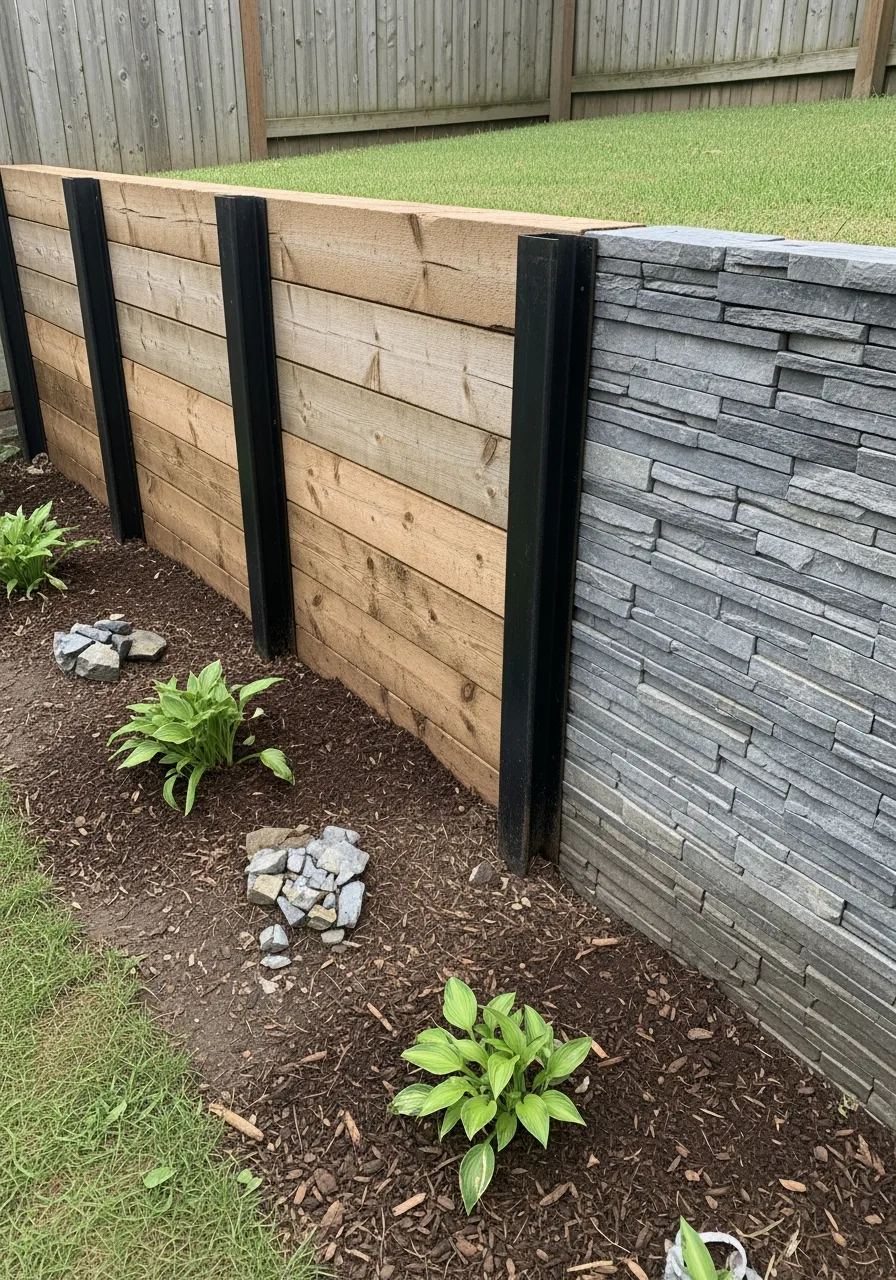
Combining materials like wood and stone creates a custom and high-end designer look. It allows you to use cheaper materials for structure and expensive ones for accents. Honestly, this is the best way to save money.
- Pick contrasting colors
- Ensure materials connect well
- Keep the design simple
Pro Tip: Most people skip this: Keep the base material consistent throughout.
16. Minimalist Retaining Wall
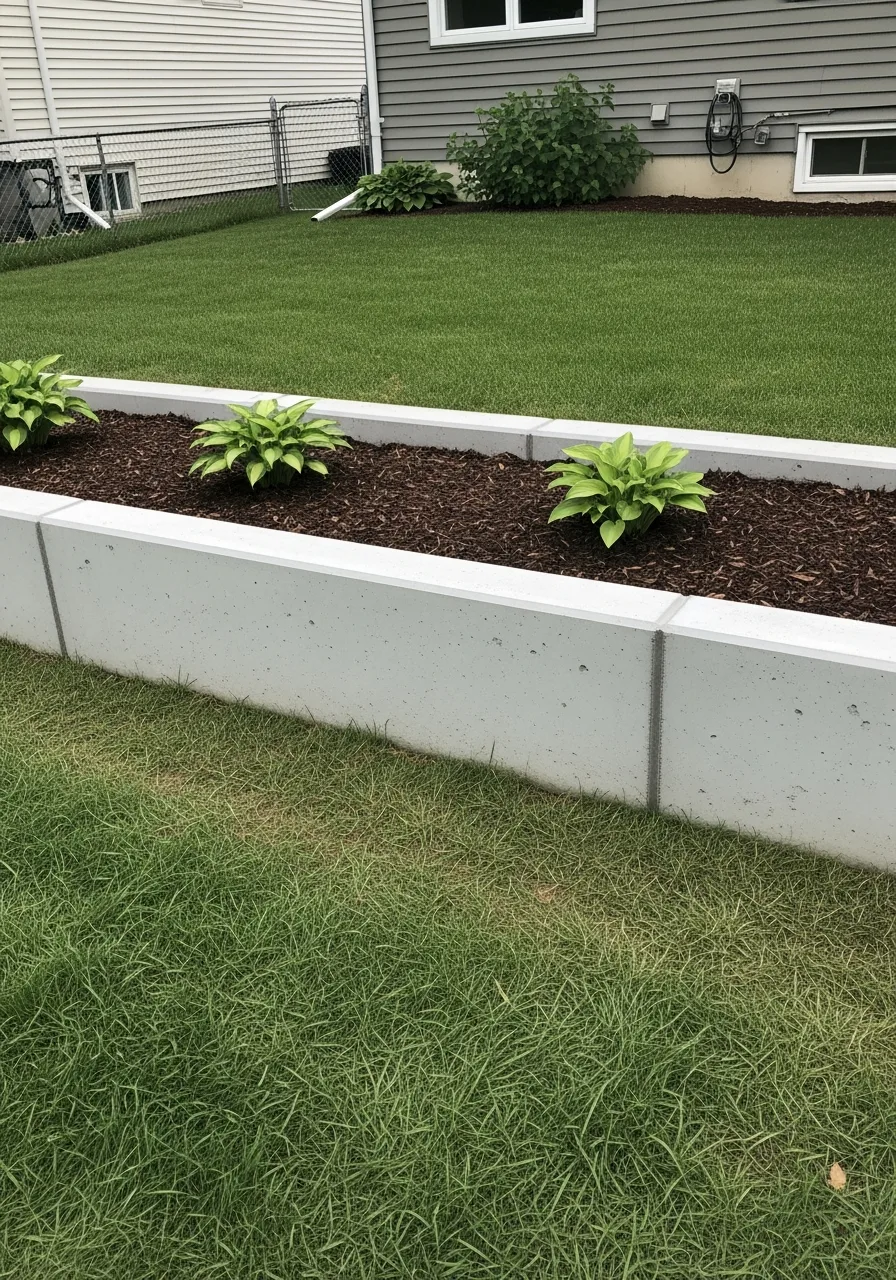
Keep the design simple with straight lines and very neutral tones. This style avoids clutter and makes the rest of your landscaping really stand out. My take: less is almost always more in a modern yard.
- Hide all the fasteners
- Use uniform block sizes
- Stick to one color
Pro Tip: Quick win: Use dark gravel for a clean border.
17. Retaining Wall Water Feature
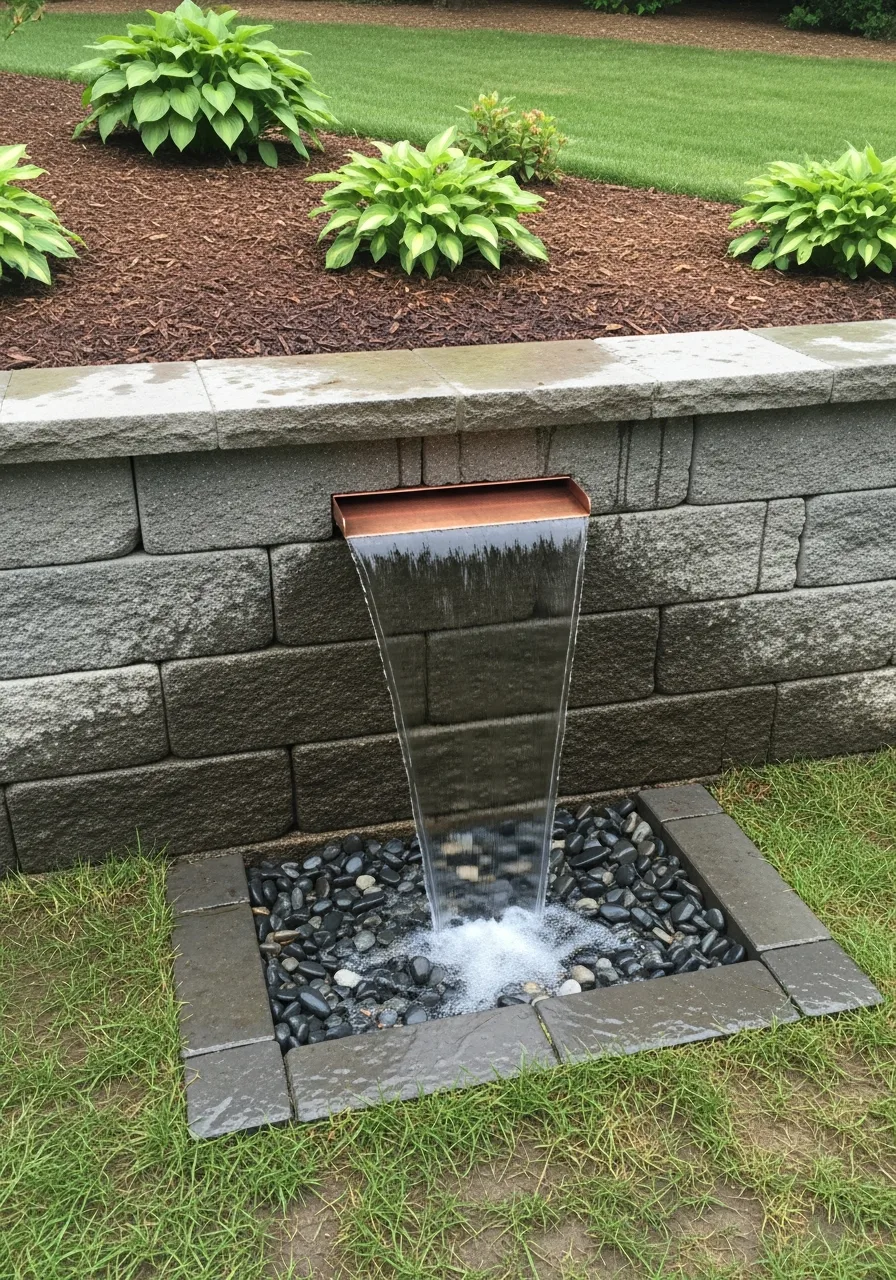
You can build a waterfall or a small channel directly into the wall. The sound of moving water creates a very relaxing atmosphere in your backyard. I always suggest this for people who want a luxury feel.
- Install a reliable pump
- Seal the water basin
- Use flat spillway stones
Pro Tip: Quick win: Use a pre-made waterfall spillway kit.
18. Retaining Wall With Lighting
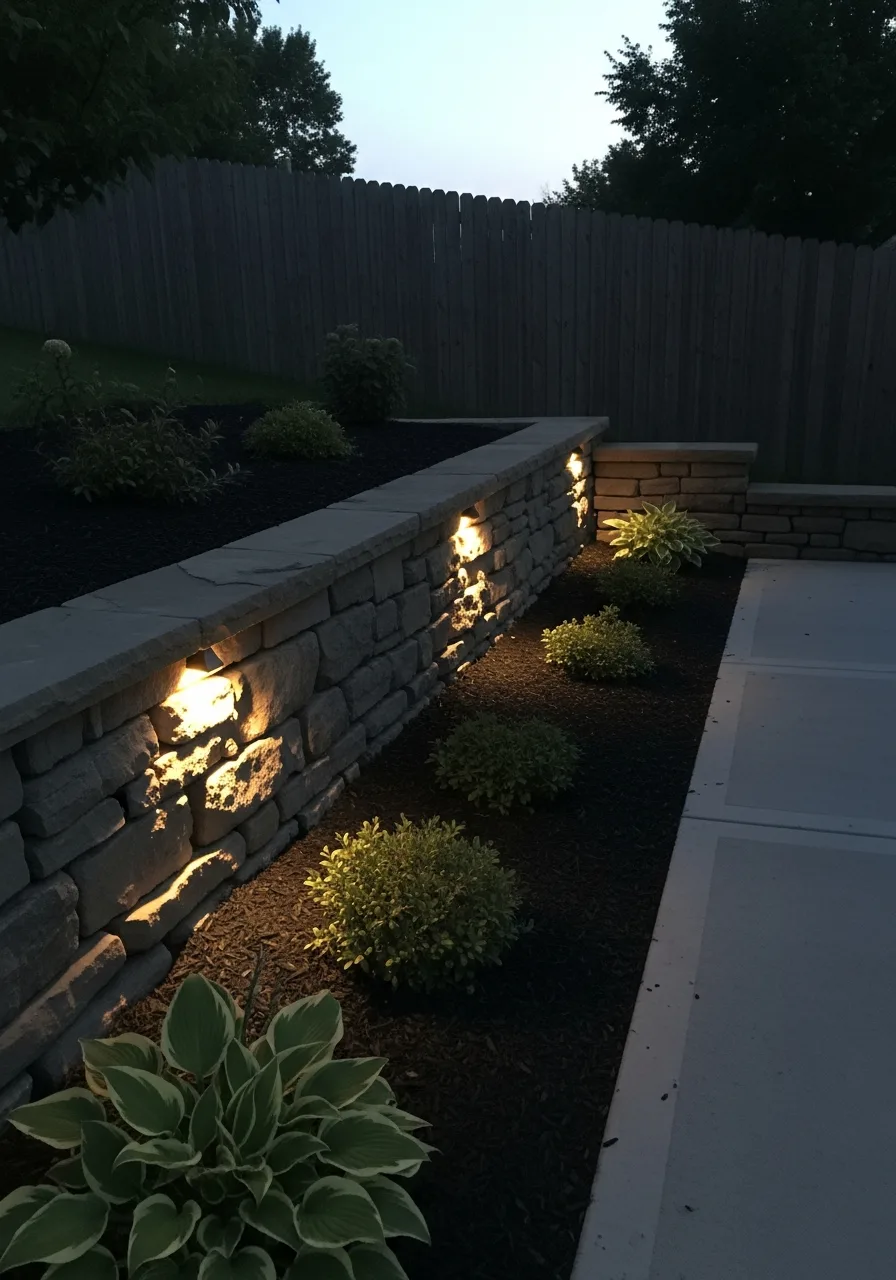
Add built-in LED lights under the capstones to highlight the wall at night. This makes the yard safer to walk in and looks incredible for parties. My take: warm white lights always look better than cool white.
- Hide all the wiring
- Use low voltage kits
- Space lights every four feet
Pro Tip: Quick win: Use solar-powered lights to avoid wiring.
19. Retaining Wall Cascading Plants
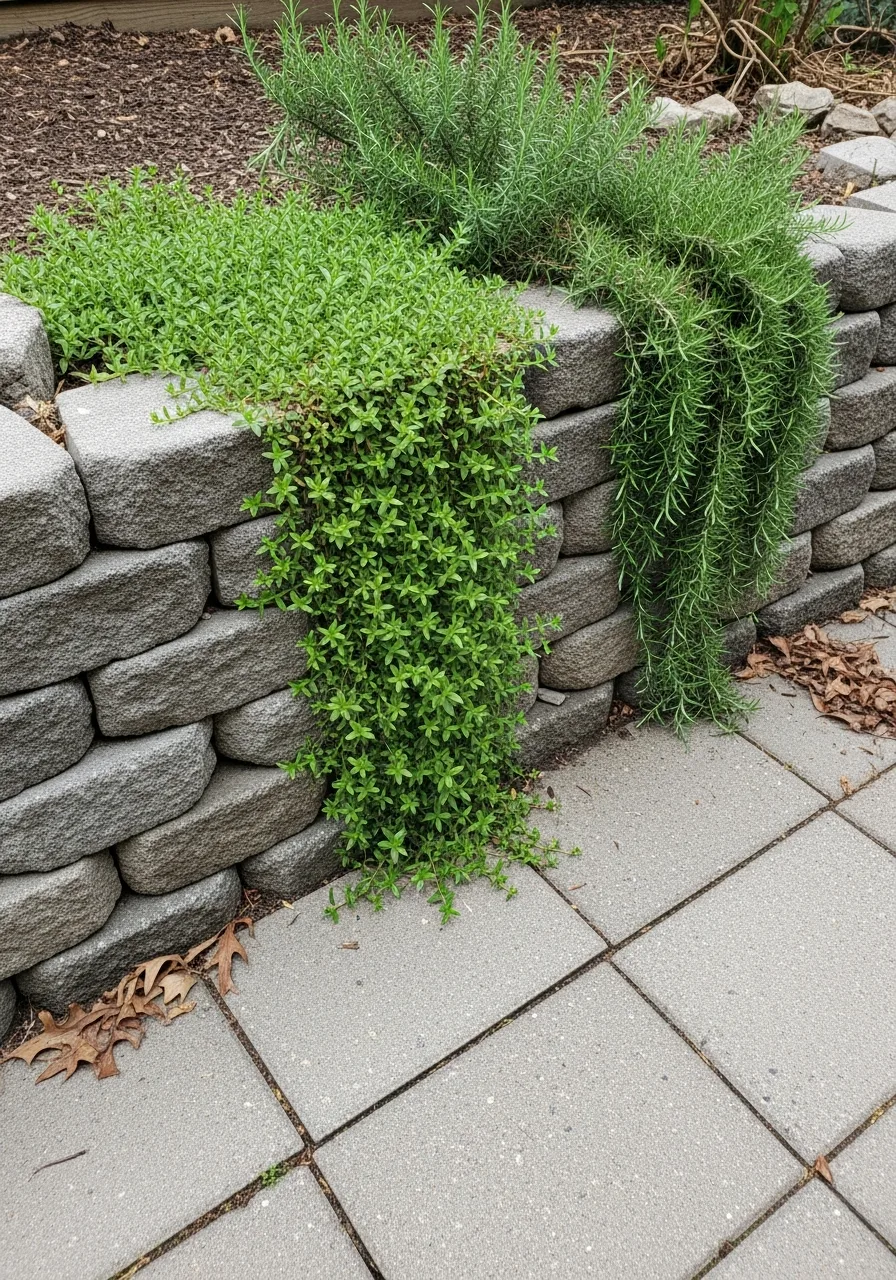
Plant trailing greenery at the top of the wall so it spills over. This softens the hard edges of the stone and adds a lot of movement. I always recommend creeping phlox for a big burst of color.
- Plant near the edge
- Mulch the top well
- Trim the long vines
Pro Tip: Quick win: Use rosemary for a wall that smells great.
20. Painted Retaining Wall
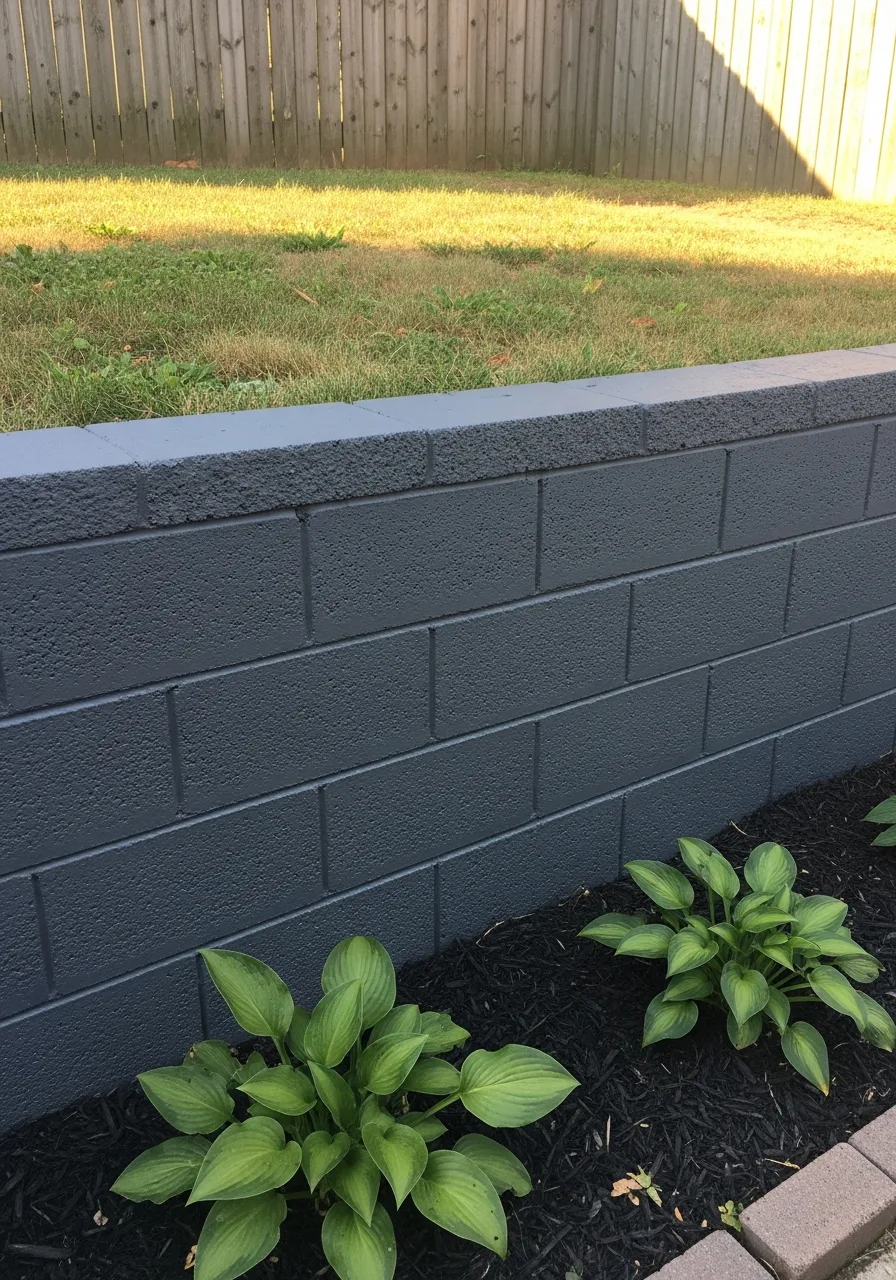
A fresh coat of paint can transform a boring concrete wall into a focal point. You can match your house trim or even paint a fun mural. My take: use a high-quality masonry paint so it does not peel.
- Clean the wall first
- Use a primer coat
- Apply two finish coats
Pro Tip: Here’s what I do: Use a thick roller for texture.
21. Retaining Wall Fire Pit
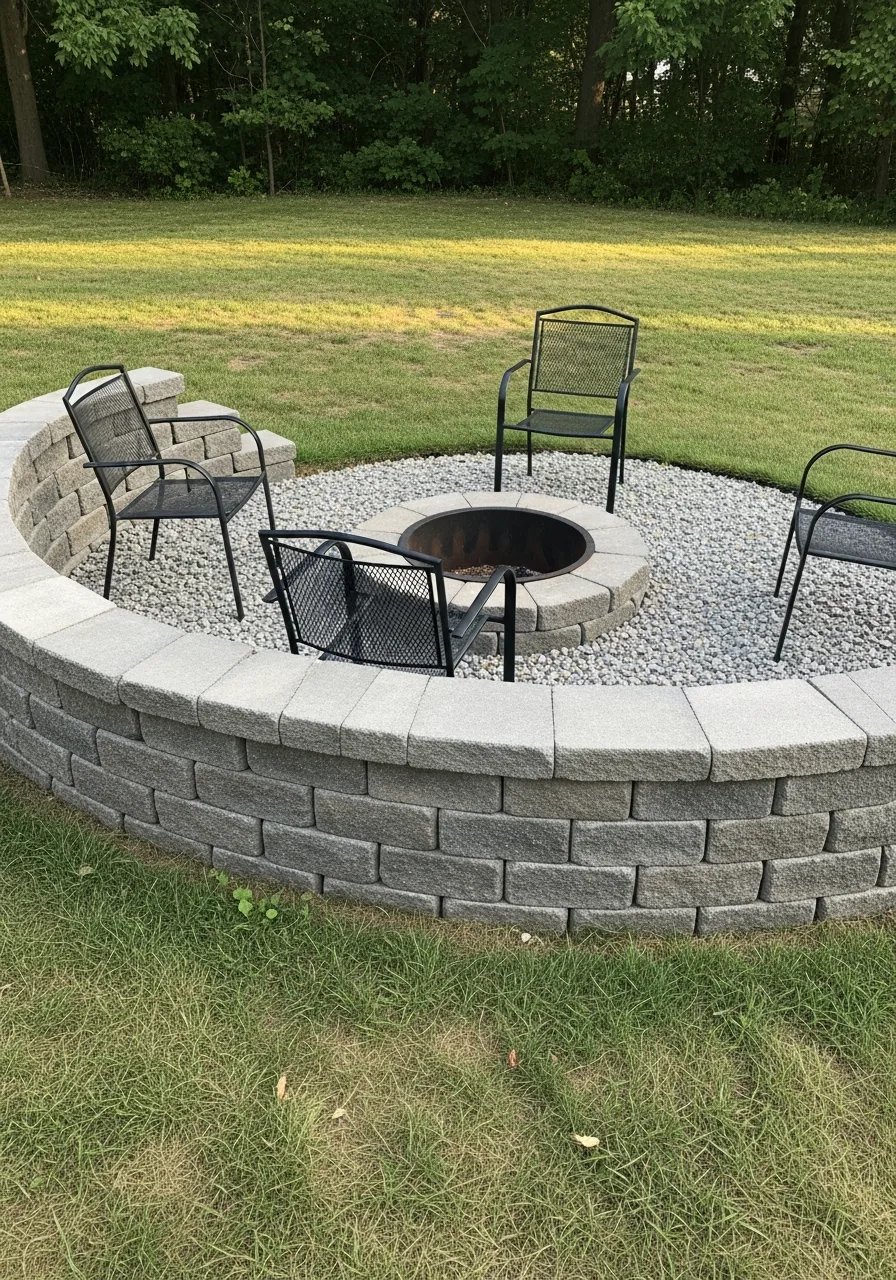
The wall can act as a built-in backrest or windbreak for a fire pit. This creates a cozy and defined zone for roasting marshmallows with friends. Honestly, this is the smartest way to use a corner of the yard.
- Keep wall three feet back
- Use fire safe materials
- Clear away low branches
Pro Tip: Quick win: Buy a smokeless fire pit insert.
22. Raised Patio Retaining Wall
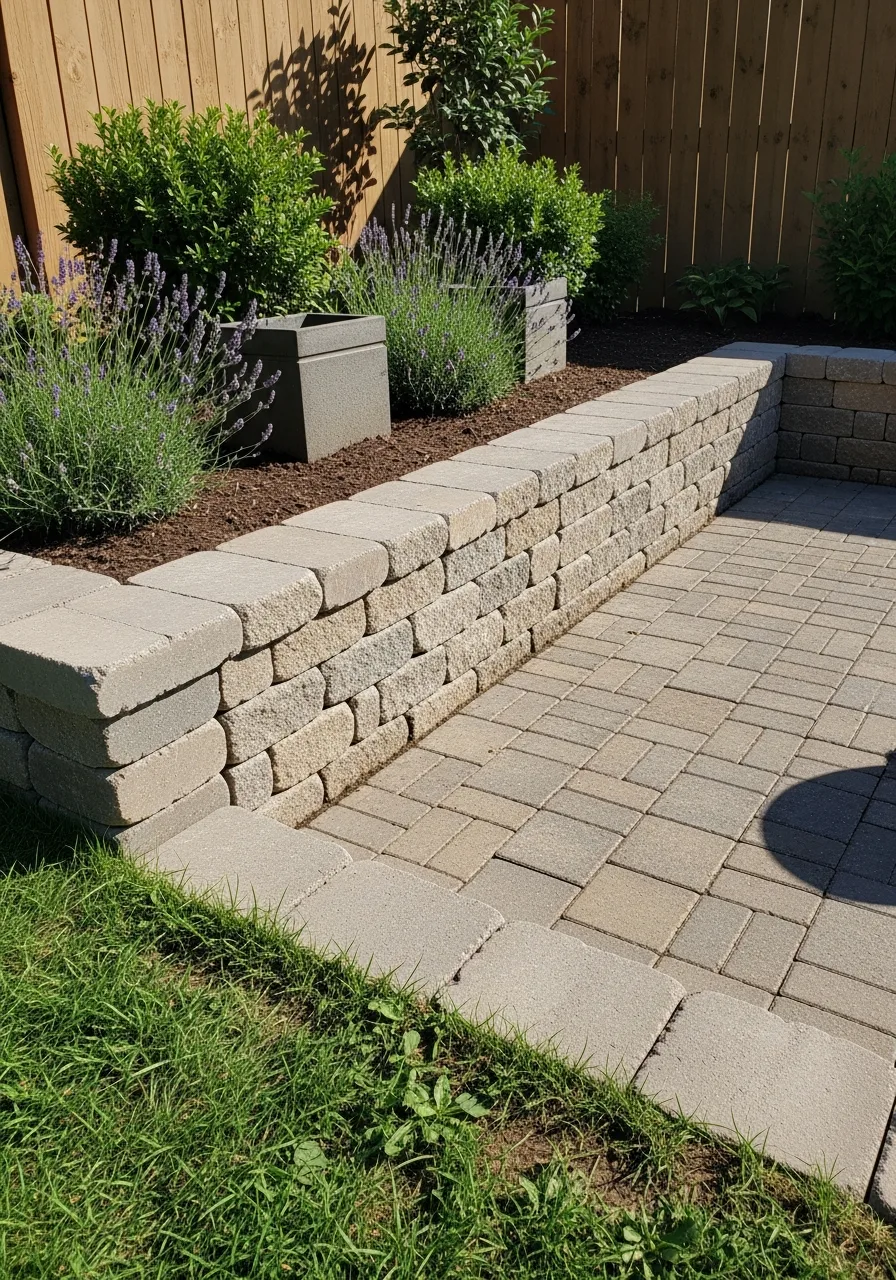
Use a wall to support an elevated patio area for dining or lounging. This clearly separates your living space from the rest of the garden. I always love how a raised patio makes a yard feel organized.
- Compact the patio base
- Ensure a slight slope
- Use matching patio pavers
Pro Tip: Most people skip this: Install a railing for safety.
23. Driveway Retaining Wall
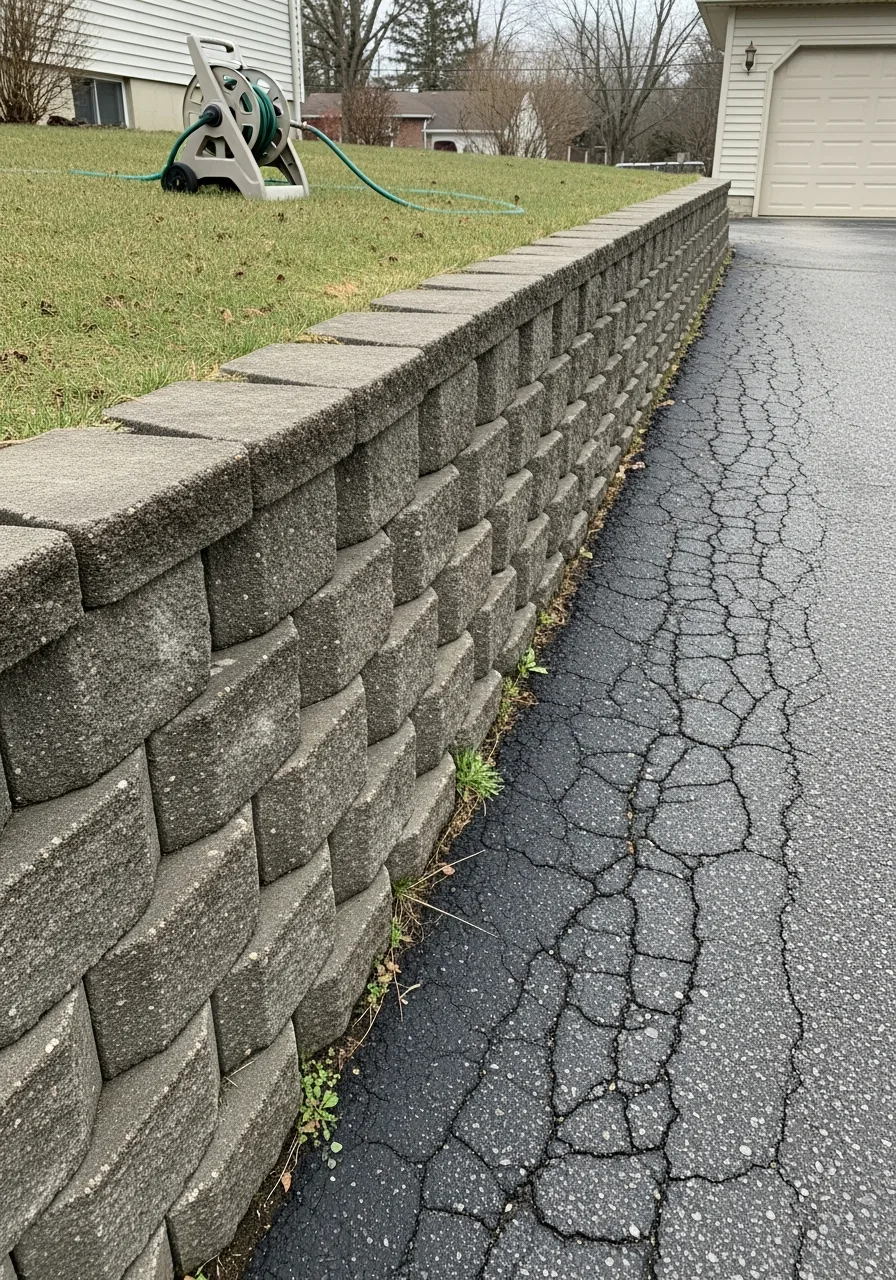
Installing a wall along a driveway prevents soil from washing onto the pavement. It also adds a lot of curb appeal to the front of your home. My take: use a wall that can handle some salt in winter.
- Set the wall back
- Use very durable stone
- Add reflective markers
Pro Tip: Quick win: Add low shrubs behind the wall.
24. Front Yard Retaining Wall
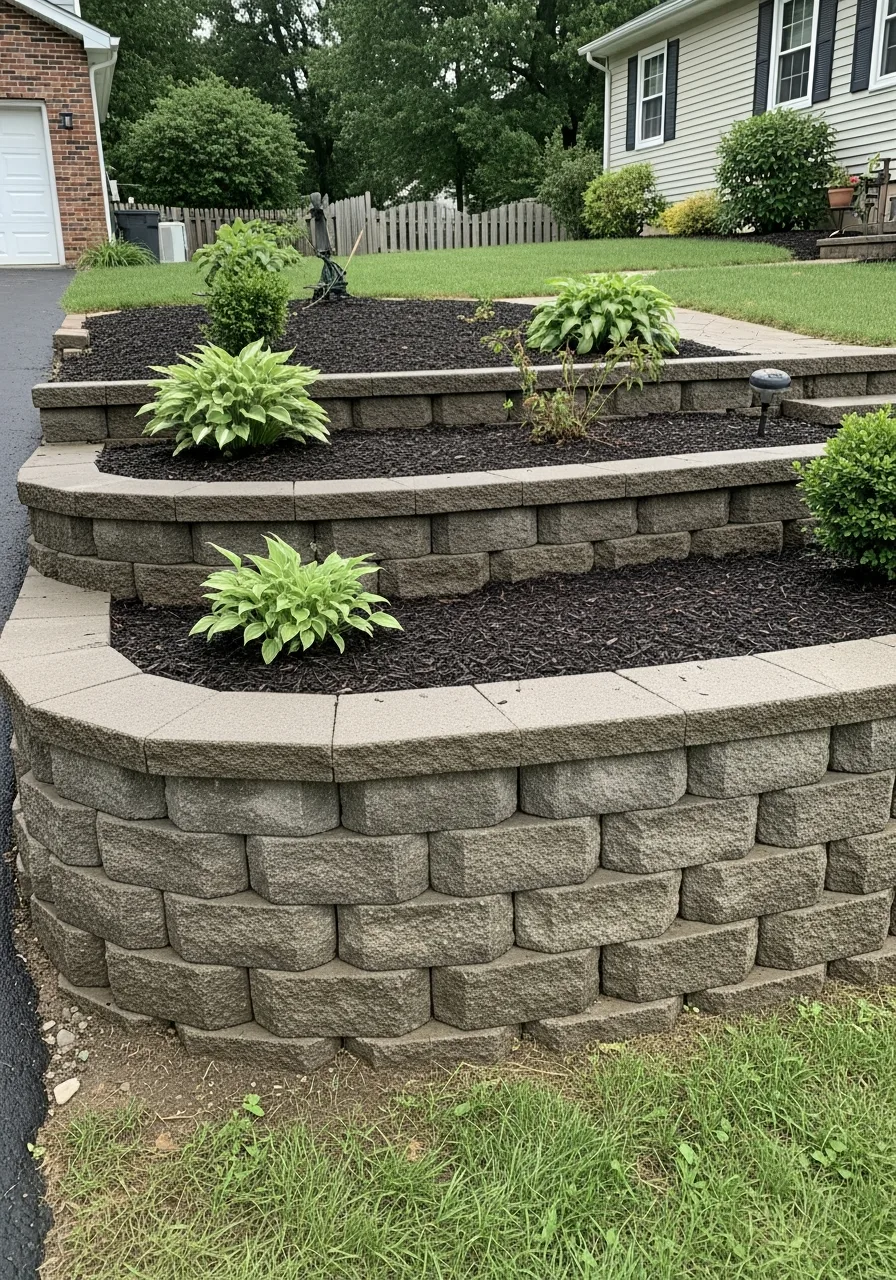
A low wall in the front yard adds structure and improves your home’s appearance. It is a great way to create a flat area for flower beds near the sidewalk. I always suggest keeping these under two feet high.
- Match the home style
- Keep it perfectly level
- Plant colorful annuals
Pro Tip: Quick win: Add a house number plaque to the wall.
25. Garden Bed Retaining Wall
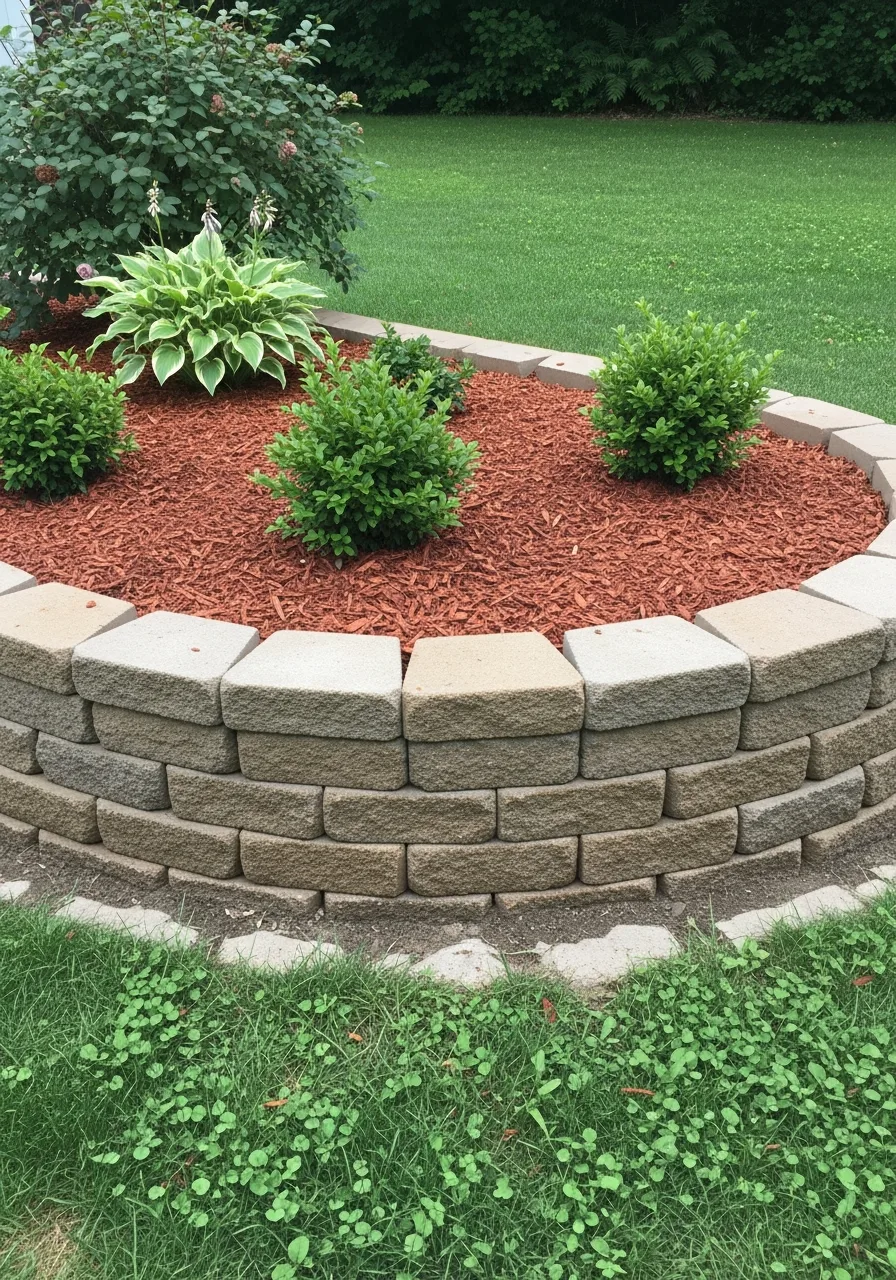
Use short walls to create raised garden beds for your favorite vegetables. This improves drainage and keeps the soil warmer for a longer growing season. Honestly, your back will thank you for the extra height.
- Use untreated cedar wood
- Fill with organic compost
- Add a wire mesh
Pro Tip: Here’s what I do: Line the bottom with cardboard.
26. Rustic Rock With Moss
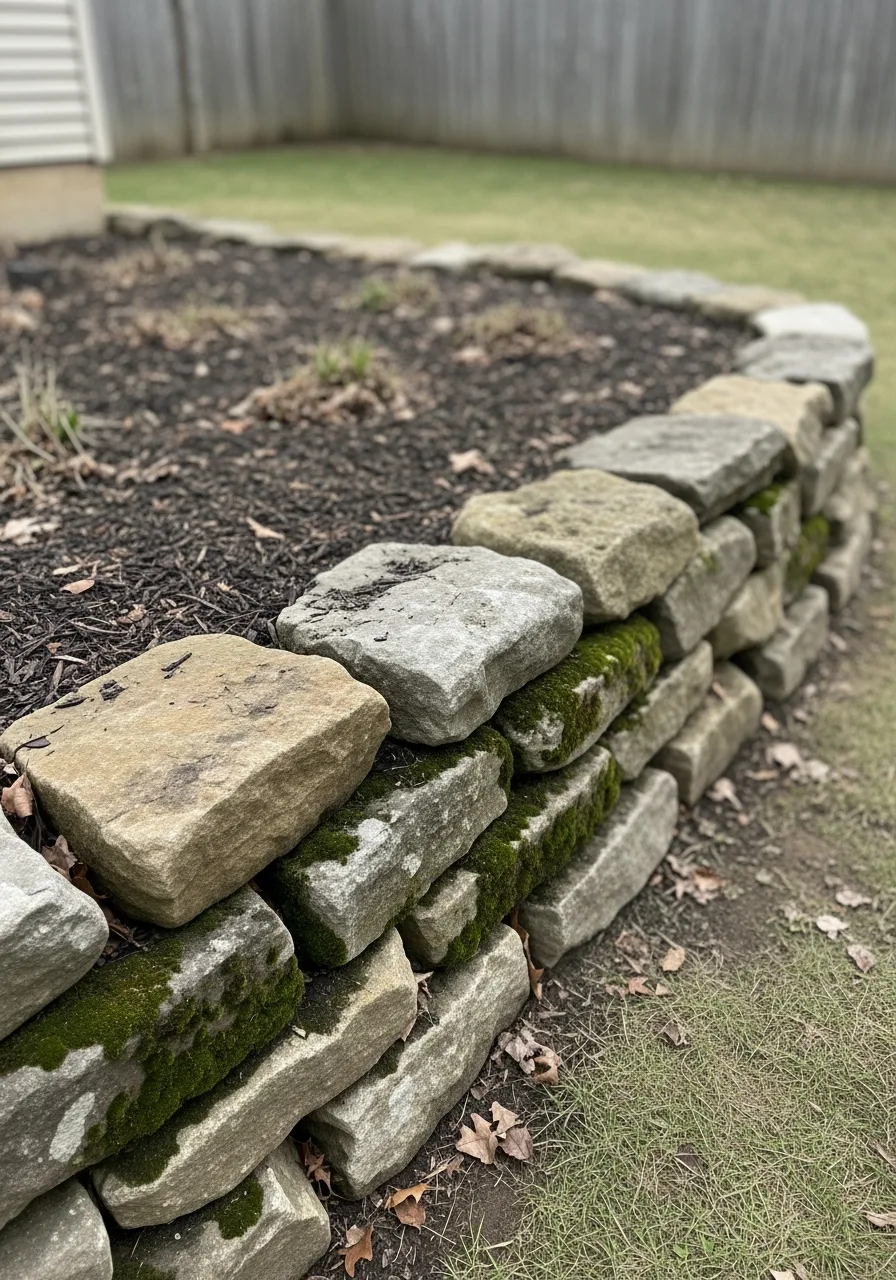
Encouraging moss to grow on your stone wall gives it an ancient look. This is perfect for shaded yards that want a magical or forest feel. My take: you can actually buy moss spores to speed this up.
- Keep the wall damp
- Avoid direct afternoon sun
- Use rough textured stones
Pro Tip: Quick win: Paint a yogurt and moss mix on rocks.
27. Flagstone Retaining Wall
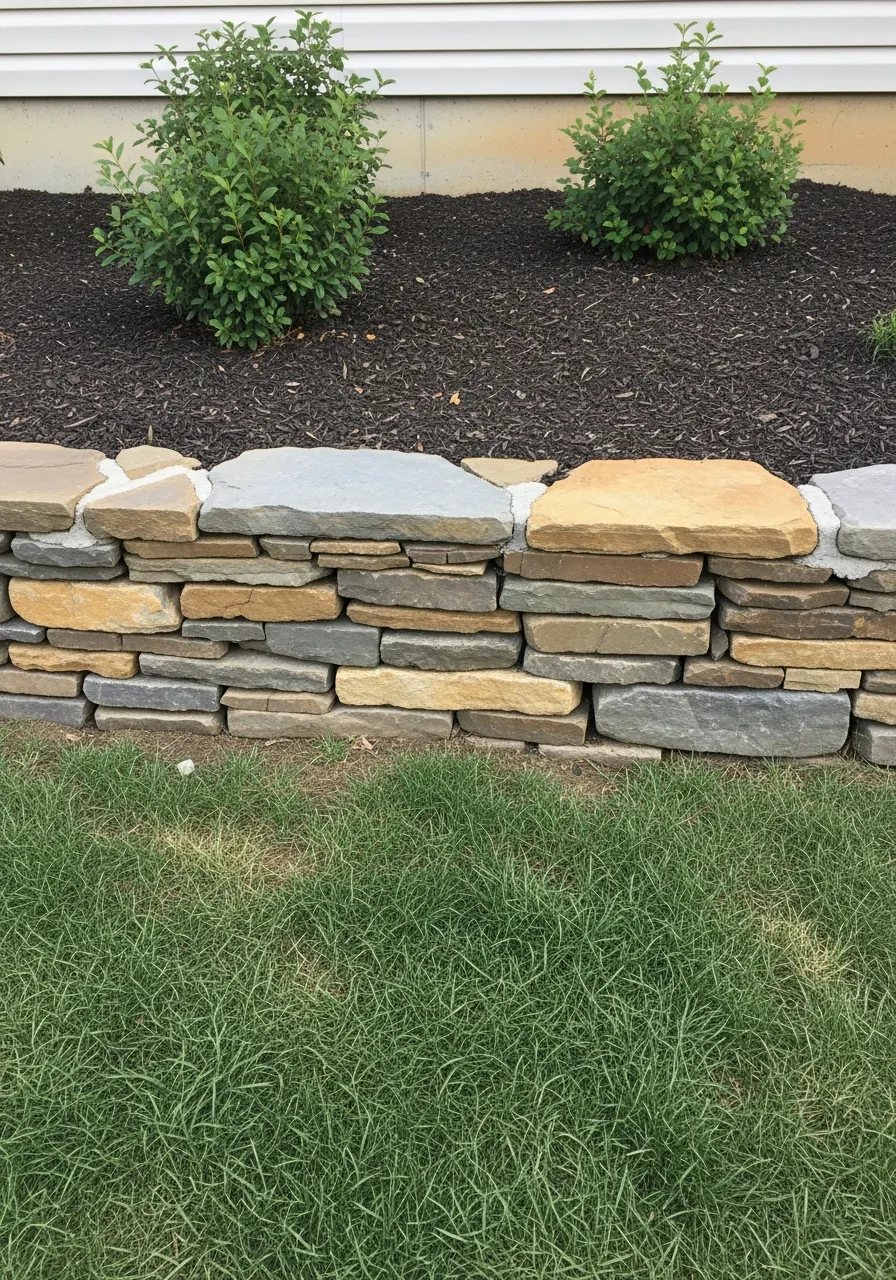
Flat flagstones stacked together create a refined but very natural look. The horizontal lines make the wall look long and sleek in the landscape. I always love how these look when the colors are varied.
- Sort stones by thickness
- Overlap the vertical seams
- Use a stone hammer
Pro Tip: Quick win: Use sand to level the base layer.
28. Gravel and Stone Wall
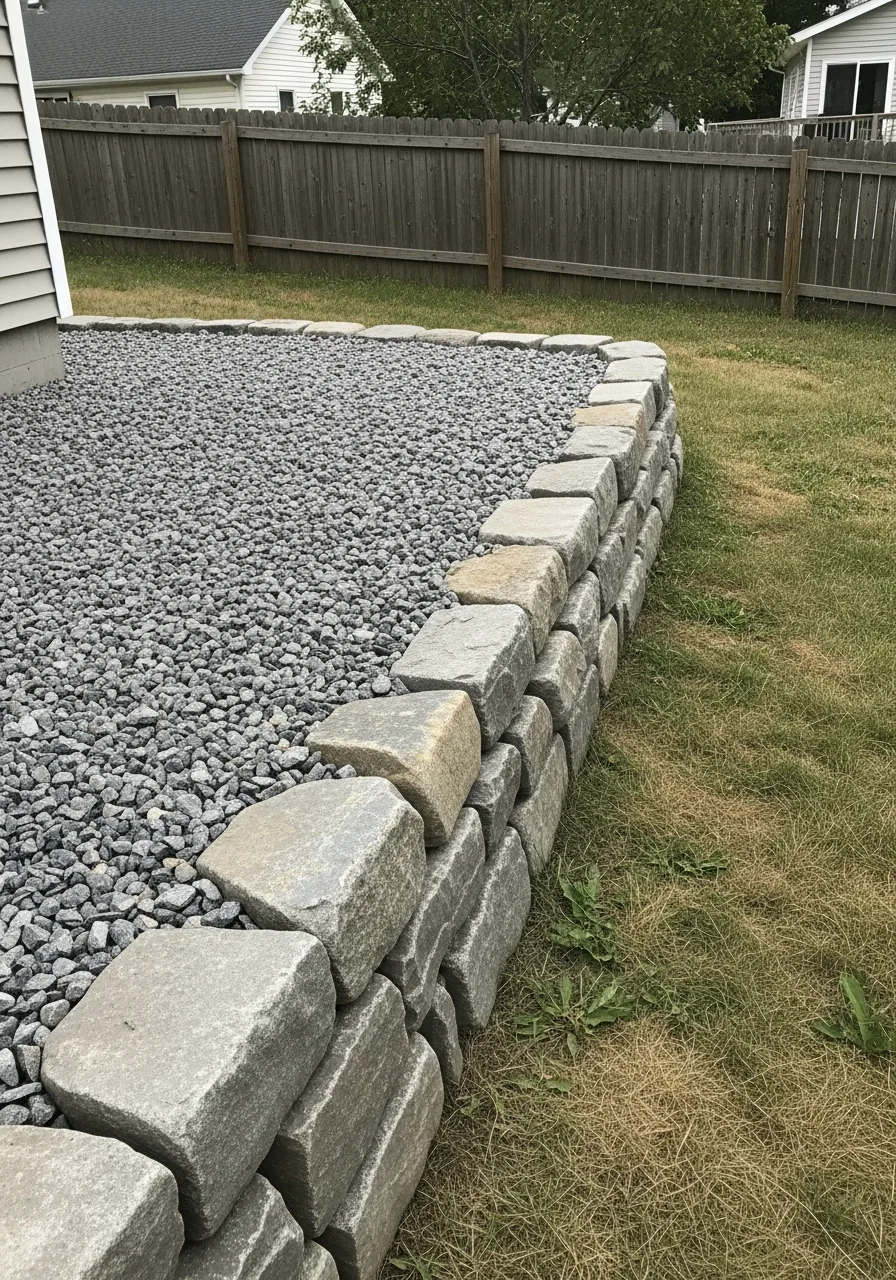
Combine large stones with a gravel backfill to ensure the best drainage possible. This prevents water pressure from building up and knocking the wall over. Honestly, drainage is the most important part of any wall.
- Use clean crushed gravel
- Install a perforated pipe
- Wrap pipe in fabric
Pro Tip: Most people skip this: Use more gravel than you think.
29. Terraced Path Retaining Wall
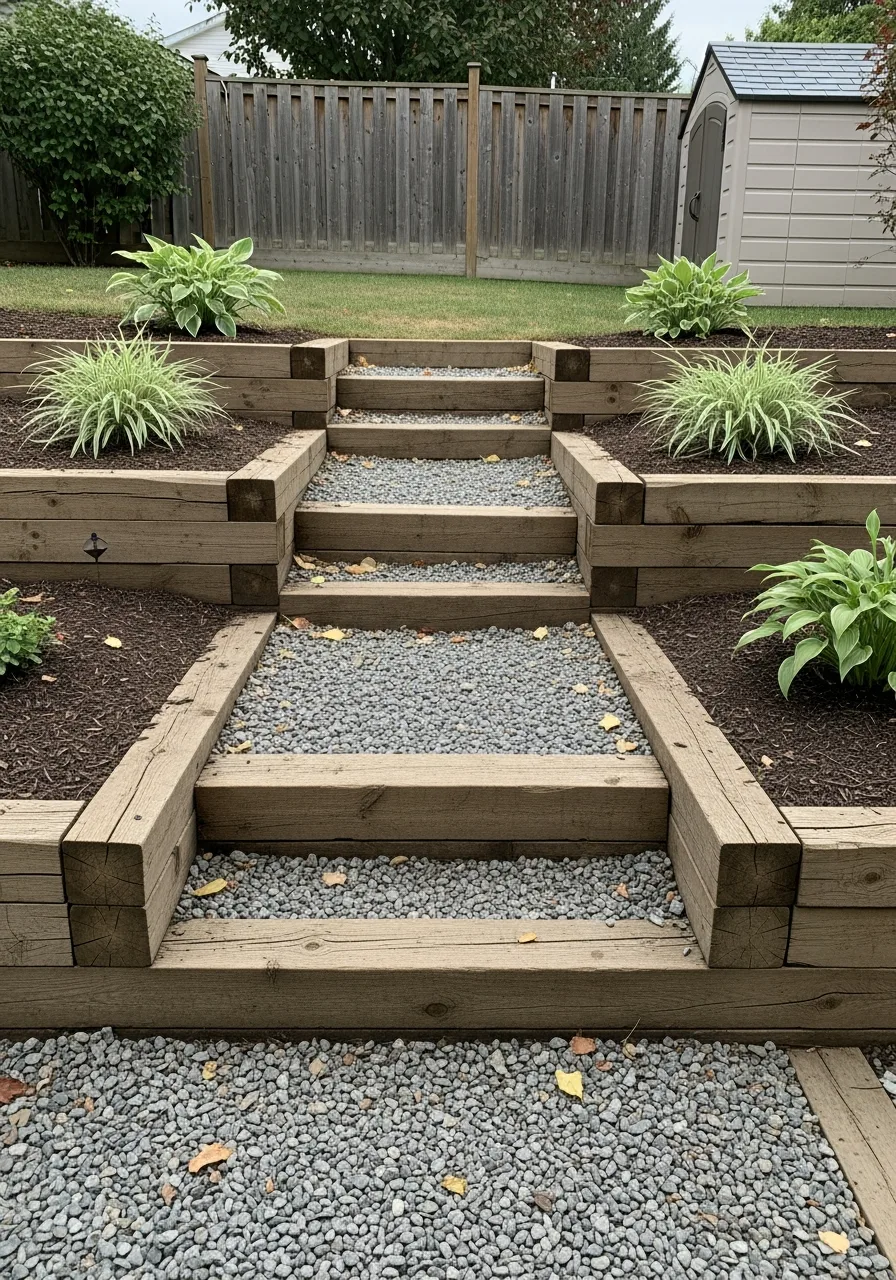
This concept builds a wide walkway directly into a multi-tiered retaining wall system. It maximizes usable space on steep hills by turning a structural necessity into a functional garden trail. Honestly, adding built-in seating along the wall makes the path feel like a destination.
- Ensure the path width is at least thirty-six inches for comfort.
- Level each tier carefully to prevent uneven walking surfaces.
- Install drainage pipes behind the wall to prevent water damage.
Pro Tip: Here’s what I do: use textured pavers on the path to prevent slipping when it rains.
30. Eco-Friendly Retaining Wall
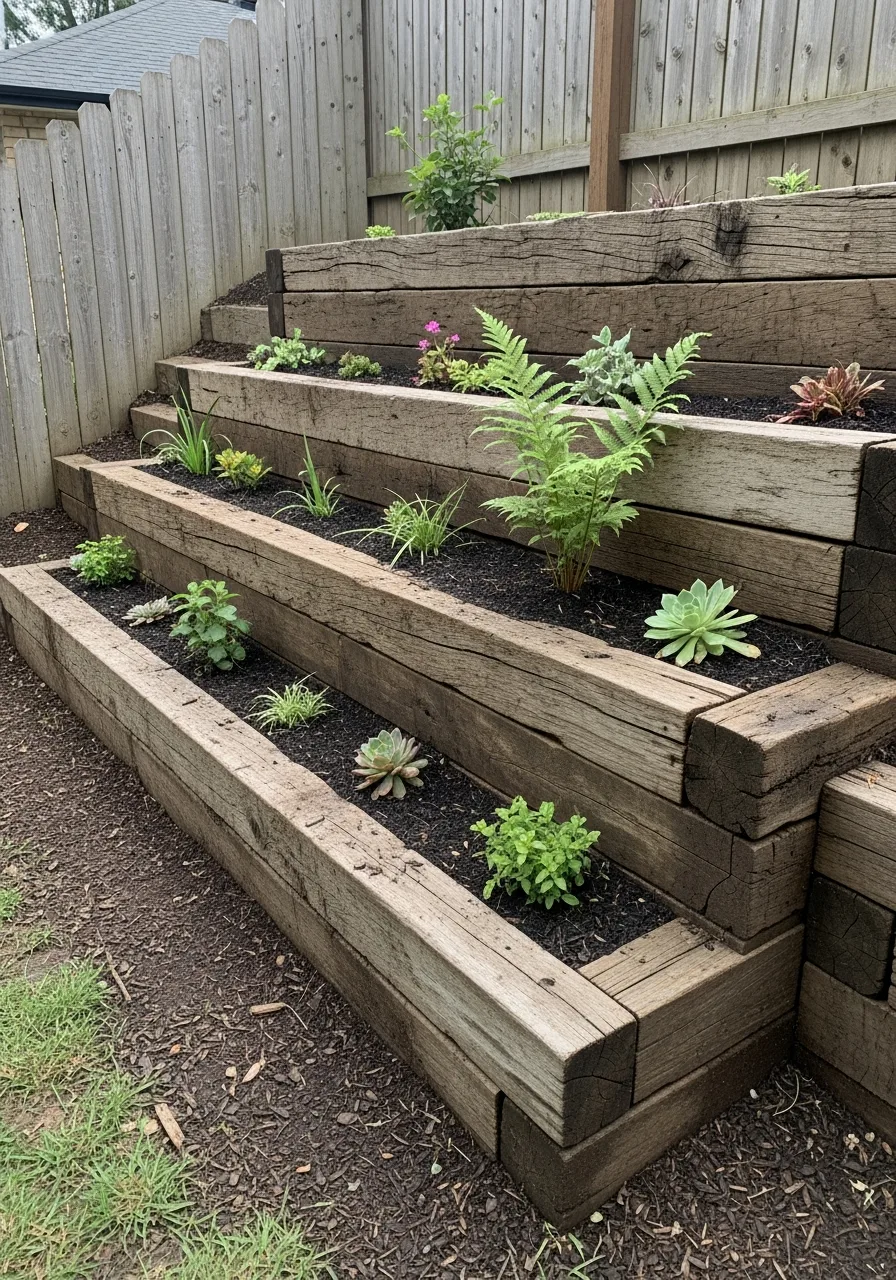
Use recycled materials like reclaimed wood or crushed concrete for your wall. This is a sustainable and budget-friendly way to improve your landscape. Honestly, you can find great materials for free if you look.
- Source local recycled goods
- Clean materials before use
- Ensure they are sturdy
Pro Tip: Quick win: Check local construction sites for leftovers.
31. Wall With Native Plants
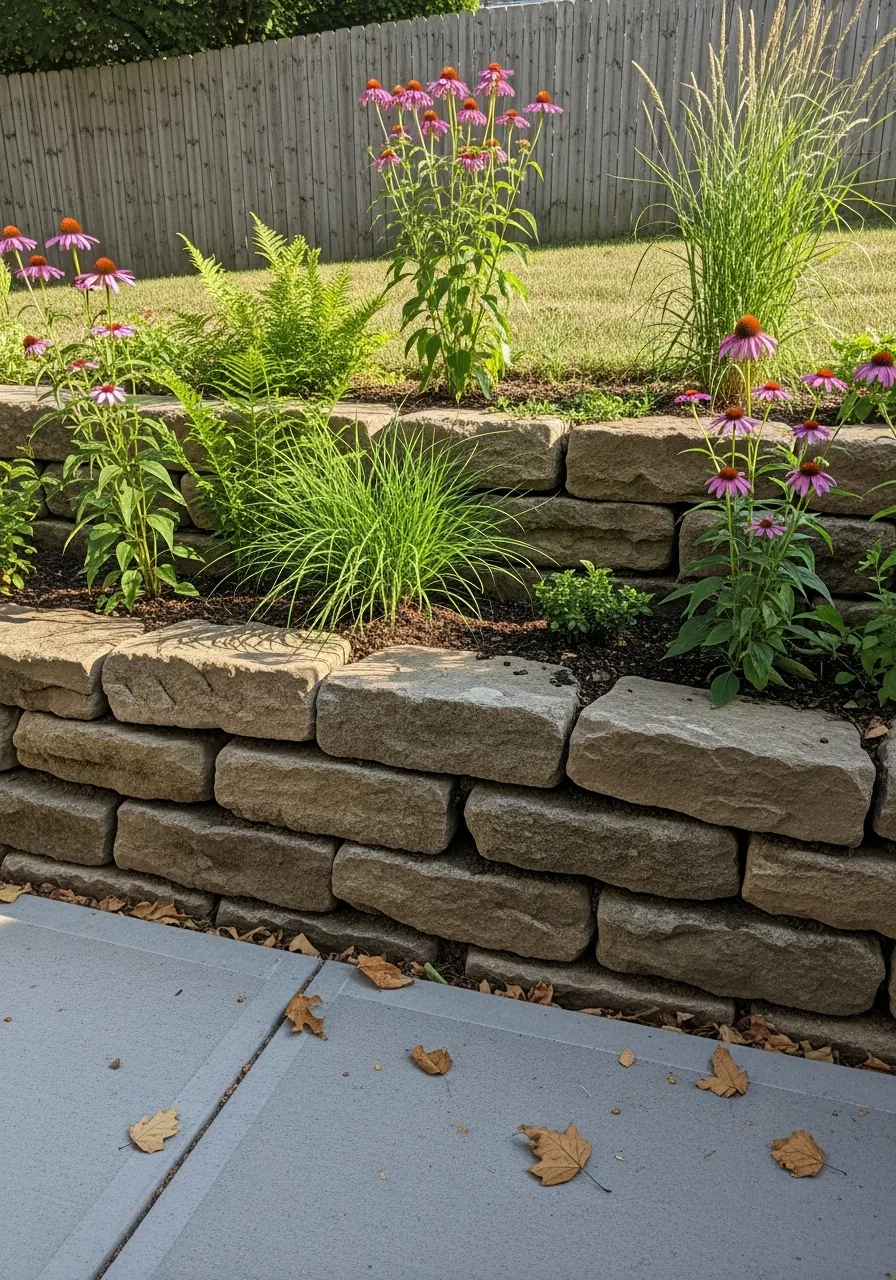
Incorporate local plants into the landscaping around your retaining wall. Native plants require less water and support the local birds and bees. My take: this is the smartest way to garden in 2026.
- Research your local zone
- Group plants by water
- Avoid using harsh chemicals
Pro Tip: Quick win: Ask a local nursery for suggestions.
32. Wall With Privacy Screen
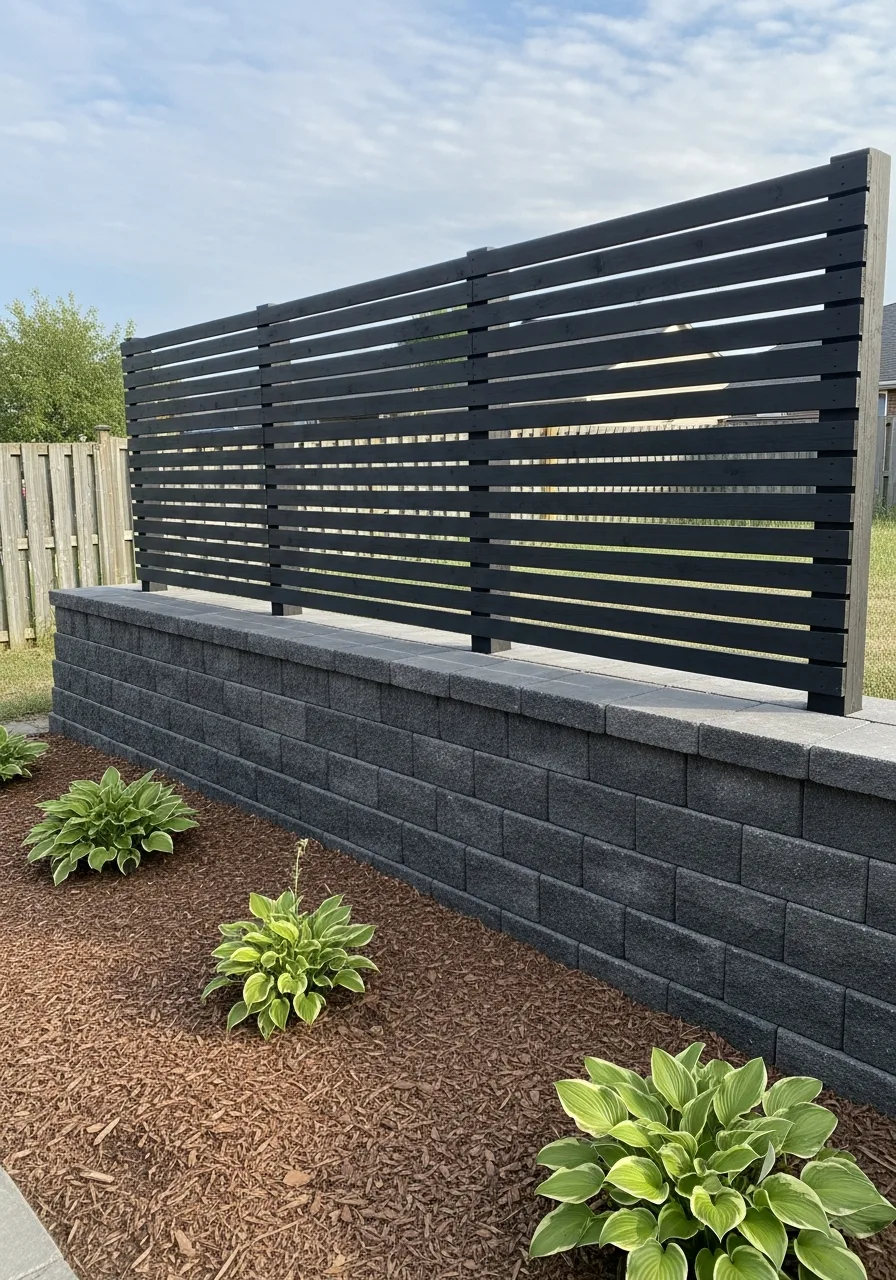
Add a trellis or a wooden screen directly on top of your wall. This adds height and blocks the view from neighbors without building a full fence. I always suggest this for small suburban backyards.
- Anchor the screen posts
- Choose a pretty pattern
- Plant fast growing vines
Pro Tip: Quick win: Use pre-made lattice panels for speed.
33. Small Garden Border Wall
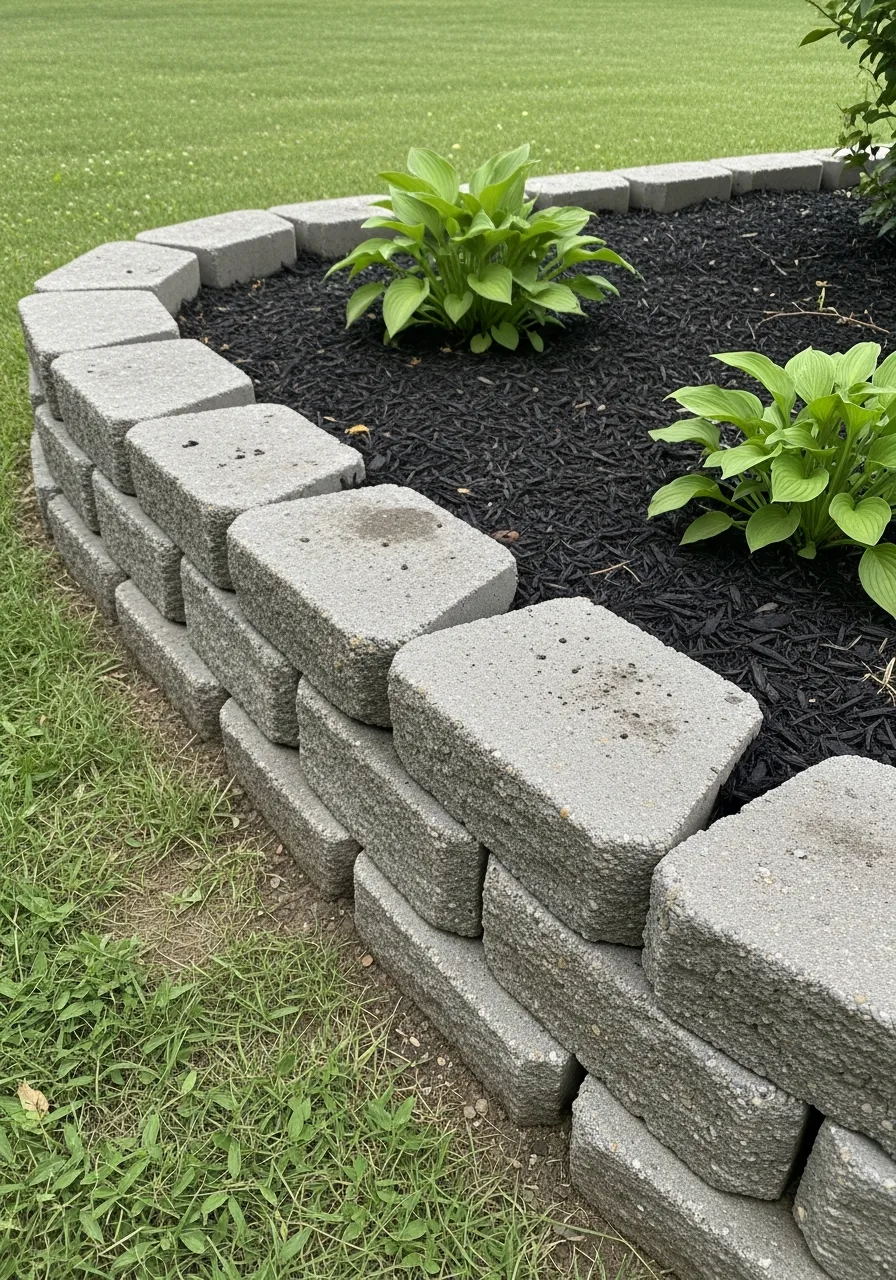
Use a very low wall to define the edges of your garden beds. This prevents soil and mulch from washing onto your grass when it rains. My take: this makes your lawn mowing much easier too.
- Keep it six inches
- Use simple stone blocks
- Trim the grass edges
Pro Tip: Quick win: Use a half-moon edger for clean lines.
34. Tiered Stone Garden Wall
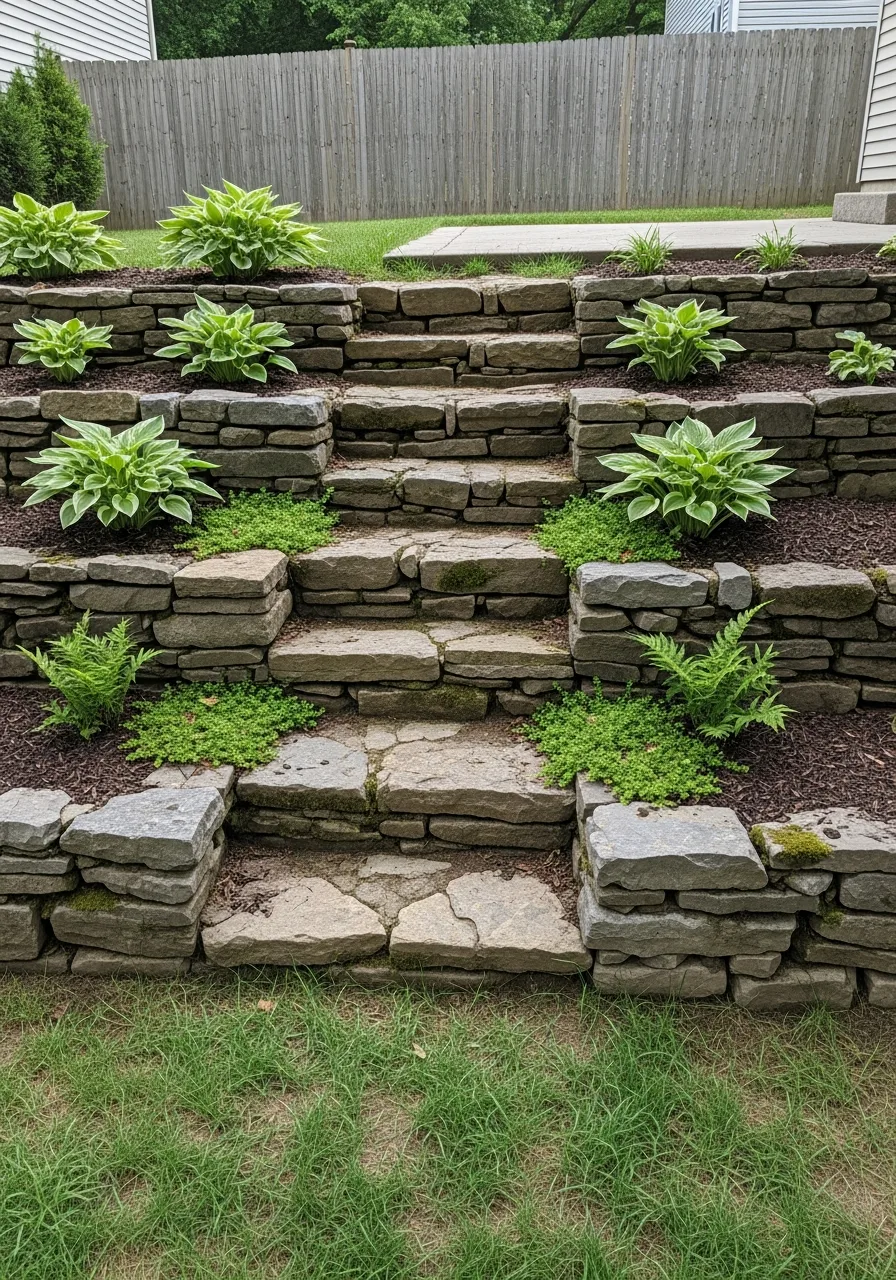
This design transforms a basic slope into a tiered garden using textured stone and strategic greenery. It solves erosion issues while creating a sophisticated backdrop for outdoor seating areas. Honestly, a wall is just a blank canvas for plants that spill over the edges.
- Choose natural stone blocks with deep, irregular textures.
- Install integrated LED strip lights under the top coping.
- Plant trailing rosemary or creeping phlox along the upper lip.
Pro Tip: Most people skip this: use contrasting mortar colors to make the stone pattern pop.
Building a retaining wall is a big project, but it is one that pays off for years. Whether you go with natural stone or modern concrete, the key is to focus on good drainage and a solid base.
Once the structure is done, the fun part starts with plants and lighting.
I hope these ideas help you turn your sloped yard into a space you actually love to spend time in.