40 Load Bearing Wall Ideas for Kitchens

This post may contain affiliate links: full affiliate disclosure.
Is that big, solid wall stopping your dream kitchen?
Structural walls can seem like a huge problem, but they are actually a great chance for smart design.
We promise these 40 ideas will help you keep the structure strong while making your kitchen look open, stylish, and totally functional.
1. Partial Wall, Exposed Beam
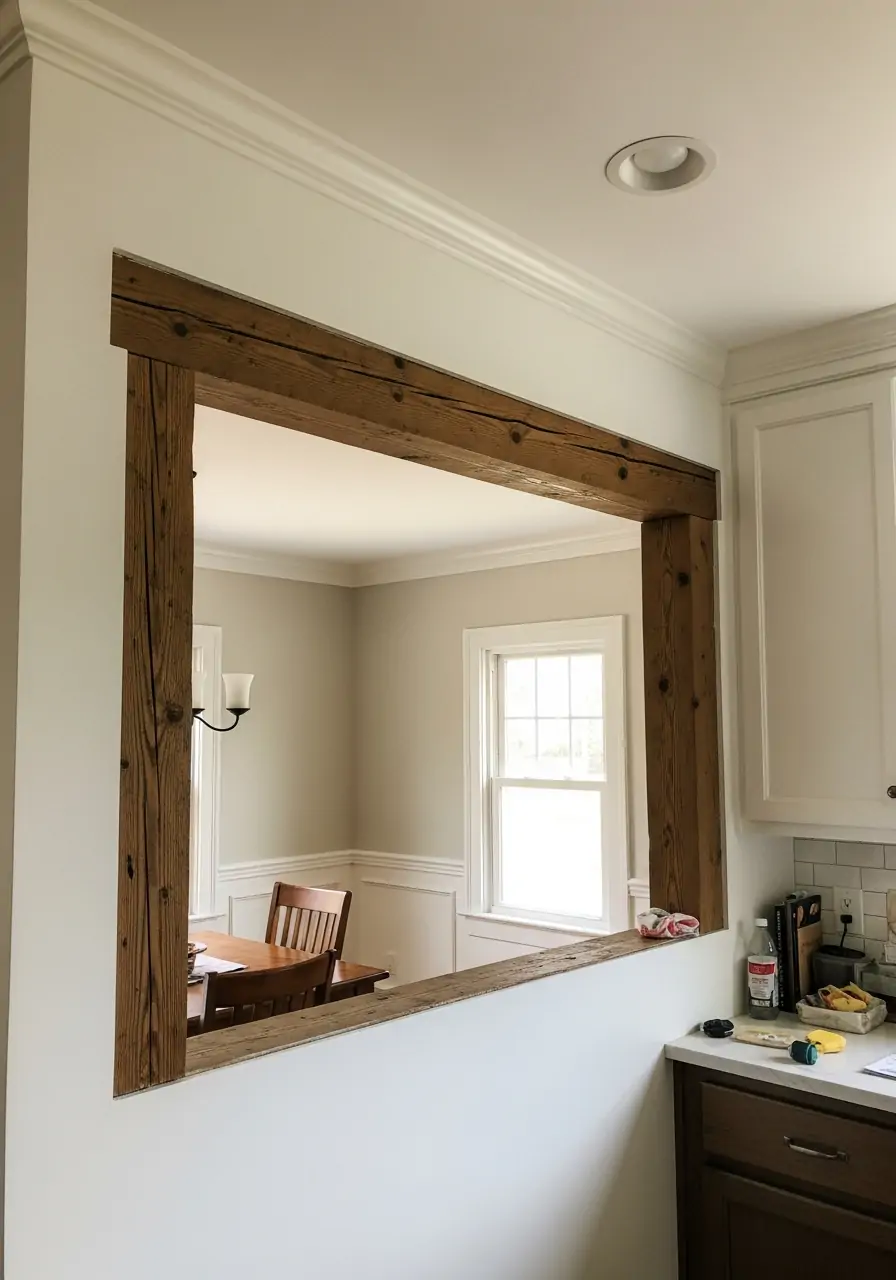
Open the upper section of the wall to install a visible structural beam. This keeps the necessary support while creating a brighter, more open kitchen feel.
- Use rough-sawn wood for a rustic look.
- Paint the beam white to blend it into the ceiling.
- Always check local building codes first.
Pro Tip: Size the beam slightly larger than required for a strong, intentional visual statement.
2. Half Wall, Kitchen Island

Keep the lower half of the load-bearing wall intact. Connect a kitchen island to this structure to add seating, storage, and a natural transition between spaces.
- Use the island countertop to cap the half wall.
- Add electrical outlets to the wall base.
- Choose durable, wipeable paint for the wall.
Pro Tip: This design is great for hiding counter clutter from the adjacent living space.
3. Pass-Through Serving Window
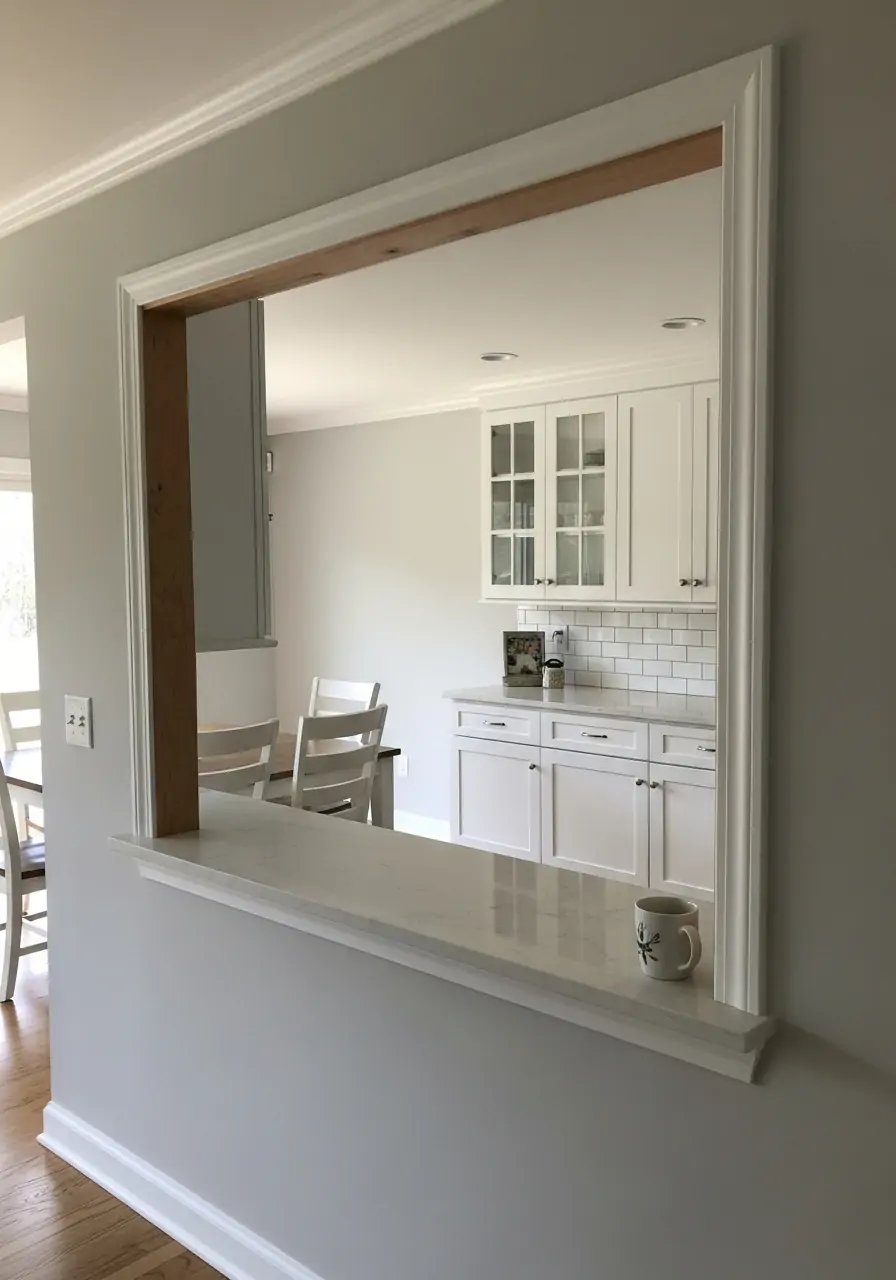
Cut a large opening in the wall to create a serving window. This visually connects the kitchen with the dining or living room while keeping the structure intact around the opening.
- Frame the opening with thick wood trim.
- Add a small shelf at the bottom for serving drinks.
- Match the window height to existing cabinets.
Pro Tip: A pass-through makes cleanup much faster when you are hosting a party.
4. Wide Framed Wall Opening

Create a clean, rectangular opening framed with trim. This gives the illusion of openness without needing full wall removal, saving on structural costs.
- Use contrasting trim color for drama.
- Ensure the opening height matches door frames.
- Keep the framing simple and square.
Pro Tip: If the wall is thick, use the interior frame as a shallow display shelf for small items.
5. Decorative Support Columns
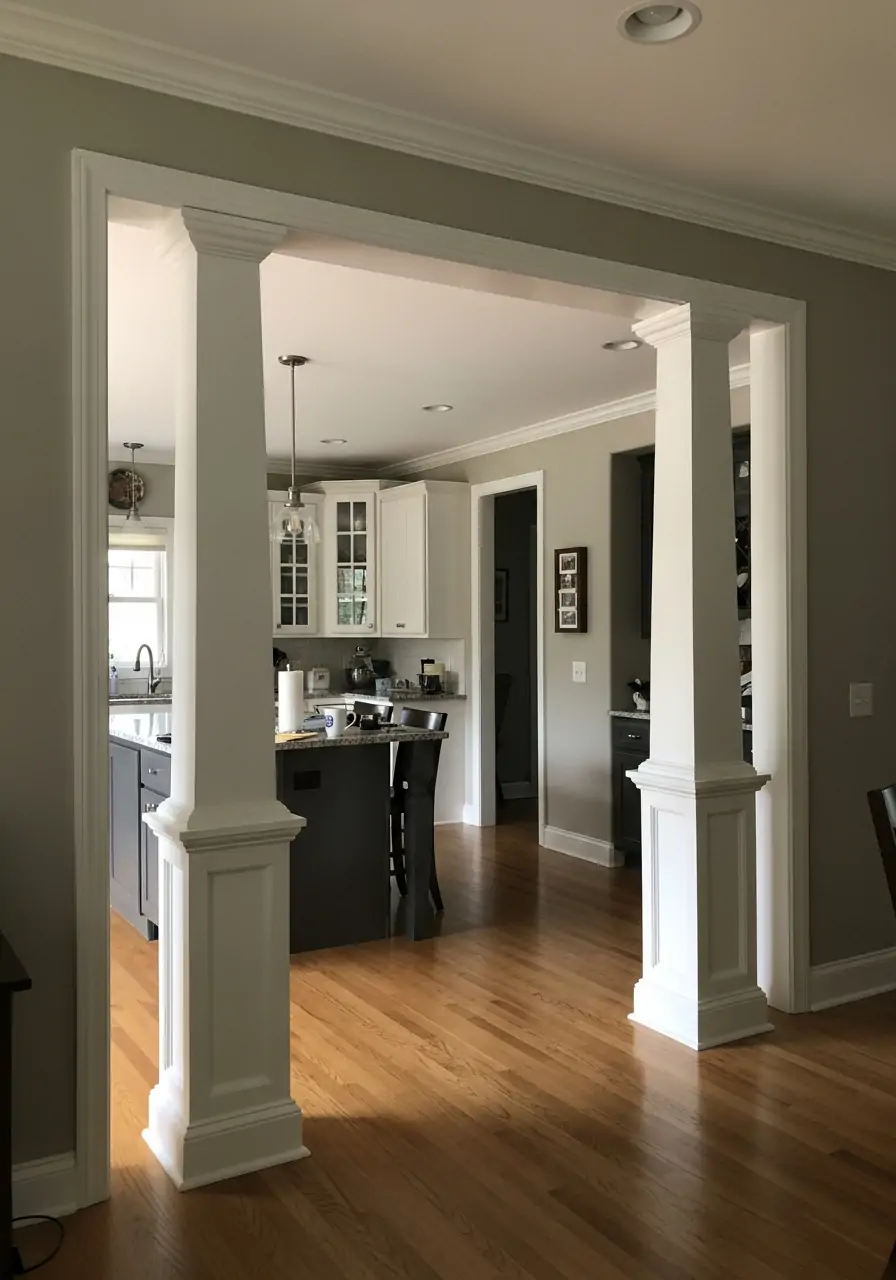
Replace sections of the wall with engineered columns. This preserves the structure while greatly improving sightlines and the flow of traffic through the space.
- Wrap the columns in decorative wood panels.
- Use square columns for a modern look.
- Paint columns the same color as the ceiling.
Pro Tip: Columns work best when they align perfectly with cabinets or counter edges below them.
6. Built-In Pantry Wall
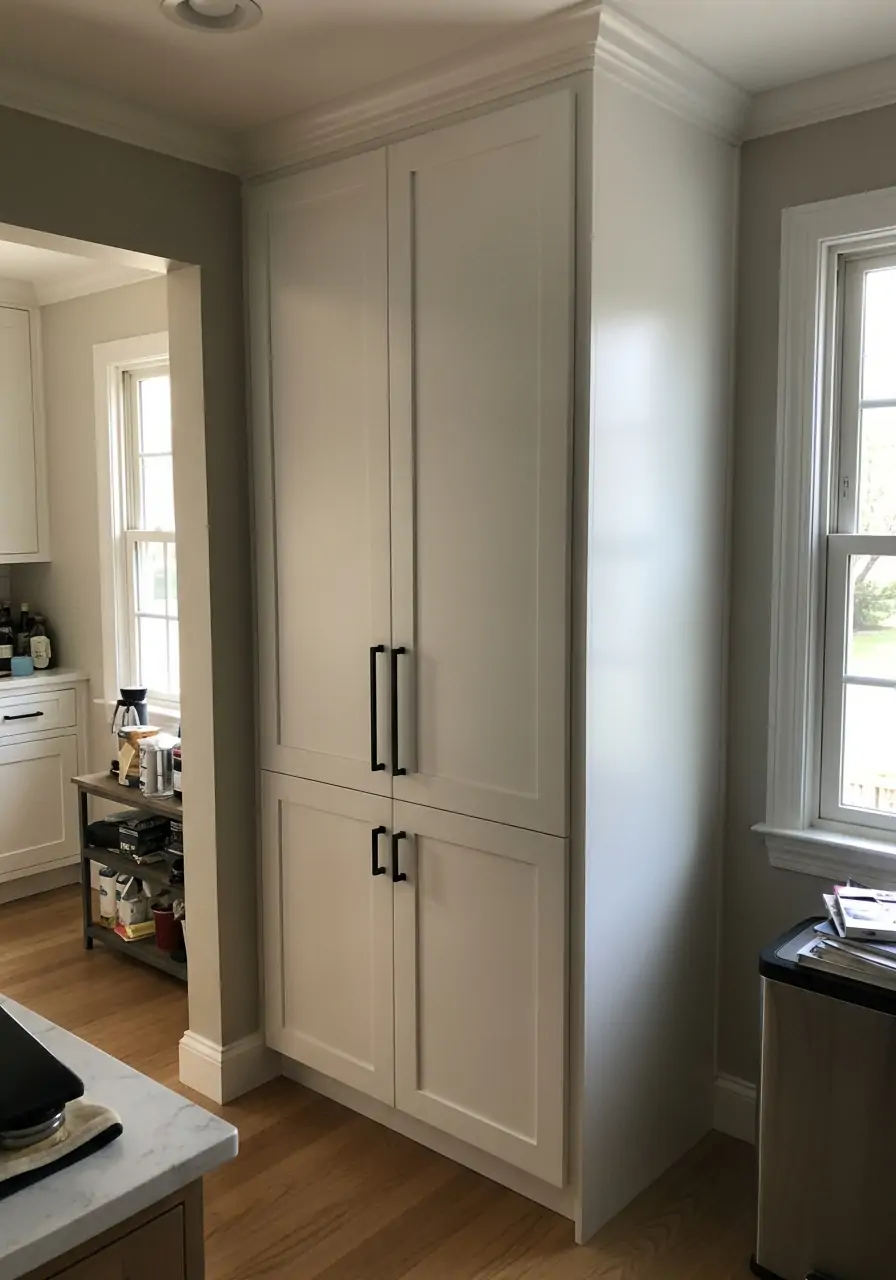
Turn the load-bearing wall into a full-height pantry system. Cabinets maximize storage and make the wall feel like a planned, intentional part of the kitchen design.
- Use shaker style doors for a classic look.
- Ensure the pantry depth fits standard cans.
- Add pull-out drawers inside for easy access.
Pro Tip: If the wall is thick, you can recess the pantry deeper into the wall structure for extra space.
7. Appliance Wall Design
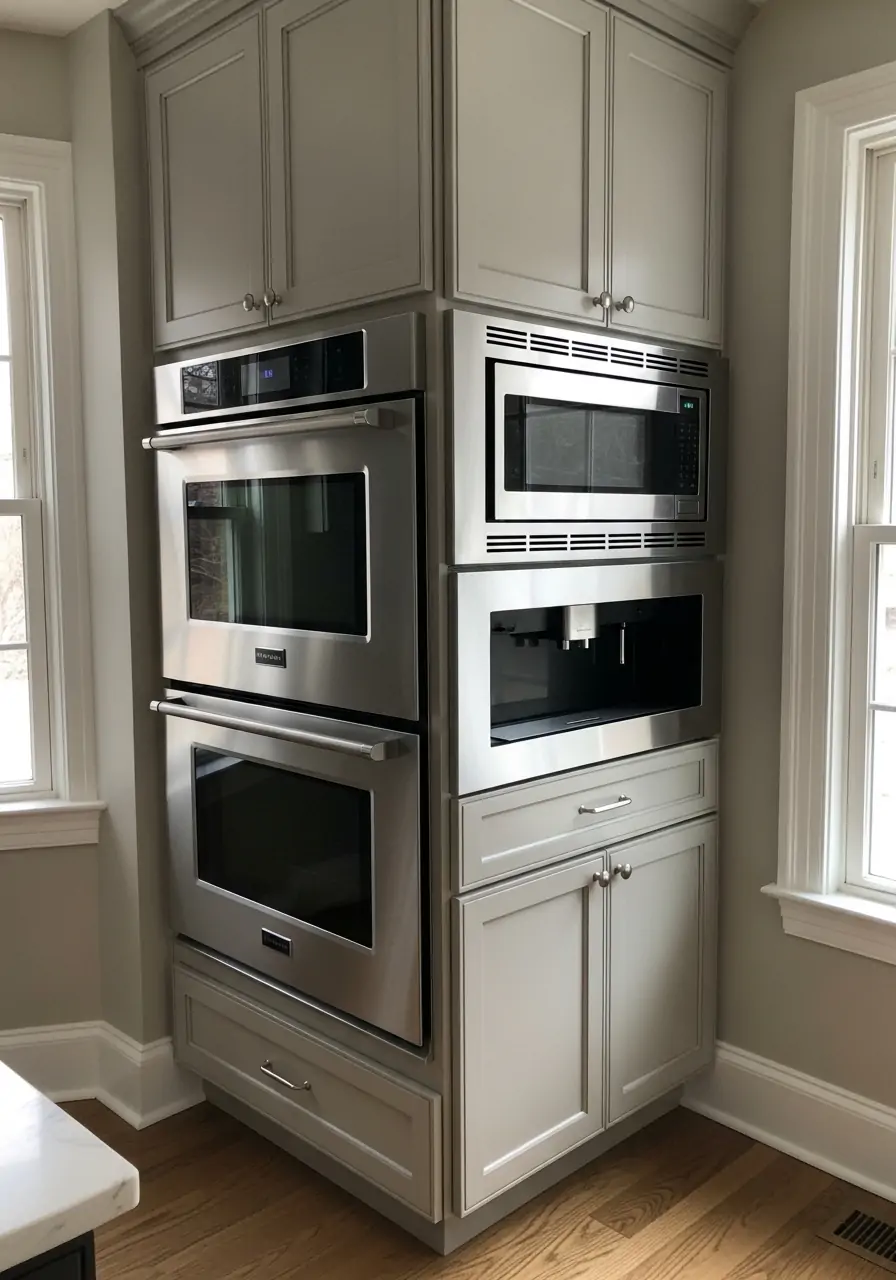
Use the wall to house built-in ovens, microwaves, or coffee machines. This creates a clean, organized, and highly efficient kitchen layout.
- Match the appliance finish to cabinet hardware.
- Place ovens at chest height for safety.
- Ensure proper venting is installed behind the appliances.
Pro Tip: This setup frees up valuable counter space by moving bulky appliances off the main workspace.
8. Open Shelving Feature Wall
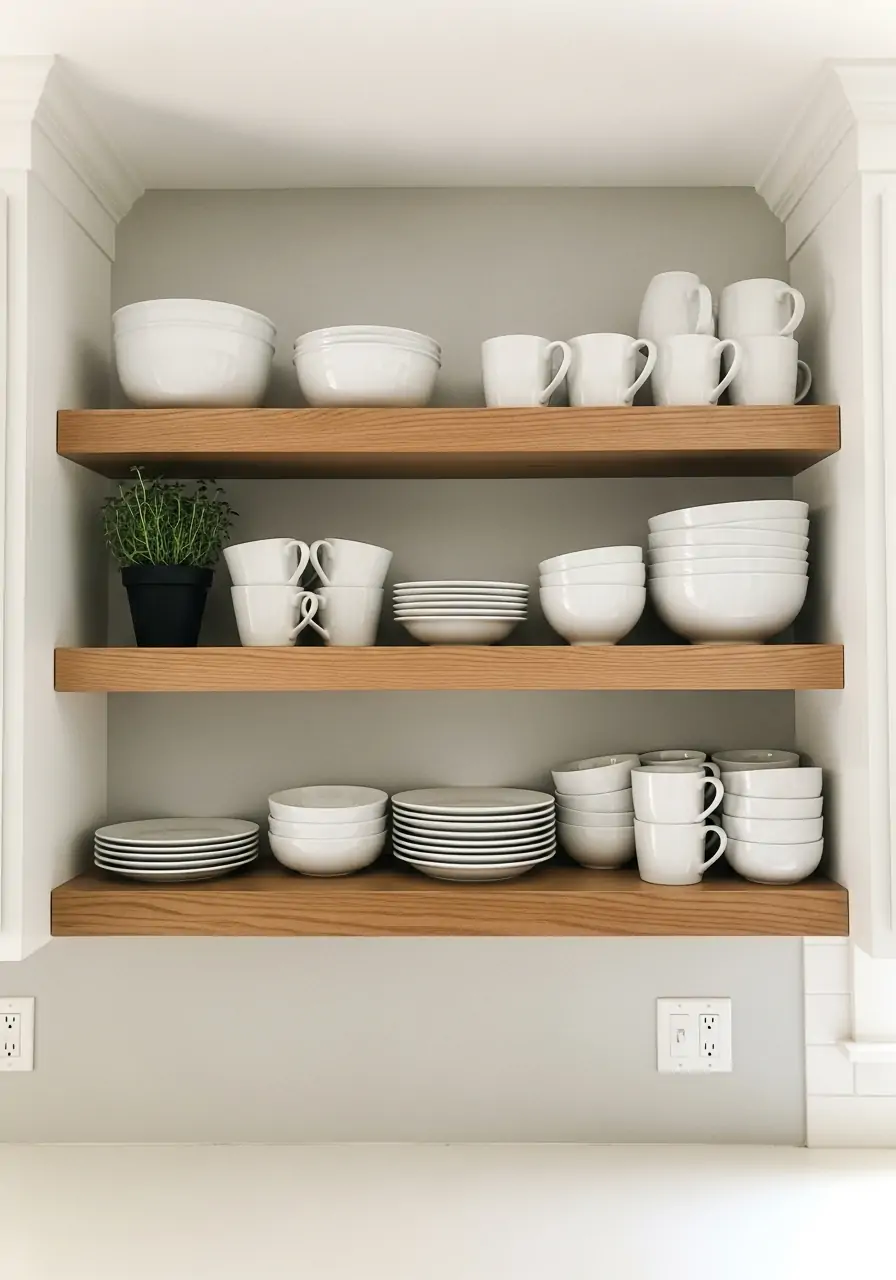
Install sturdy open shelves directly onto the wall. Use them to display dishes, decor, or everyday kitchen items without adding heavy visual bulk.
- Use thick wood shelves for a farmhouse feel.
- Keep shelf contents mostly white for a clean look.
- Secure shelves directly into studs or beams.
Pro Tip: Group items in odd numbers (threes or fives) on the shelves for the best visual balance.
9. Kitchen Peninsula Divider

Extend cabinetry from the wall to create a peninsula. This separates the spaces while adding prep area, storage, and casual seating.
- Use a waterfall edge countertop on the peninsula.
- Add power outlets to the side panel.
- Choose bar stools that tuck neatly underneath.
Pro Tip: A peninsula is a great way to add casual seating without needing a full, central island.
10. Glass Panel Wall Insert
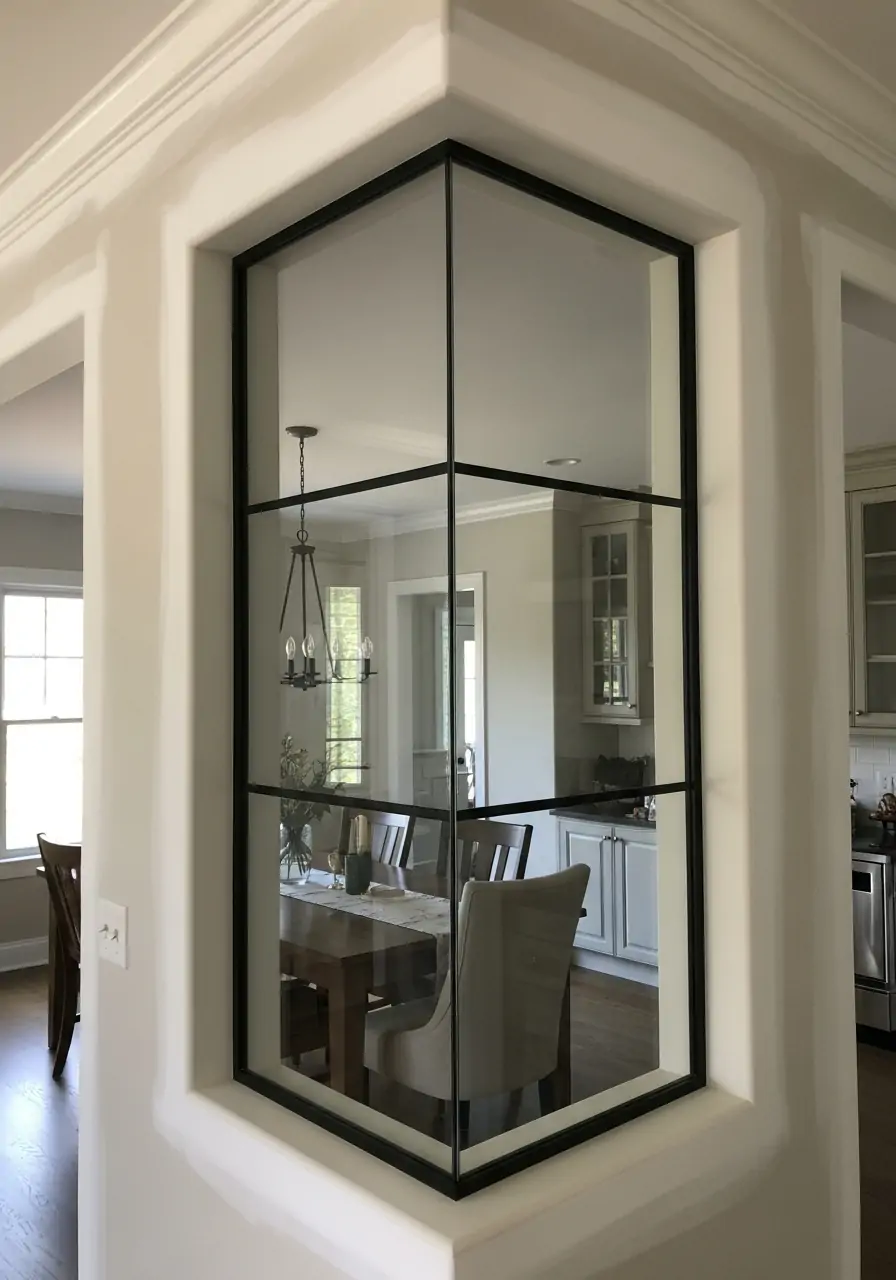
Add fixed glass panels within a structural wall opening. This allows light to shine through while keeping the wall structurally sound and separate.
- Use frosted glass for privacy.
- Choose clear glass for maximum light flow.
- Frame the glass panels with black steel for a modern look.
Pro Tip: Glass inserts are perfect for letting natural light into a dark hallway next to the kitchen.
11. Arched Opening With Beam
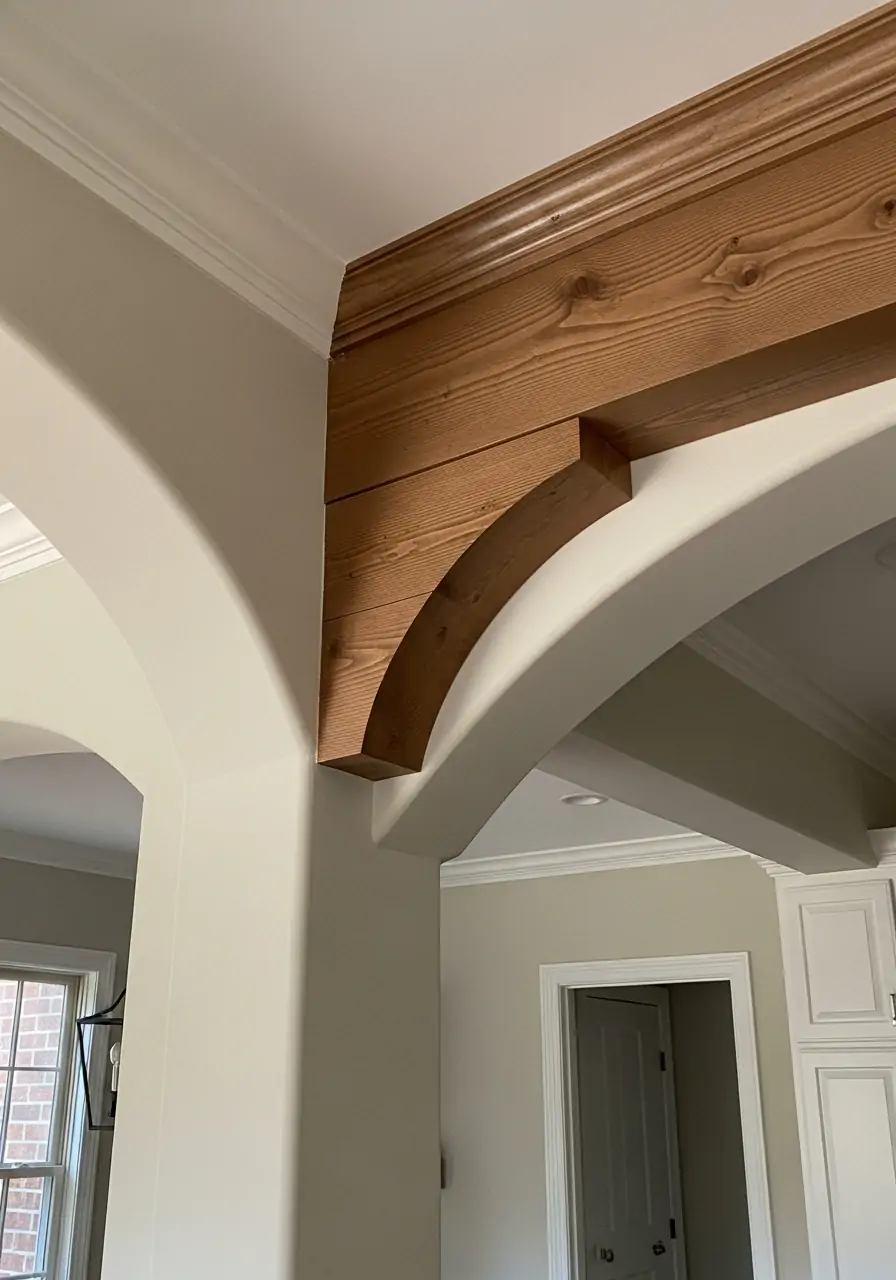
Soften the wall by creating an arch supported by a beam. This blends the structural needs of the wall with an elegant, classic design element.
- Use a wide, shallow arch for a subtle look.
- Paint the interior of the arch a lighter color.
- Ensure the arch height matches the room scale.
Pro Tip: Arches add a touch of classic, timeless style that instantly elevates the kitchen.
12. Wood Slat Accent Wall
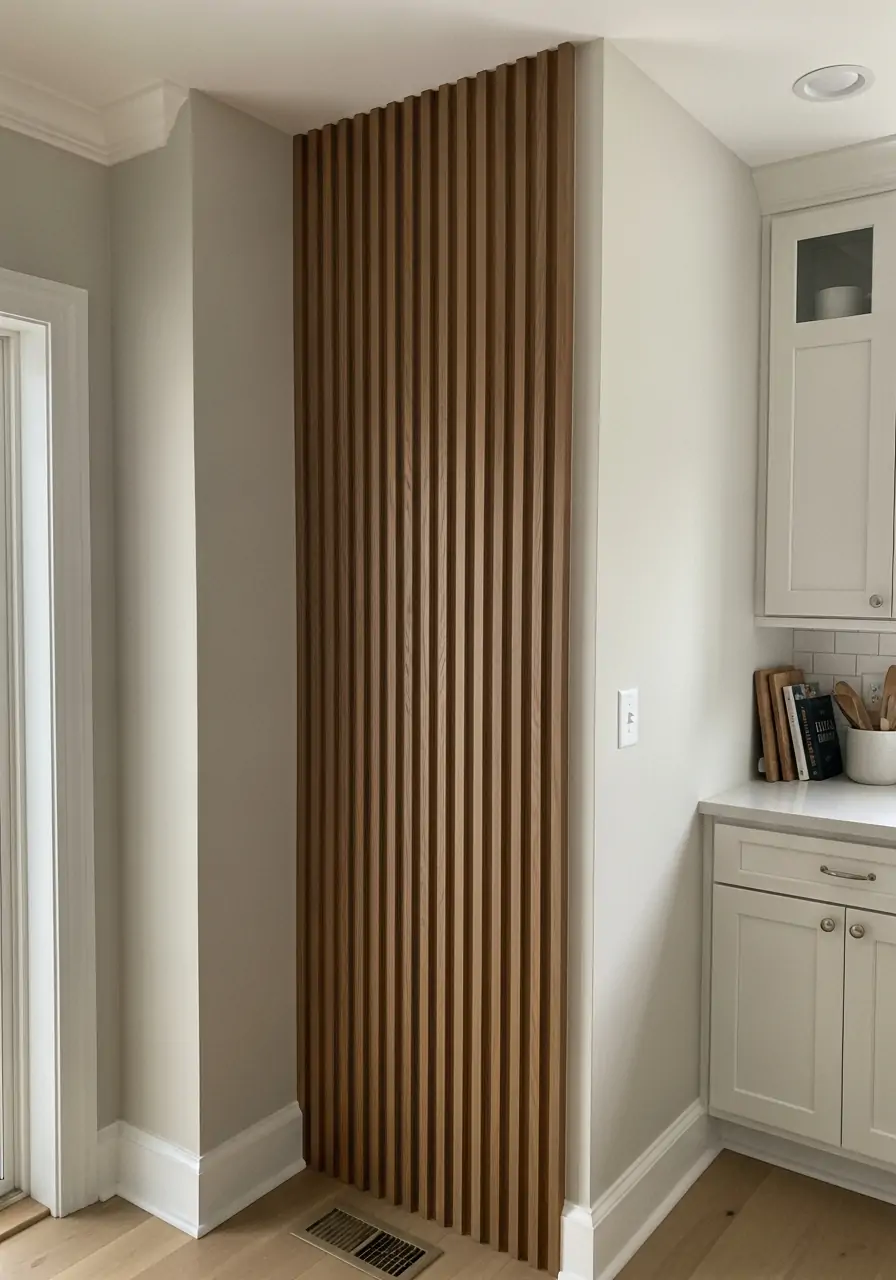
Cover the wall with vertical wood slats. This adds warmth, texture, and a modern architectural look to the kitchen space.
- Use light oak or maple for a Scandinavian feel.
- Ensure slats are evenly spaced.
- Install a sound-absorbing felt backing.
Pro Tip: Slats are a great way to hide small imperfections in the existing wall surface easily.
13. Stone or Brick Veneer Wall
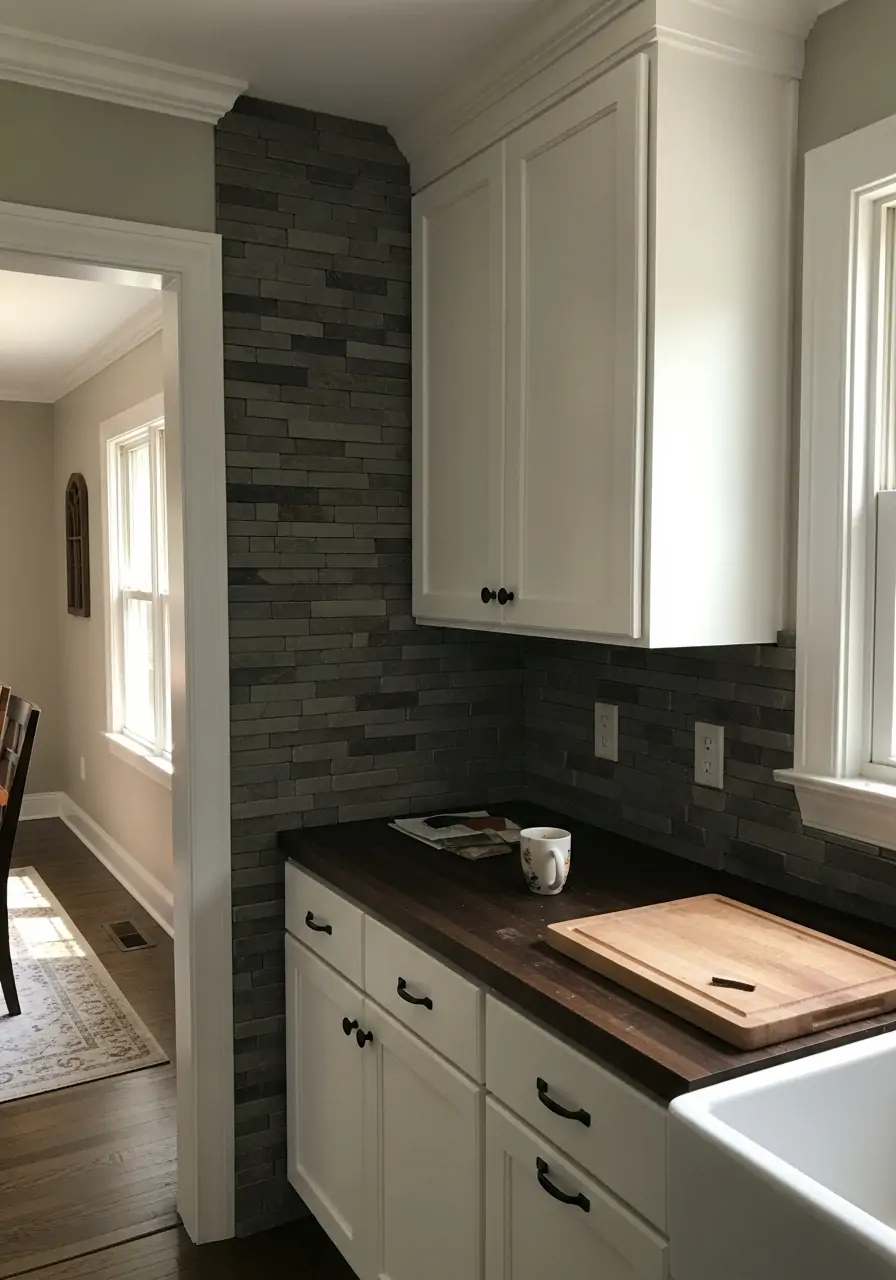
Apply a thin stone or brick veneer to the wall surface. This makes the wall a strong visual feature without altering the structure or adding too much weight.
- Use white-washed brick for a soft look.
- Choose thin, flat stone for easy cleaning.
- Seal the veneer to protect it from kitchen grease.
Pro Tip: Veneer is much lighter and easier to install than using full brick or stone blocks.
14. Fluted Panel Feature Wall
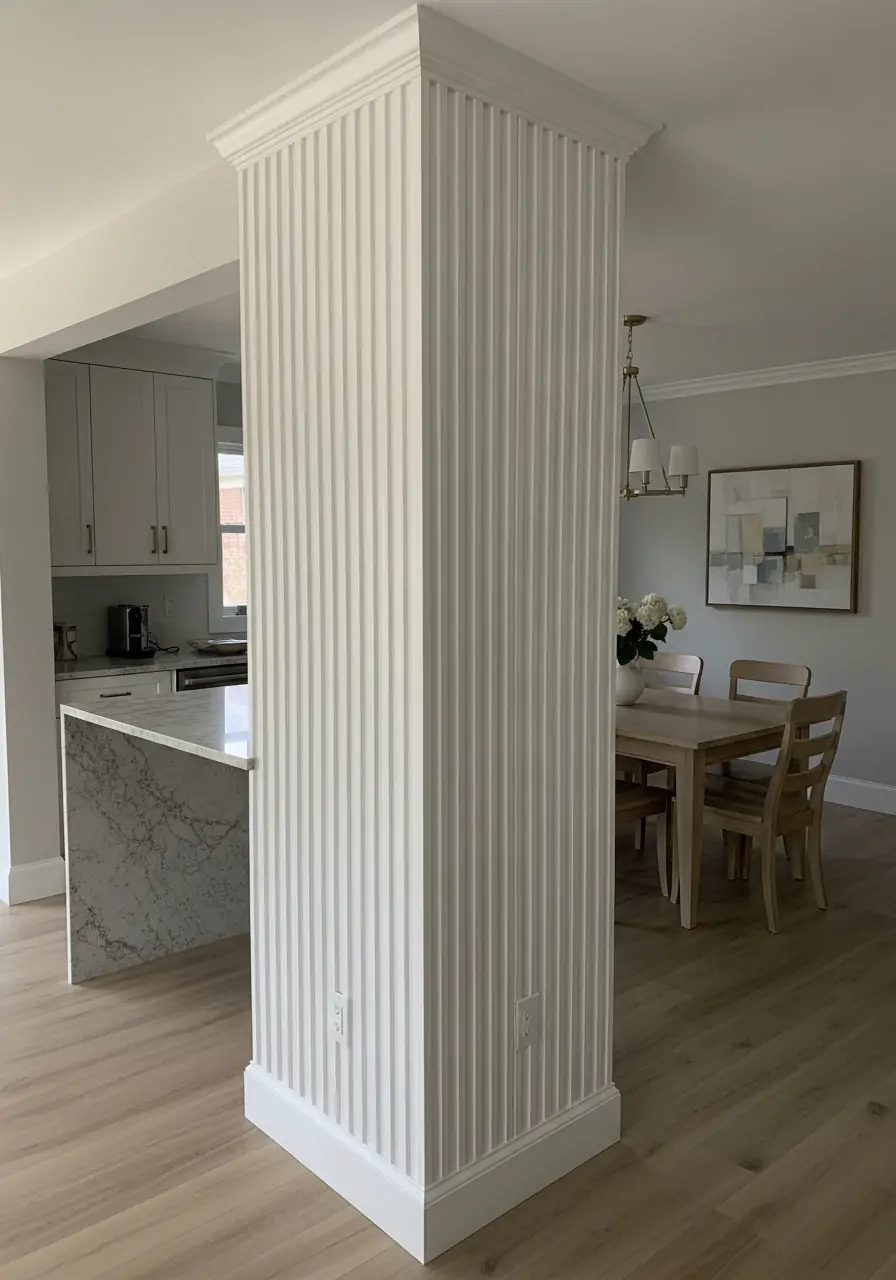
Use fluted or ribbed panels to add subtle texture and dimension. This gives the load-bearing wall a high-end, custom-built feel.
- Paint the panels the same color as the cabinets.
- Use MDF fluting for a budget-friendly option.
- Install panels vertically to make the room look taller.
Pro Tip: This texture works well when paired with smooth, flat cabinet doors nearby.
15. Bold Paint Accent Wall
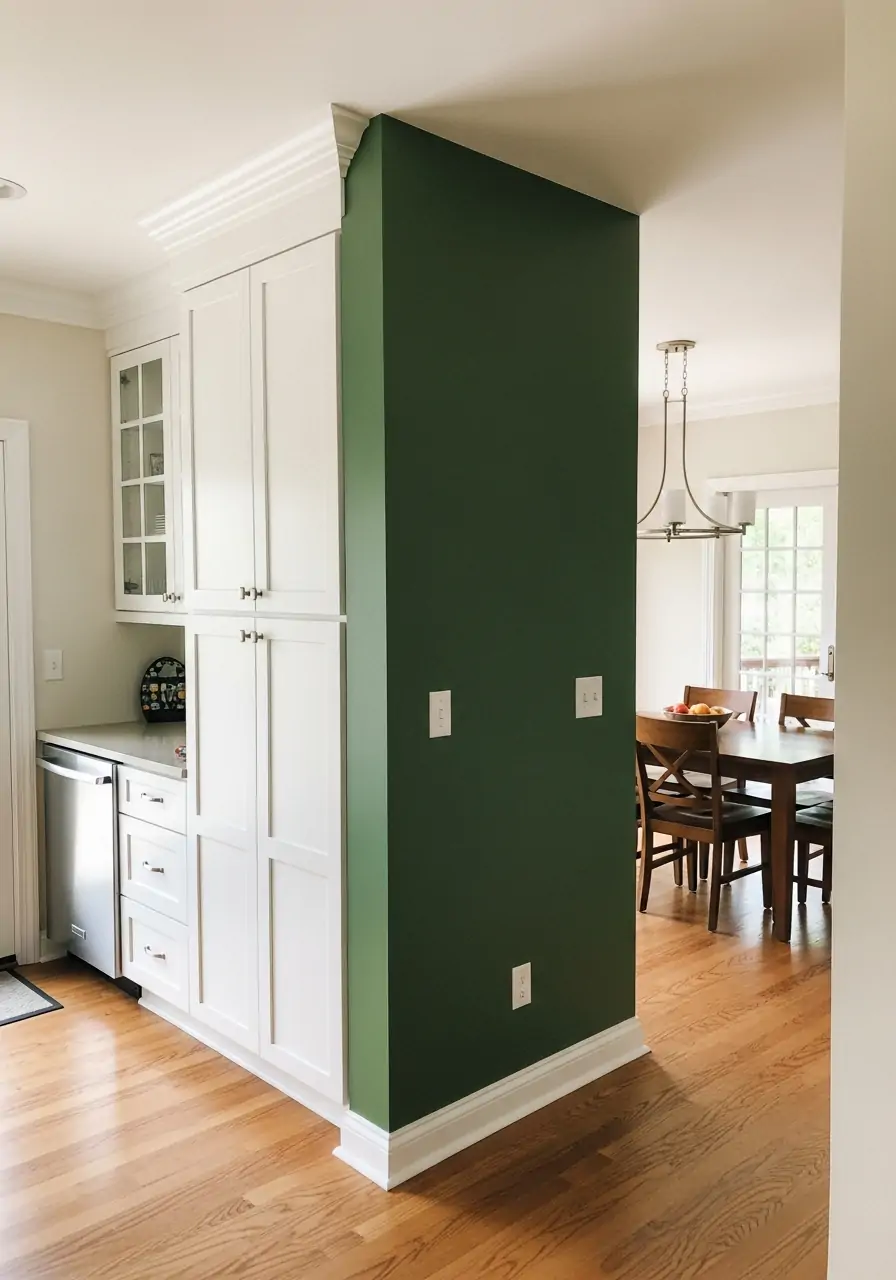
Paint the wall in a contrasting or trending color. This turns the wall into a planned focal point instead of seeing it as a structural limitation.
- Choose deep greens or blues for a rich look.
- Use a satin finish for easy cleaning.
- Ensure the color complements the flooring.
Pro Tip: Test the paint color on a large section of the wall before committing to the whole thing.
16. Tile Feature Wall
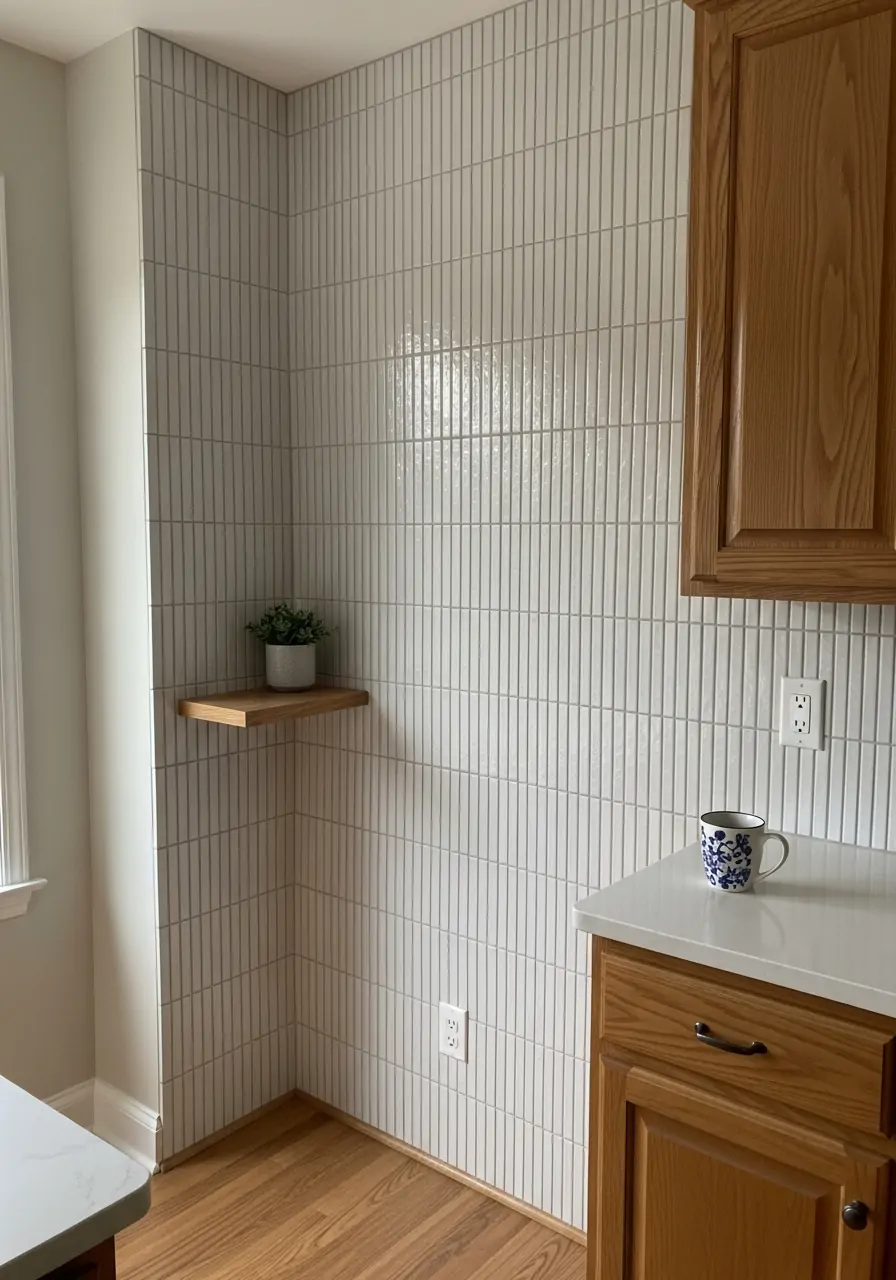
Install decorative tiles across the wall surface. This creates a backsplash-style feature that visually elevates the wall and adds texture.
- Use large format tiles for a modern, clean look.
- Try patterned cement tiles for texture.
- Extend the tile from floor to ceiling for drama.
Pro Tip: Grout color matters—use light grout for contrast or dark grout to hide dirt.
17. Hidden Door Built Into Wall
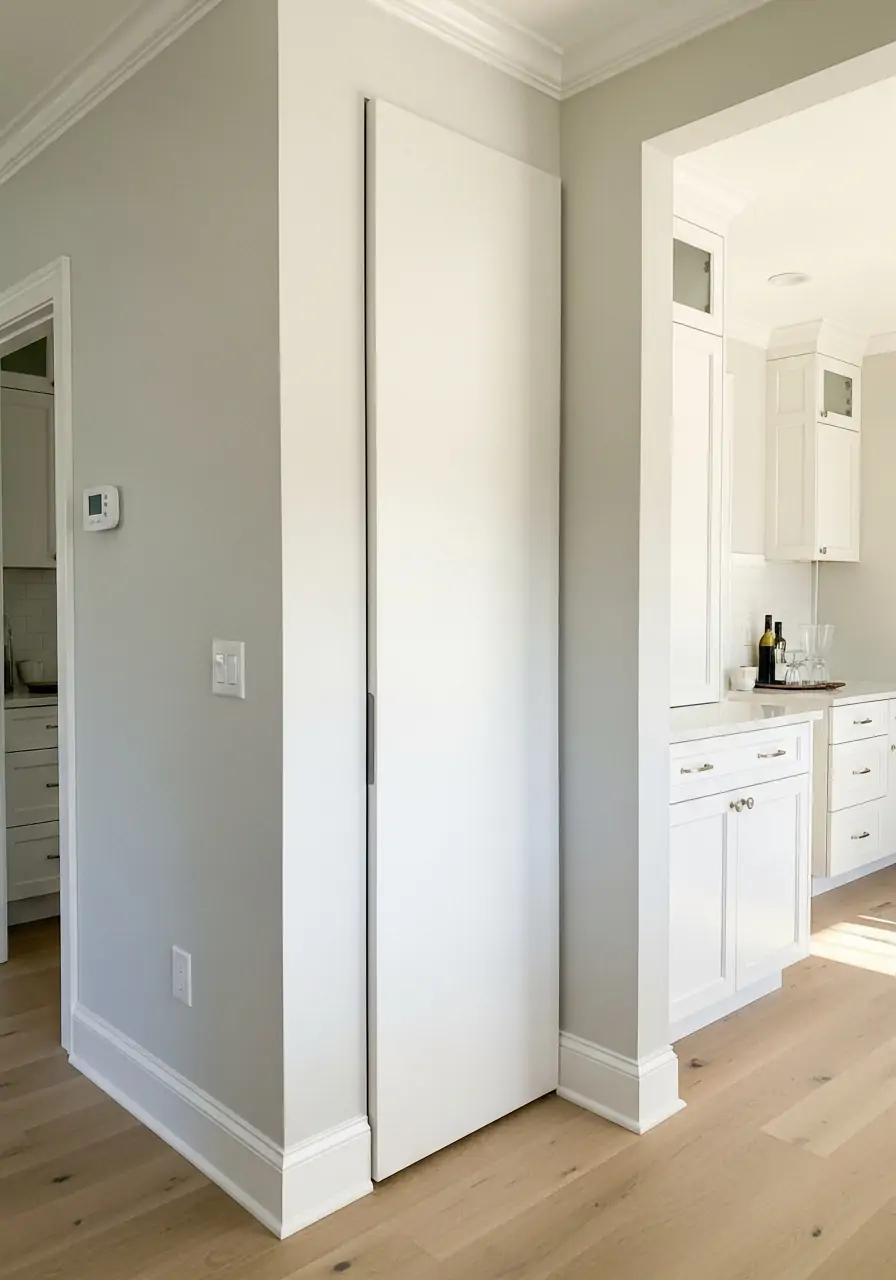
Incorporate a flush, hidden door for pantry or storage access. This keeps the wall looking seamless and maintains a clean, minimalist design.
- Use push-latch hardware instead of knobs.
- Paint the door the exact same color as the wall.
- Use vertical trim lines to disguise the edges.
Pro Tip: This is a clever way to maintain a minimalist look while maximizing your storage space.
18. Double-Sided Storage Wall
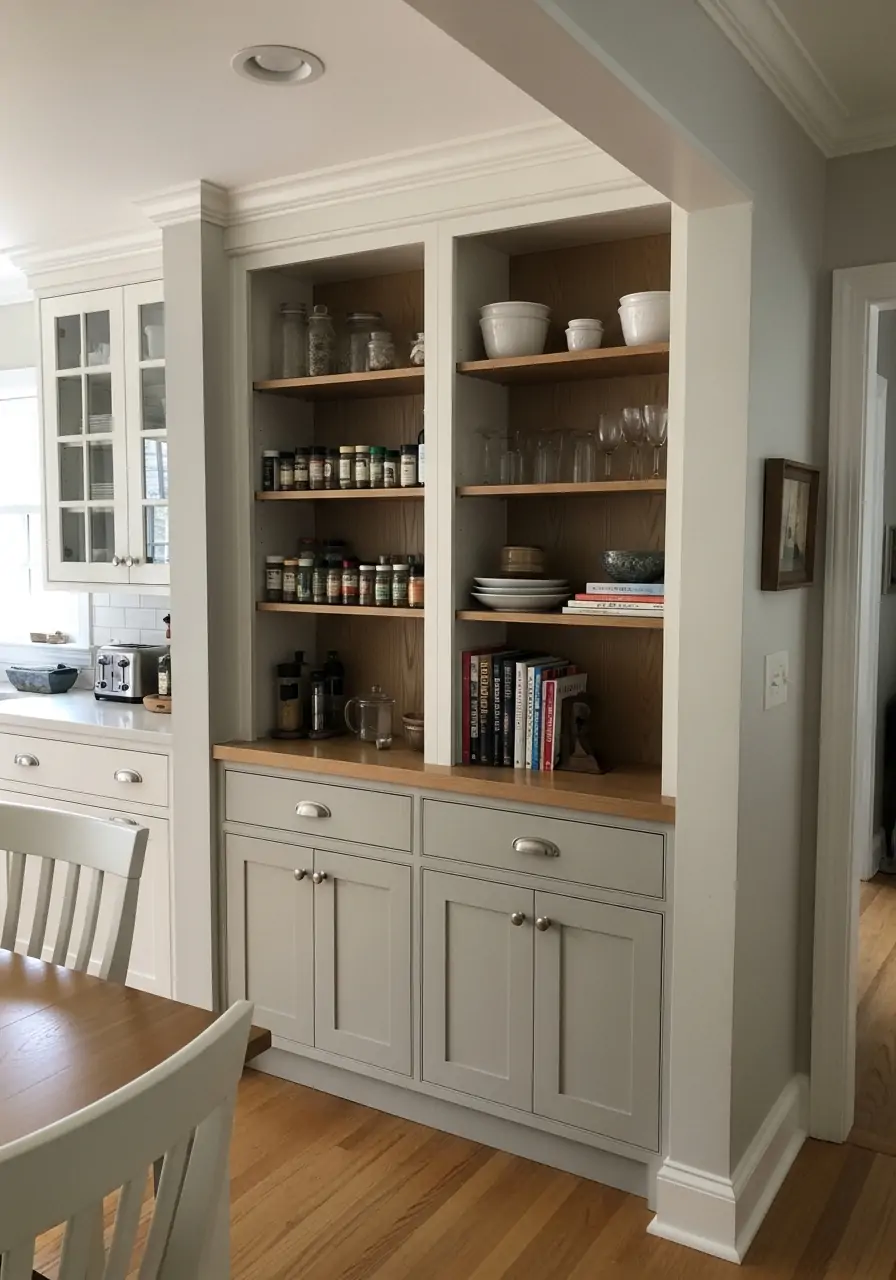
Add shallow cabinetry or shelving on both sides of the wall. This maximizes storage and functionality for both the kitchen and the adjacent room.
- Ensure cabinets are 6-8 inches deep to save space.
- Use the dining room side for glassware display.
- Install lighting inside the cabinets.
Pro Tip: This works best on walls that are at least 10 inches thick to allow for decent storage depth.
19. Breakfast Bar Cut-Out
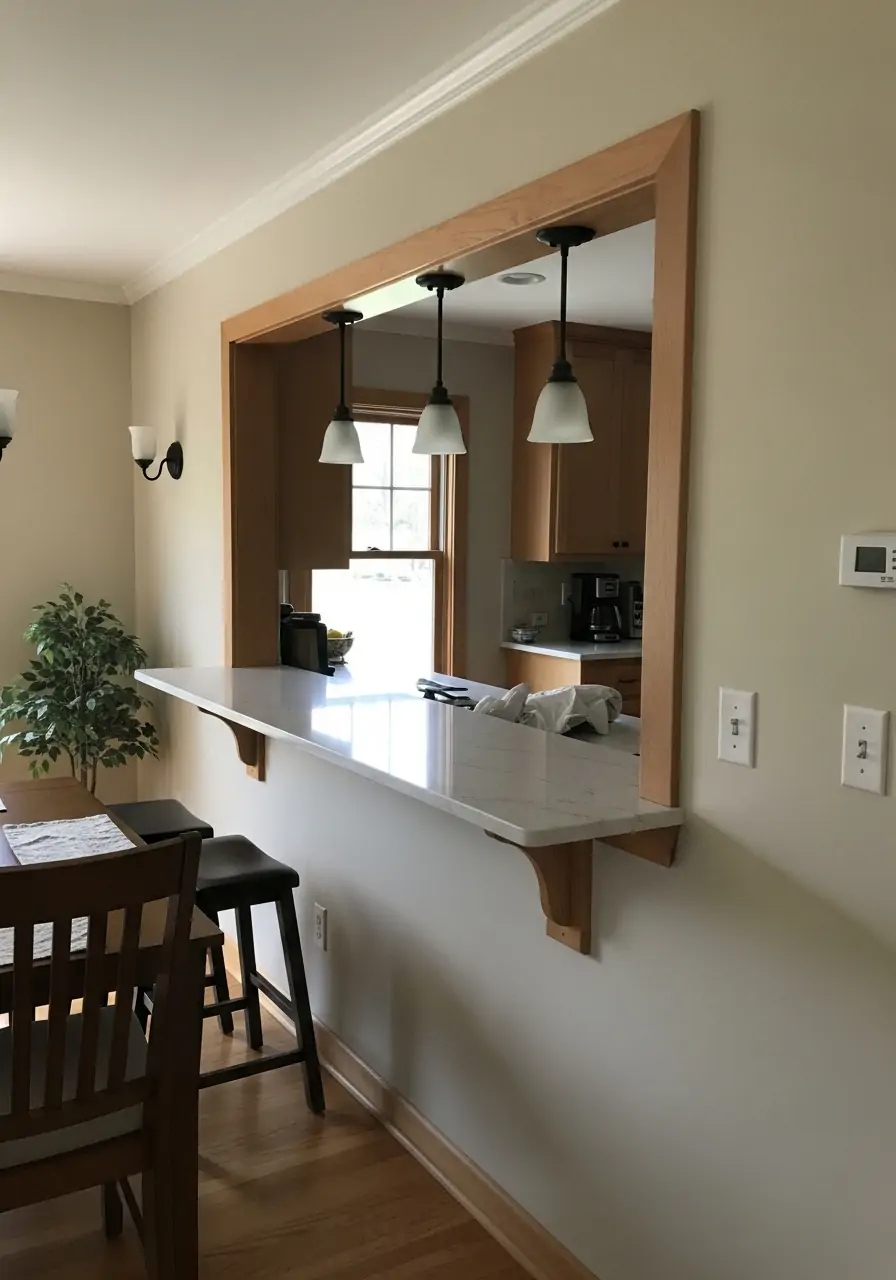
Lower the center part of the wall to create a casual eating or serving bar. The upper structure remains intact to carry the load above.
- Cap the bar surface with durable stone or wood.
- Add comfortable bar stools.
- Ensure the bar height is standard (42 inches).
Pro Tip: This setup is great for quick morning meals and supervising homework or activities.
20. Kitchen Desk or Planning Nook
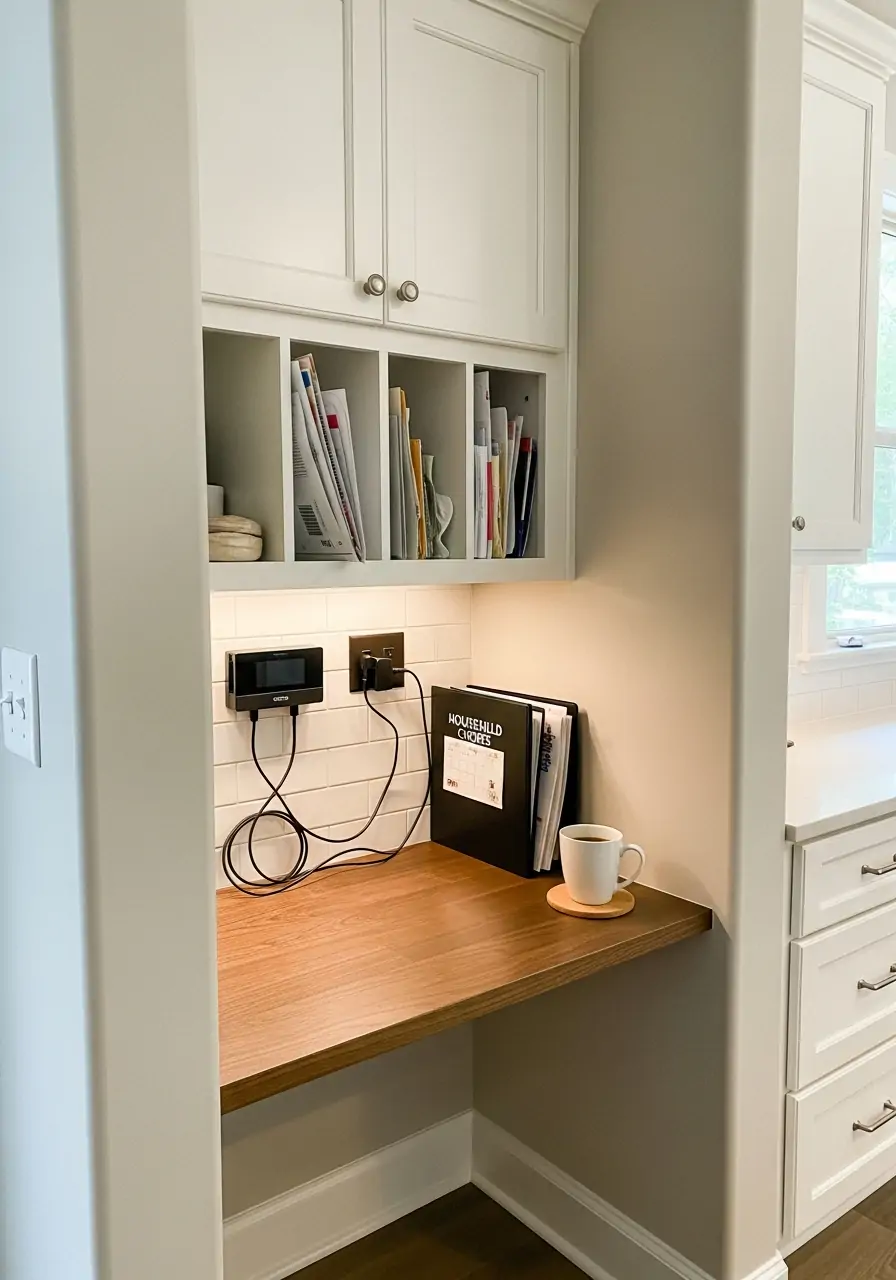
Integrate a small desk or planning area into the wall structure. Use this space for organization, charging devices, or daily household tasks.
- Include built-in drawers for pens and papers.
- Add a small task light above the desk area.
- Use a durable countertop material.
Pro Tip: Keep the desk area tidy by using vertical file holders or small decorative baskets.
21. Open Shelf and Cabinet Combo
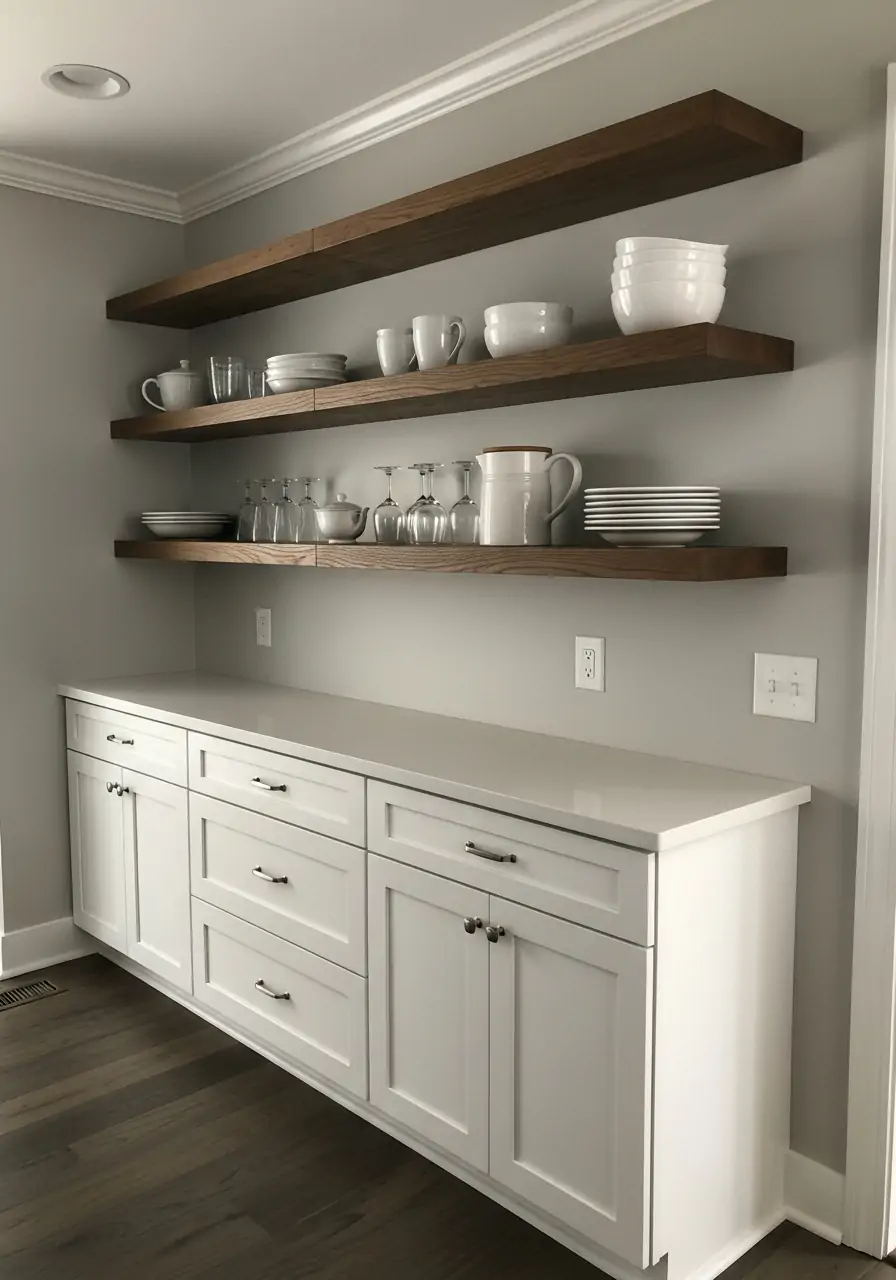
Combine upper open shelves with lower closed cabinets on the wall. This balances display space with concealed, practical storage for less attractive items.
- Use the closed cabinets for spices and oils.
- Keep the open shelves styled with pretty dishes.
- Use consistent hardware finishes.
Pro Tip: Varying the storage types prevents the wall from looking too heavy or too cluttered.
22. Beam-Wrapped Wood Finish
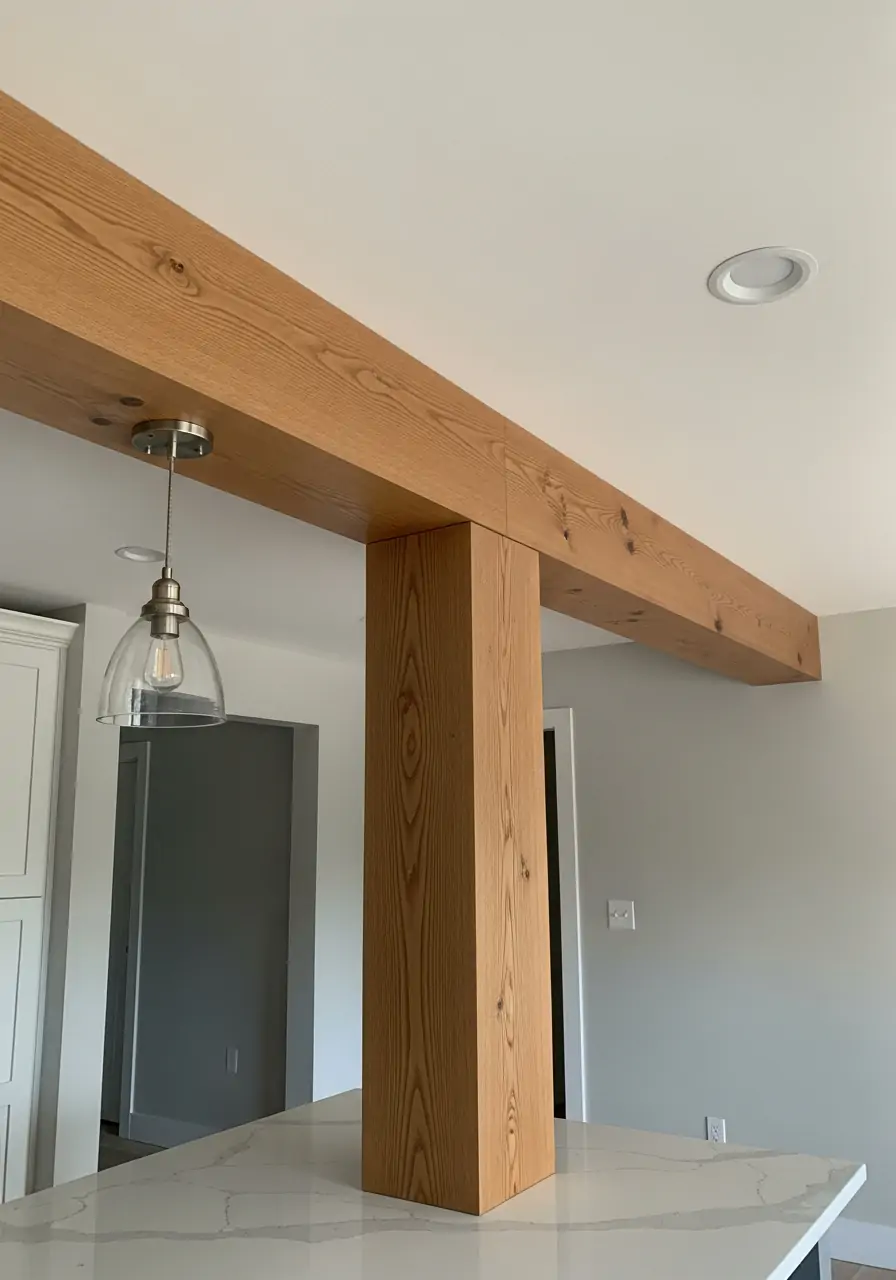
Wrap any exposed structural beams in a finished wood material. This blends the beam into the kitchen design and adds natural warmth and texture.
- Use reclaimed wood for texture and history.
- Match the wood tone to the flooring.
- Ensure the wrapping is tightly fitted.
Pro Tip: Darker wood tones make the beam feel more substantial and architectural in the room.
23. Black Steel Beam Look
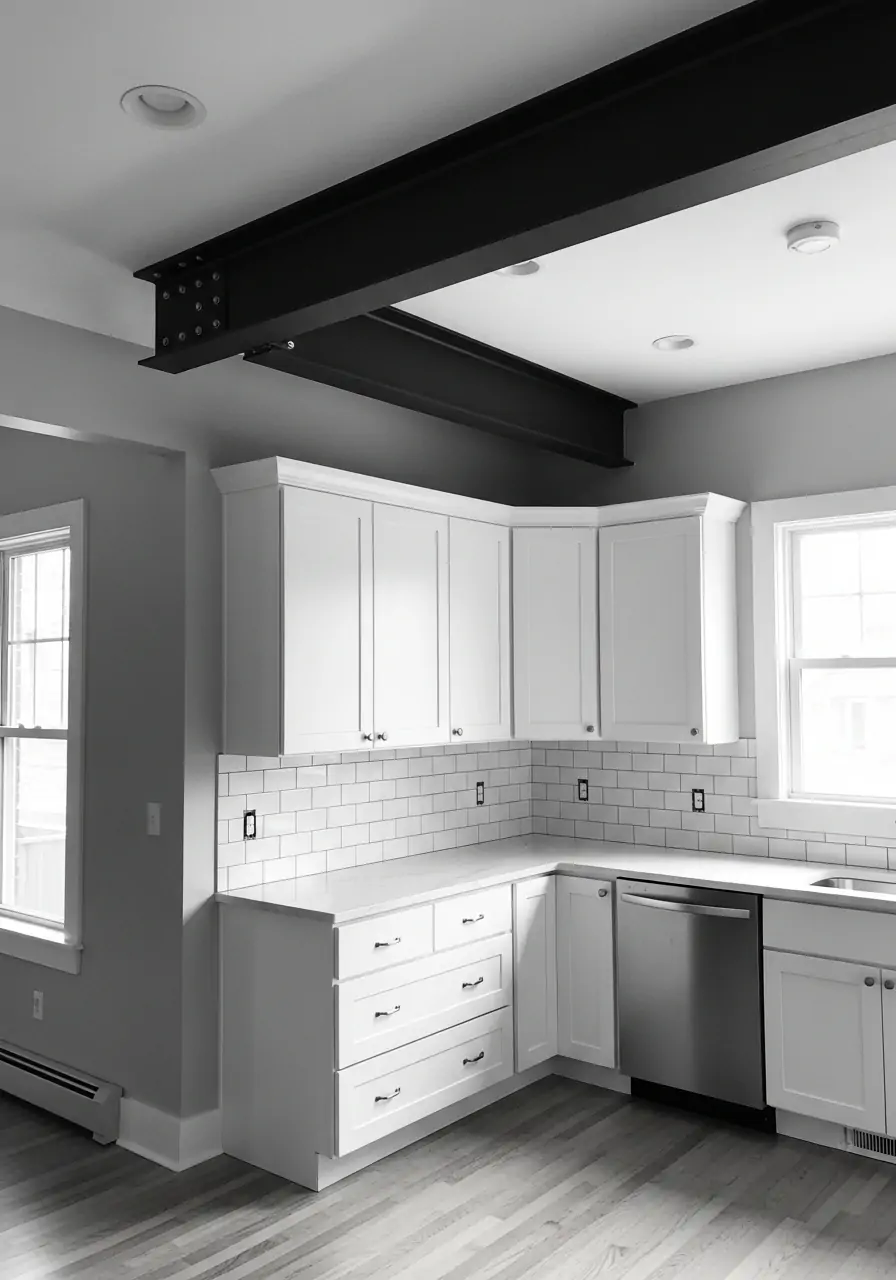
Highlight the structural beam with a black or dark metal finish. This gives the kitchen a modern, industrial, or loft-style appearance.
- Pair the black beam with white walls for high contrast.
- Use black cabinet pulls to match.
- Ensure the steel is properly treated and sealed.
Pro Tip: This look works best in homes with high ceilings and clean, simple lines.
24. Farmhouse Trimmed Opening
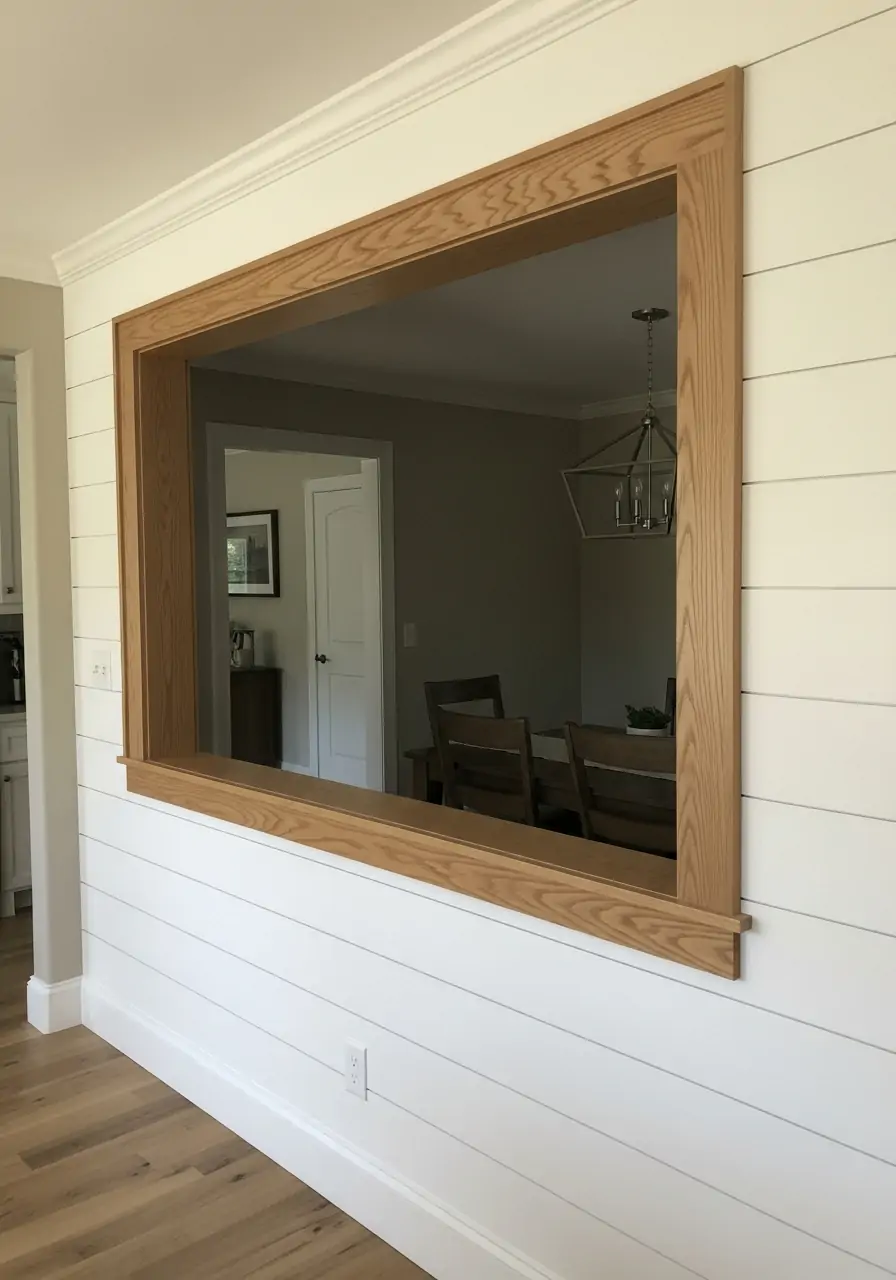
Add shiplap, wood trim, or farmhouse detailing around the wall opening. This softens the structural wall visually and adds cozy charm.
- Use wide, flat trim pieces.
- Paint the shiplap a creamy white color.
- Distress the wood trim slightly for an older look.
Pro Tip: Use matte finishes on the trim rather than high-gloss for an authentic farmhouse feel.
25. Minimalist Flush Wall Design
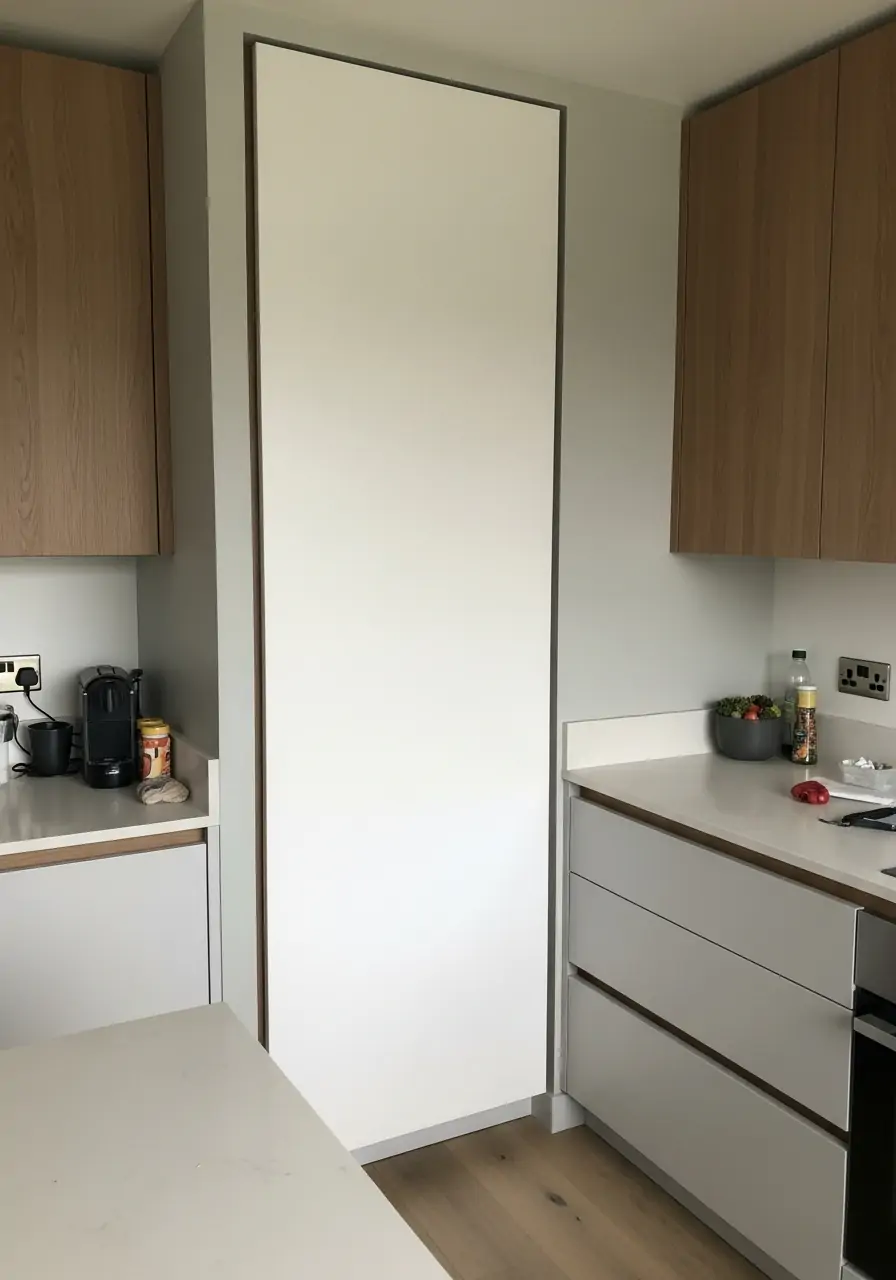
Keep the wall smooth and perfectly flush with surrounding cabinetry. This creates a clean, modern, and almost invisible appearance in the kitchen.
- Use handle-less cabinets (push-to-open).
- Paint the wall and cabinets the exact same color.
- Avoid decorative trim or molding.
Pro Tip: This requires precise installation to ensure everything lines up perfectly flat and without gaps.
26. Lighting-Integrated Wall
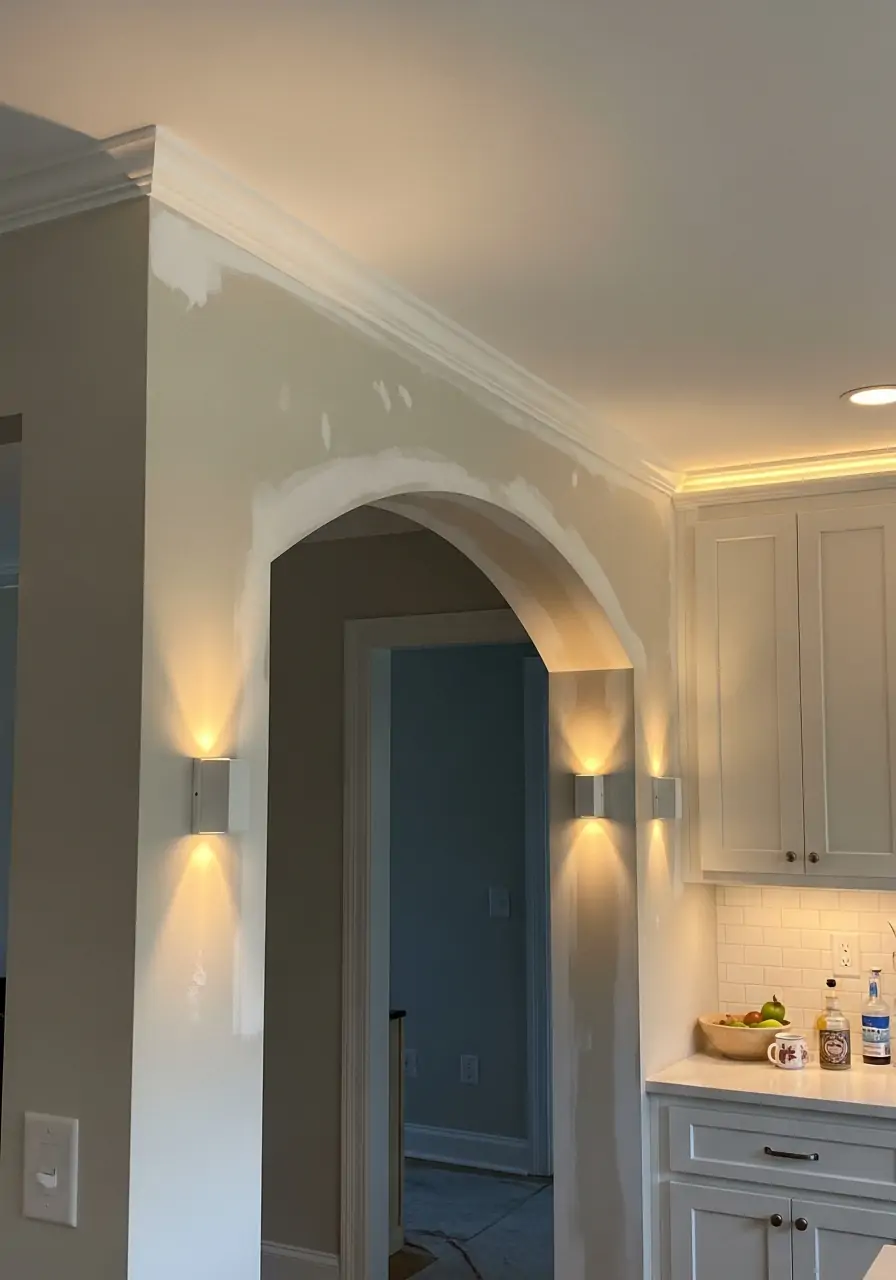
Install sconces, recessed lights, or hidden LED strips into the wall structure. This softens the wall and greatly improves the room’s overall mood and ambiance.
- Use warm-toned LED strips under shelves.
- Install picture lights above artwork.
- Place sconces at eye level for ambient light.
Pro Tip: Lighting is the easiest way to make a solid wall feel lighter and less imposing in the space.
27. Cookbook or Decor Display
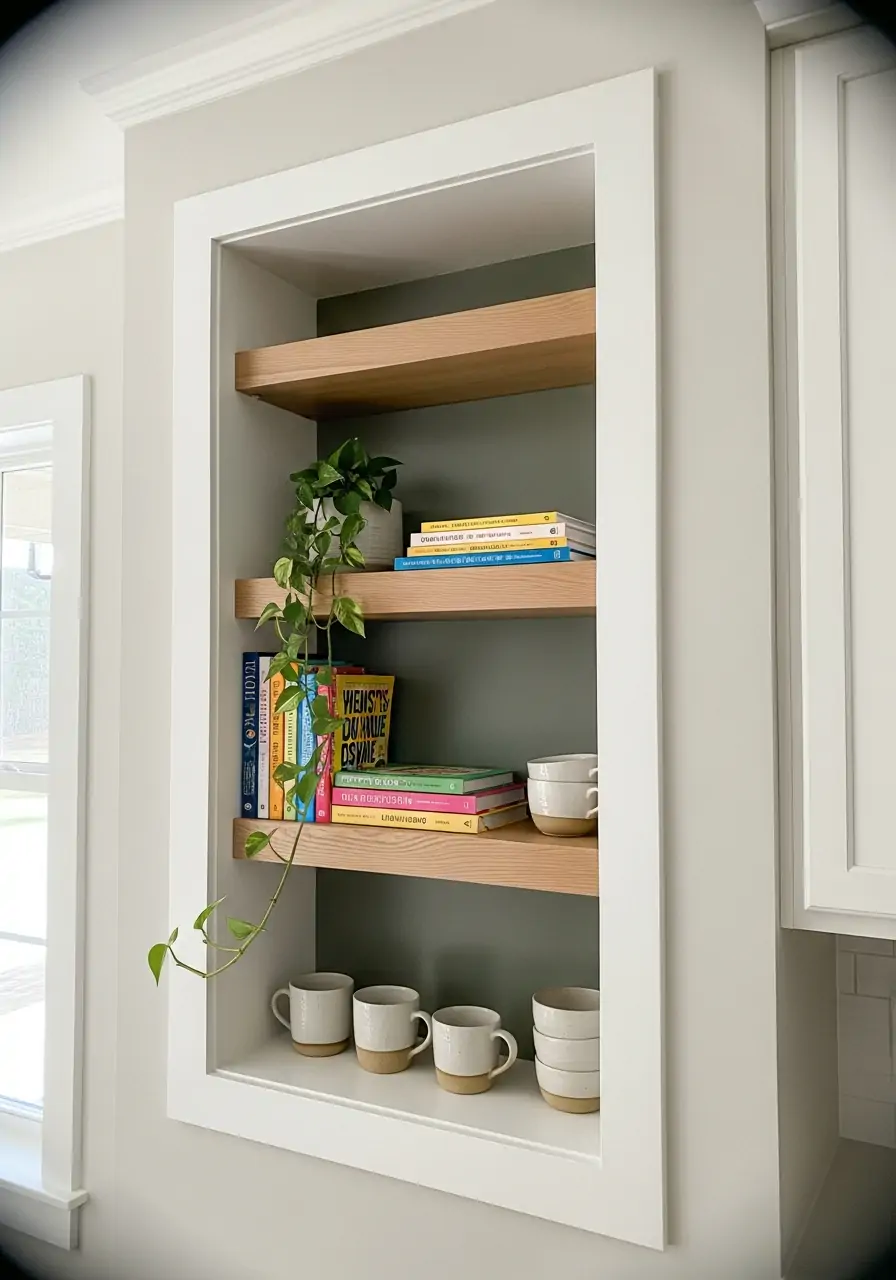
Use shallow, built-in shelving to display cookbooks, plants, or ceramics. This adds character to the wall without crowding the kitchen space.
- Ensure shelves are only 4-6 inches deep.
- Group cookbooks by color for a neat look.
- Mix in small pieces of art or framed photos.
Pro Tip: Rotate the displayed items seasonally to keep the look fresh and interesting.
28. Partial Wall, Upper Cabinets
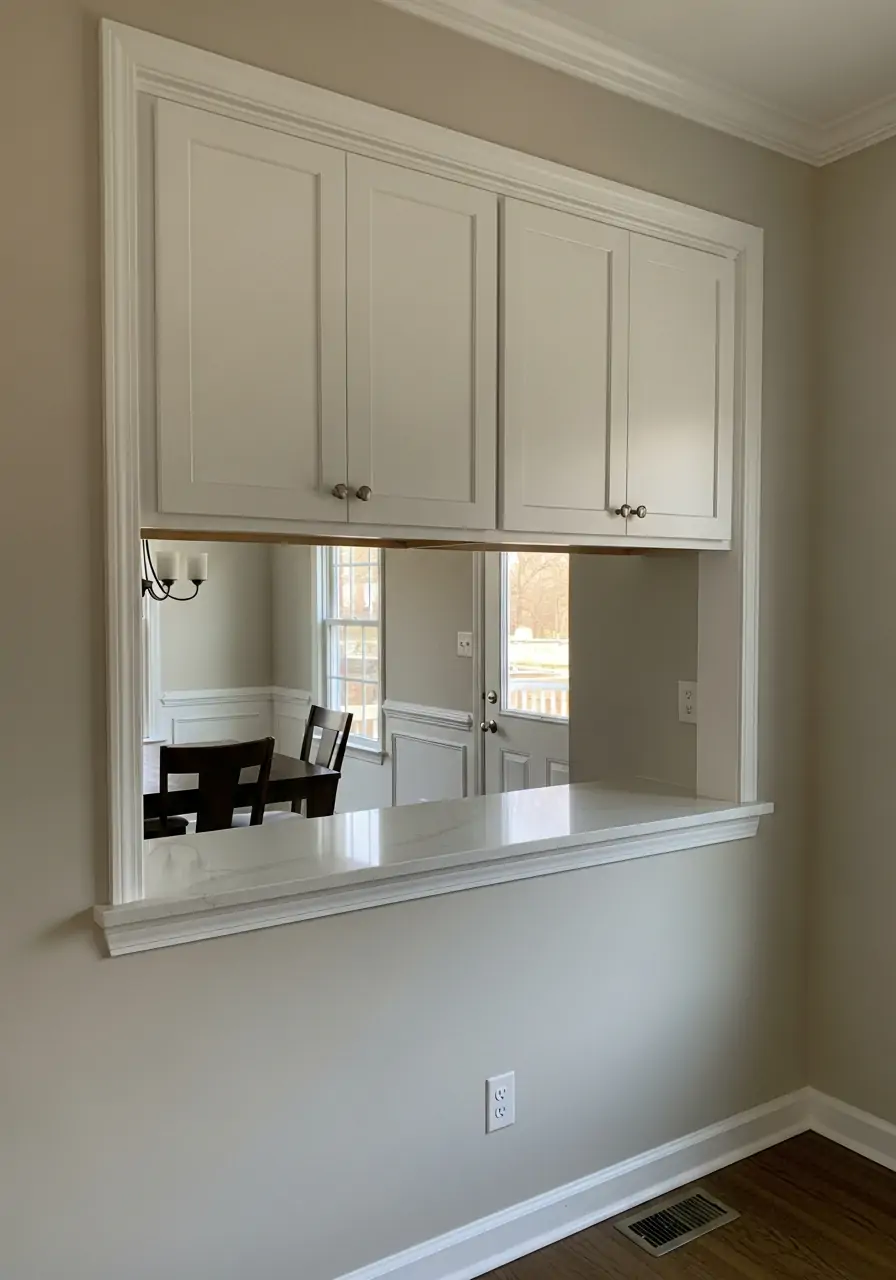
Leave the lower section open (like a pony wall) while adding closed cabinets above. This offers extra storage and maintains visual openness.
- Use glass cabinet fronts on the upper section.
- Ensure the cabinets are well-lit inside.
- Keep the pony wall section simple and painted white.
Pro Tip: This setup is ideal for kitchens that need storage but still want a strong visual connection to the next room.
29. Wall-Mounted Wine Storage
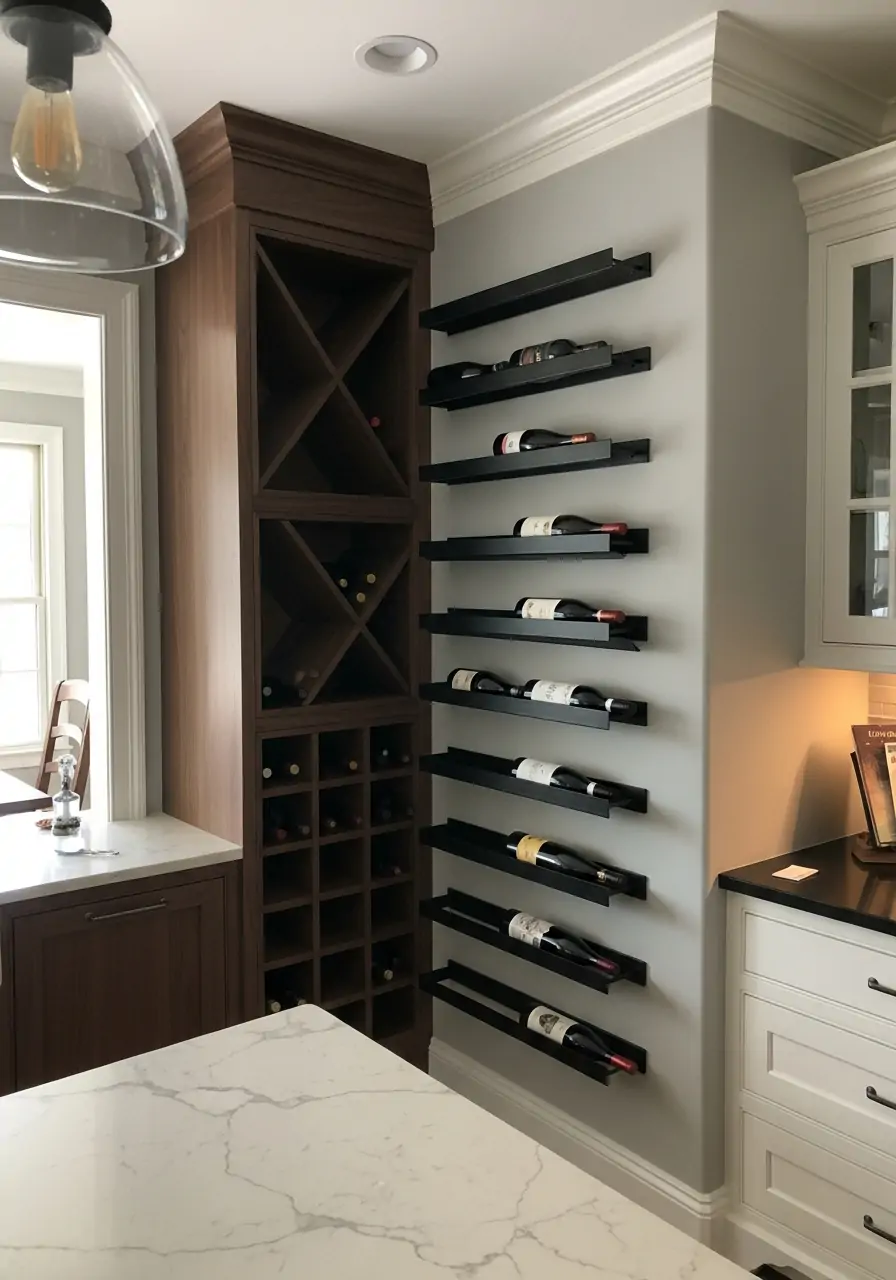
Incorporate wine racks or cubbies directly into the wall. This makes the wall functional for storage and adds a decorative element to the kitchen.
- Use dark wood or metal racks for a cellar feel.
- Ensure the storage is away from direct heat.
- Install racks securely into studs.
Pro Tip: If space allows, add a small glass holder rail beneath the wine storage area.
30. Textured Plaster Finish
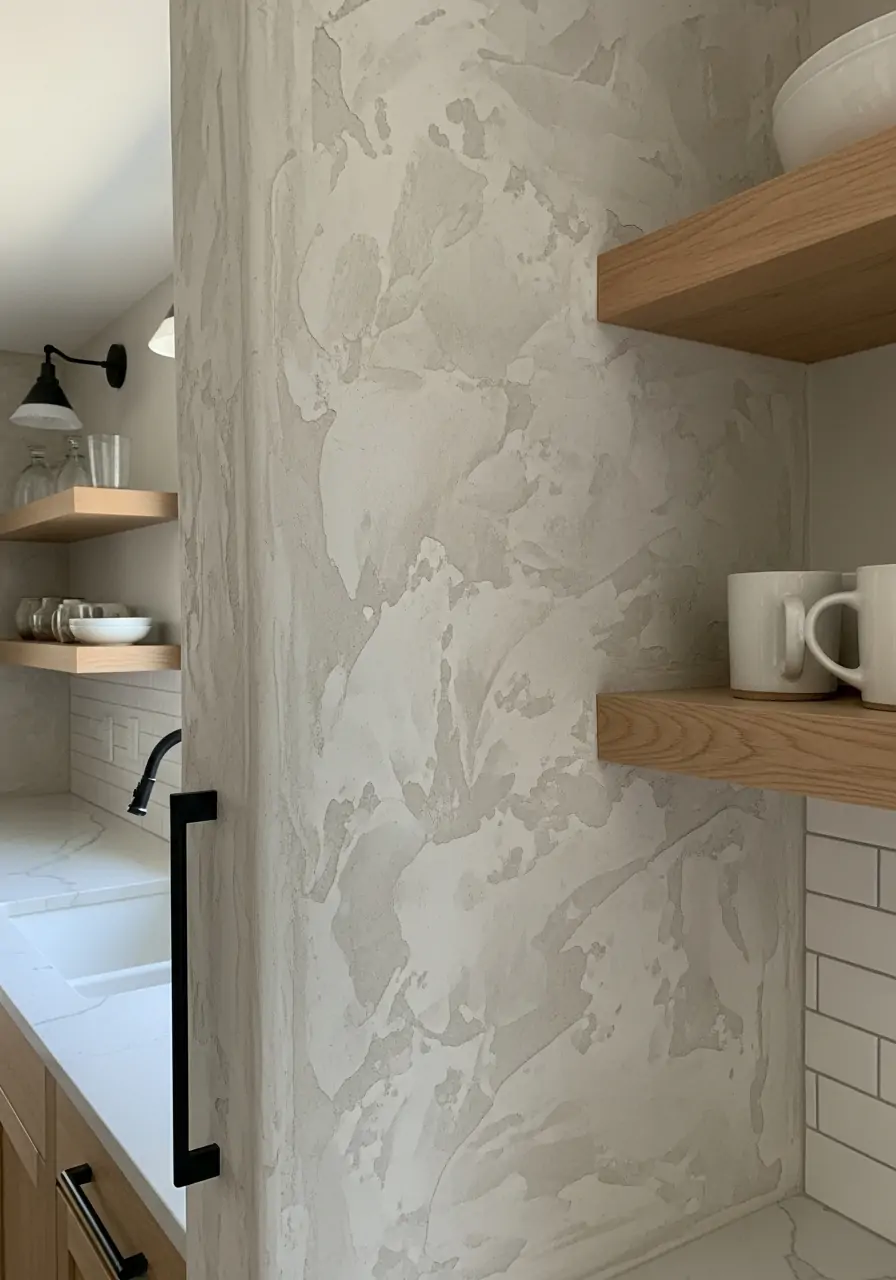
Apply plaster or limewash to add depth and softness to the wall surface. This gives the kitchen an earthy, custom, and subtle texture.
- Use light gray or white plaster for a modern look.
- Choose a matte finish to absorb light.
- Practice the technique on a small board first.
Pro Tip: This finish hides minor wall flaws much better than flat paint does.
31. Kitchen and Dining Divider
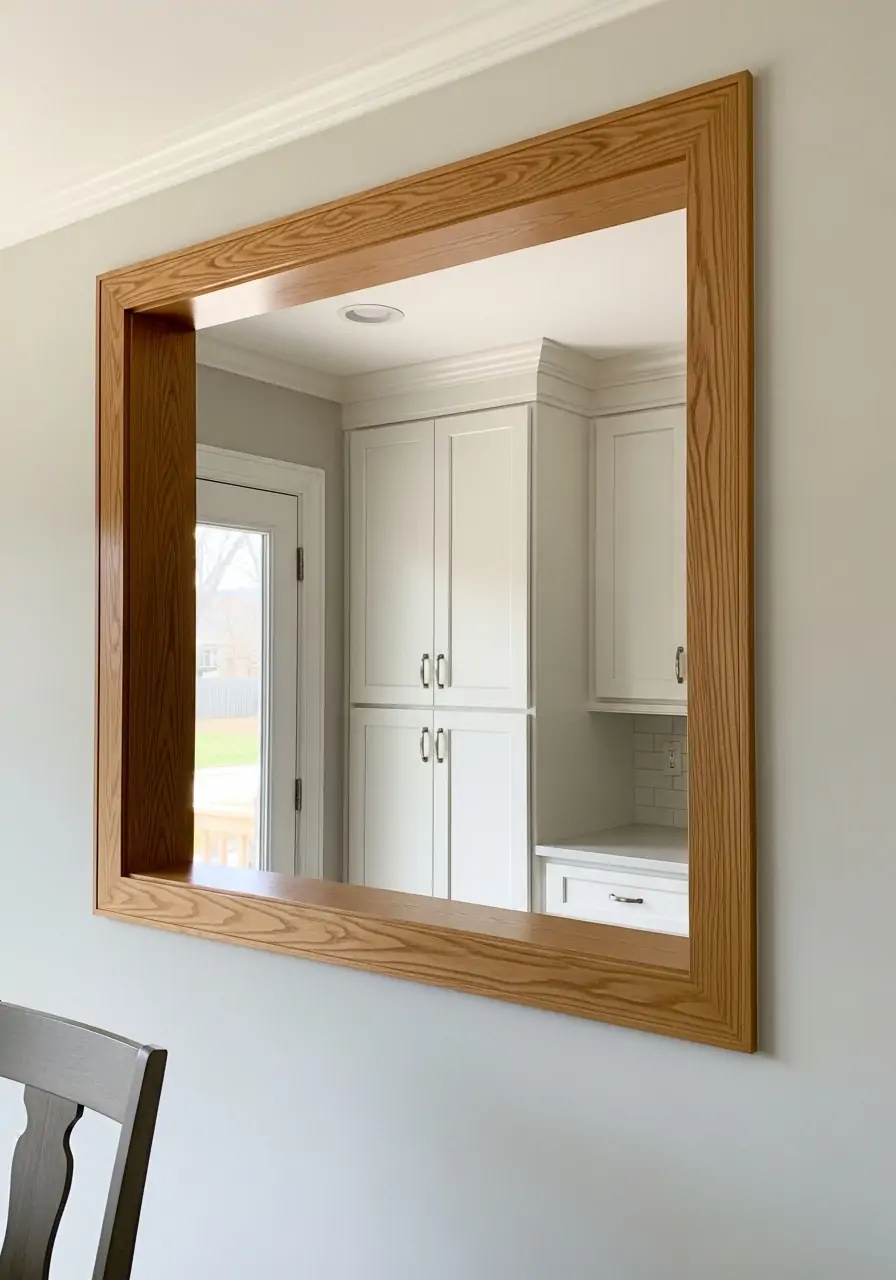
Use the wall to subtly separate the kitchen and dining areas. Keep a wide, framed opening to maintain easy flow and visual connection.
- Use differing floor materials on each side.
- Paint the kitchen side a functional color.
- Define the spaces by hanging a large mirror.
Pro Tip: A half wall allows you to keep cooking smells contained without feeling closed off.
32. Slim Support Post Design
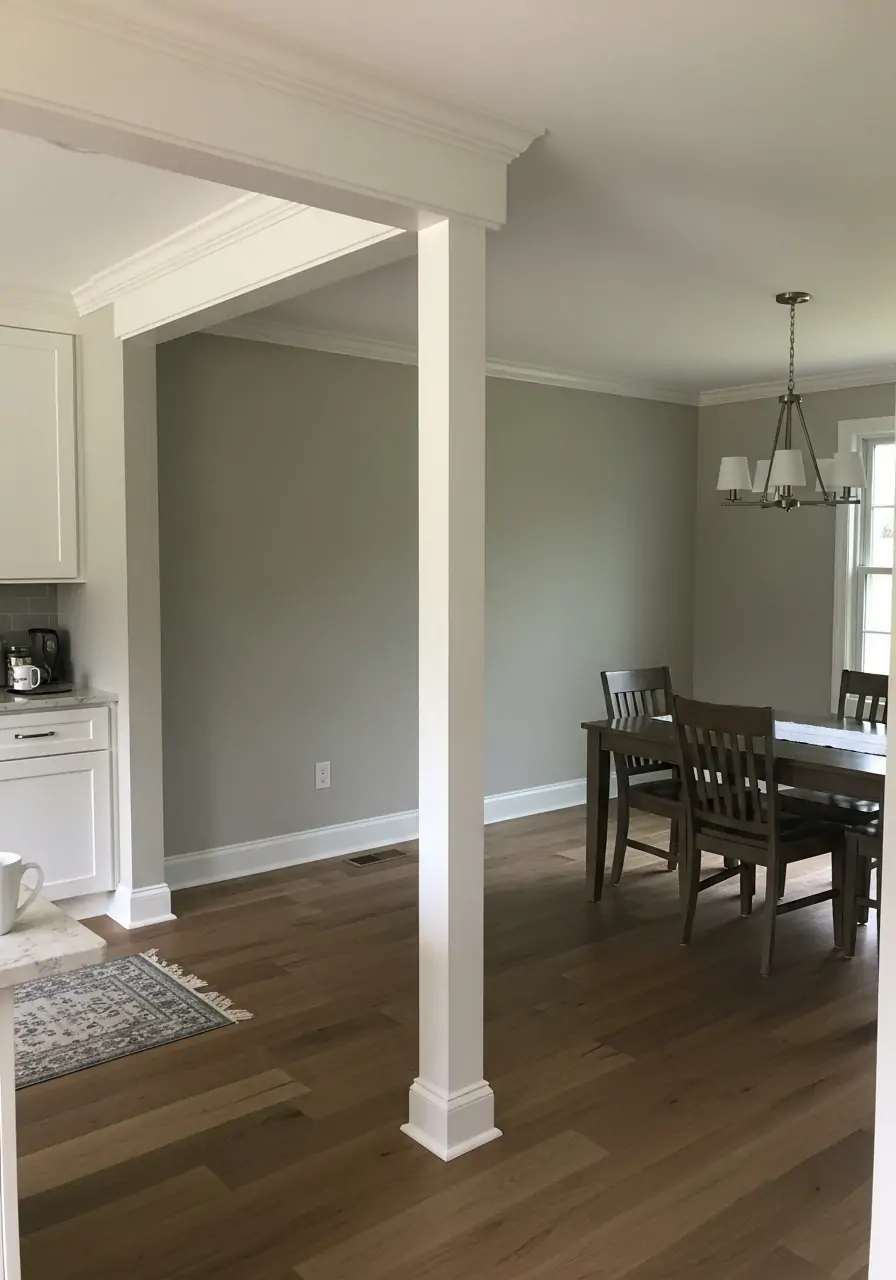
Replace bulky wall sections with narrow engineered posts or columns. This opens up the layout much more than a wide, solid wall.
- Use steel posts wrapped in thin wood.
- Paint the posts a contrasting color for emphasis.
- Consult an engineer for proper sizing.
Pro Tip: Slim posts maximize light flow and sightlines across the room effectively.
33. Color-Matched Cabinet Wall
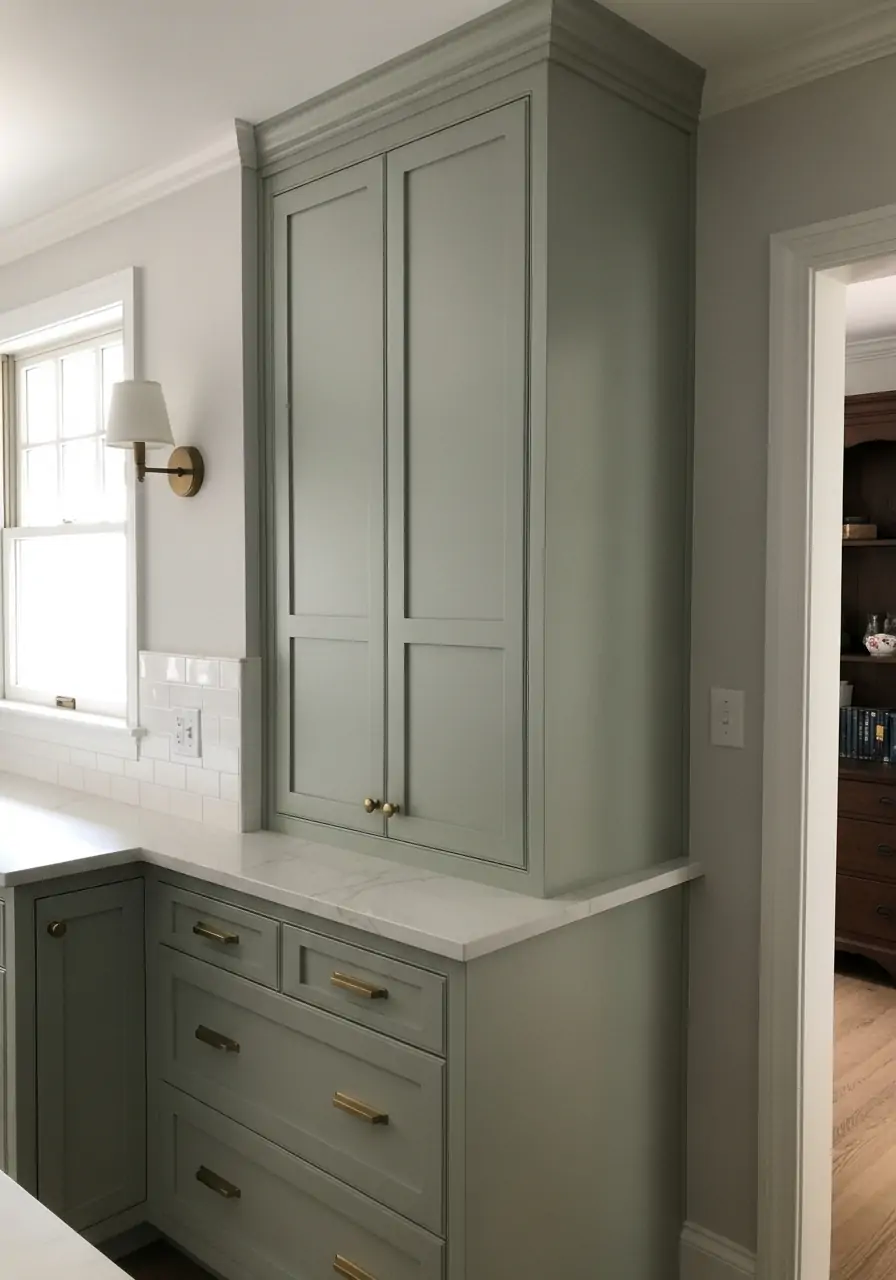
Match the cabinet color exactly to the wall paint color. This makes the entire structure blend seamlessly into the kitchen design, creating a unified look.
- Use a soft neutral like greige or light gray.
- Ensure the paint finish is durable.
- This works best with simple cabinet fronts.
Pro Tip: This technique is excellent for making a small kitchen look larger and less cluttered.
34. Contrast Cabinet Accent Wall
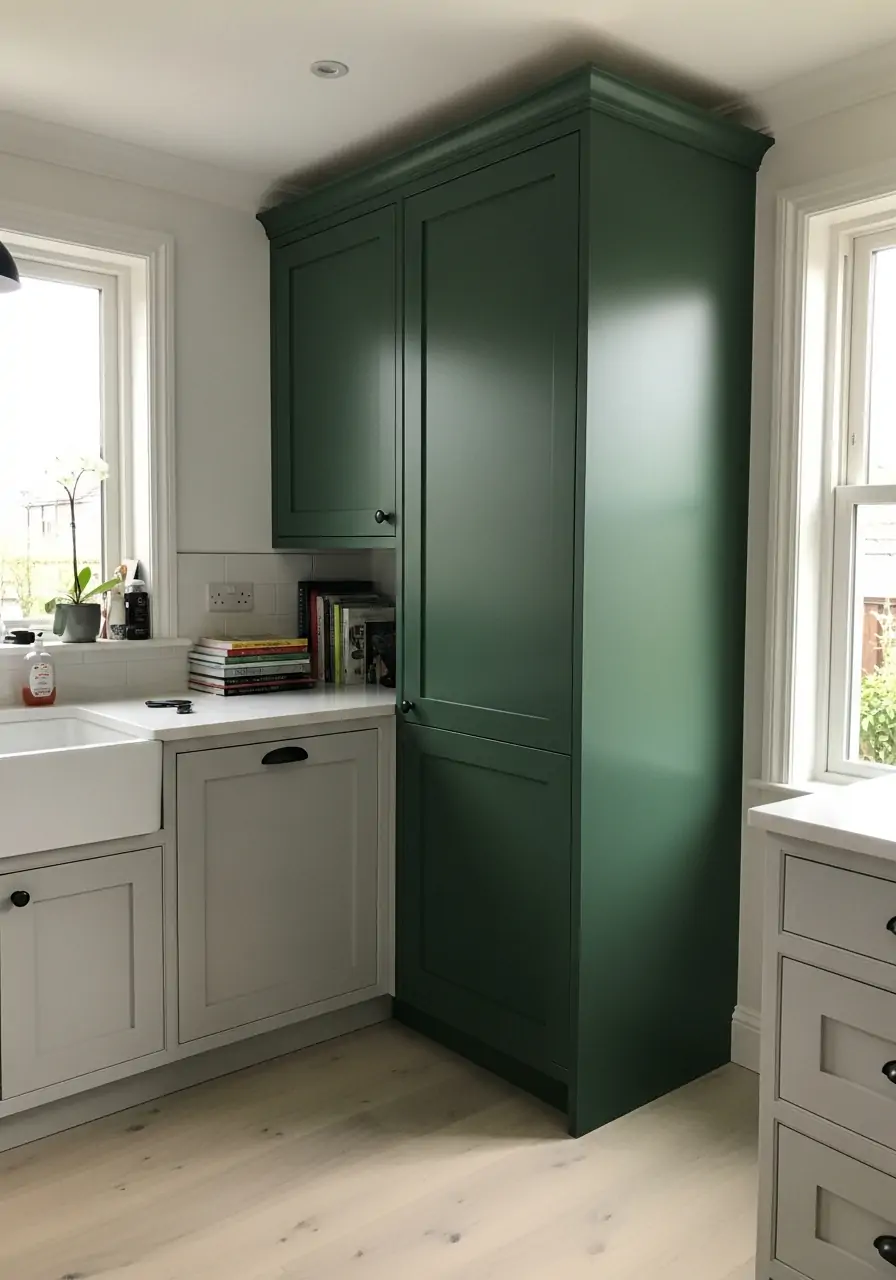
Use darker or bolder colored cabinets on the wall to create a strong focal point. This draws the eye and adds visual interest to the kitchen.
- Pair dark navy cabinets with white upper walls.
- Use brass hardware to make the dark color pop.
- Keep the rest of the kitchen neutral.
Pro Tip: This draws attention to the wall, making it feel like a design choice, not a structural necessity.
35. Built-In Bench Seating Wall
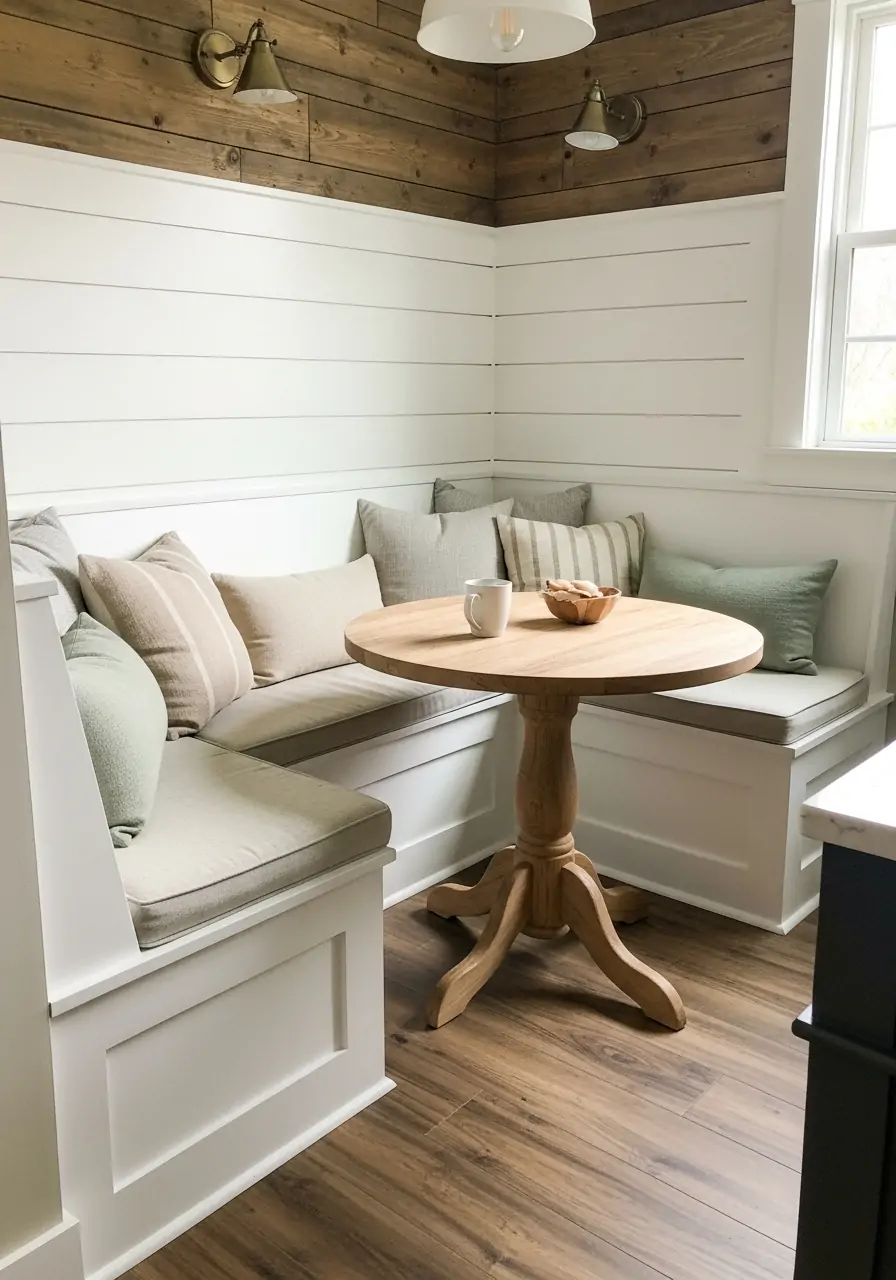
Add a built-in bench or banquette against the wall. This creates a cozy breakfast nook or casual dining area right in the kitchen.
- Include storage drawers underneath the bench seat.
- Use durable, washable fabric for the cushions.
- Ensure the bench height is comfortable.
Pro Tip: Bench seating saves space compared to using individual chairs around a table.
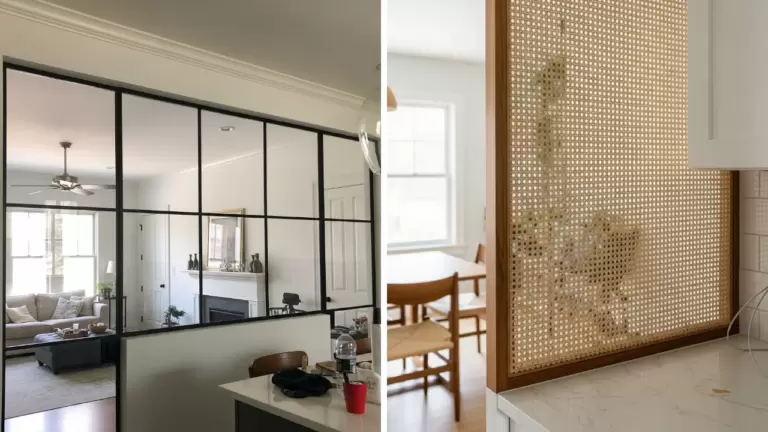
36. Modern Grid-Style Opening
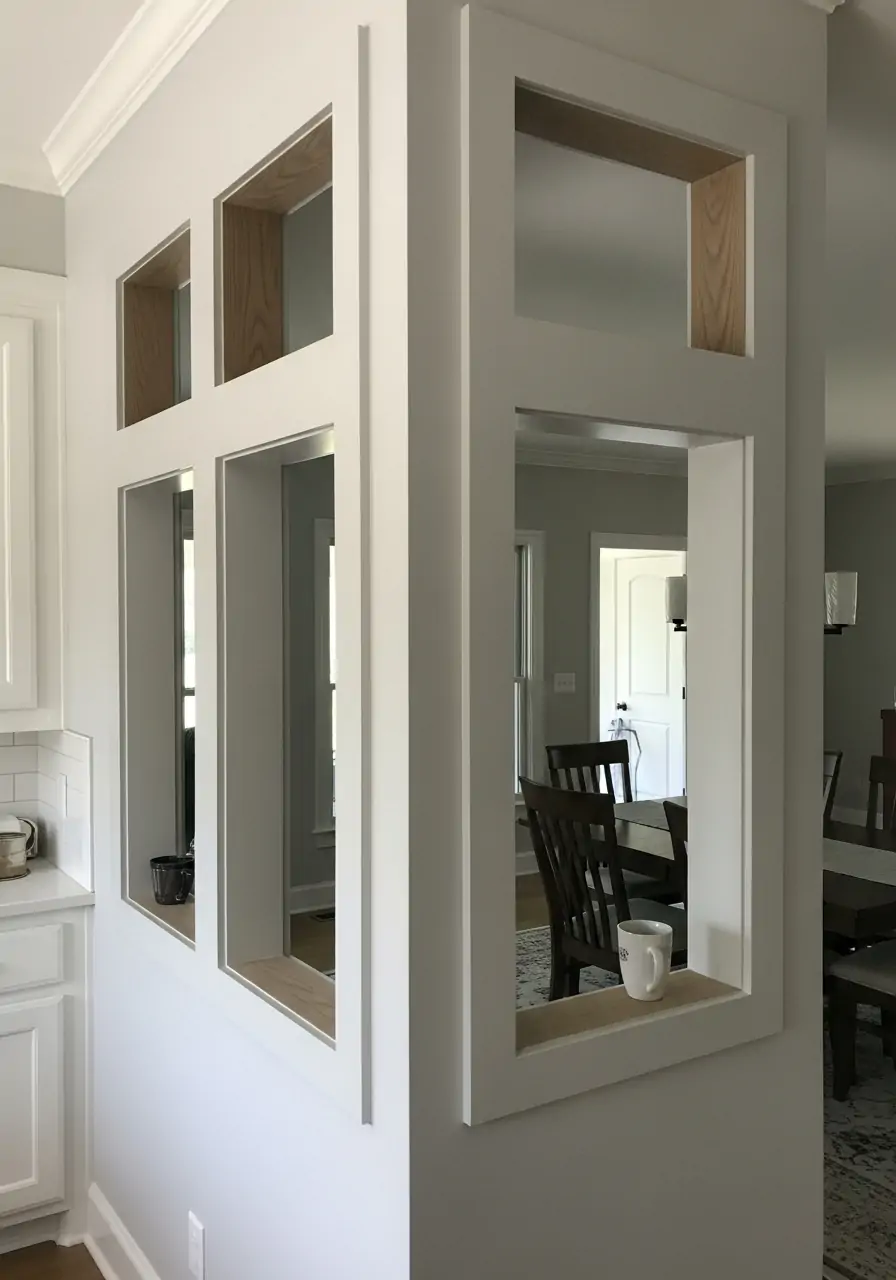
Create multiple framed openings or windows within the wall structure. This offers a contemporary architectural look and allows for partial views.
- Use thin, black metal framing for a sleek look.
- Ensure the grid pattern is symmetrical.
- Use the openings to display small plants.
Pro Tip: This design adds character and texture without fully exposing the adjacent room.
37. Wall With Hanging Pot Rail
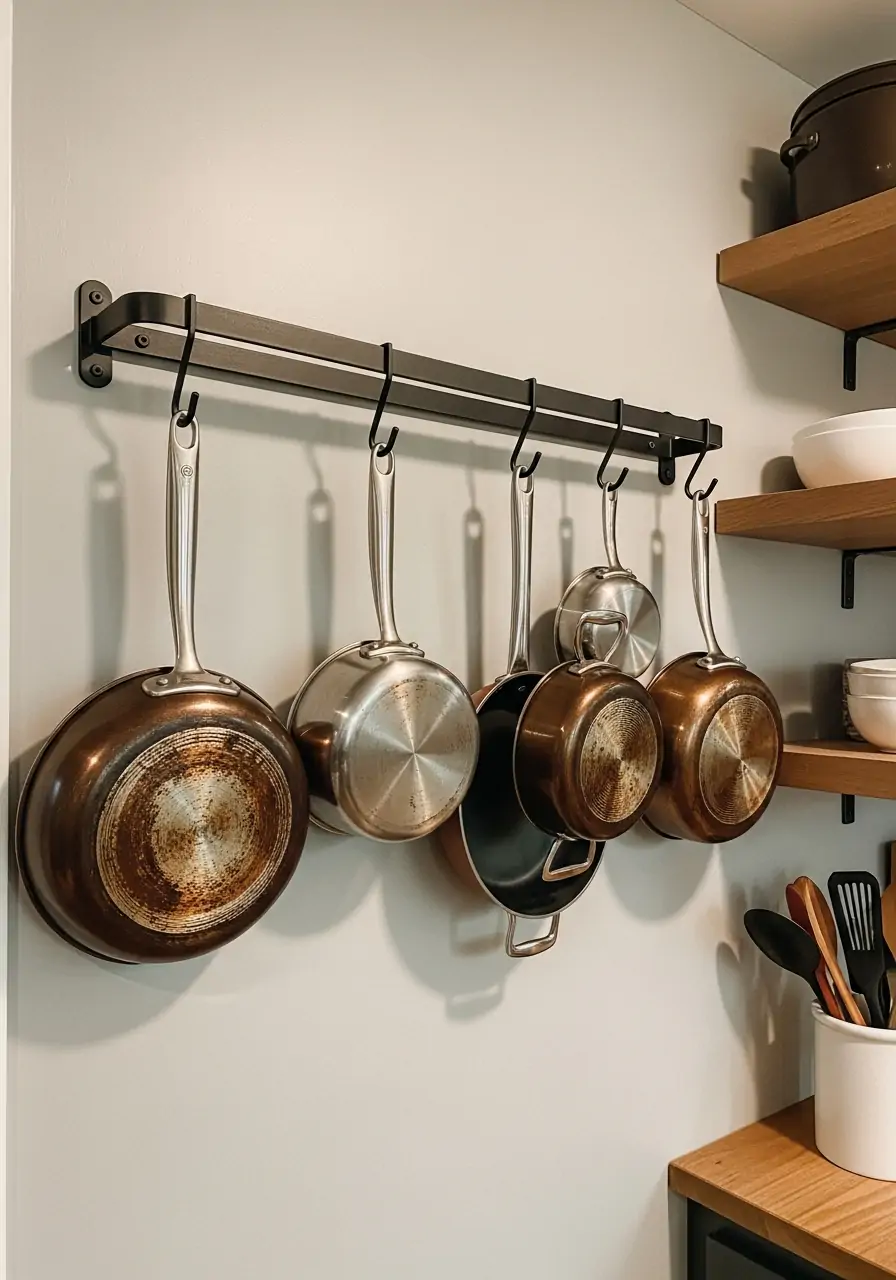
Install a sturdy metal pot rail or hooks onto the wall surface. This adds function, frees up cabinet space, and creates visual interest.
- Use copper or brass rails for a warm tone.
- Hang pots that match in size and color.
- Ensure the rail is anchored securely into studs.
Pro Tip: Hanging pots makes them easy to grab while cooking and adds a professional chef-kitchen feel.
38. Neutral Stone-Tone Wall
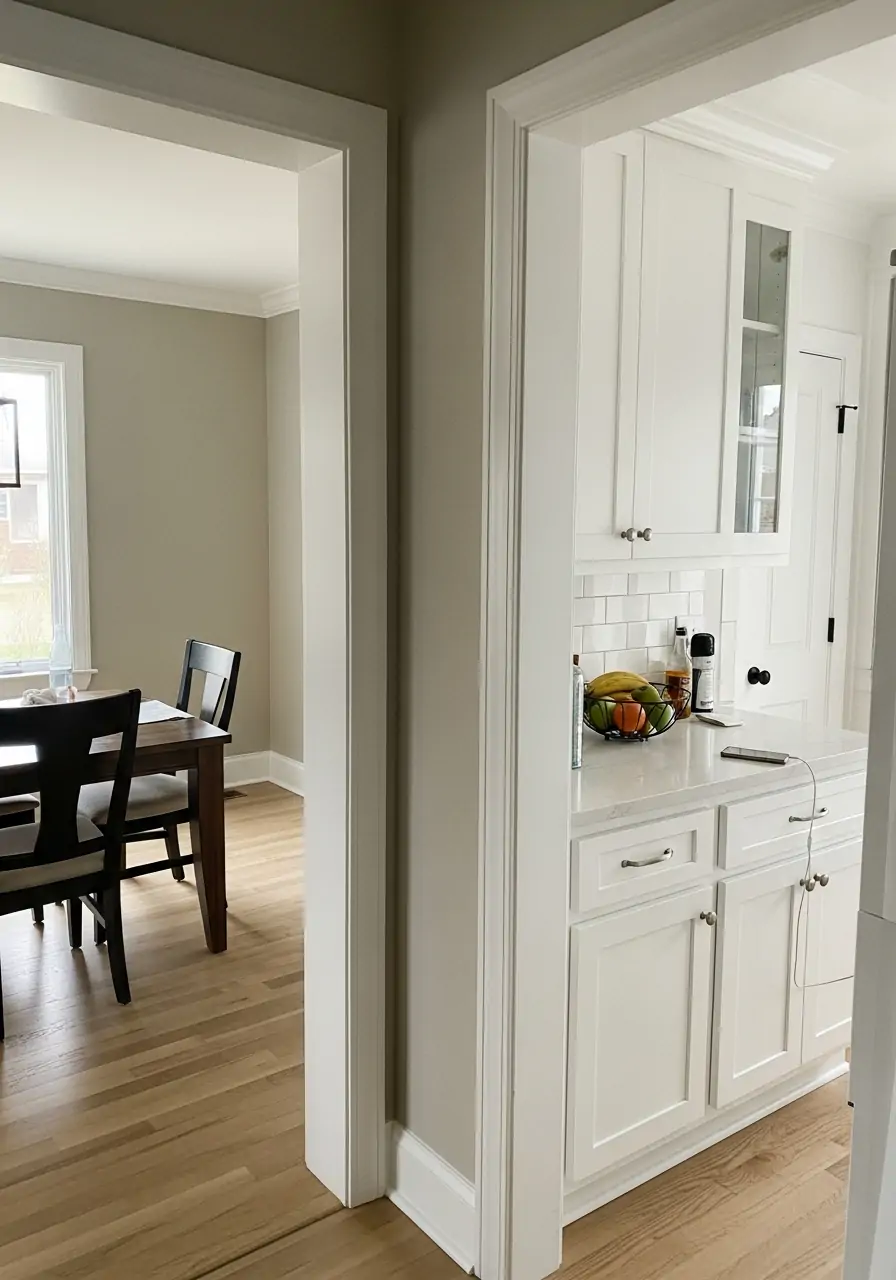
Use soft beige, greige, or stone-inspired paint tones on the wall. This gives a timeless, calming look that works well with modern kitchens.
- Pair the stone tone with natural wood accents.
- Use a matte finish for a soft look.
- Keep trim work simple and white.
Pro Tip: These neutral tones are very popular right now because they feel warm but still clean.
39. Ceiling-Height Wall Detail
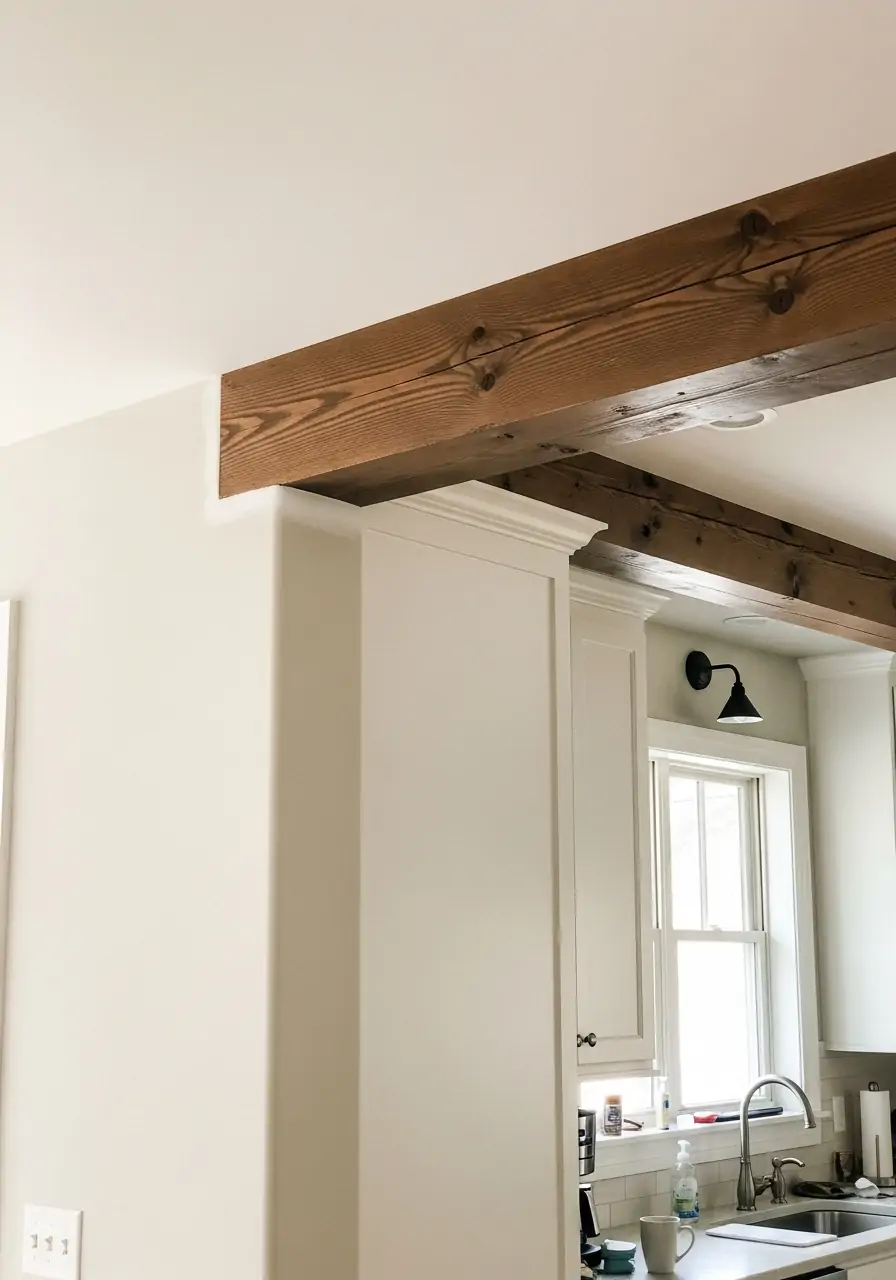
Keep the wall full height and highlight the supporting beams or structure above. This adds drama and emphasizes the home’s architecture.
- Paint the ceiling a contrasting color.
- Use recessed lighting along the beam line.
- Ensure the wall texture is smooth.
Pro Tip: Full-height walls offer the most sound separation between the kitchen and other rooms.
40. Statement Art Wall
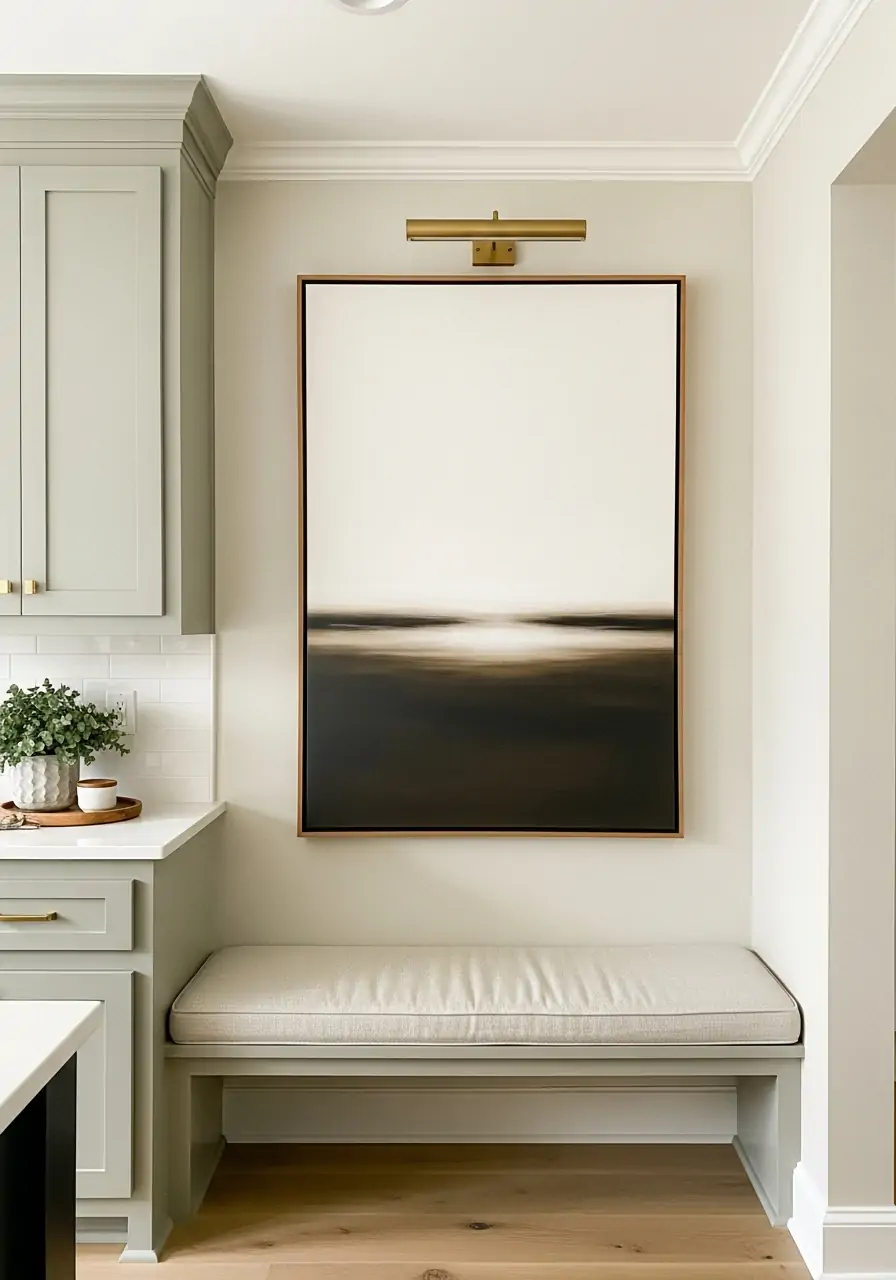
Hang oversized artwork, a large mirror, or sculptural decor on the wall. This makes the wall feel curated, intentional, and less structural.
- Choose art that uses colors found elsewhere.
- Ensure the artwork is protected from splatter.
- Use a single, very large piece for maximum impact.
Pro Tip: Art should cover at least two-thirds of the wall width to make a true statement piece.
Don’t let a load-bearing wall stop your kitchen dreams!
Whether you open it up with a beam or turn it into a smart storage wall, these ideas prove that structure can be stylish.
Which idea will you try first? Comment below, share this post, and be sure to pin your favorites!