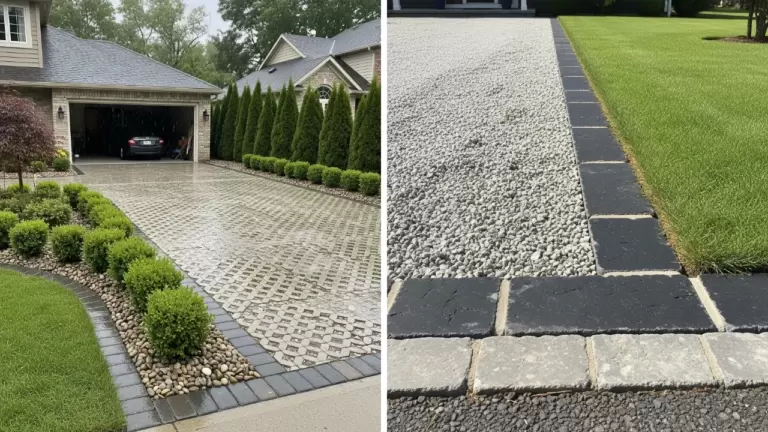
50 Florida Landscaping Ideas

This post may contain affiliate links: full affiliate disclosure.
Are you tired of your Florida yard looking brown or boring, but afraid of the huge water bill?
Florida yards need smart solutions to look lush without constant work.
We’ve gathered the best, most budget-friendly florida landscaping ideas that keep your space looking like a resort, promise!
1. Tropical Palm Focal Points
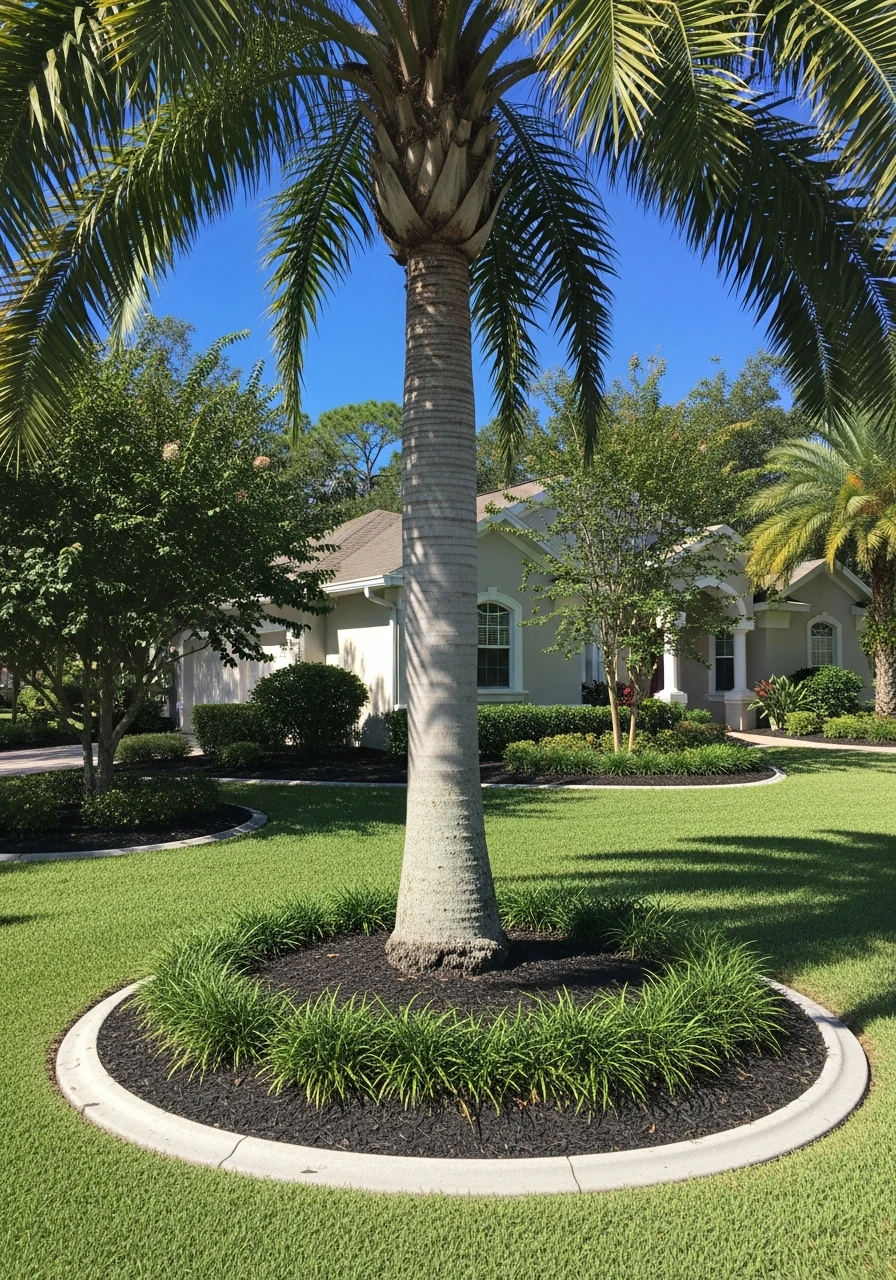
Use one gorgeous palm tree as the main focus in your front yard. This gives you that instant, classic Florida feel without having to plant a whole jungle. They offer great shade and structure all year long.
- Pick a slow-growing variety like a Silver Saw Palmetto.
- Ensure the palm is planted away from power lines.
- Underplant with low-maintenance flowers.
Pro Tip: Use landscape lighting to shine up the trunk at night for maximum drama.
2. Colorful Croton Plant Beds
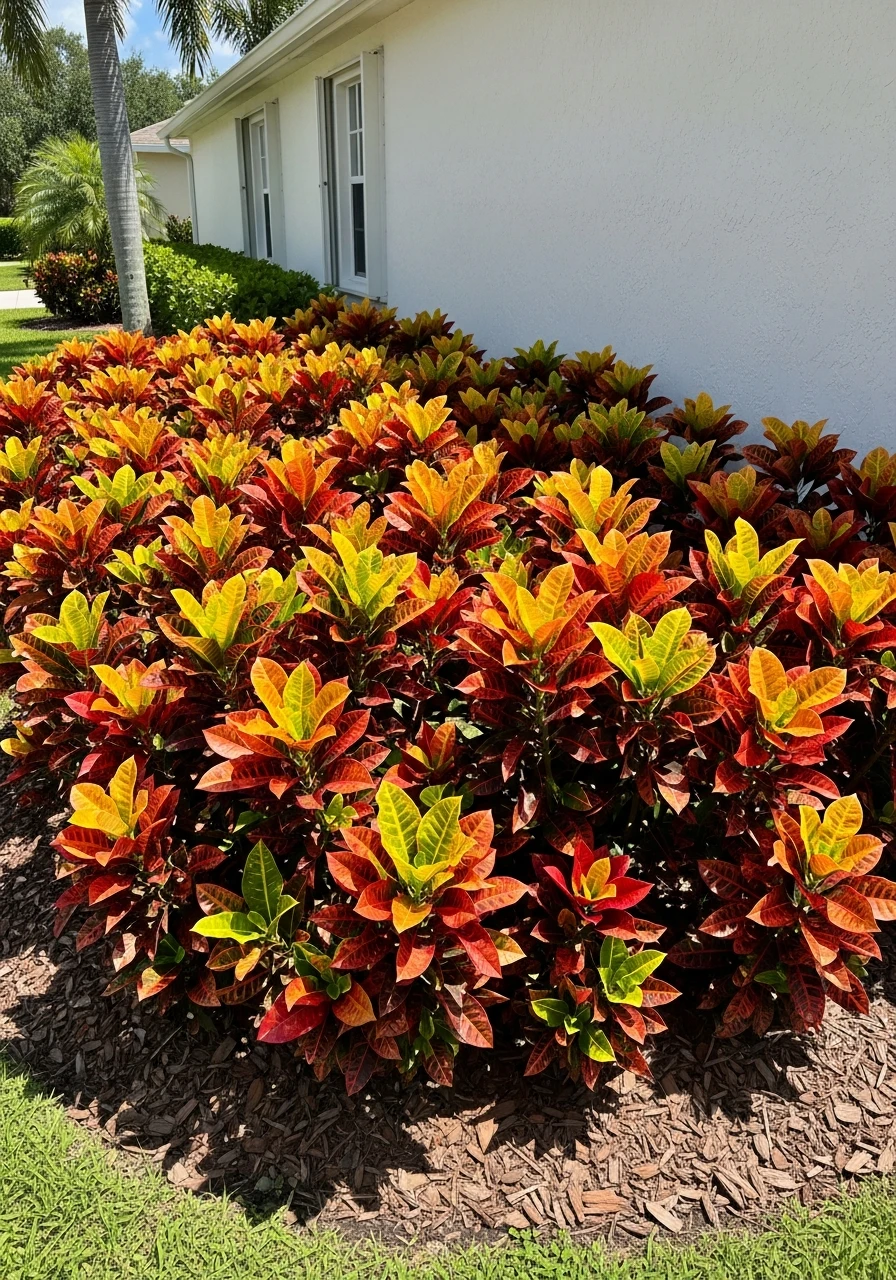
Crotons are a must-have if you want bold color that isn’t just flowers. Their leaves are vibrant reds, yellows, and oranges, and they love the Florida heat. Group them together for a big impact look.
- Plant crotons in masses of odd numbers (3, 5, or 7).
- Give them some afternoon shade to prevent leaf burn.
- They thrive in containers too.
Pro Tip: Mix different croton varieties in one bed for a truly striking color splash.
3. Low-Growing Groundcovers
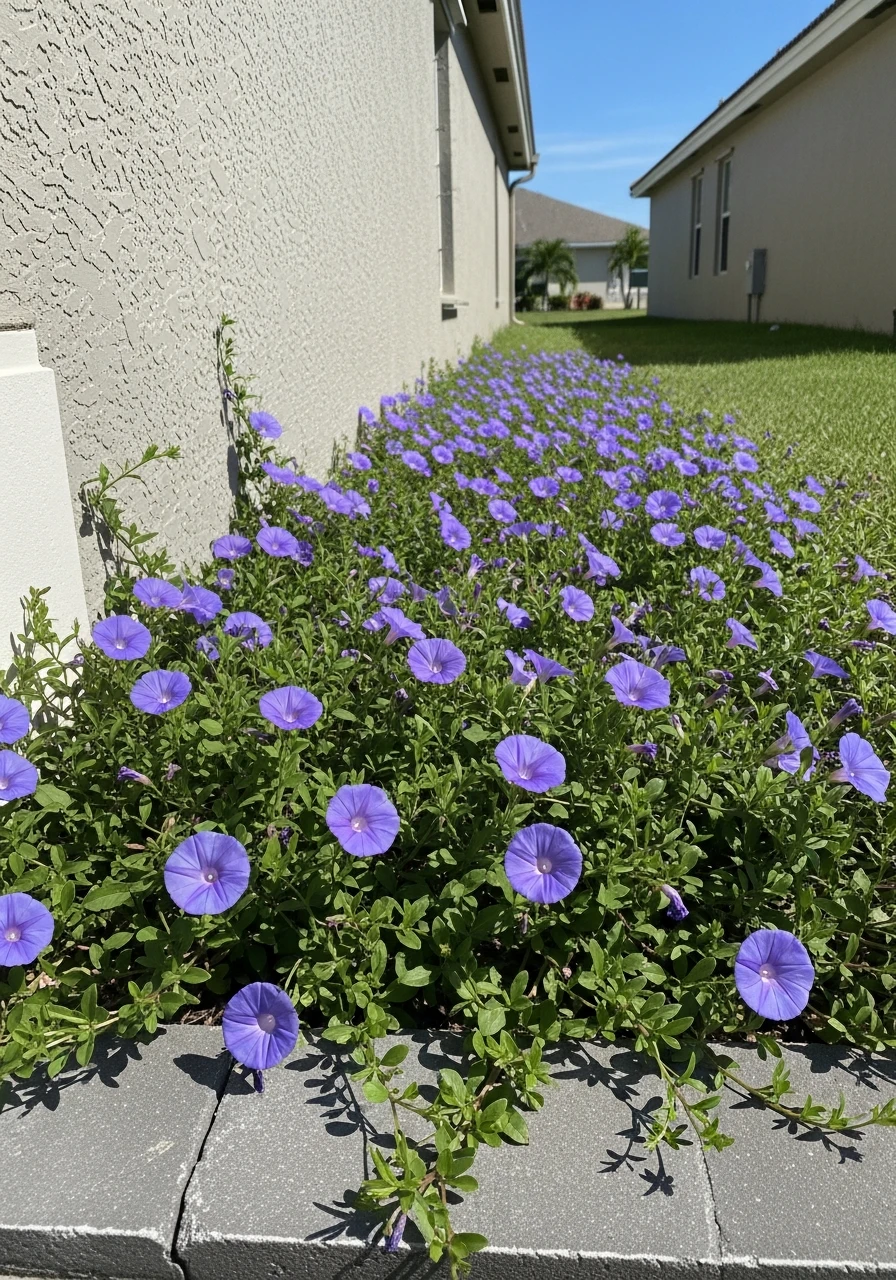
Ditch the grass in those awkward spots where mowing is a pain. Using groundcovers like blue daze means less maintenance and less watering. They hug the ground beautifully and look tidy.
- Use groundcovers on slopes or narrow side yards.
- Sunshine Mimosa is great for high-sun areas.
- Check local nurseries for drought-tolerant options.
Pro Tip: Lay down weed barrier before planting groundcover to reduce future maintenance.
4. Native Beach Sunflower Borders
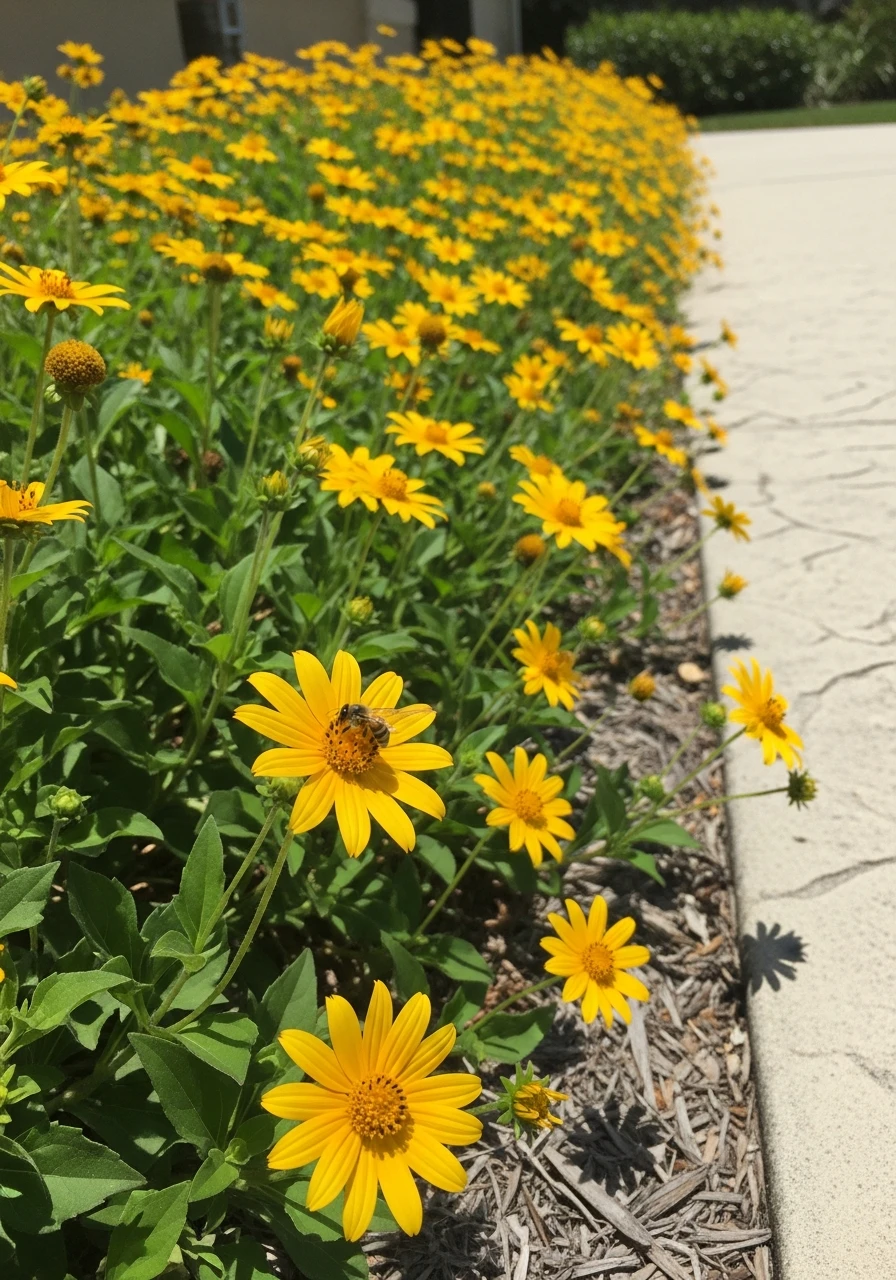
For a cheerful, low-effort border, try the native beach sunflower. It handles intense heat and drought like a champ, making it perfect for walkways. Plus, it blooms frequently and supports local bees.
- Plant along edges that get full, direct sun.
- They require very little supplemental water once established.
- Pinch back occasionally to encourage bushier growth.
Pro Tip: This plant works wonders if you live near the coast, as it tolerates salt spray.
5. Ornamental Grass Groupings
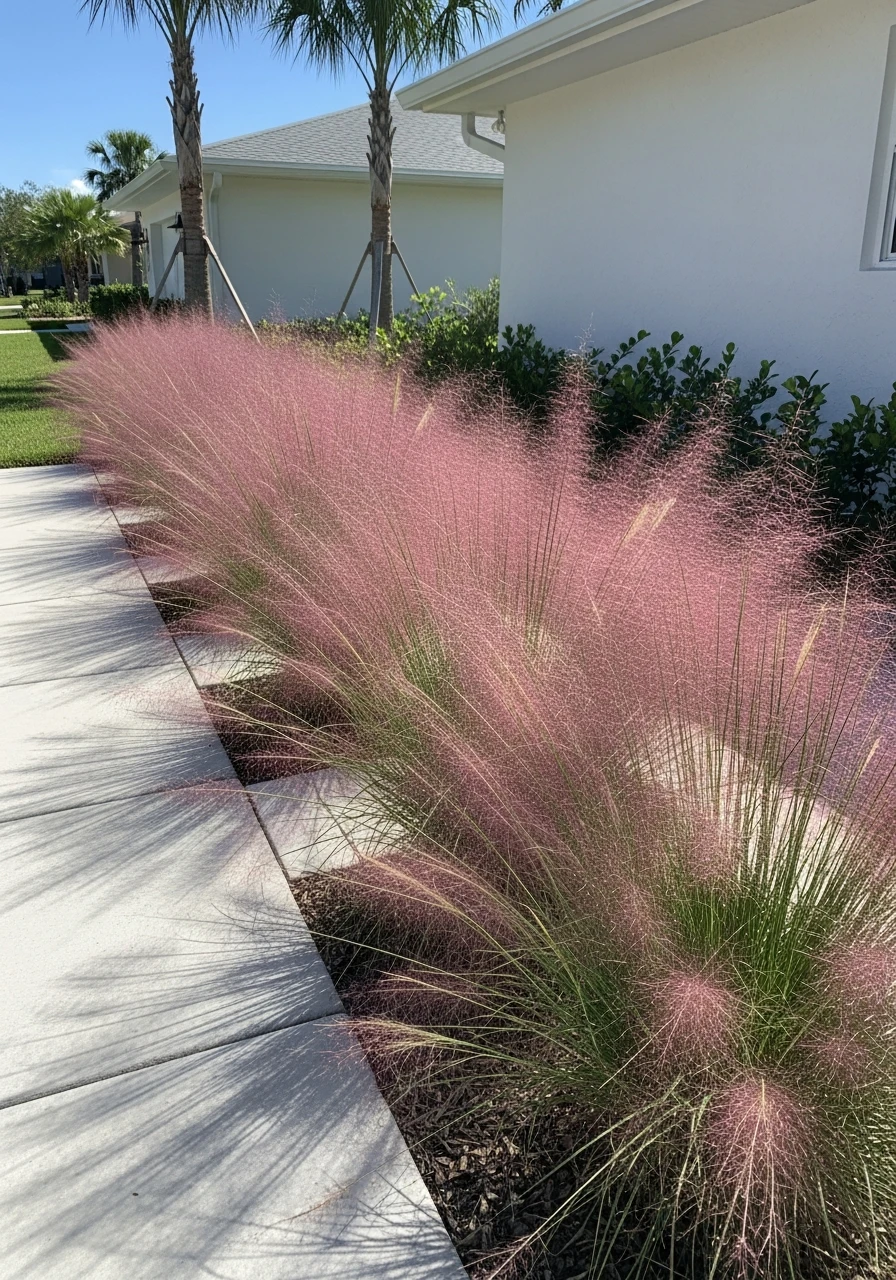
Add movement and texture to your yard using ornamental grasses like Muhly grass. Planting them in clusters creates a modern, soft look that catches the breeze. They require almost zero maintenance once they settle in.
- Use groups of five or more for a dramatic effect.
- Muhly grass has beautiful pinkish-purple plumes in fall.
- Trim them back hard once a year.
Pro Tip: Place grasses where they contrast against solid pavement or retaining walls for the best look.
6. Firebush Attracts Pollinators
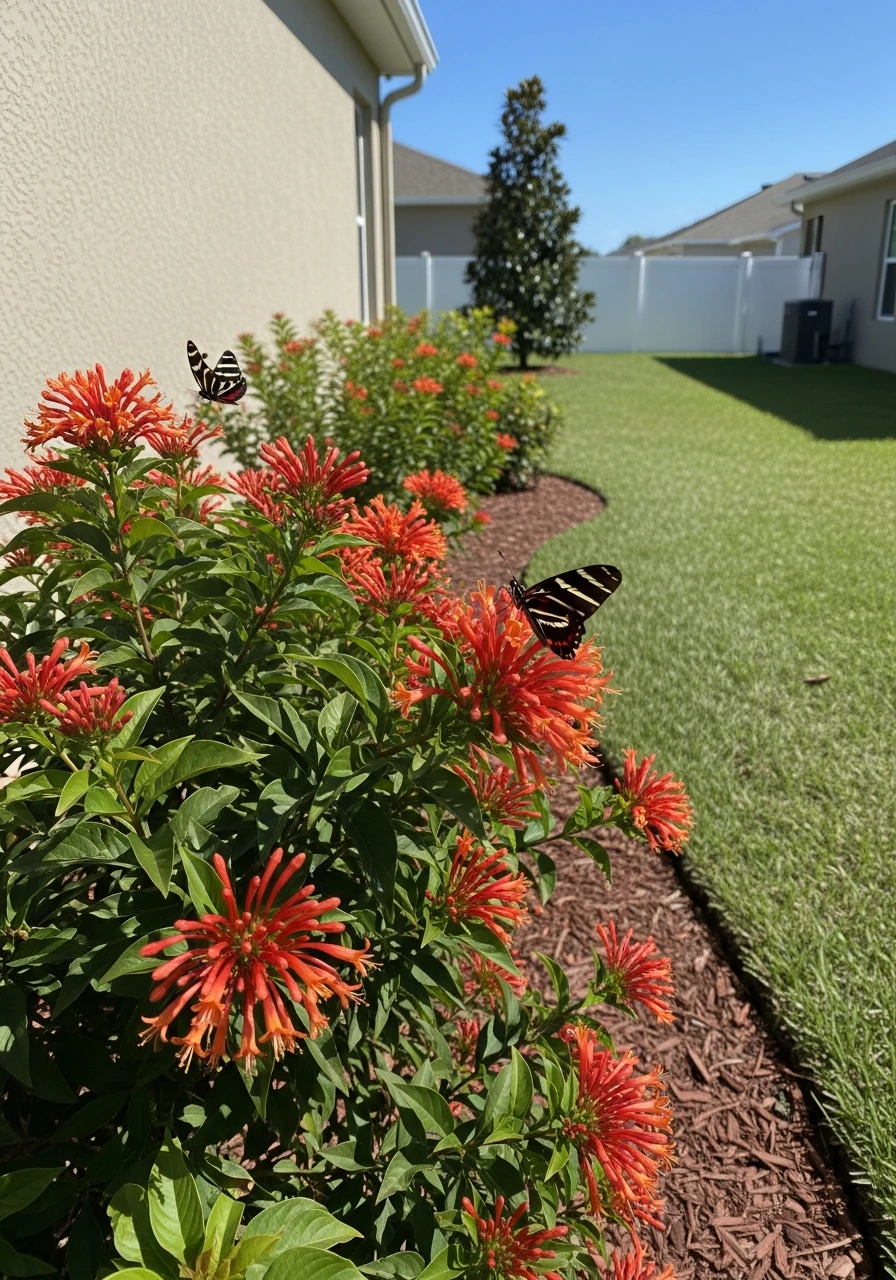
If you want hummingbirds and butterflies, plant a Firebush shrub. It has gorgeous red-orange blooms that last for months and is perfectly suited for the Florida climate. It’s beauty with a purpose!
- Plant in a spot where you can watch the wildlife visit.
- It can handle full sun to partial shade.
- Prune it regularly to keep it bushy, not leggy.
Pro Tip: This shrub provides excellent privacy screen material if planted close together.
7. Fragrant Shrub Layers
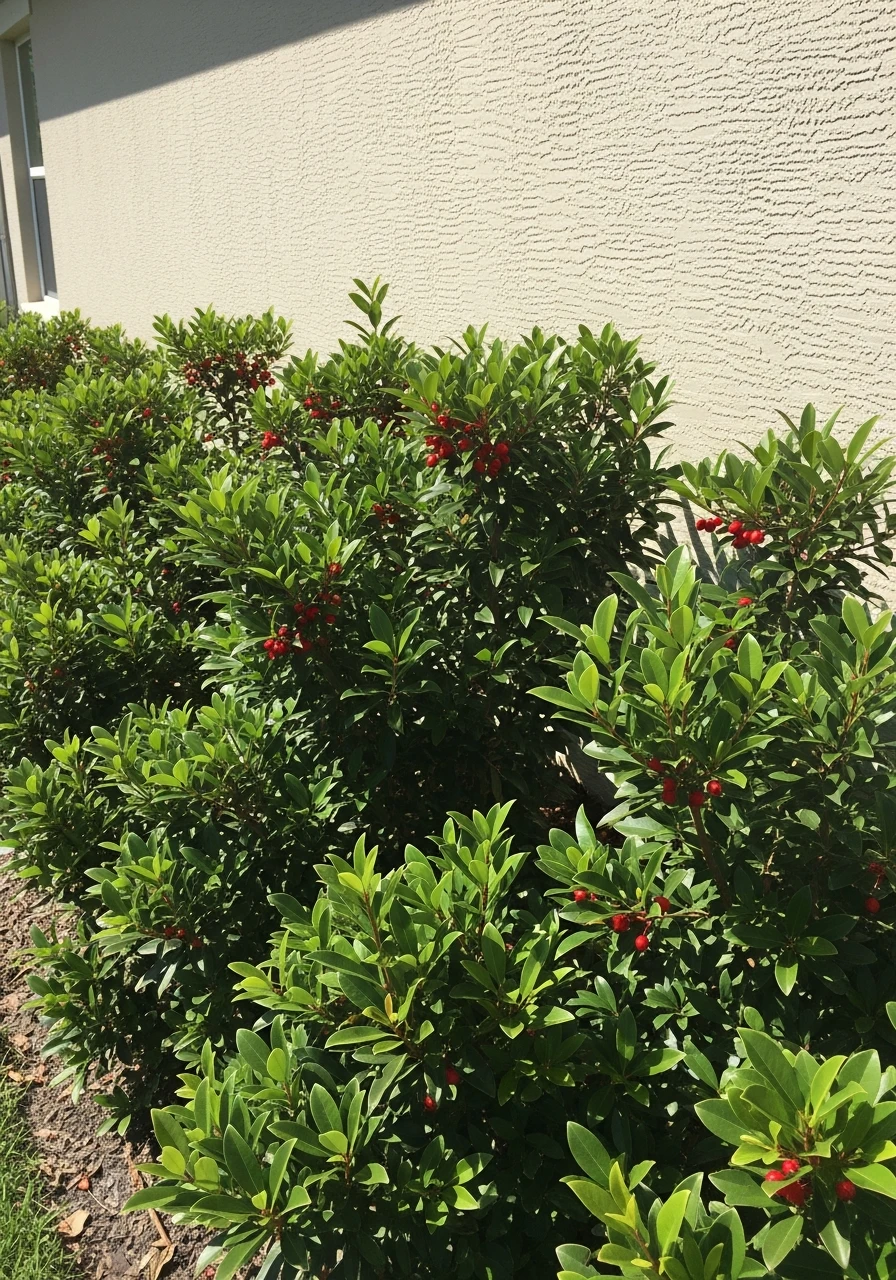
Build layers in your garden using native shrubs like Simpson’s Stopper. Layering plants adds depth and interest, and these particular shrubs offer a nice fragrance and berries that birds love. It’s multi-functional design.
- Put the tallest shrubs in the back of the bed.
- Use fragrant plants near seating areas or windows.
- Mix foliage textures (smooth vs. rough leaves).
Pro Tip: Layering helps crowd out weeds and keeps the soil cooler in the summer.
8. Salt-Tolerant Coastal Planting
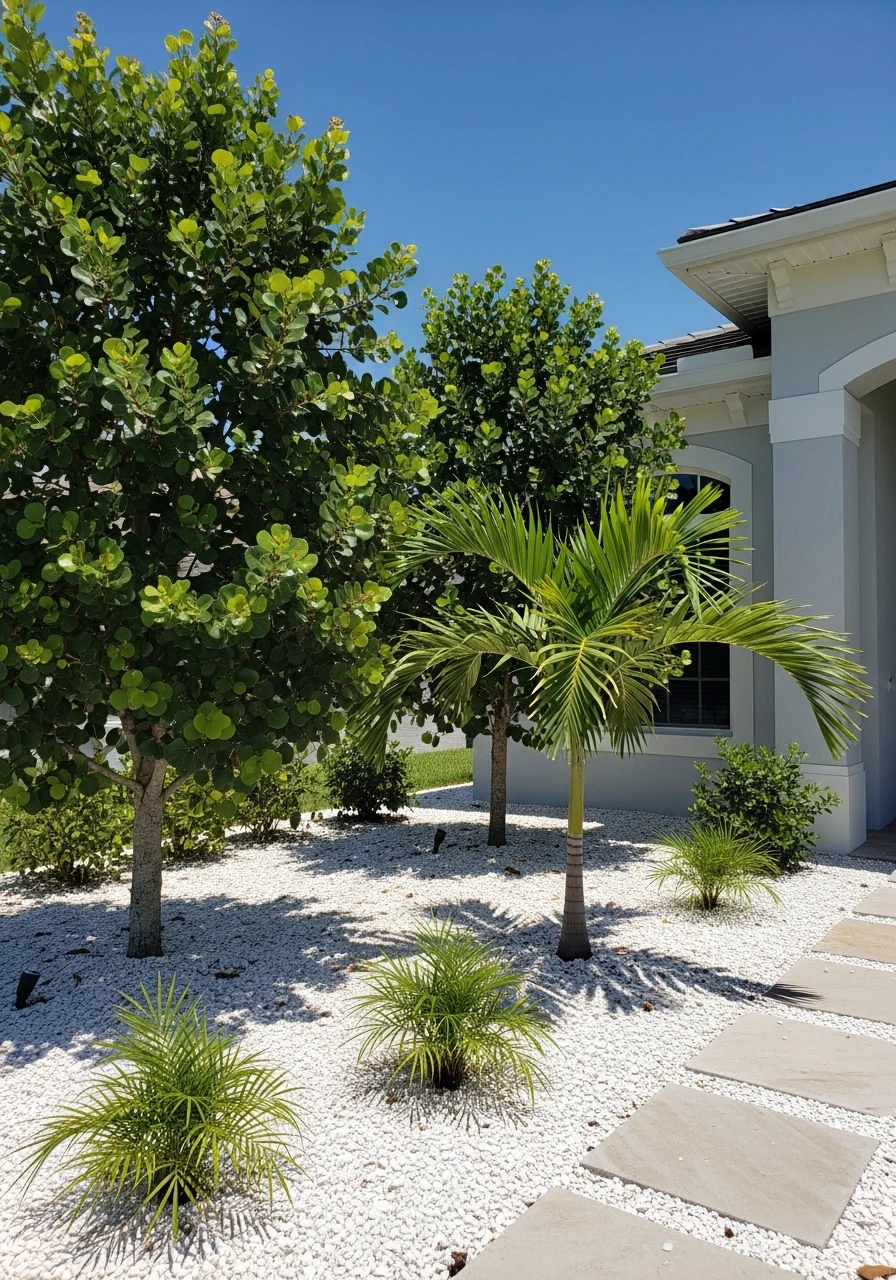
If you live near the ocean, you need plants that can handle the salty air. Choosing tough, salt-tolerant varieties prevents your plants from burning and ensures your curb appeal lasts. Research before you buy!
- Look for plants labeled ‘coastal tolerant.’
- Sea Grape and Dune Sunflower are good options.
- Avoid delicate flowers right on the water line.
Pro Tip: Hose off your plants occasionally if heavy salt spray builds up on the leaves.
9. Layered Plant Heights
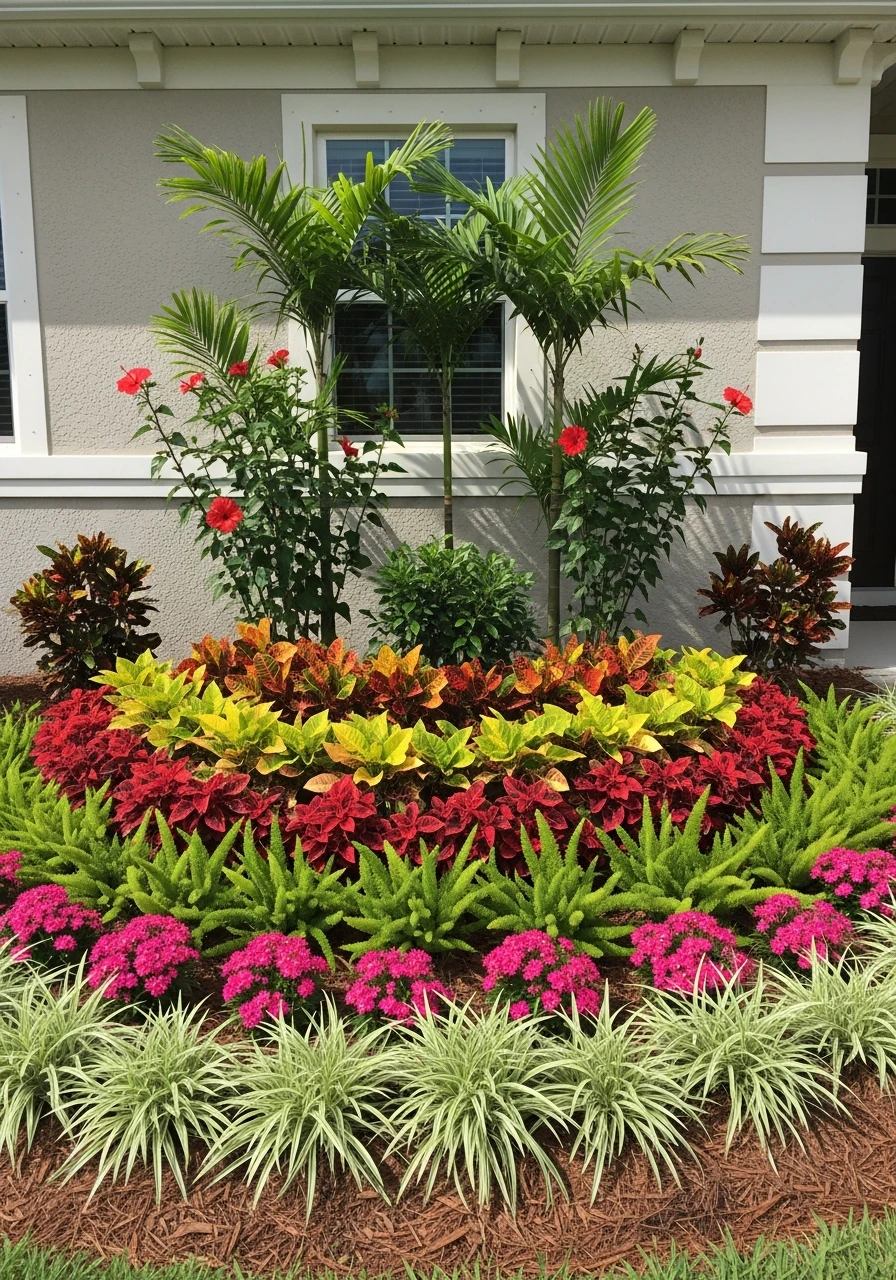
The secret to a professional-looking garden bed is using low, medium, and tall plants. This creates visual balance and makes the bed look full and lush. Think of it like a beautiful wedding cake!
- Tall plants (shrubs) go in the back.
- Medium plants (ferns) go in the middle.
- Low plants (groundcovers) go in the front/edge.
Pro Tip: Use a few evergreen plants in each layer so your beds never look bare in winter.
10. Modern Texture With Grasses
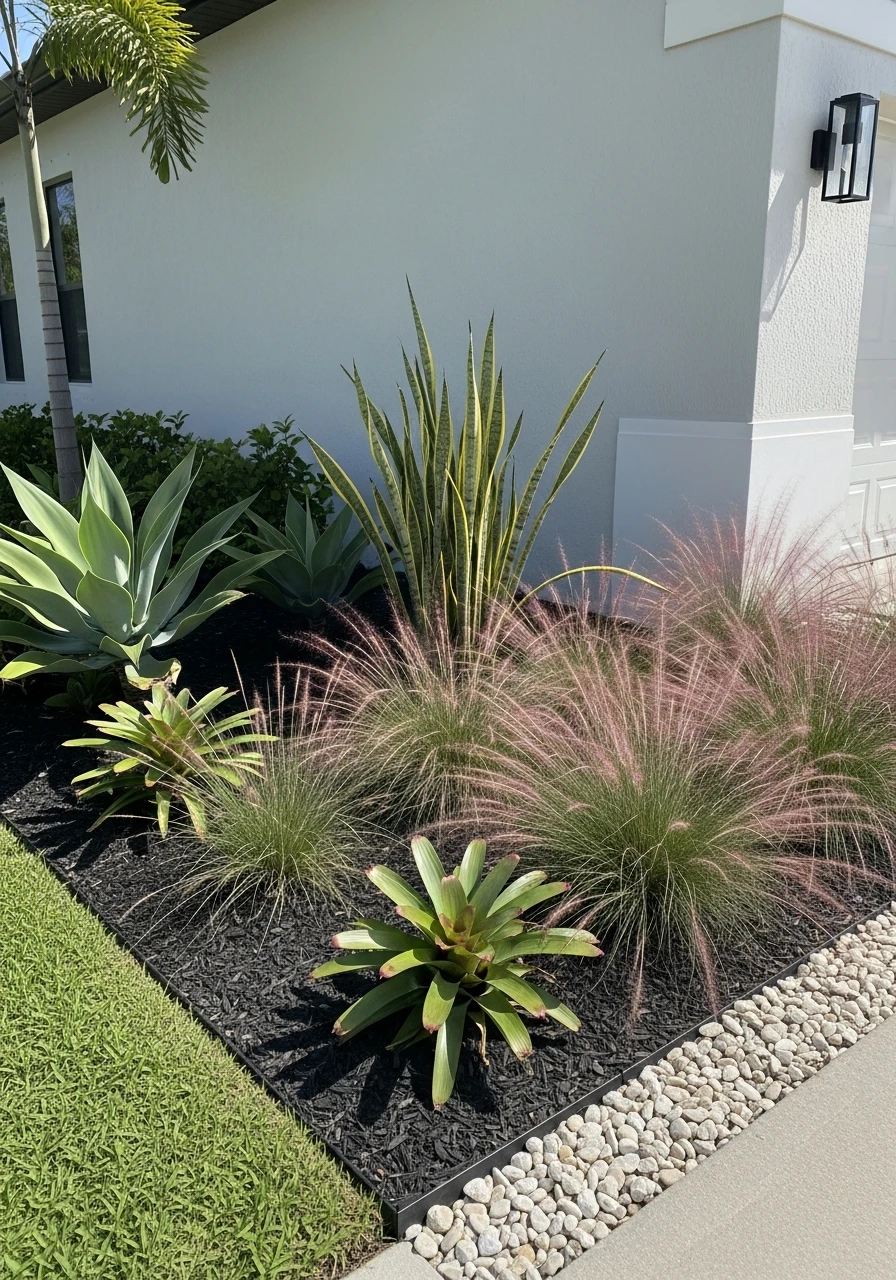
Give your yard a modern edge by mixing structured tropical plants with soft, flowing ornamental grasses. The contrast between soft and hard lines is very stylish. It keeps the tropical feel without looking messy.
- Pair rigid agave with soft Muhly grass.
- Use clean, defined borders for the beds.
- Limit your color palette to green and white.
Pro Tip: Potted grasses on a modern concrete patio look effortlessly chic.
11. Florida-Friendly Principles
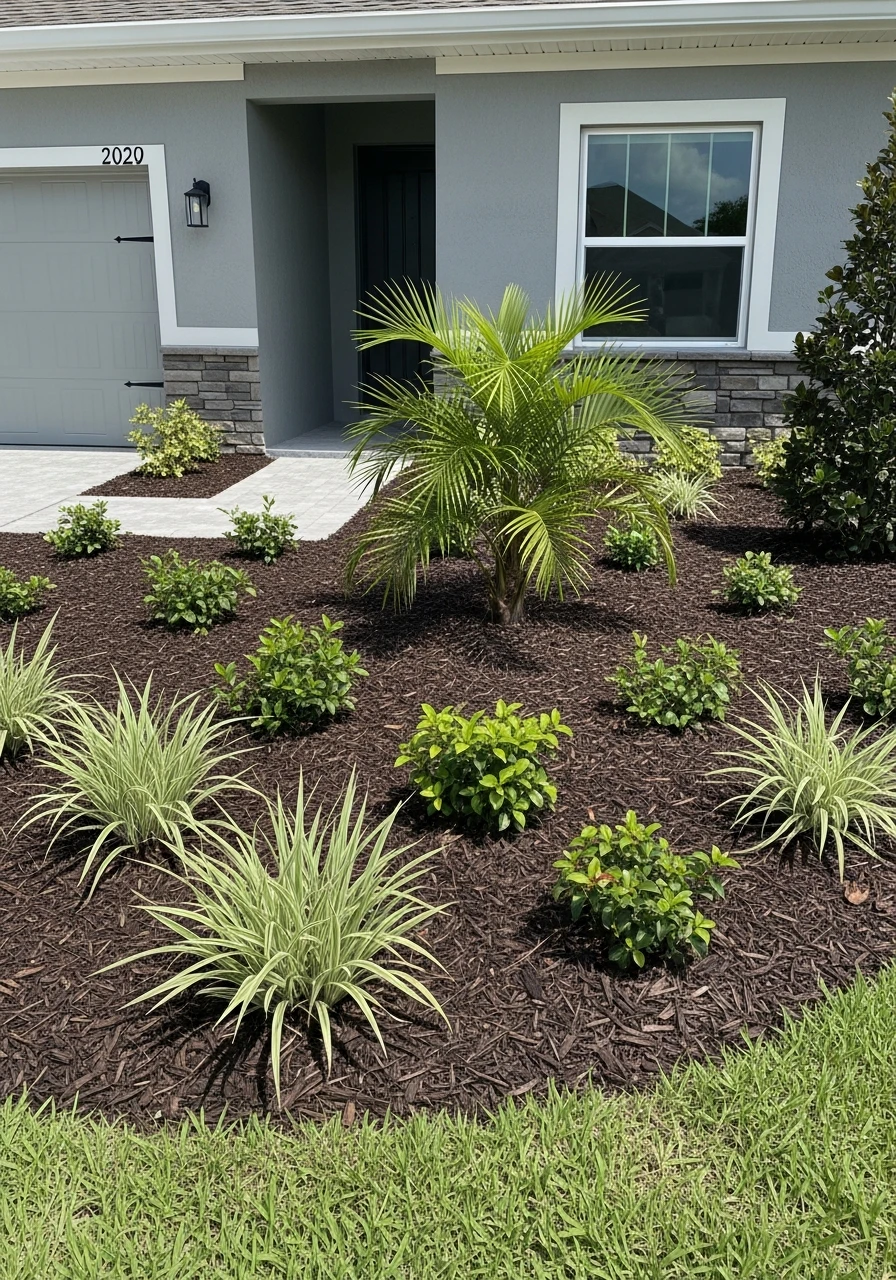
Design your yard around saving water and reducing fertilizer use. This is smart for the environment and great for your budget. Proper plant placement means less work for you and healthier plants overall.
- Choose plants native to your specific region of Florida.
- Group plants with similar water needs.
- Protect water bodies from runoff.
Pro Tip: Check the Florida-Friendly Landscaping handbook for specific regional recommendations.
12. Native Wildflower Gardens
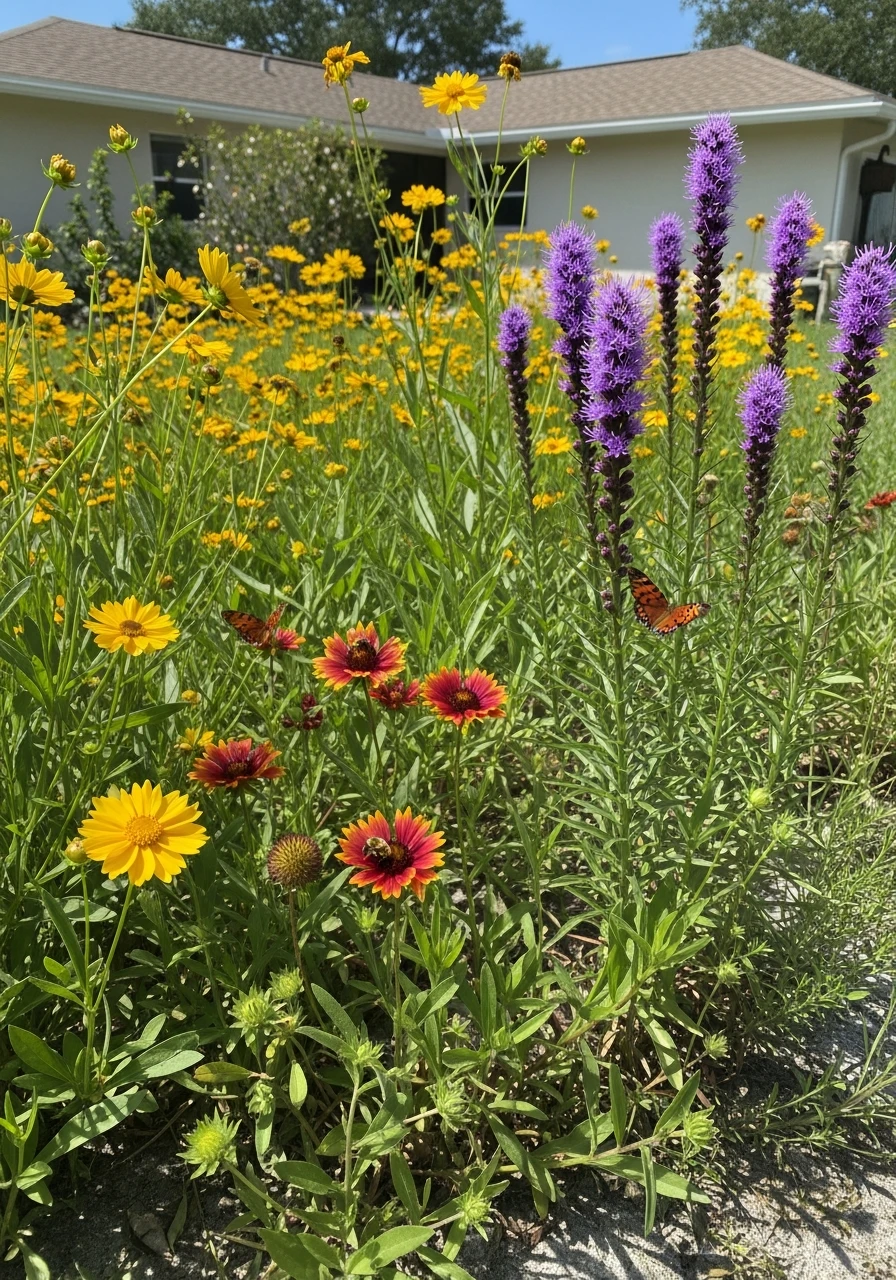
Replace part of your lawn with a native wildflower meadow. This supports local insects and ecosystems, and reduces how much you need to water or mow. You get seasonal color without the hassle of fussy annuals.
- Use a mix designed for Florida sandy soil.
- Mark the boundaries clearly so it doesn’t look messy.
- They often need less rich soil to thrive.
Pro Tip: Planting in the fall gives the seeds time to settle before the spring growing season.
13. Mulched Planting Beds
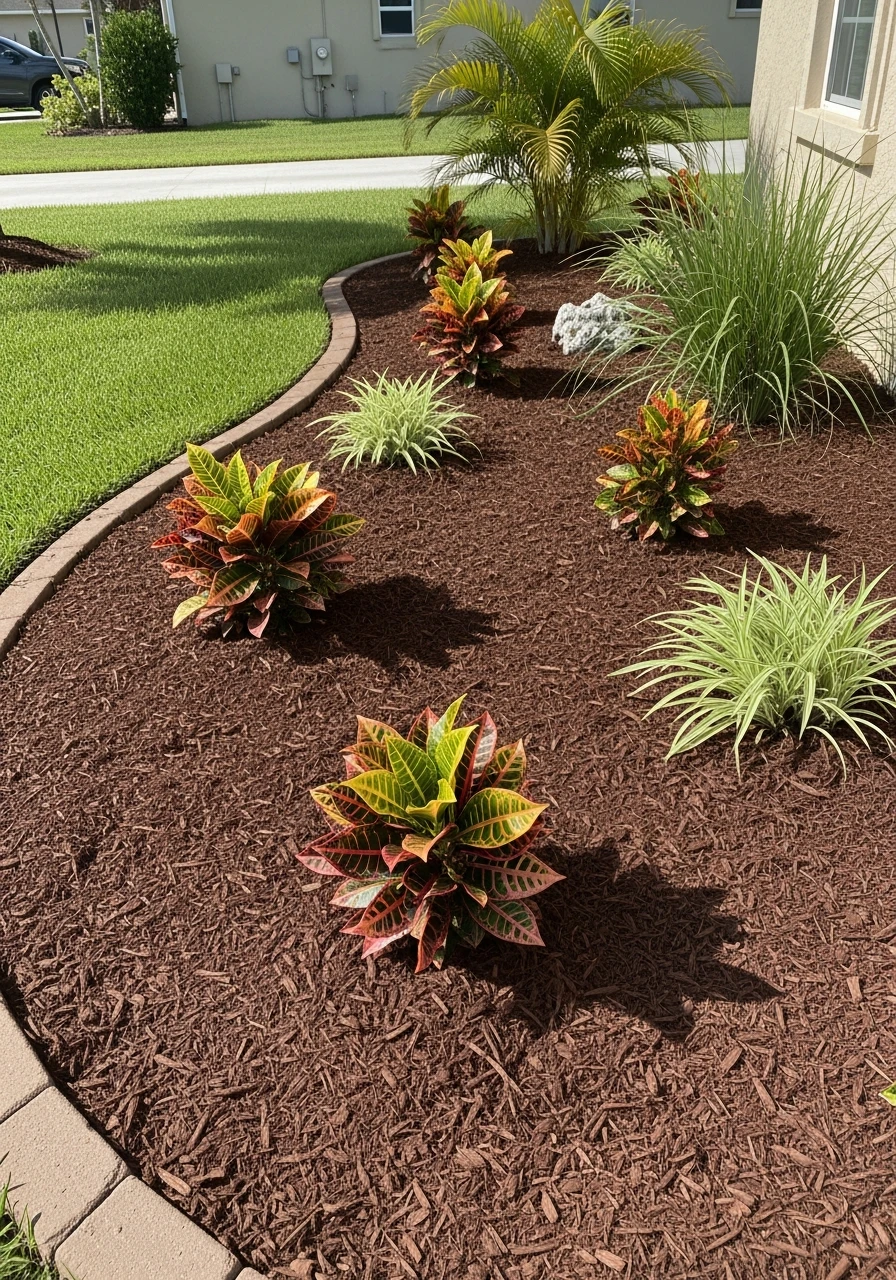
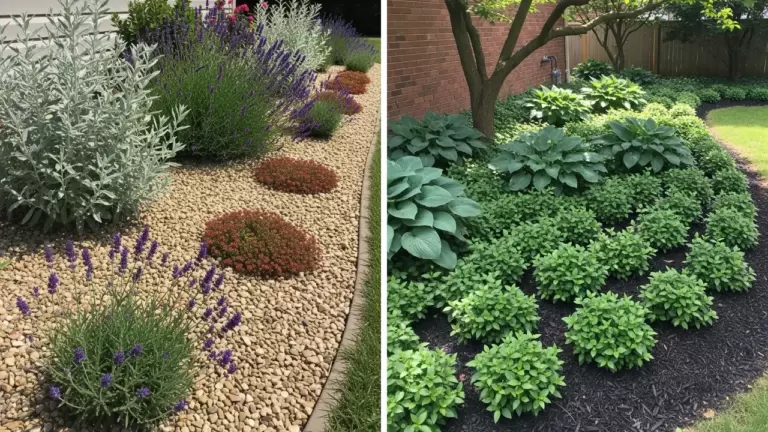
Mulch is your best friend in hot Florida. It acts like a blanket, keeping the soil cool and moist so you don’t have to water as often. Plus, a fresh layer of mulch makes any bed look instantly polished and expensive.
- Apply a layer 2 to 3 inches deep.
- Keep mulch away from plant stems and tree trunks.
- Use pine needles or cypress mulch for a natural look.
Pro Tip: Refresh your mulch twice a year, usually in spring and fall, to maintain the look.
14. Catch The Rain
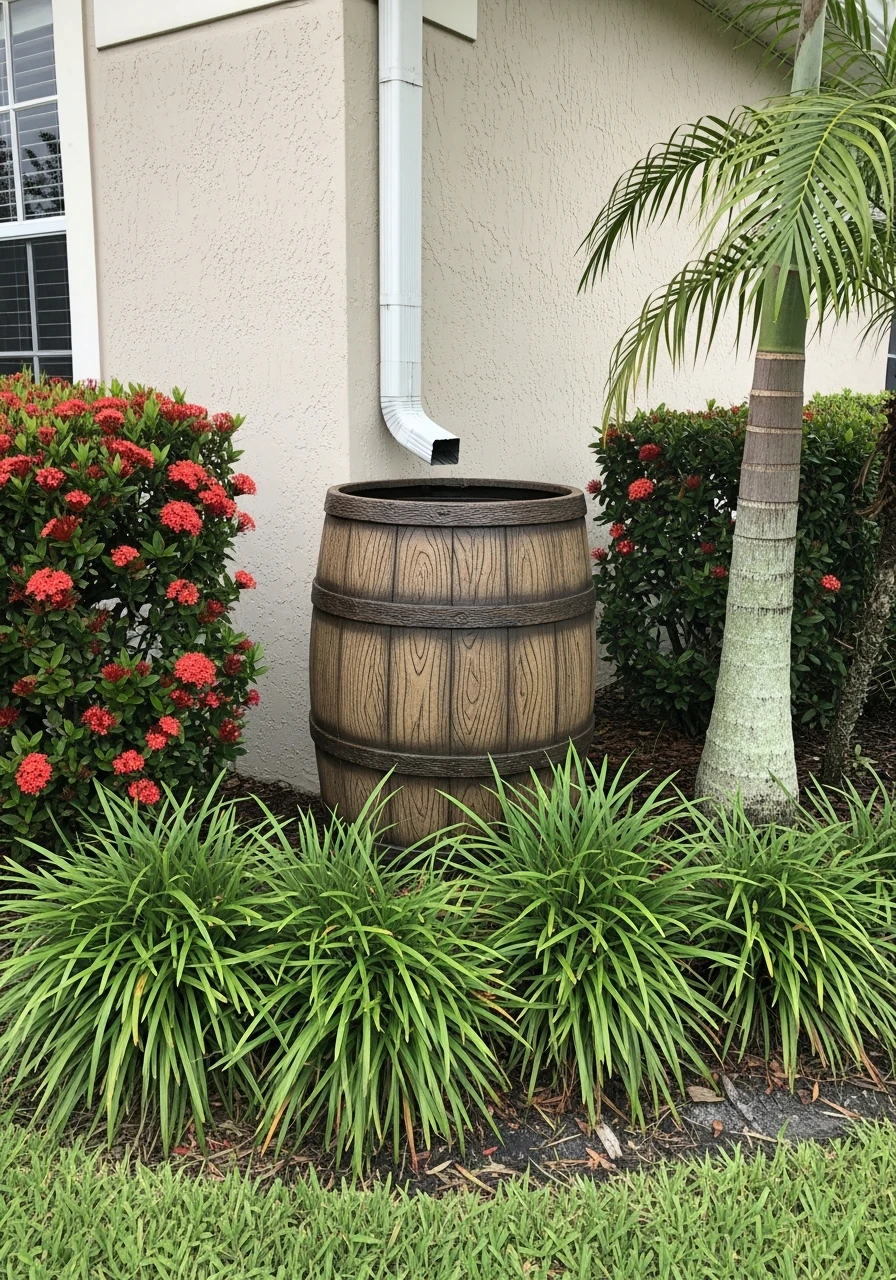
Save money and water your plants the smart way by installing a rain barrel. They collect roof runoff during those heavy afternoon storms so you can reuse the water later during dry spells. Plus, the newer barrels look really nice!
- Place barrels near downspouts.
- Choose a decorative style barrel.
- Use collected water for potted plants.
Pro Tip: Add a simple pump attachment if you need to reach beds far from the barrel.
15. Rain Garden Drainage
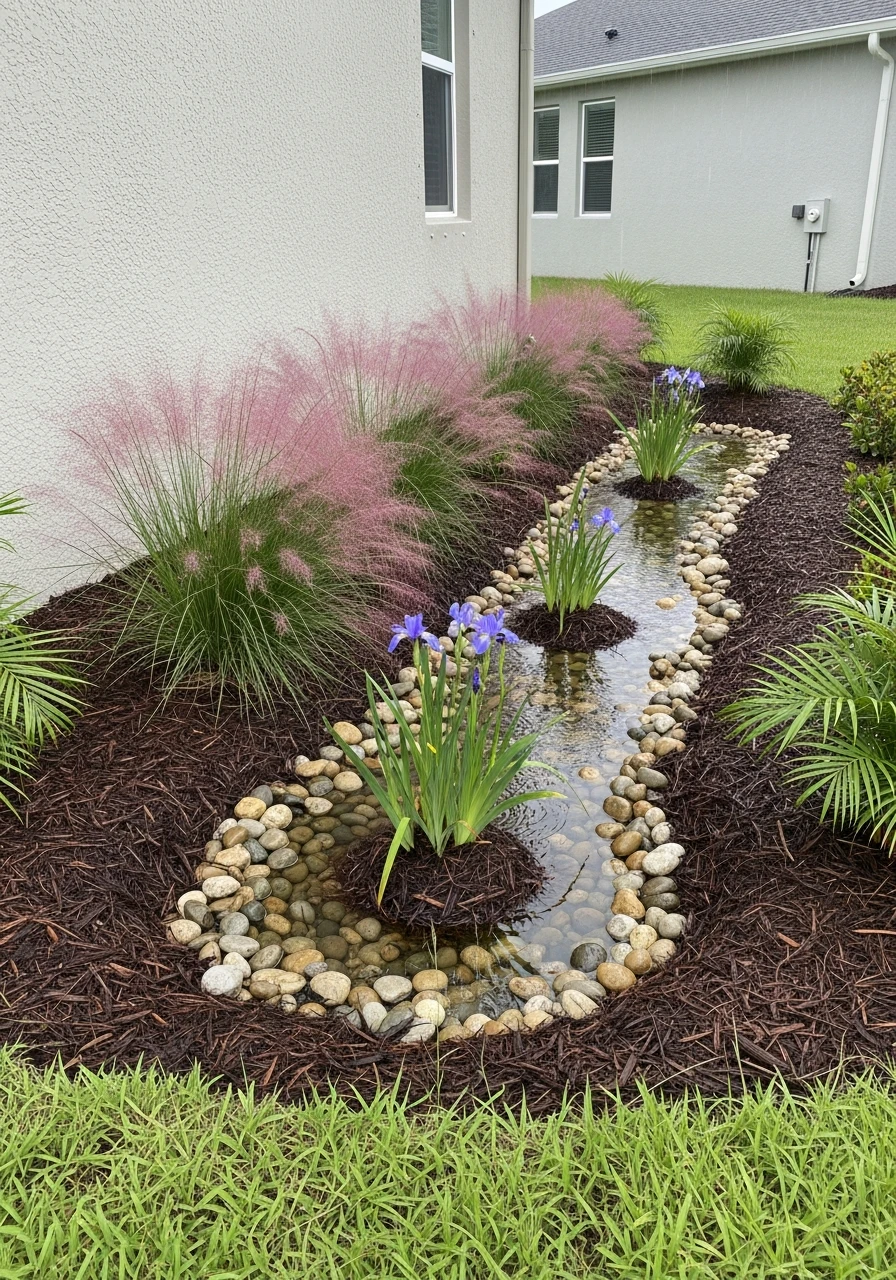
If you have a low spot in your yard that collects water during storms, turn it into a rain garden. This manages heavy rainfall naturally and filters runoff before it enters the ground. It’s a pretty way to solve a drainage problem.
- Plant water-loving native plants in the center.
- Use gravel or stone around the edges.
- Make sure the area drains within 48 hours.
Pro Tip: Rain gardens are great spots to incorporate showy wetland plants like Louisiana iris.
16. Group Plants By Water Needs
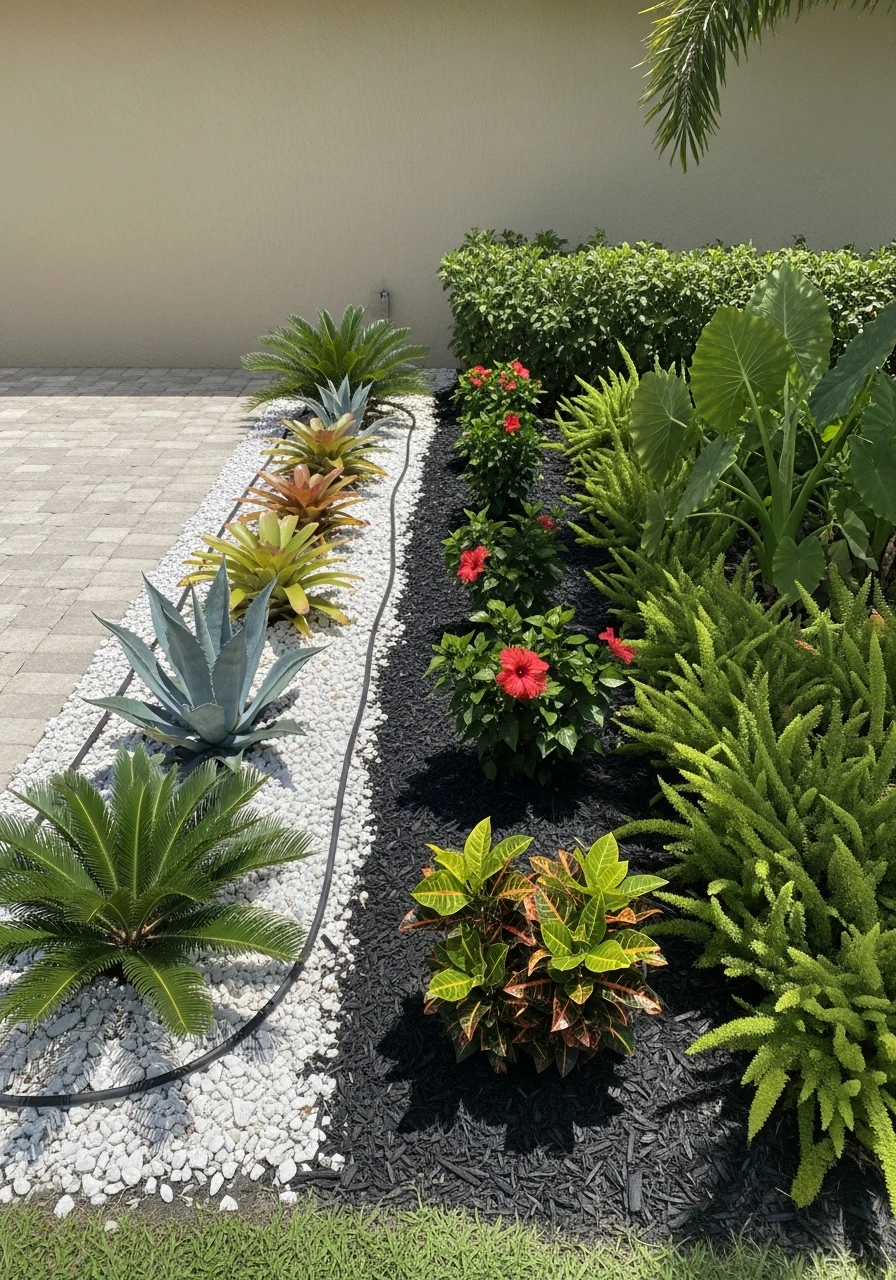
This is called hydrozoning, and it’s a brilliant way to manage irrigation. Grouping plants that need similar amounts of water prevents you from accidentally drowning your cactus while trying to water your ferns. Less waste, healthier plants.
- Put thirsty plants near the house or patio.
- Keep drought-tolerant plants on the perimeter.
- Label your zones if you have a complex system.
Pro Tip: If you are unsure of a plant’s needs, always assume less water is better in Florida soil.
17. Wildlife Habitat Lawn
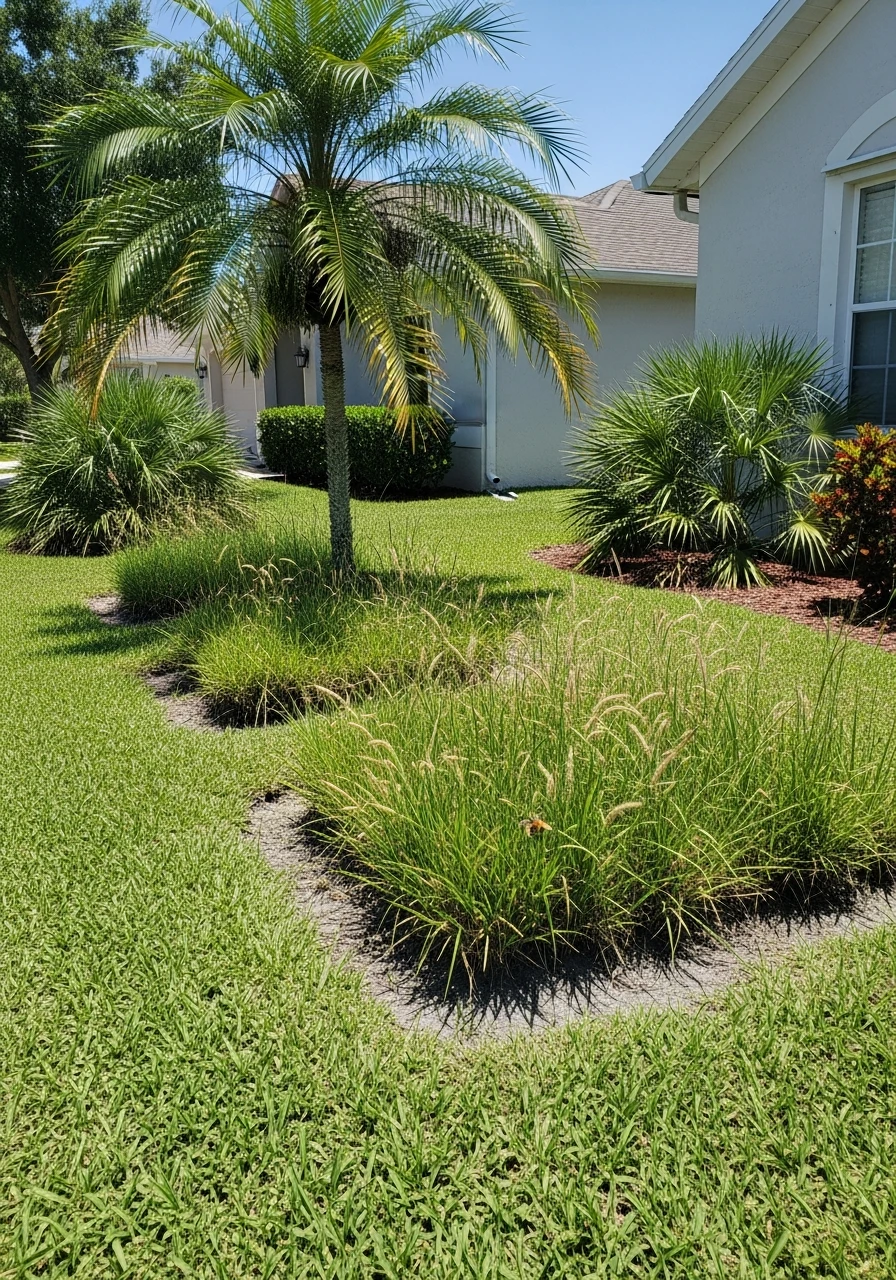
You don’t need a perfectly manicured lawn everywhere. Leave small, natural sections unmowed to encourage birds and beneficial insects. This promotes biodiversity and reduces your weekend chore list.
- Mow a neat edge around the habitat area.
- Allow native grasses to grow tall.
- Add a small bird bath nearby.
Pro Tip: A small sign indicating it’s a wildlife zone helps neighbors understand it’s intentional, not just forgotten.
18. Permeable Walkways
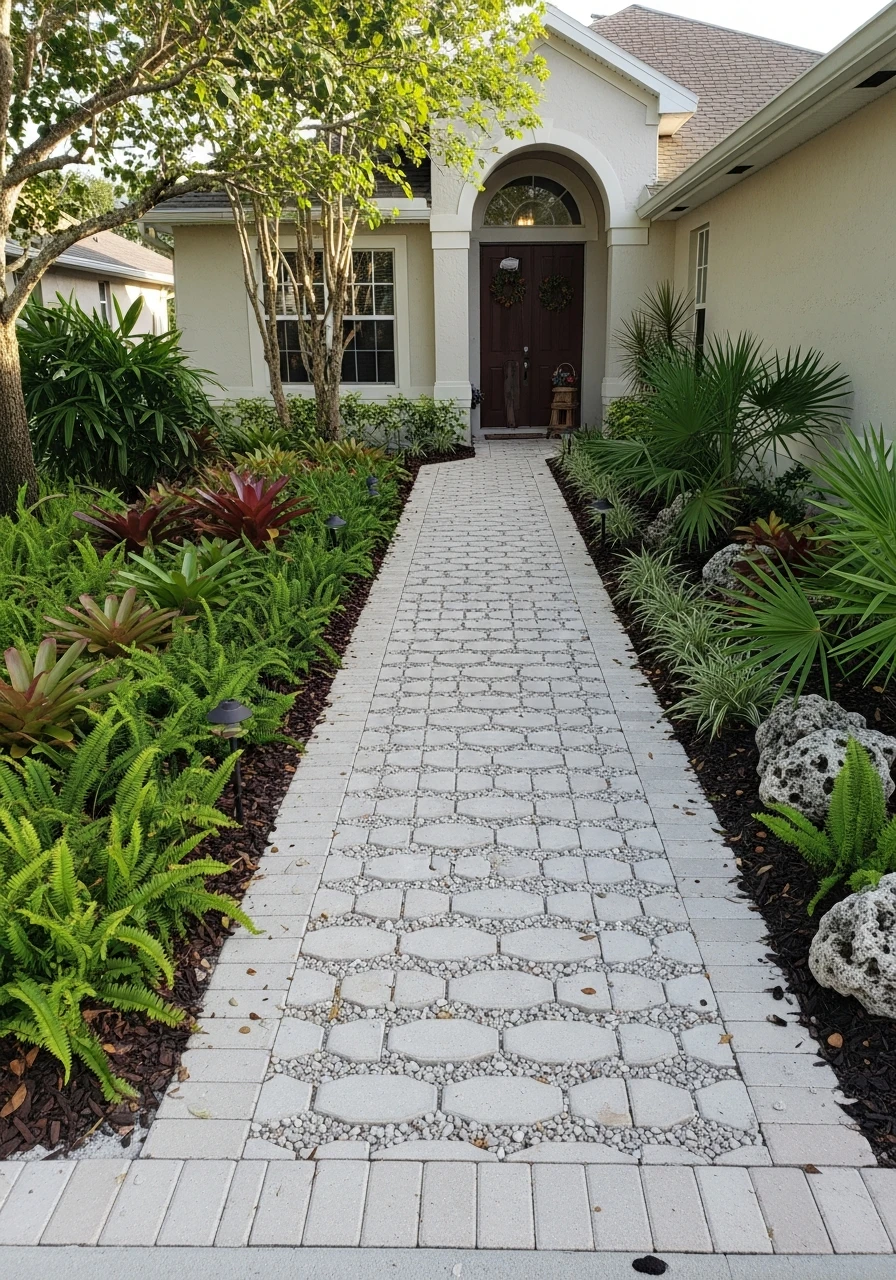
Use pavers or gravel for your paths that allow water to soak through instead of running off. This improves drainage during Florida downpours and helps recharge the groundwater. It’s practical and looks custom.
- Use gravel or crushed shell for low-traffic areas.
- Install permeable pavers for the main walkway.
- Ensure the base layer is well-compacted.
Pro Tip: Permeable surfaces stay cooler than solid concrete during the hottest months.
19. Butterfly Garden Zones
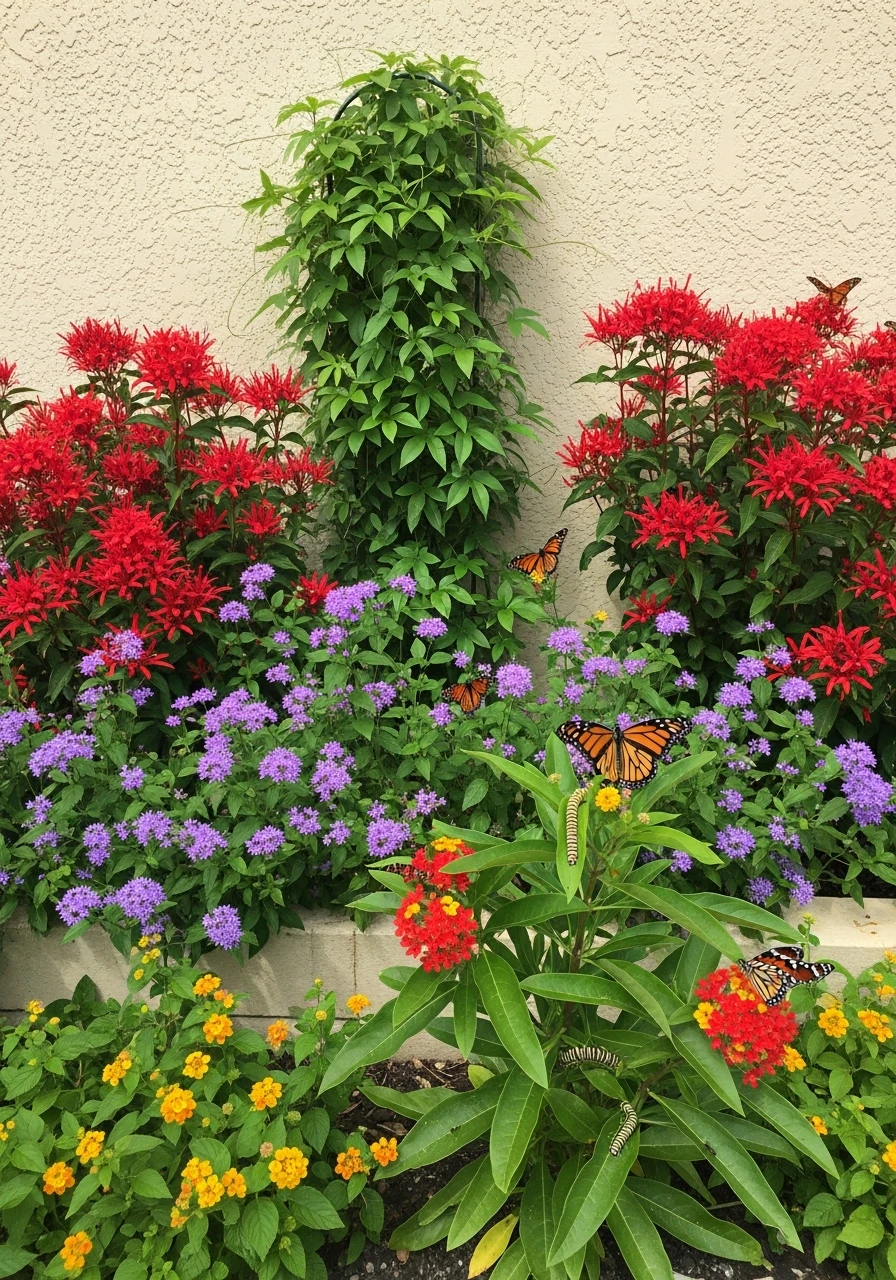
Create a dedicated area just for butterflies using plants they love. You need both nectar plants (for eating) and host plants (for laying eggs). It’s an easy, joyful way to bring color and life to your yard.
- Use Milkweed and Passion Vine as host plants.
- Plant Firebush and Penta for nectar.
- Place the garden in full sun.
Pro Tip: Add a few flat rocks so butterflies have a warm spot to rest and sun themselves.
20. Reduced Lawn Design
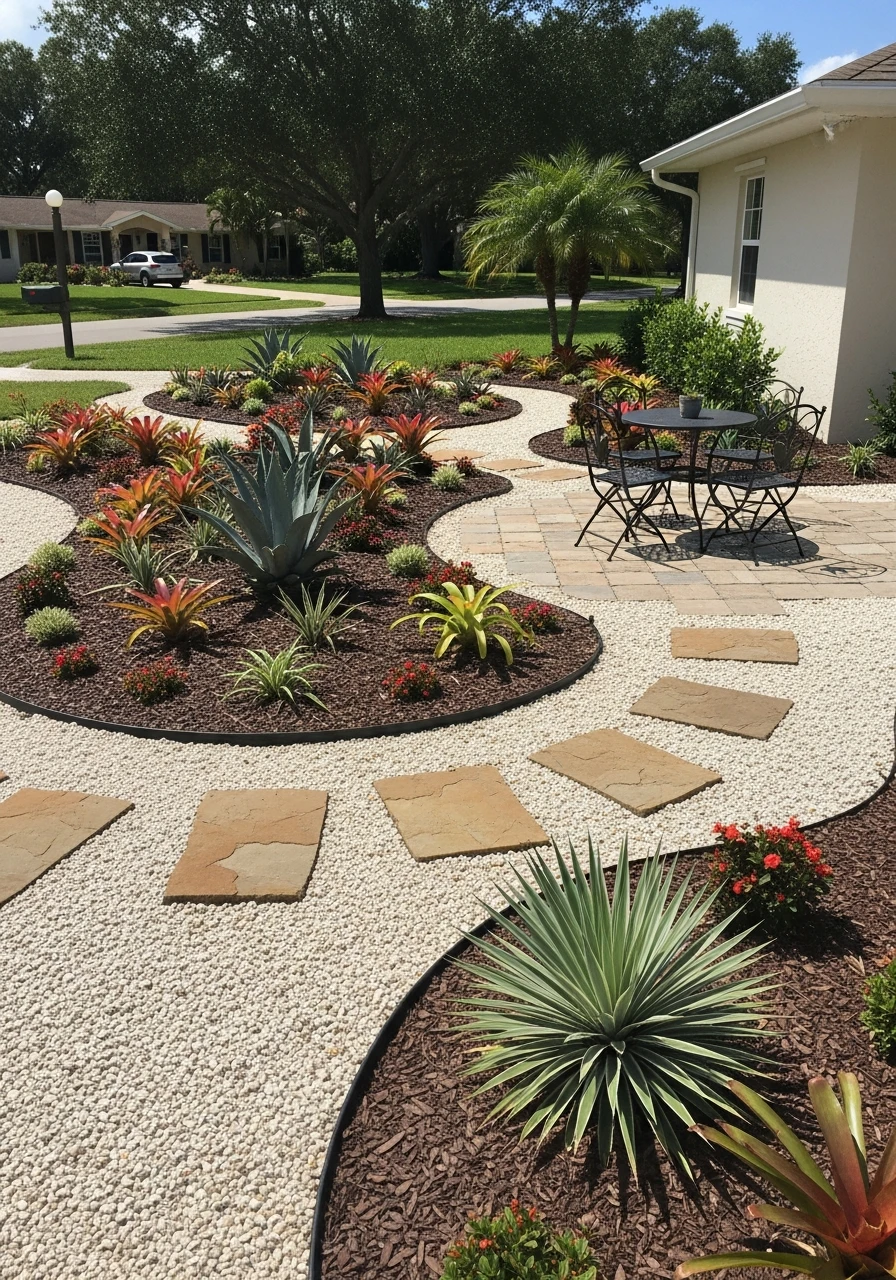
The biggest water hog in Florida is usually the grass. Replace large expanses of lawn with planting beds, gravel, or stone patios. This lowers your maintenance time and saves you money on water and fertilizer.
- Start small—replace a corner of the front yard first.
- Use clean edging to separate beds from the remaining grass.
- Fill the new bed with mulch and drought-tolerant shrubs.
Pro Tip: The money you save on mowing can be used to buy beautiful new plants!
21. Cool Surface Patio Pavers
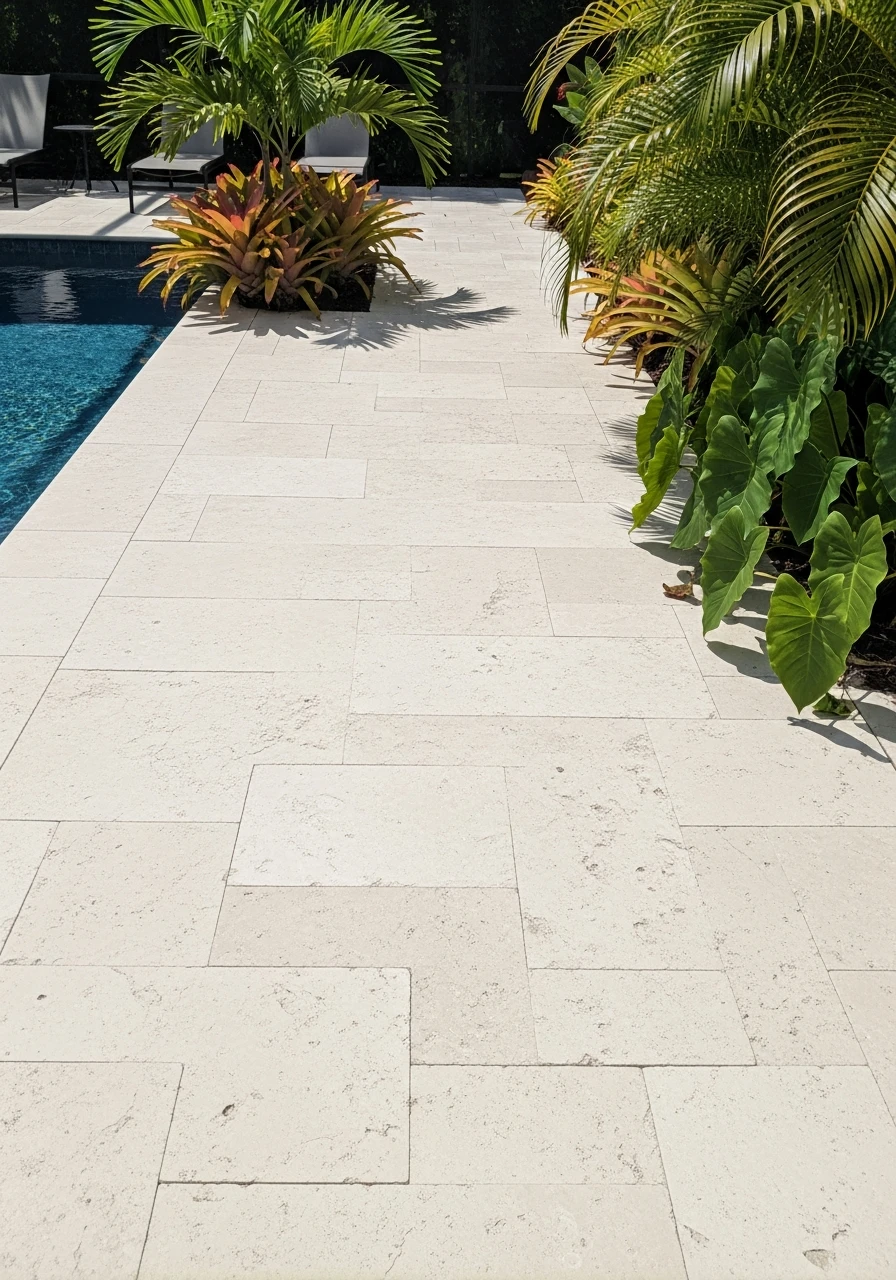
Avoid dark concrete that burns your feet! Install light-colored pavers, like travertine, on your patio. They absorb less heat and stay comfortable even on scorching Florida afternoons. Essential for poolside areas.
- Choose light grays, beige, or white stones.
- Ensure the material is slip-resistant.
- Use a professional sealant to protect the stone.
Pro Tip: Lighter pavers reflect sunlight, helping keep the surrounding house cooler too.
22. Natural Stone Pathways
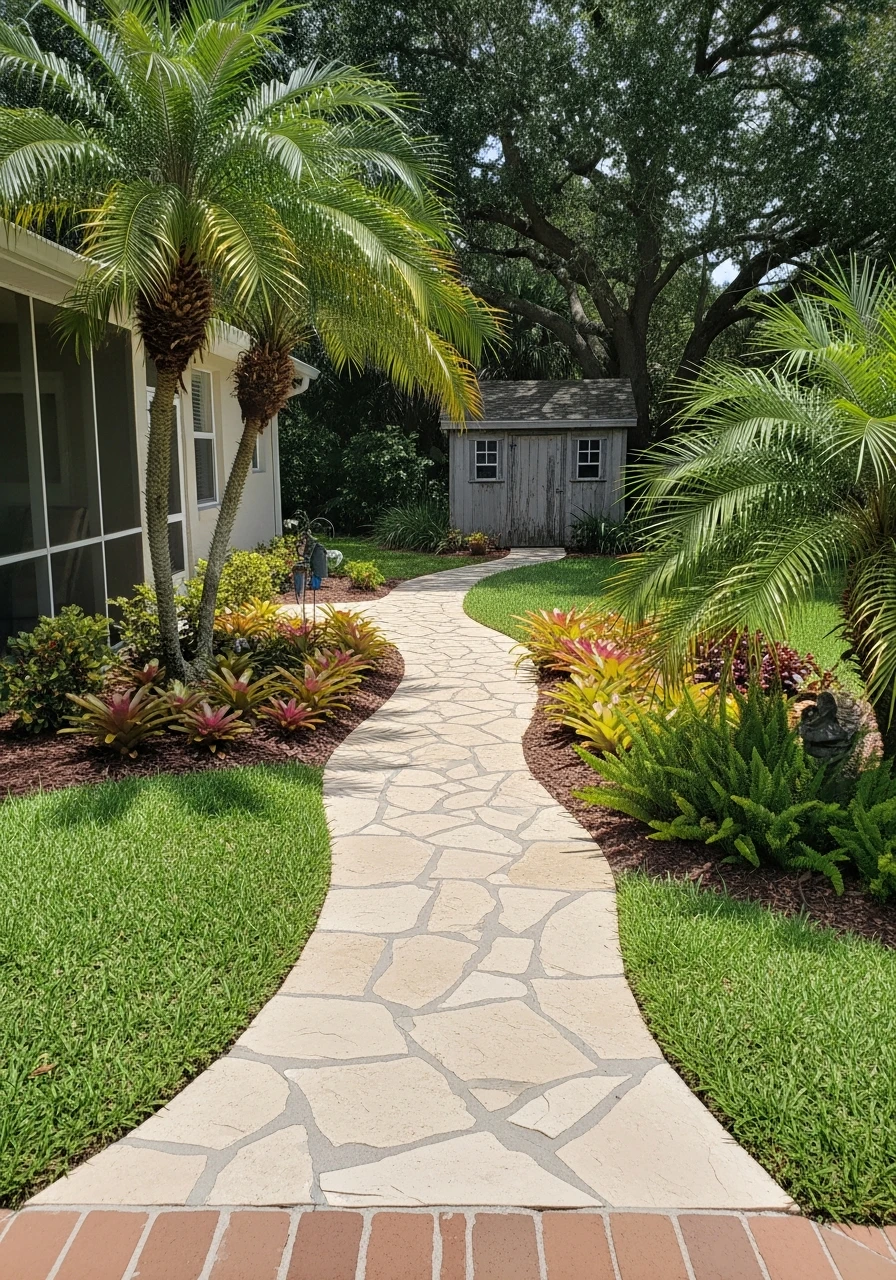
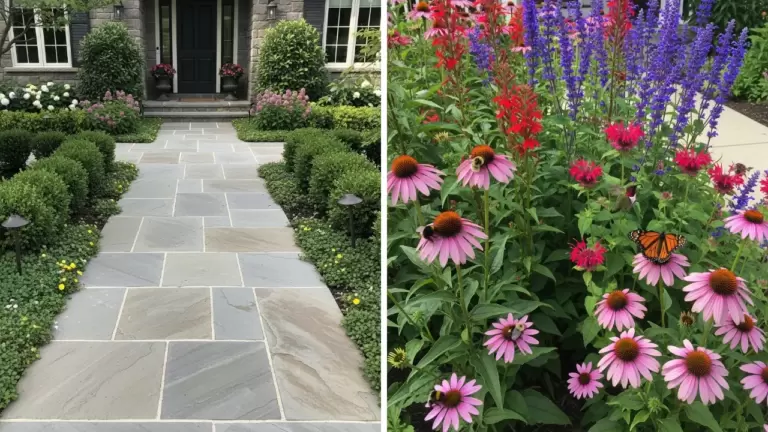
Create charming, durable walkways using natural stone. They connect different parts of your outdoor space, like the patio and the garden shed, while adding visual appeal. Stone looks high-quality and lasts forever.
- Use flat, irregular stones for a rustic look.
- Set stones firmly into compacted gravel or sand.
- Allow grass or thyme to grow between the stones.
Pro Tip: Wider pathways (at least 3 feet) feel more welcoming and upscale.
23. Cozy Backyard Fire Pit
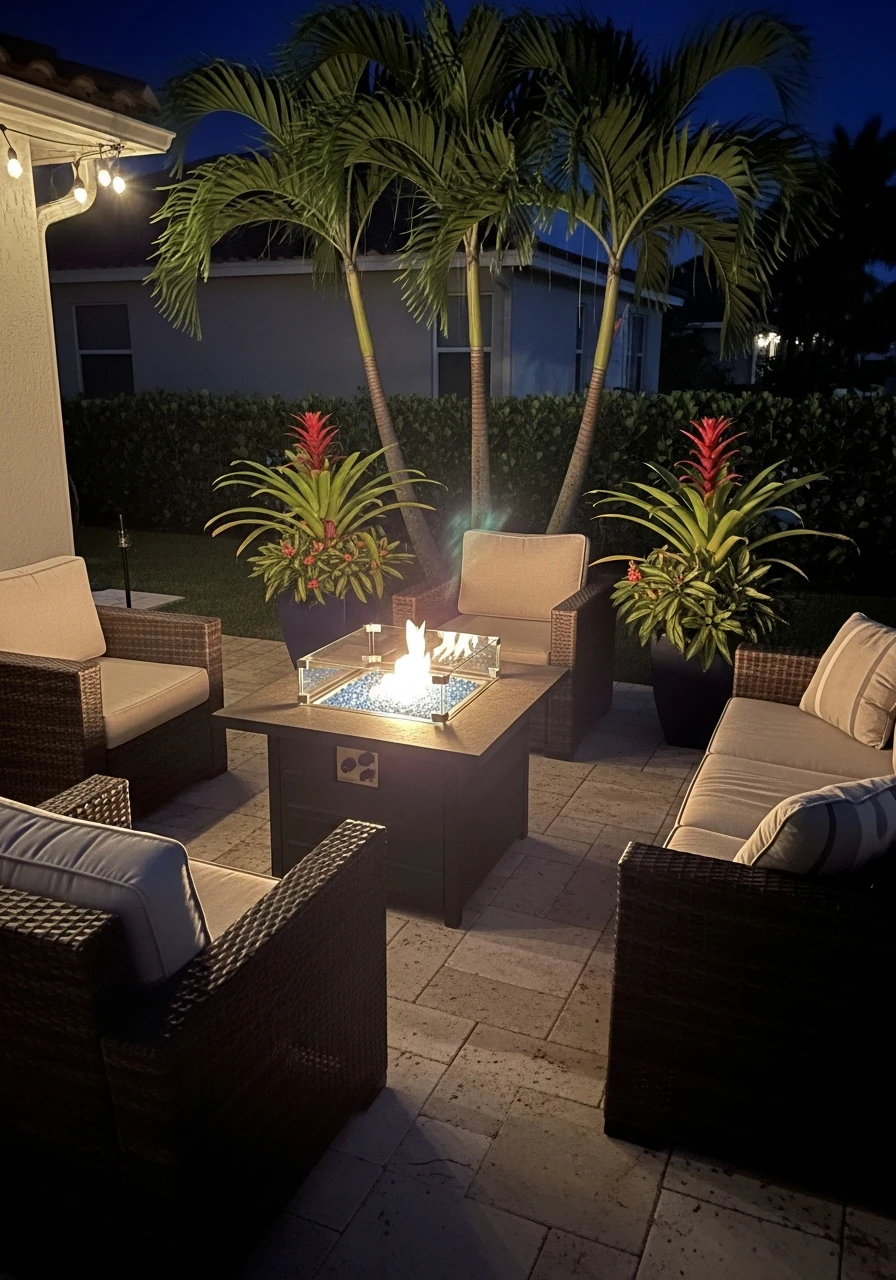
Florida nights are perfect for hanging out, even in winter. Add a small fire pit to your patio to create a comfy gathering spot. Propane models are the easiest since there is no messy cleanup.
- Define the space with crushed shell.
- Use a low, modern propane pit.
- Place seating four feet away.
Pro Tip: Keep a basket of cozy outdoor blankets nearby for chilly evenings.
24. Outdoor Entertainment Patios
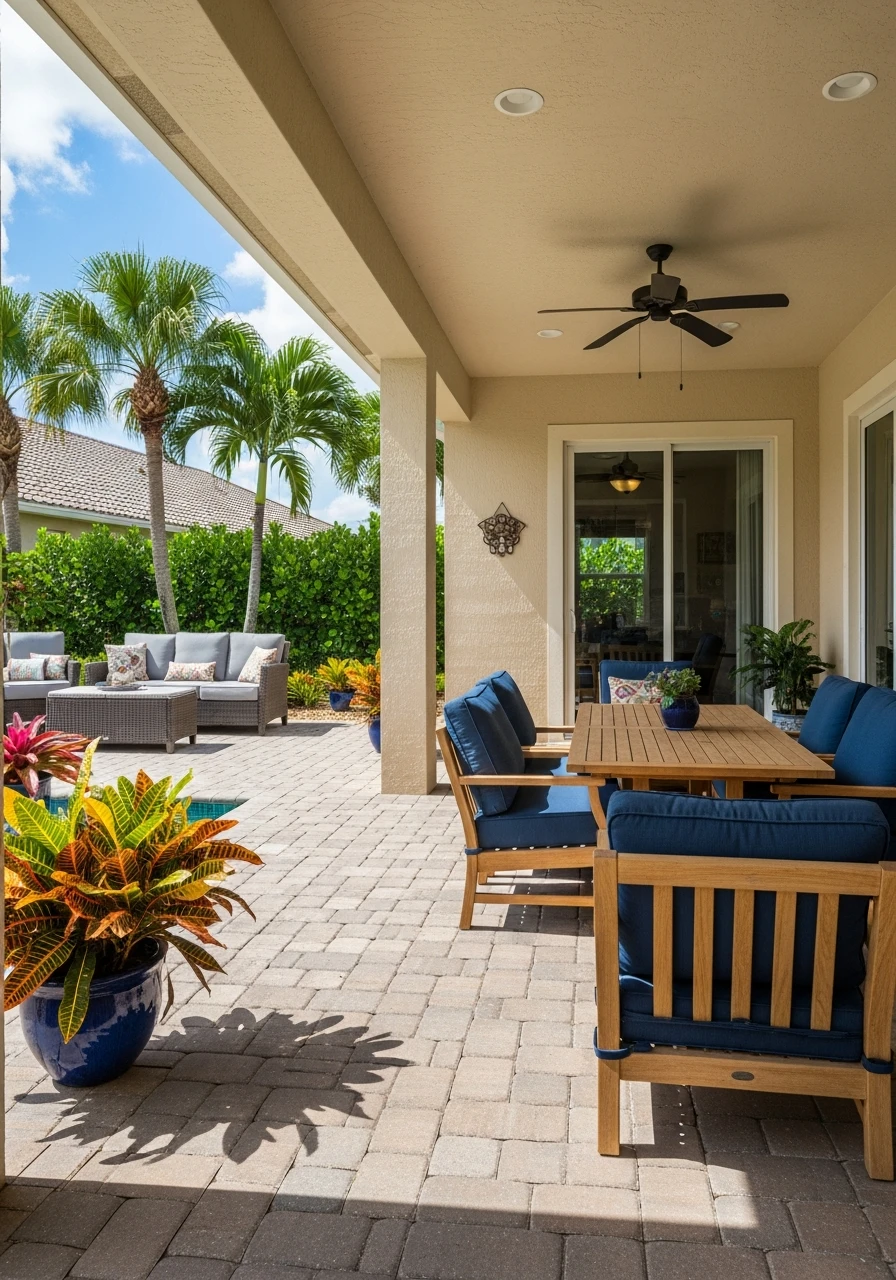
Design your patio with clear zones for dining and relaxing. Florida weather allows you to use your outdoor space almost year-round, so treat it like another room of the house. Planning the layout is key.
- Use an outdoor rug to define the seating area.
- Ensure dining tables are near the kitchen door.
- Provide overhead lighting for nighttime use.
Pro Tip: Hang weatherproof string lights over the patio to create a magical, resort vibe.
25. Raised Garden Beds
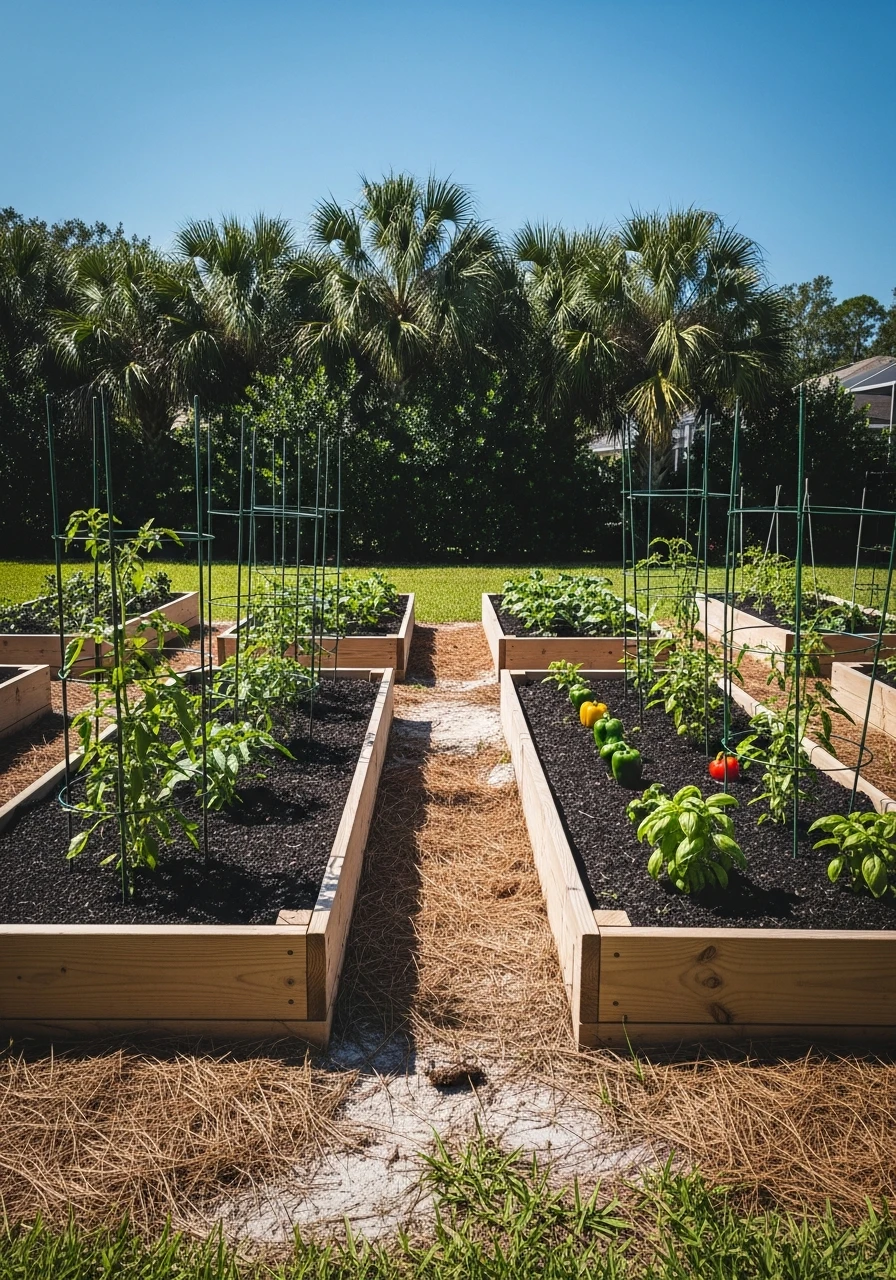
If you want to grow veggies or flowers, raised beds are ideal for sandy Florida soil. They improve drainage instantly and allow you to control the soil quality completely. Plus, they look neat and structured.
- Use cedar or metal kits for durability.
- Fill the beds with a mix of topsoil and compost.
- Place beds in the sunniest part of the yard.
Pro Tip: Raised beds make gardening easier on your back since you don’t have to bend down as far.
26. Decorative Gravel Areas
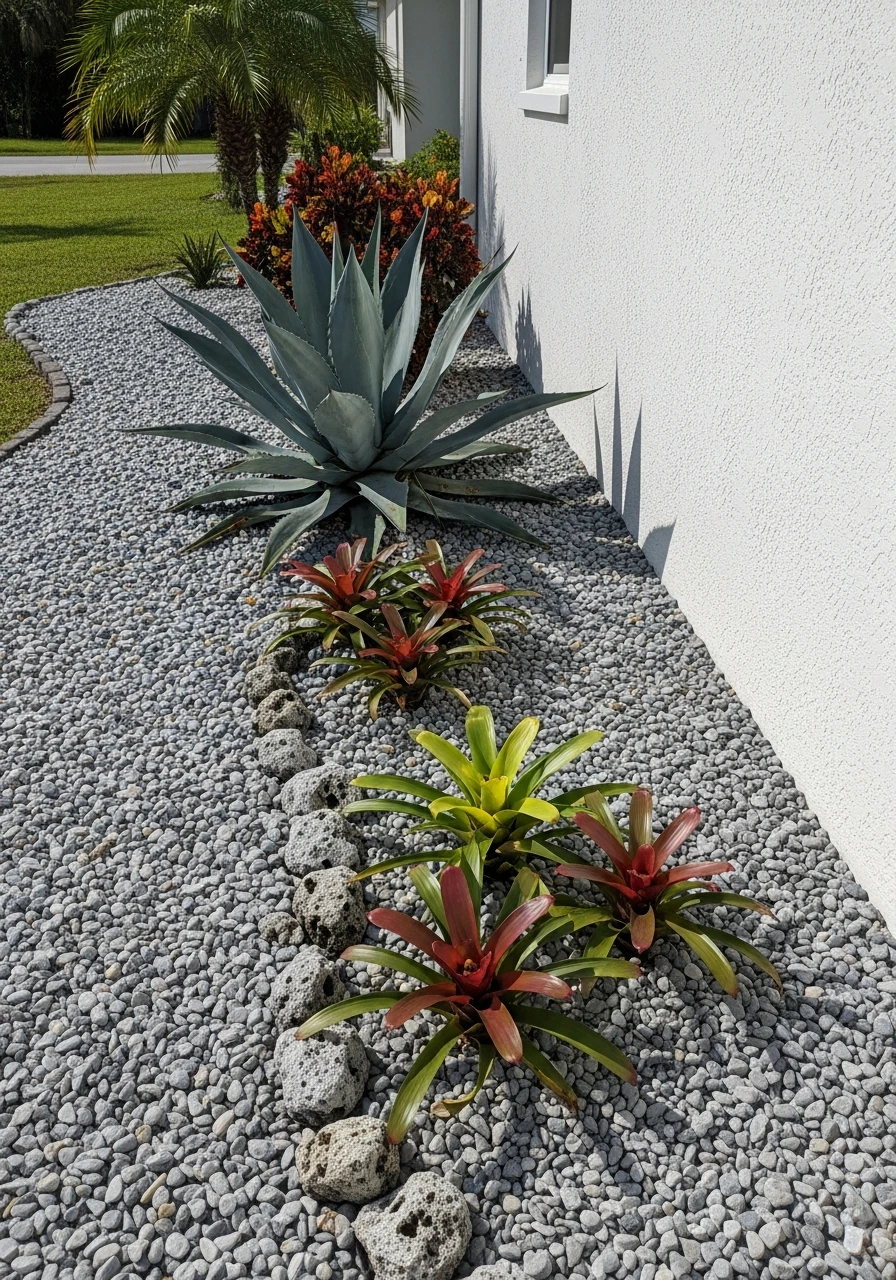
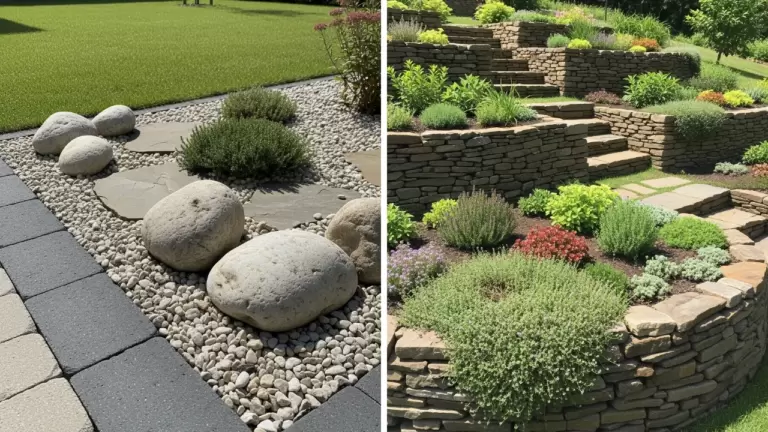
Gravel is excellent for low-water zones, side yards, or creating a modern look. It drains perfectly, requires no mowing, and comes in tons of colors. It’s a chic, budget-friendly alternative to grass.
- Use crushed shell or white stone for a bright coastal look.
- Lay landscape fabric underneath to prevent weeds.
- Use gravel around the base of large potted plants.
Pro Tip: Use metal edging to keep the gravel contained and prevent it from spilling onto the lawn.
27. Stepping Stone Walkways
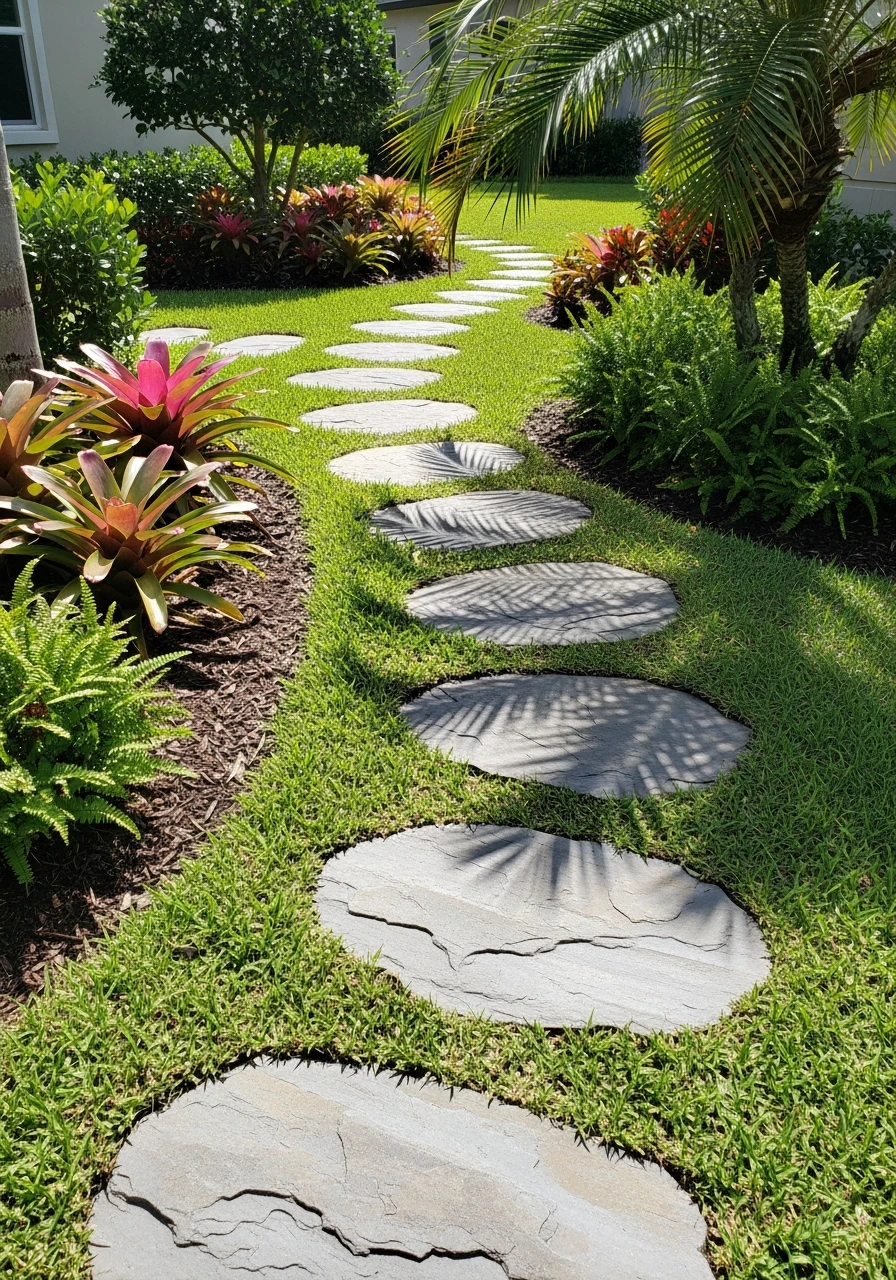
Stepping stones are a great way to create a functional path through grass or gardens without installing a full, expensive walkway. They look charming and guide guests through your yard naturally. Easy weekend project!
- Choose stones large enough for a comfortable step.
- Space them heel-to-heel or about 18 inches apart.
- Sink them slightly into the ground so they don’t move.
Pro Tip: Use irregular or round stones to break up the straight lines of the yard.
28. Low Retaining Walls
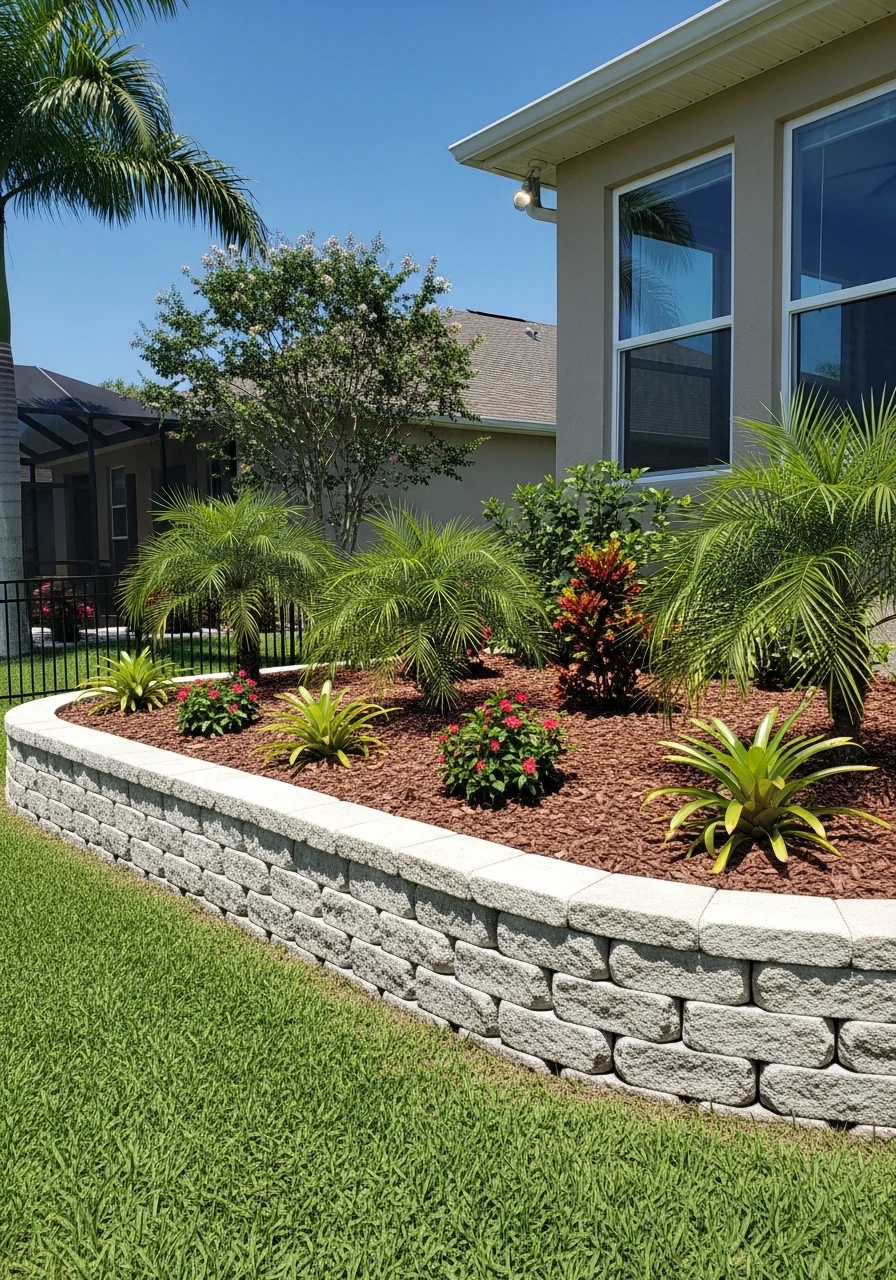
If your yard has slight elevation changes, use small retaining walls to manage the slope. They add architectural interest, define garden beds, and make the yard look more structured and custom-built.
- Use stone or concrete blocks for durability.
- Keep the walls under two feet high for easy DIY.
- Plant trailing flowers to soften the hard edges.
Pro Tip: A low wall near a patio can double as extra seating when guests come over.
29. Shaded Seating Nooks
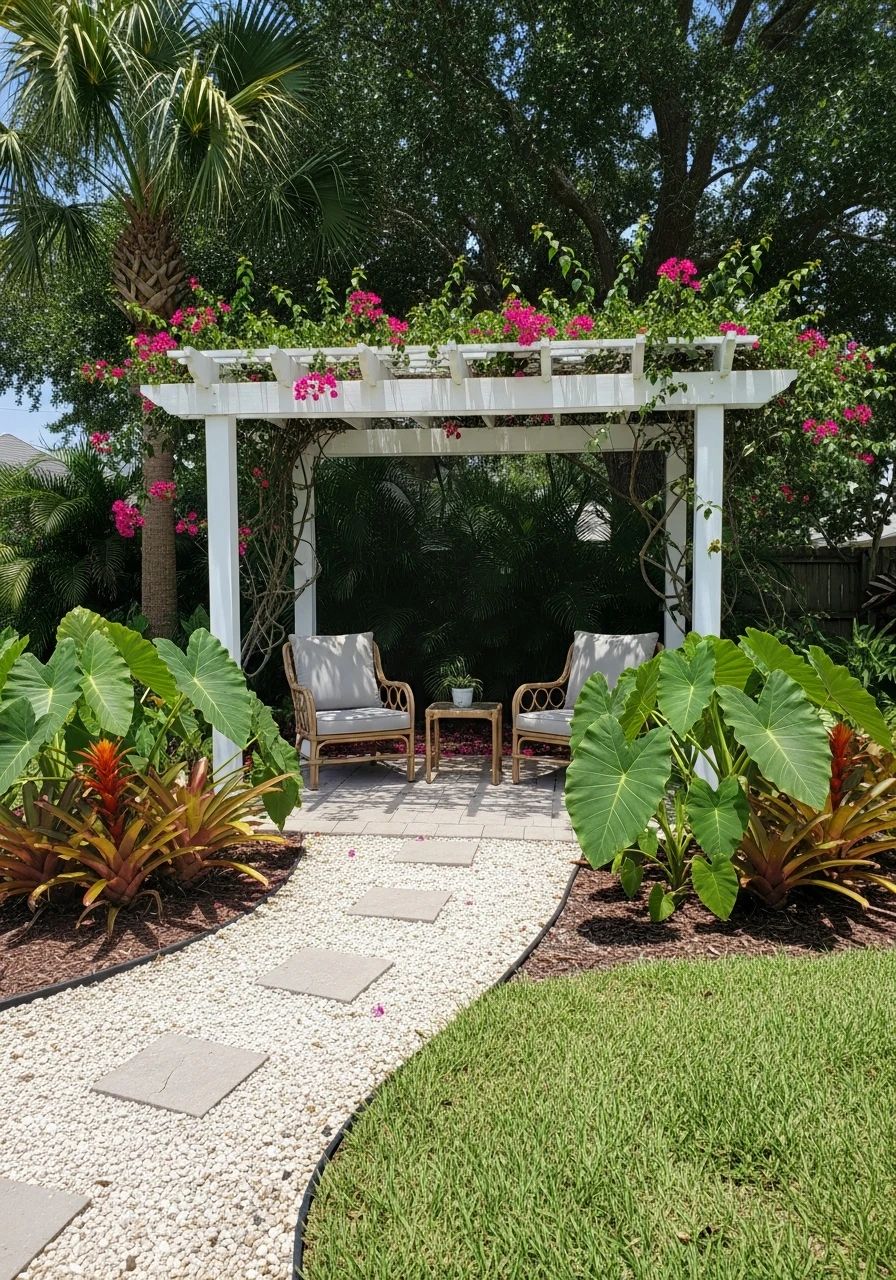
Florida heat demands shade! Place a small seating area beneath a mature tree or a simple pergola. Creating a cozy, shaded nook means you can actually enjoy your yard during the hottest hours of the day.
- Use a small bistro set or a garden bench.
- Surround the nook with fragrant plants.
- Add an outdoor fan for extra airflow.
Pro Tip: A hammock is the ultimate budget-friendly shaded relaxation spot.
30. Water Features For Cooling
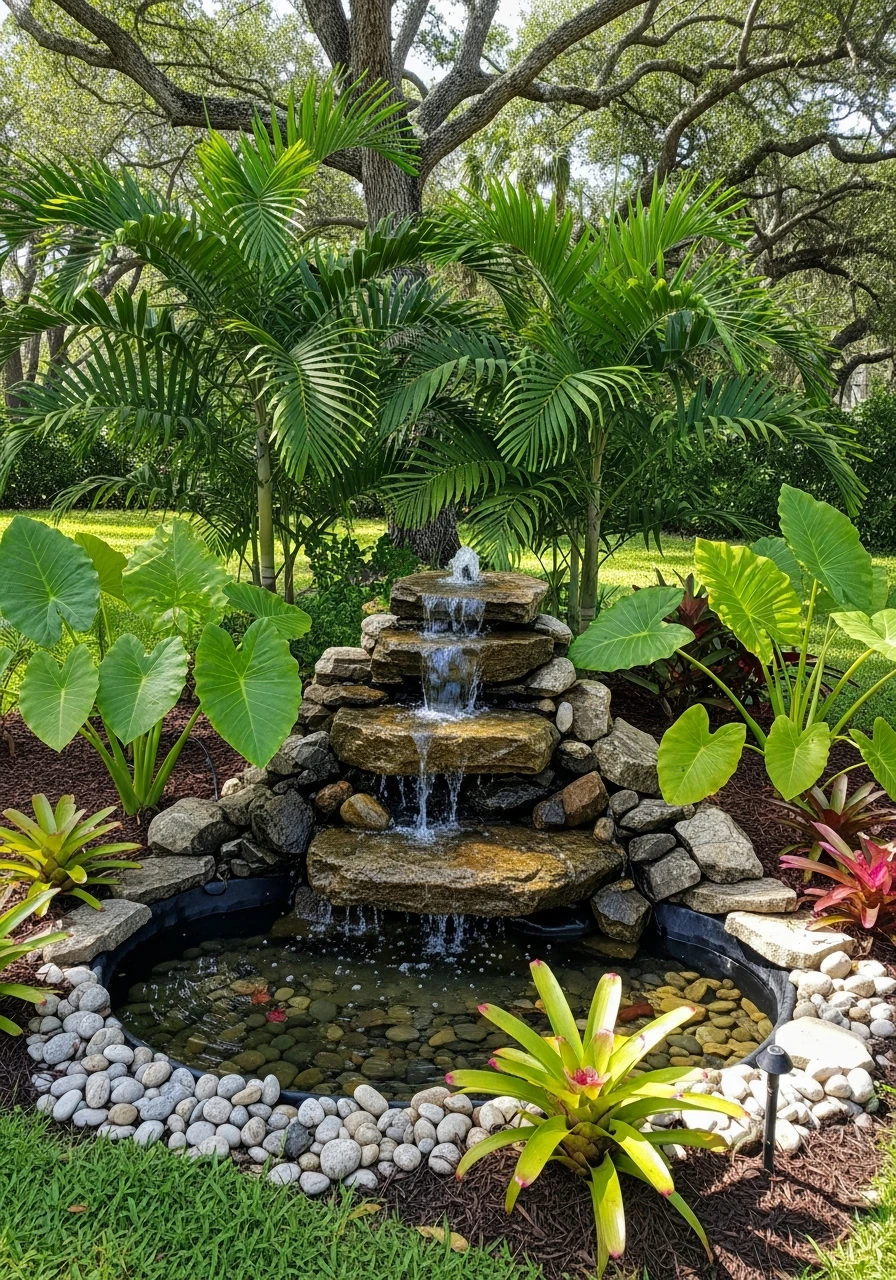
Adding a fountain or a small pond brings the relaxing sound of running water to your yard. This creates a psychological cooling effect and makes your space feel incredibly peaceful. It’s a great way to mask traffic noise, too.
- Place the feature near a seating area.
- Choose a tiered fountain for maximum water sound.
- Ensure the pump is easy to access for cleaning.
Pro Tip: Keep the water feature in a spot that gets a few hours of shade to reduce evaporation.
31. Resort-Style Poolside
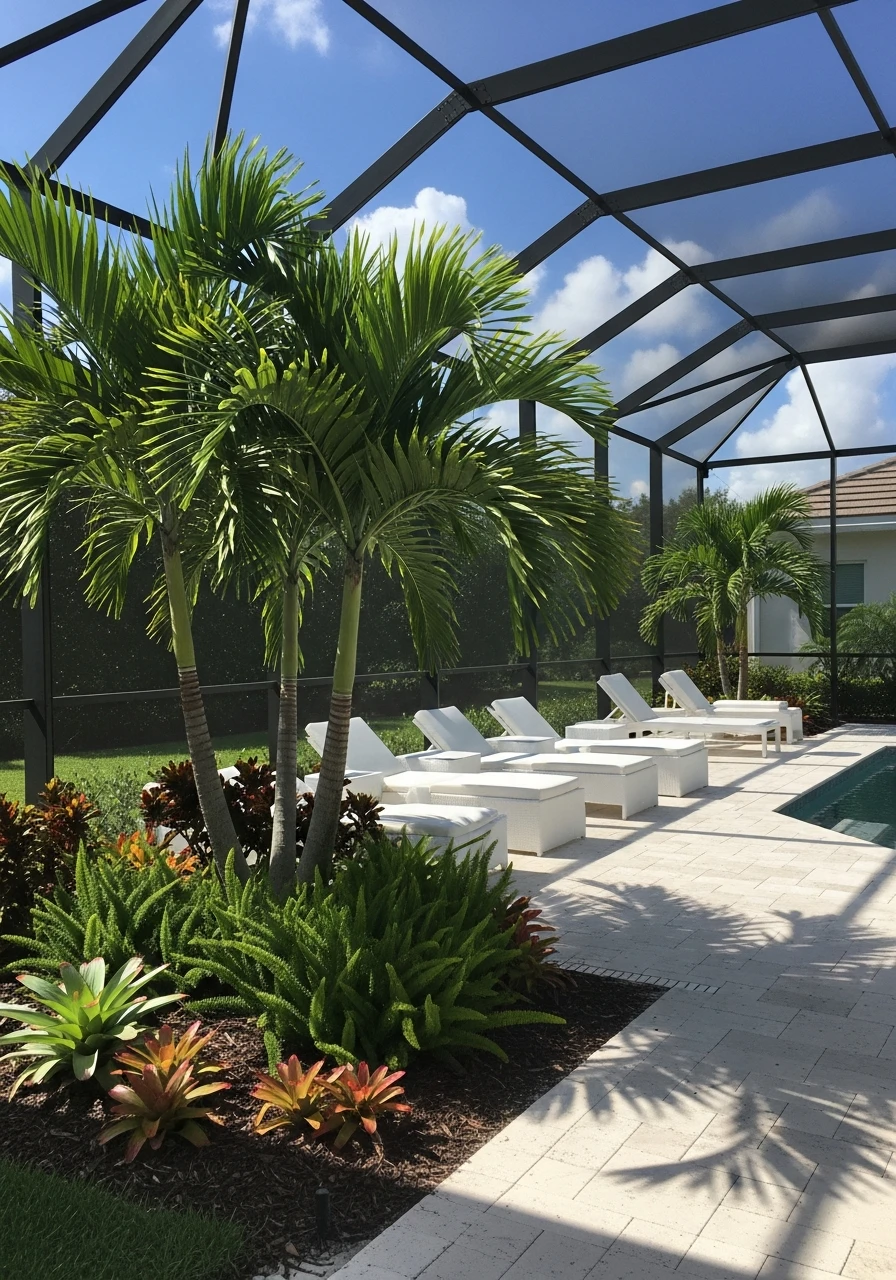
If you have a pool, make the area feel like a luxury getaway. Surround the pool cage or deck with lush, tropical plants like palms and ferns. Use clean lines and minimal clutter for a spa feel.
- Use large, structured planters around the deck.
- Choose non-messy plants that won’t drop leaves in the pool.
- Incorporate neutral, light-colored furniture.
Pro Tip: Bromeliads are perfect for poolside since they require very little soil and look stunning.
32. Container Garden Arrangements
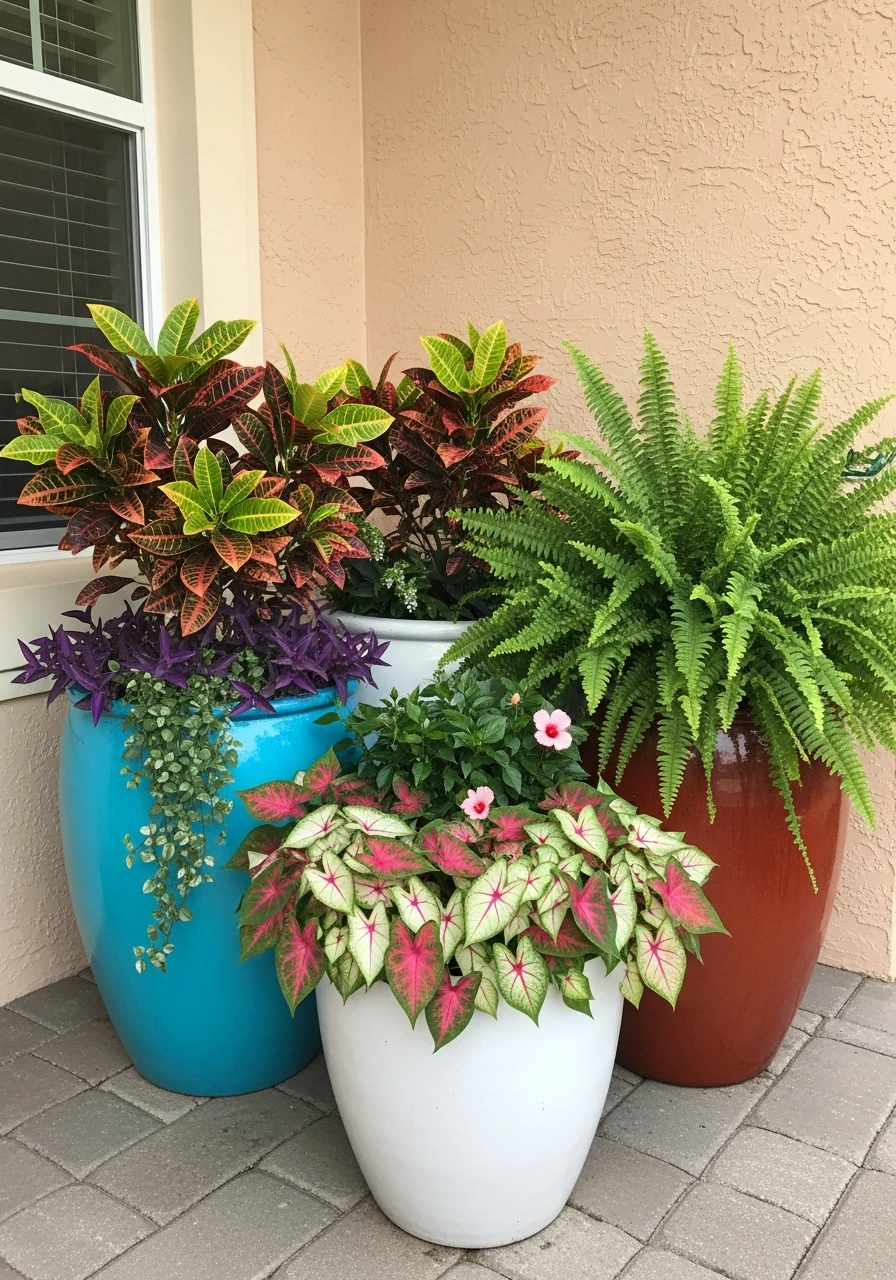
Containers are the perfect solution for small patios or entryways. You can easily switch out plants for seasonal color and rearrange them whenever you want a fresh look. Use large, high-quality pots for the best result.
- Use the ‘Thriller, Filler, Spiller’ method for arranging.
- Group pots of varying sizes together.
- Choose pots that match the color of your home exterior.
Pro Tip: Use potting mix specifically formulated for containers to ensure good drainage.
33. Tropical Front Yard Entry
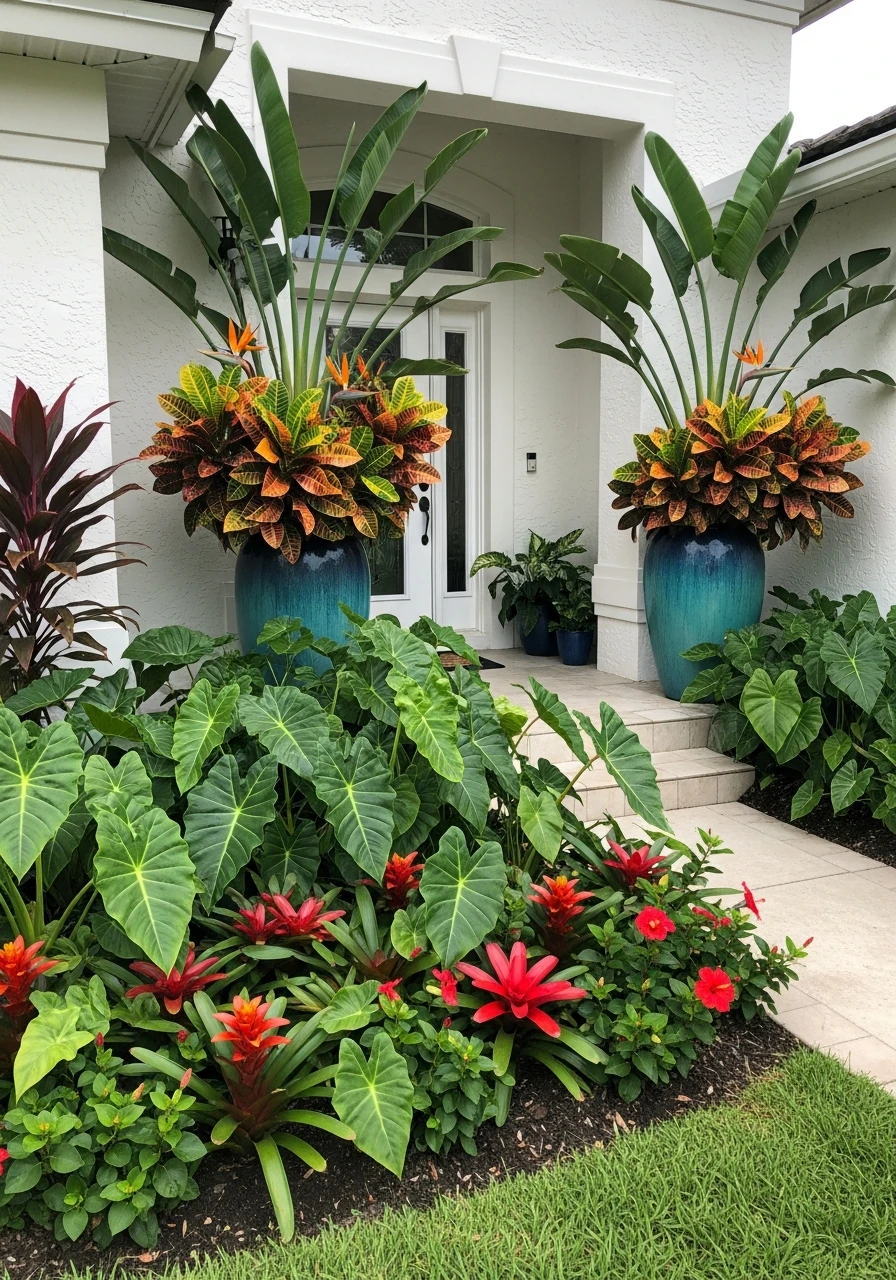
Give your guests a beautiful welcome by framing your front door with bold tropical plants. This boosts your curb appeal instantly and sets a welcoming, lush tone for your whole home. Think big leaves and bright colors.
- Use matching large planters on either side of the door.
- Choose a colorful, patterned welcome mat.
- Ensure the plants are well-lit at night.
Pro Tip: A simple arrangement of three large pots, varying in height, looks very intentional and high-end.
34. Vertical Garden Elements
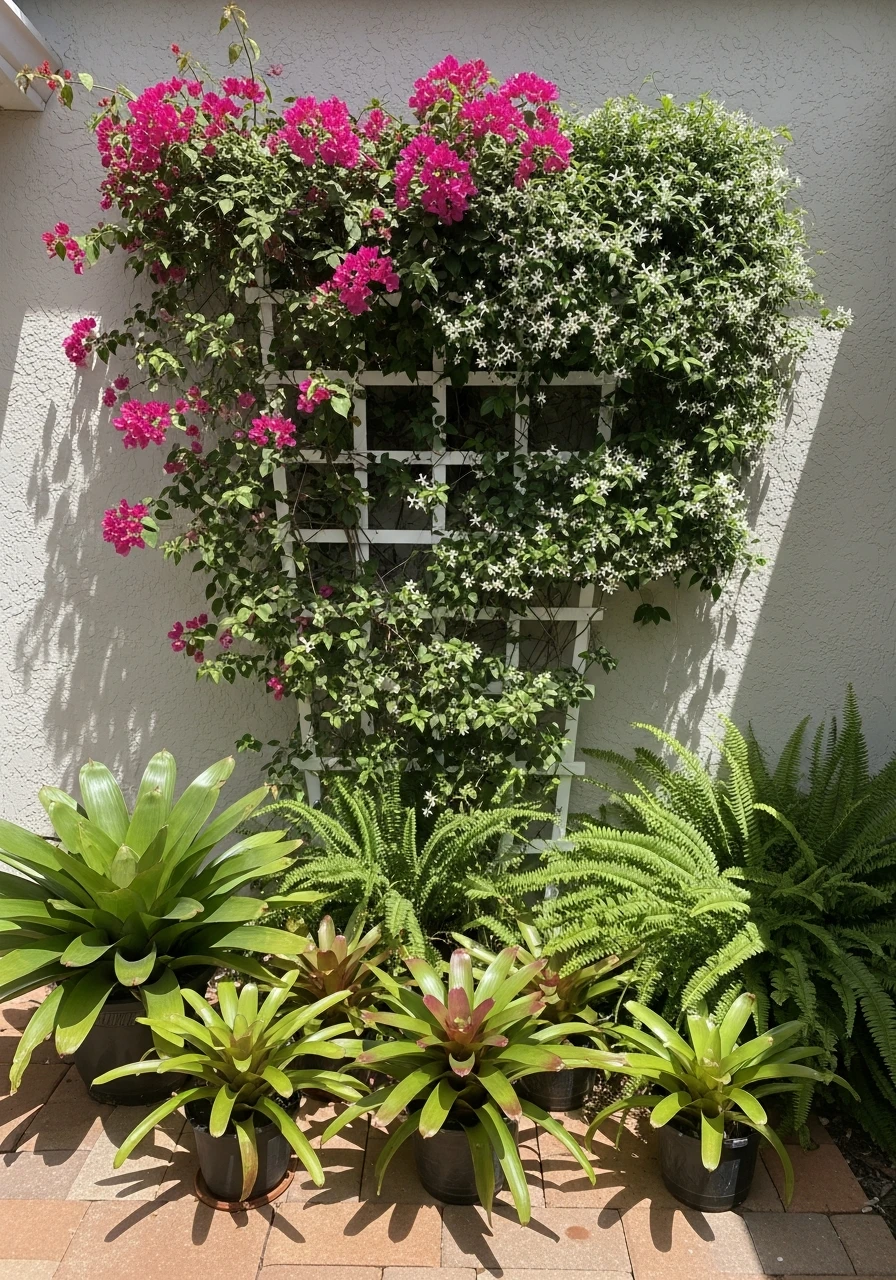
If your yard space is limited, look up! Use trellises, arbors, or climbing plants to add interest without taking up valuable floor space. Vertical gardening makes small areas feel much bigger and lusher.
- Grow colorful bougainvillea on a trellis.
- Use metal grids on a blank wall.
- Grow edible herbs in vertical pocket systems.
Pro Tip: Place a mirror on a fence and surround it with vines for a hidden ‘secret garden’ illusion.
35. Balanced Hardscape
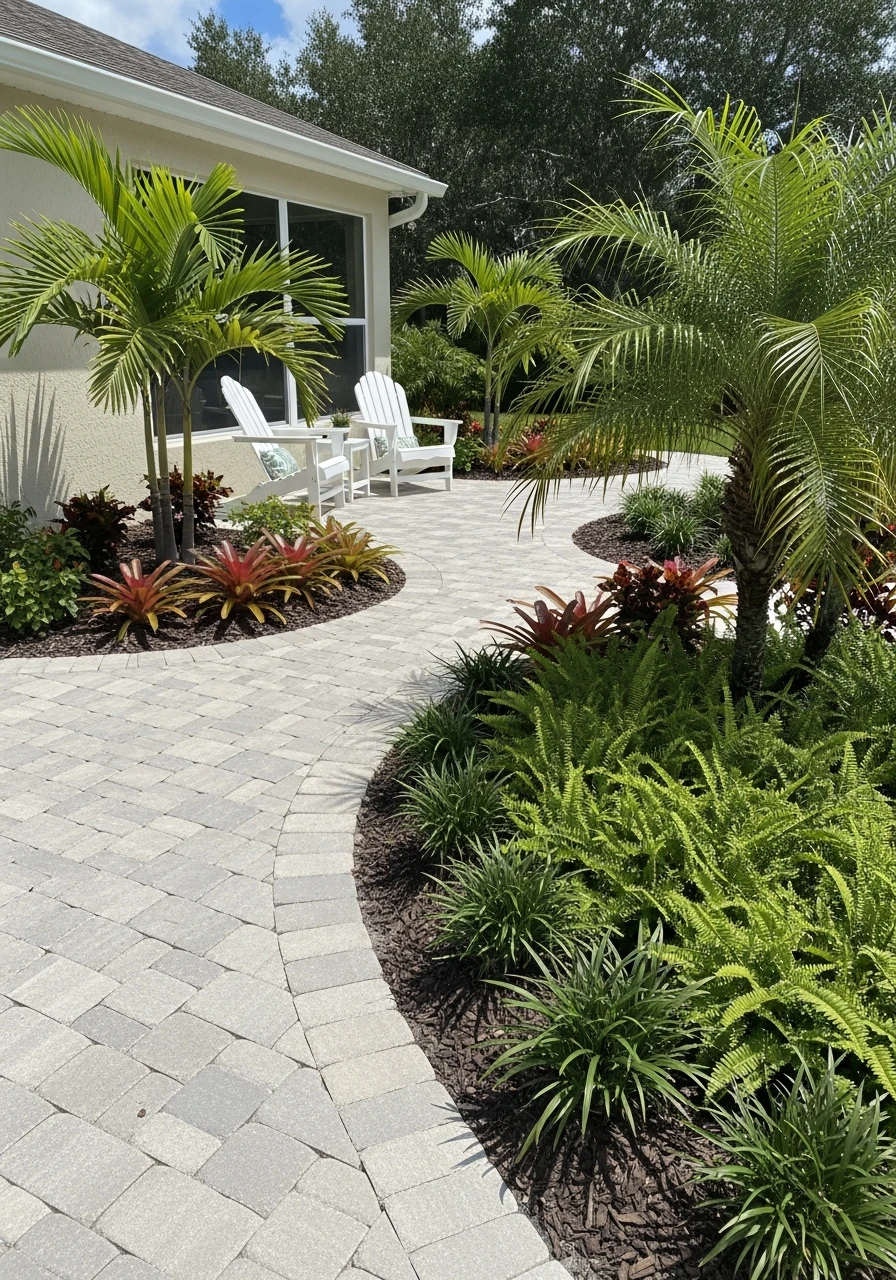
Make sure your yard isn’t just concrete or just plants. Blend patios, walkways, and seating areas with greenery to create balance. This prevents your space from feeling too paved or too overgrown, especially in the heat.
- Use plants to soften the edges of concrete.
- Allow vines to grow over a pergola.
- Break up large paved areas with planting pockets.
Pro Tip: The best ratio is usually about 60% greenery to 40% hard surfaces.
36. Minimalist Florida Garden
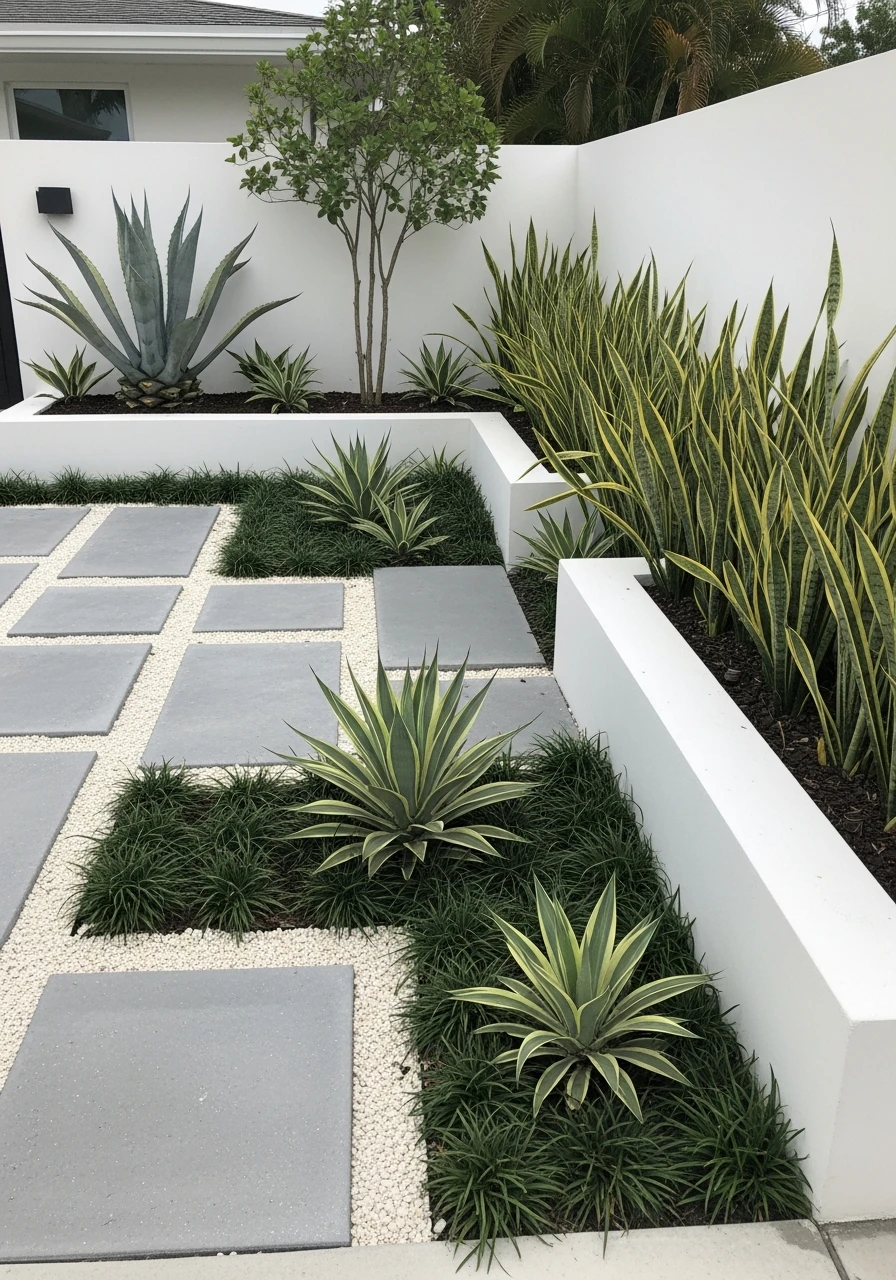
For a modern, clean look, stick to clean lines and limit your plant types. Use structured layouts and focus on texture over color. This style requires less upkeep and always looks tailored and neat.
- Use geometric-shaped planters.
- Choose only one or two colors of gravel.
- Focus on structural plants like Agave or Sansevieria.
Pro Tip: Install low, hidden lighting to emphasize the clean lines after dark.
37. Natural Privacy Screens
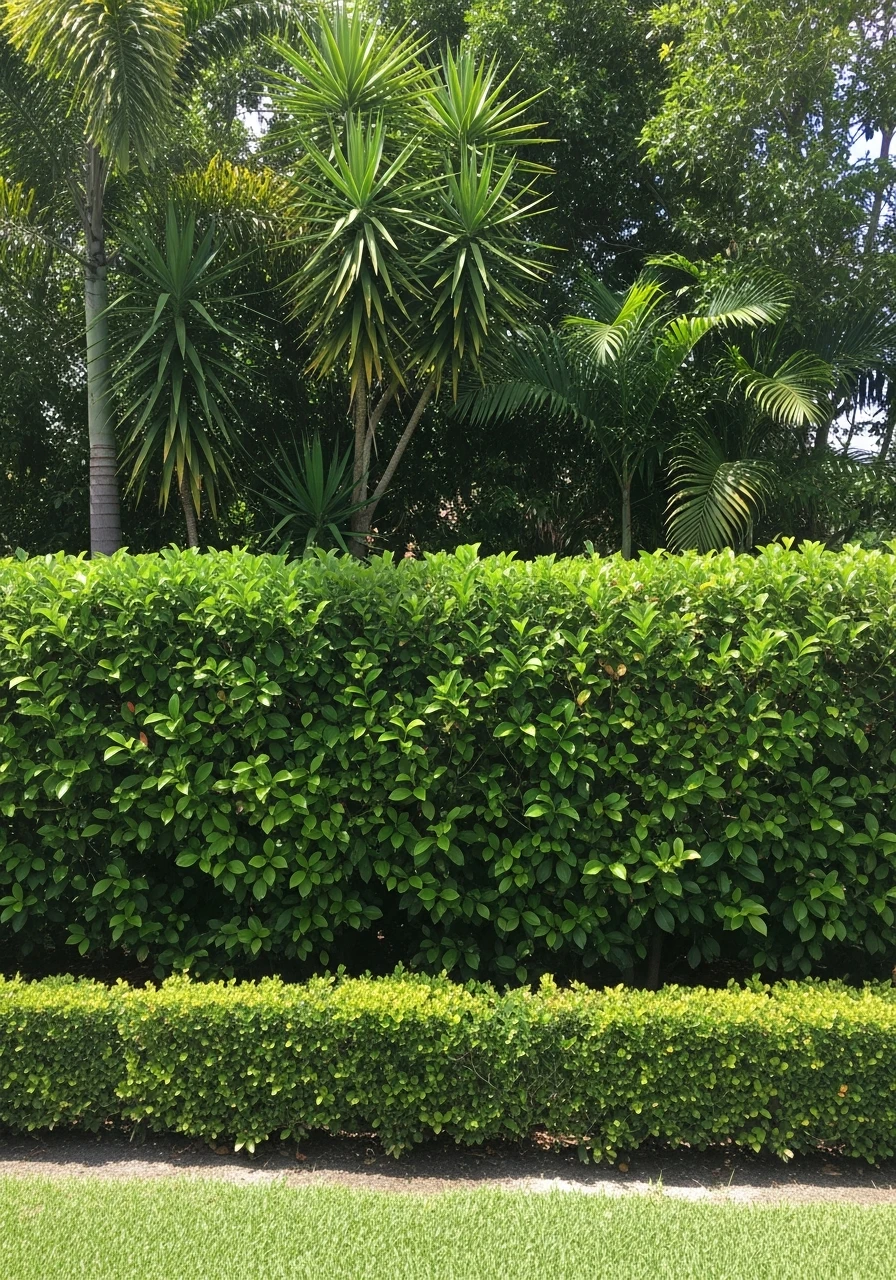
Skip the plain wood fence and use layered hedges and tall plants for privacy instead. This looks much more natural, reduces noise, and keeps your yard feeling like a secret oasis. Choose dense, fast-growing shrubs.
- Use native shrubs like Podocarpus or Clusia.
- Plant hedges in a staggered, zig-zag pattern.
- Mix heights to ensure total coverage.
Pro Tip: If you need quick screening, bamboo is fast-growing but must be contained in a root barrier.
38. Edible Landscaping
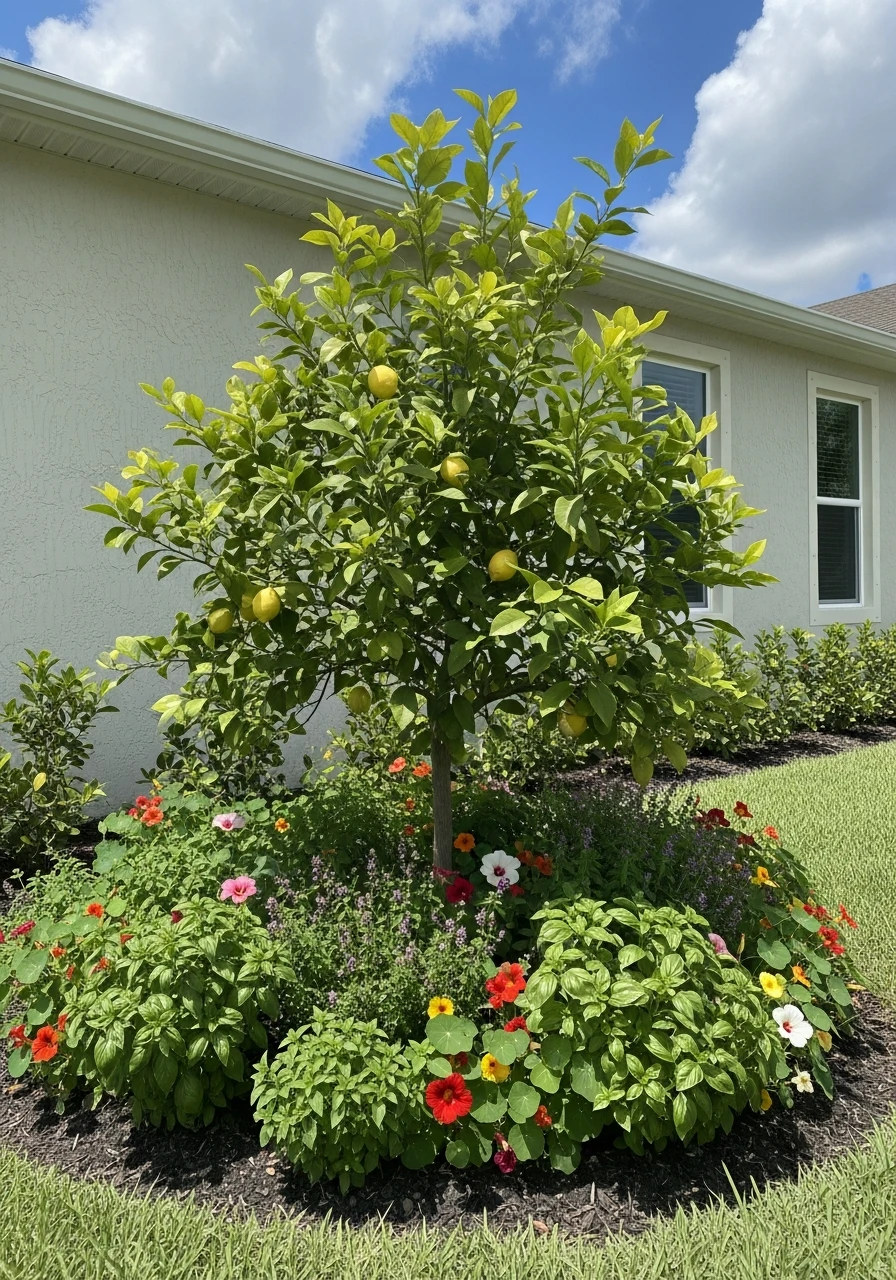
Incorporate fruit trees, herbs, and edible flowers into your decorative beds. This makes your yard functional and attractive at the same time. Citrus trees, like Meyer lemons, look beautiful and provide fresh fruit!
- Use herbs as attractive border plants (rosemary, basil).
- Plant strawberries as a groundcover.
- Keep fruit trees near the kitchen for easy access.
Pro Tip: Many popular Florida ornamental shrubs, like pineapple guava, produce edible fruit.
39. Coastal Dune Gardens
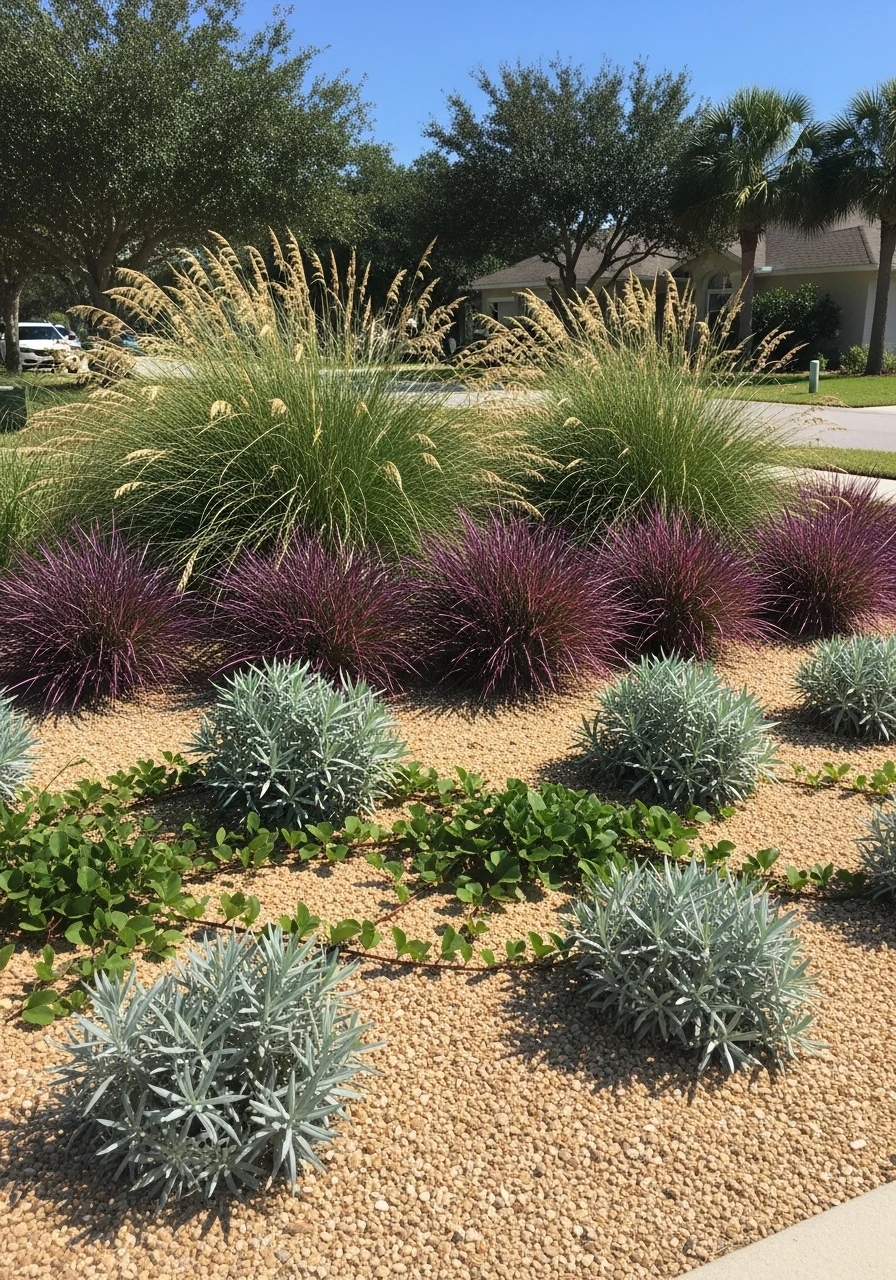
If you love the beach, bring that feeling home! Use dune grasses, sandy textures, and tough, wind-tolerant plants. This style is naturally resilient and perfectly suited for Florida’s environment, even if you don’t live on the coast.
- Use sea oats and low-growing native grasses.
- Mix in white crushed shell instead of mulch.
- Avoid tall, fragile plants.
Pro Tip: A weathered piece of driftwood makes a perfect coastal garden accent.
40. Mixed Plant Resilience
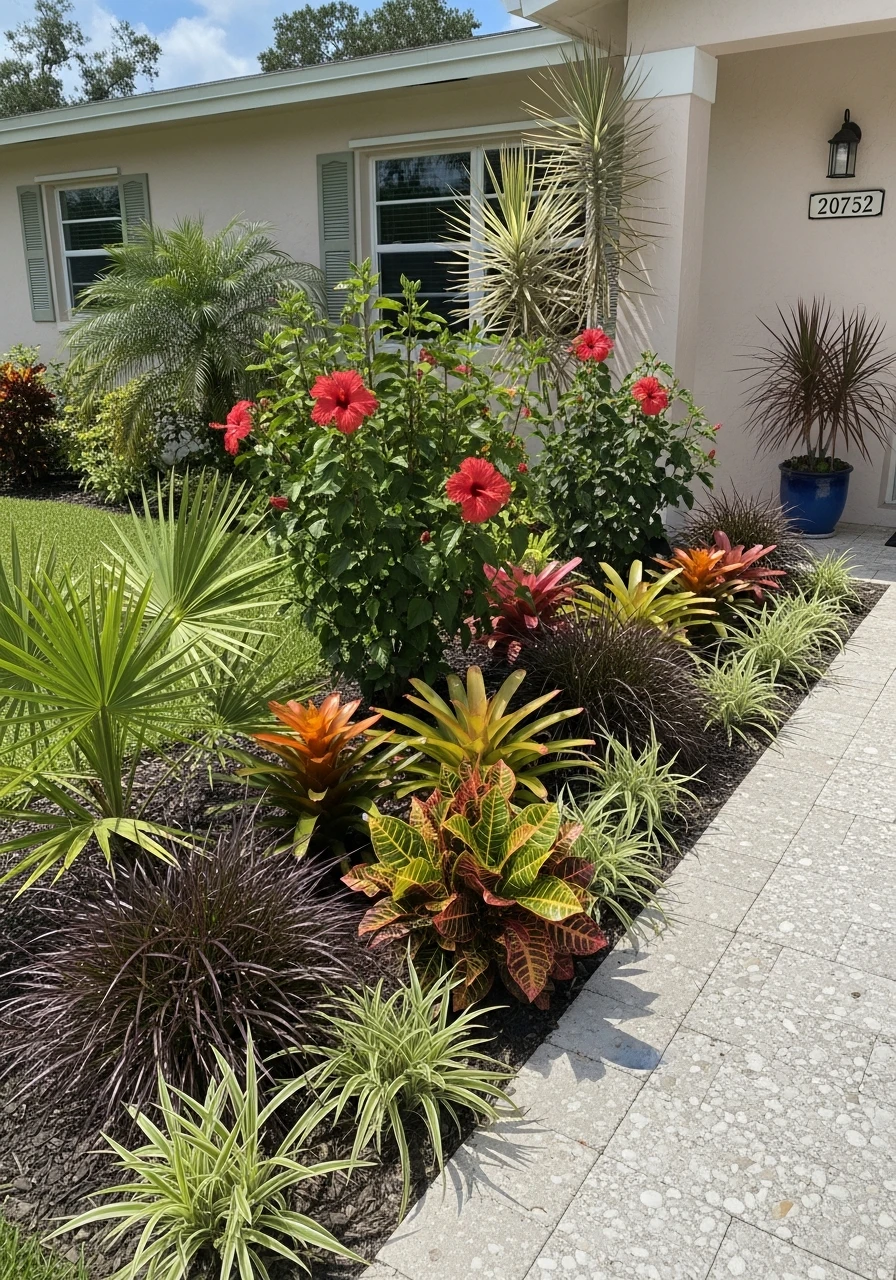
Combine tough native plants with showy tropical species. The natives provide resilience and low water needs, while the tropicals give you that visual impact you crave. It’s the best of both worlds.
- Use native wildflowers next to a showy banana tree.
- Ensure all plants have similar sun requirements.
- Plant in well-draining soil.
Pro Tip: Look for Florida native versions of your favorite exotic plants—they are often hardier.
41. Sea Grape Shade Trees
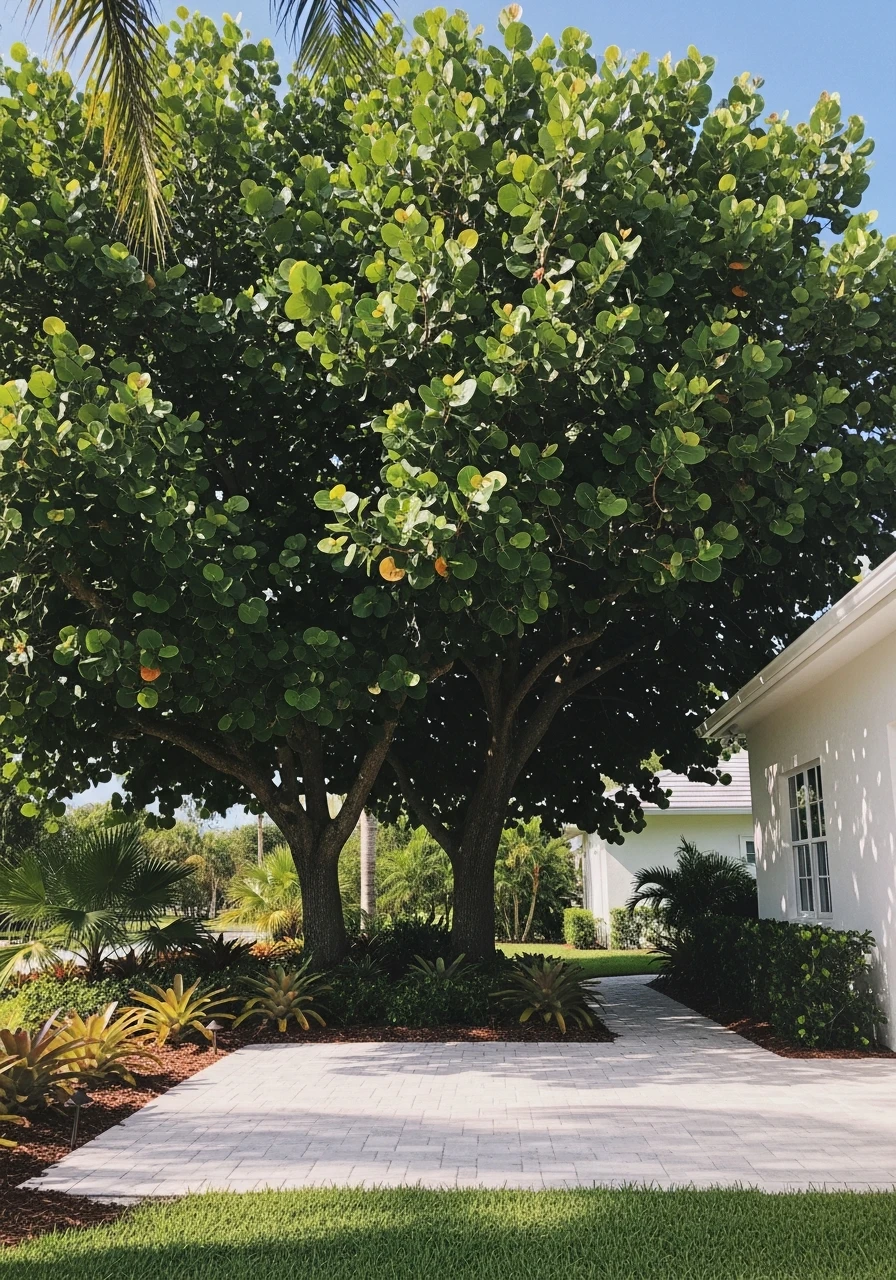
Sea grape trees are excellent choices for broad shade and strong coastal tolerance. They have large, round leaves that provide great cover, and they are very tough against wind and salt. They are iconic Florida trees.
- Plant them where you need wide, dense shade.
- They often grow wider than they are tall.
- The fruit is edible if you want a fun DIY project.
Pro Tip: Prune them into a single trunk tree shape for a more formal look.
42. Seasonal Blooming Trees
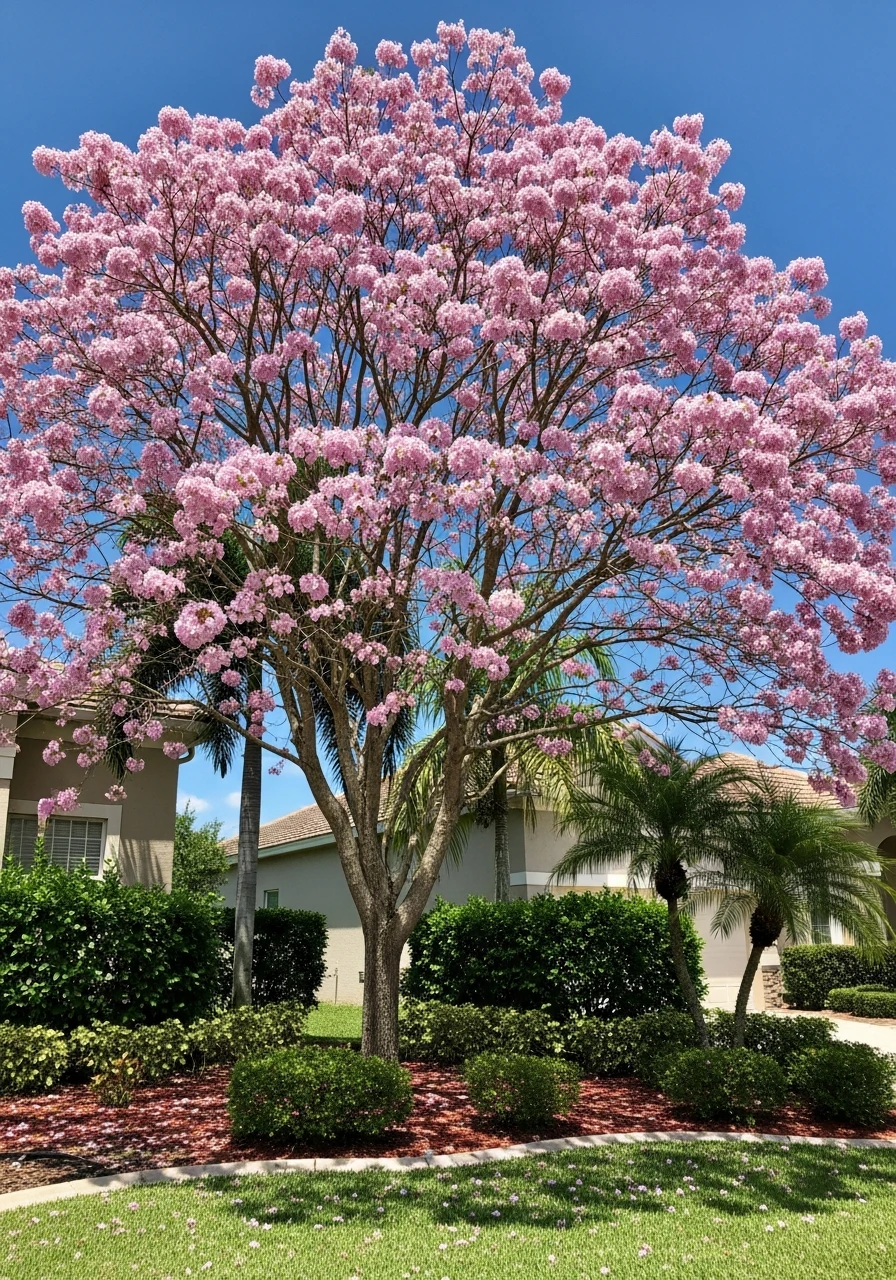
Add flowering trees, like Jacaranda or Tabebuia, to introduce seasonal color changes to your yard. Their stunning blooms offer a break from the constant green and signal the changing seasons beautifully.
- Choose a tree that blooms at a different time than your shrubs.
- Plant away from patios if they are heavy shedders.
- Check the mature size before planting.
Pro Tip: A tree with red or orange flowers looks stunning against a blue Florida sky.
43. Frangipani Accent Trees
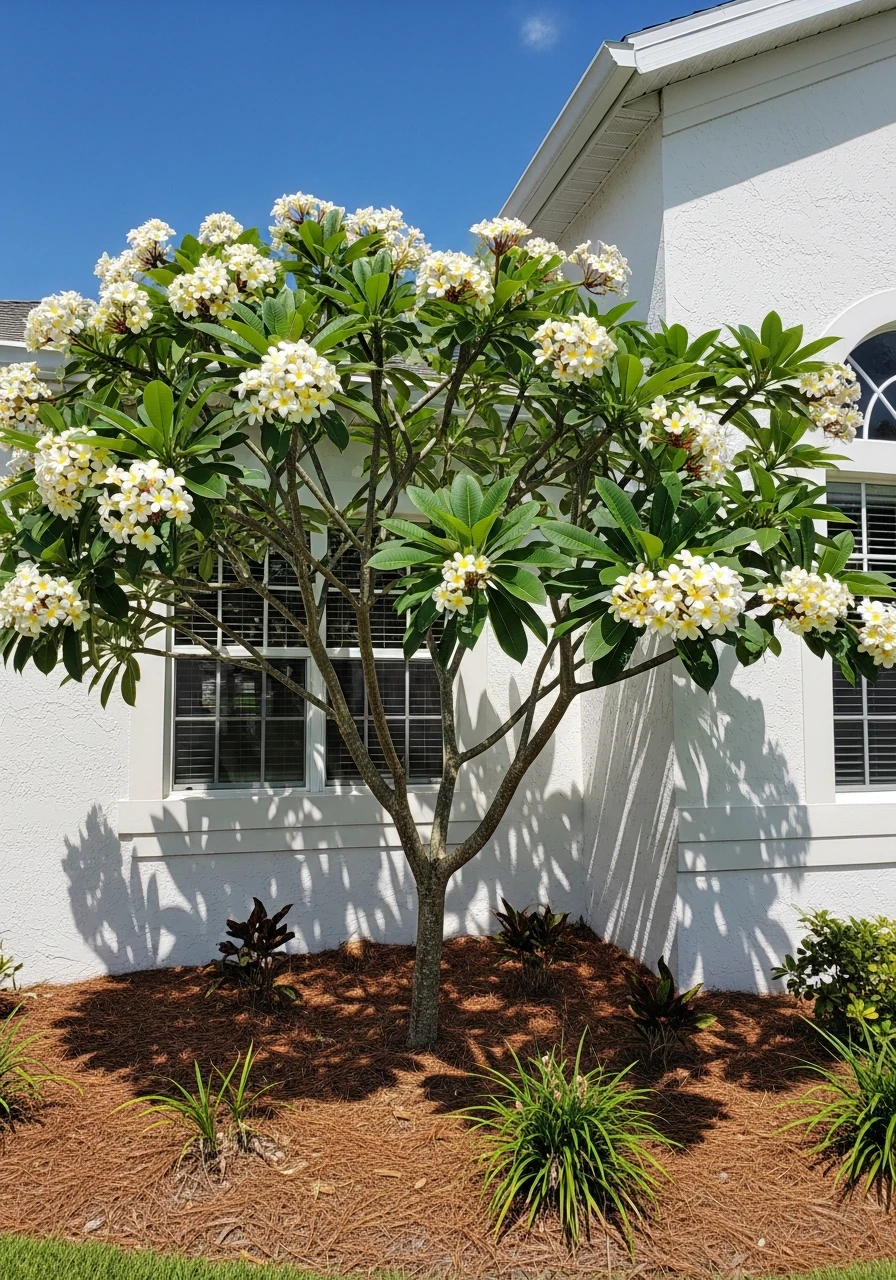
Use Frangipani (Plumeria) trees as special accent features. They are known for their incredibly fragrant, beautiful flowers and classic tropical look. Place them near a window or door so you can enjoy the scent.
- They do well in large containers if you are worried about cold snaps.
- They need full sun to bloom heavily.
- Prune in late winter or early spring.
Pro Tip: The scent is strongest at night, making them perfect near a bedroom window.
44. Cooling Shade Placement
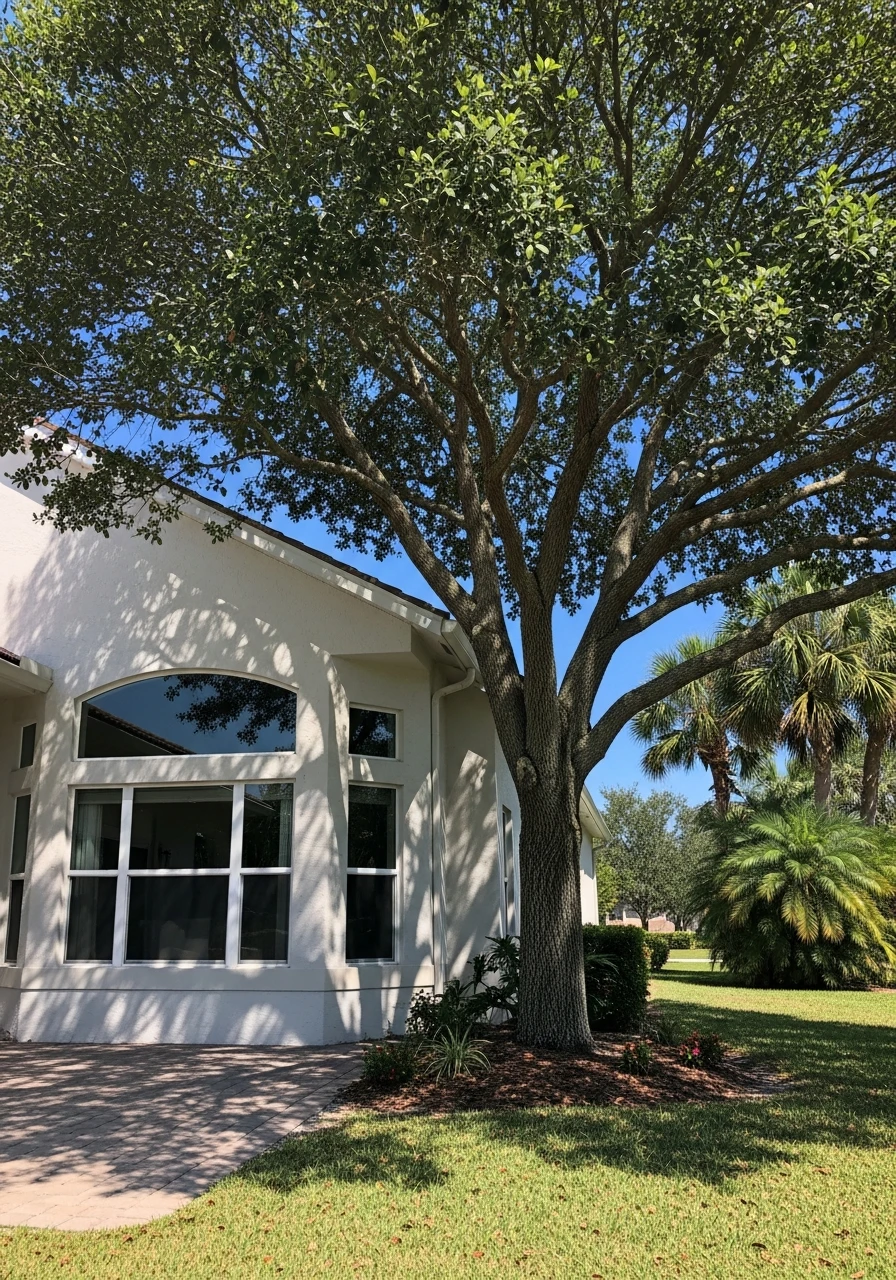
Be smart about where you put your trees. Position shade trees near patios and windows that get the worst afternoon sun. This naturally reduces the heat hitting your house and lowers your energy bill. It’s functional design.
- Plant deciduous trees on the south and west sides.
- Ensure the tree won’t damage the foundation when mature.
- Use a shade calculator to plan placement perfectly.
Pro Tip: A strategically placed shade tree can reduce the temperature of a nearby patio by 10 degrees.
45. Highlight Plants At Night
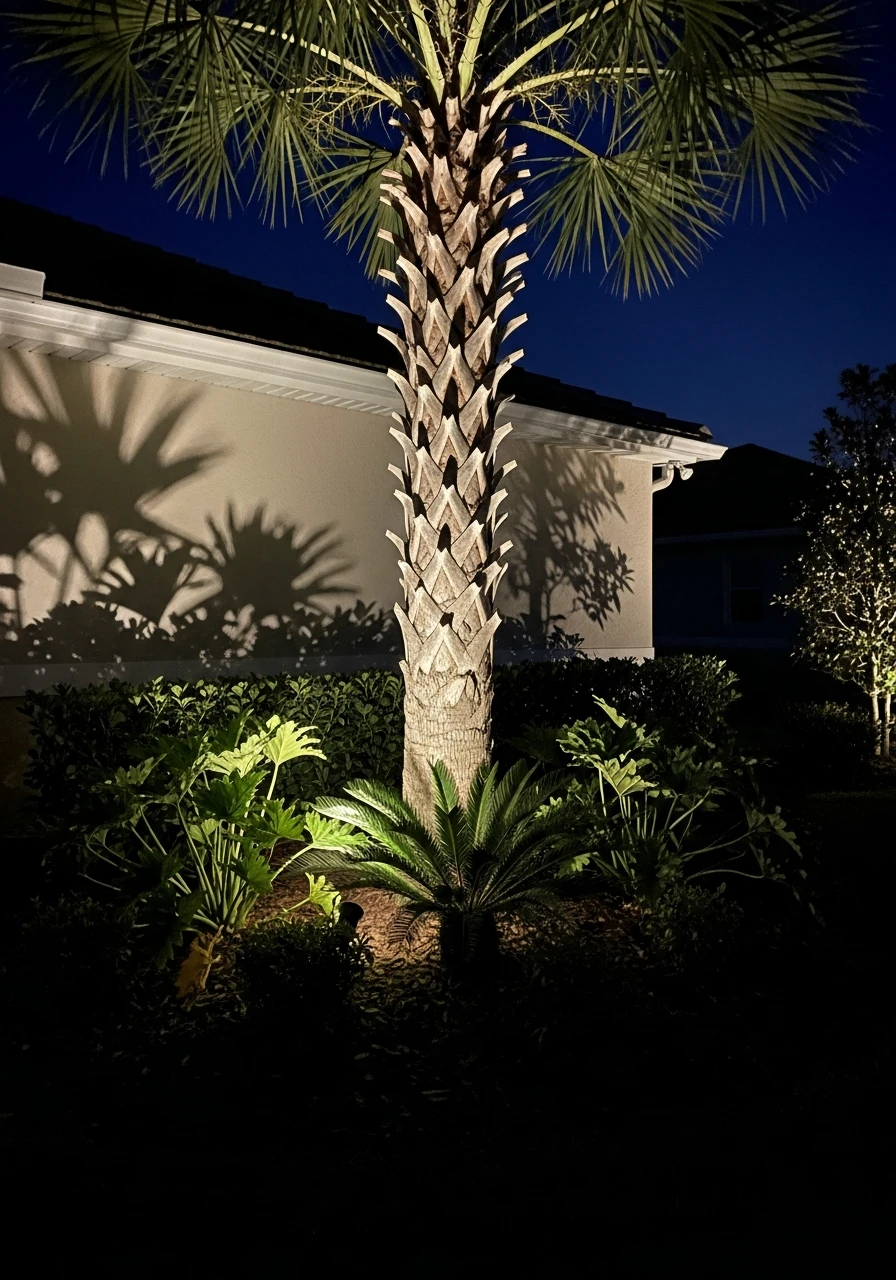
Good lighting instantly makes your yard look high-end and professional. Use low-voltage spotlights pointed up at your best palms or textured walls. This adds depth and security after the sun sets.
- Focus lights on focal point trees.
- Use warm-toned LED bulbs.
- Hide the fixture bases completely.
Pro Tip: Light the pathway, not just the plants, to make walking safe and easy.
46. Decorative Planter Accents
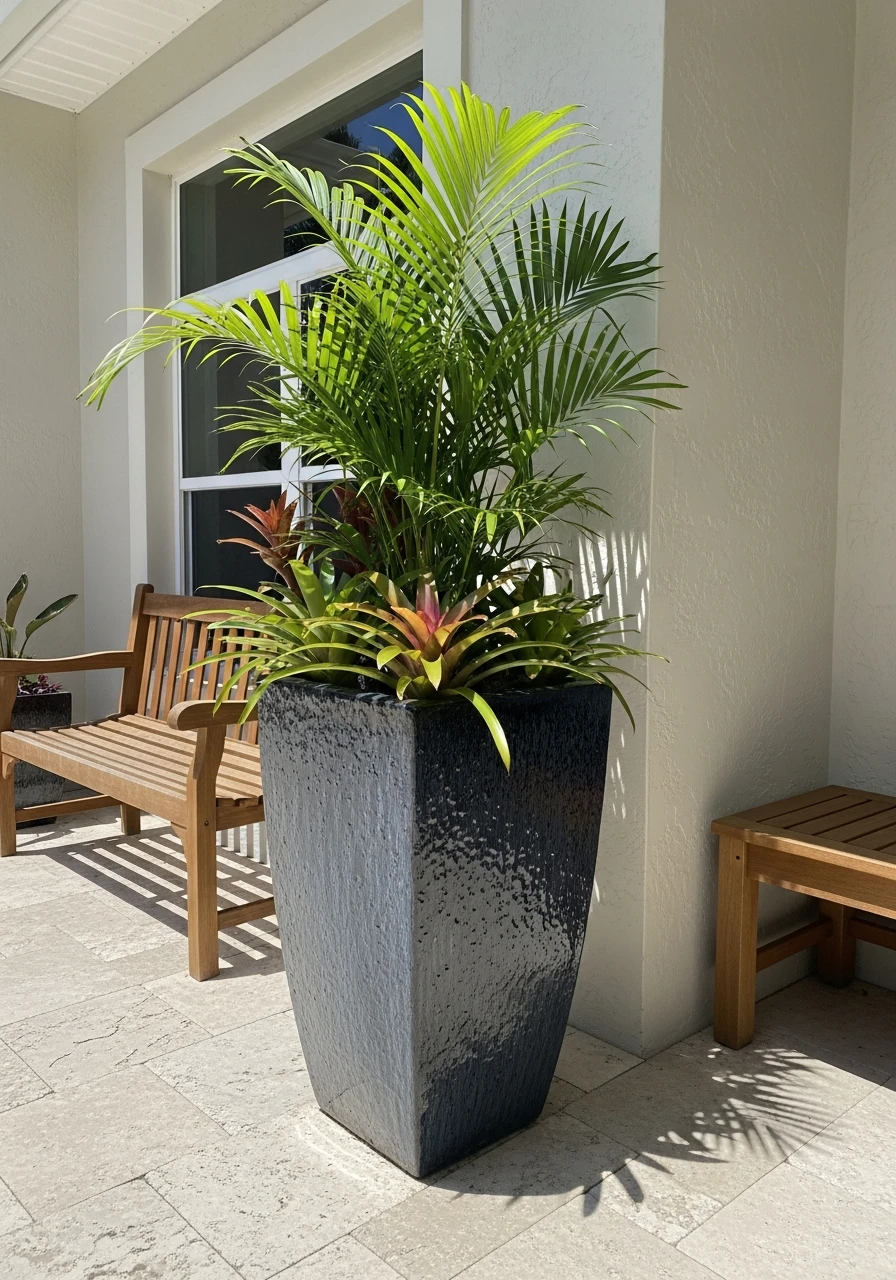
Use ceramic or stone planters as standalone accents or to define zones. A beautiful, large planter placed at the corner of a patio or next to a bench adds contrast and draws the eye. Treat them like outdoor sculptures.
- Use tall, sleek planters for a modern look.
- Choose colors that contrast with your plants (e.g., white pot with green plant).
- Place them on pedestals to give them height.
Pro Tip: You can use empty plastic bottles in the bottom of large planters to save on expensive potting soil.
47. Efficient Drip Irrigation
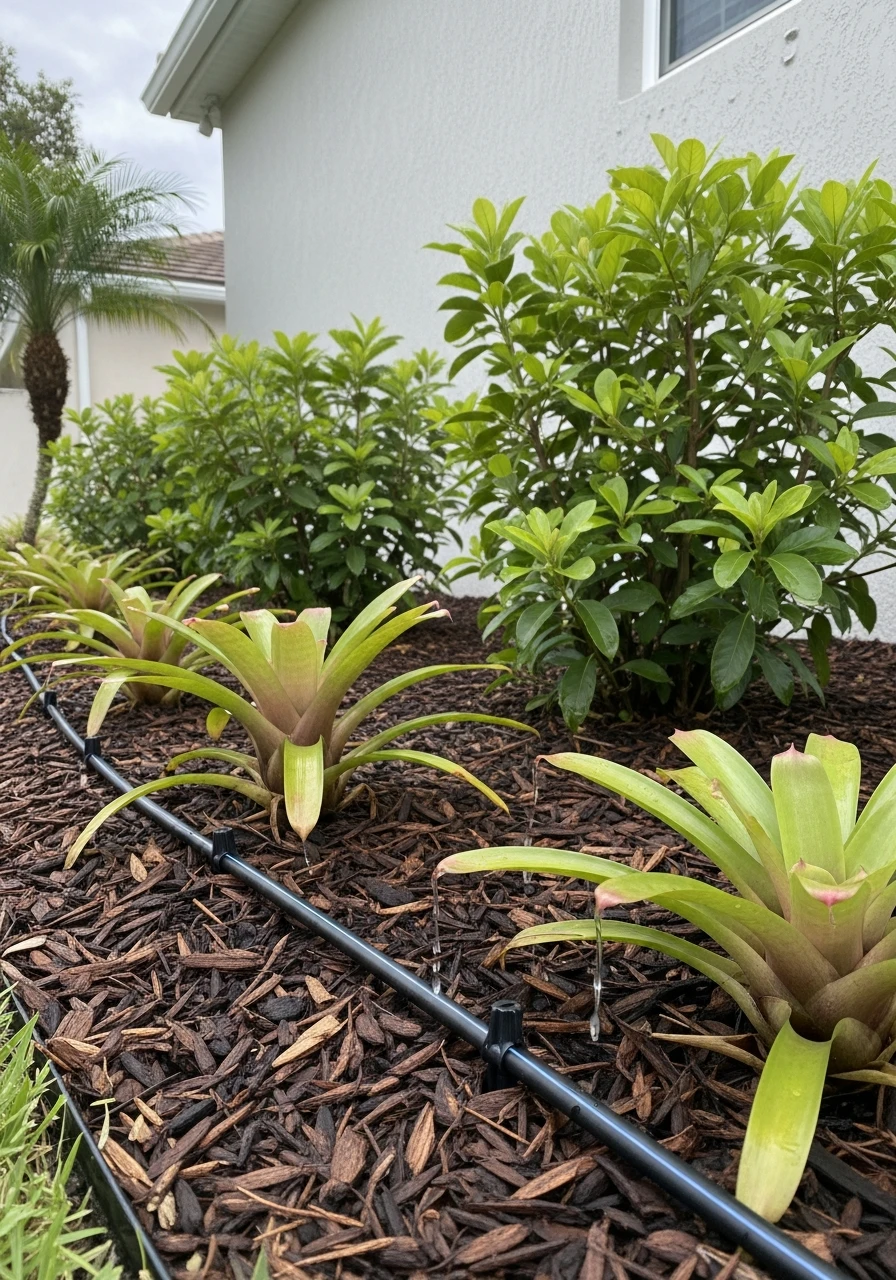
Stop wasting water with sprinklers! Install drip irrigation to deliver water directly to the roots of your plants with minimal waste. This is the most efficient way to water in Florida and keeps your plants happier.
- Use drip lines for garden beds and containers.
- Attach a simple timer to automate watering.
- Check the system regularly for leaks or clogs.
Pro Tip: Water deeply and infrequently rather than shallowly every day to encourage deep root growth.
48. Defined Garden Bed Edging
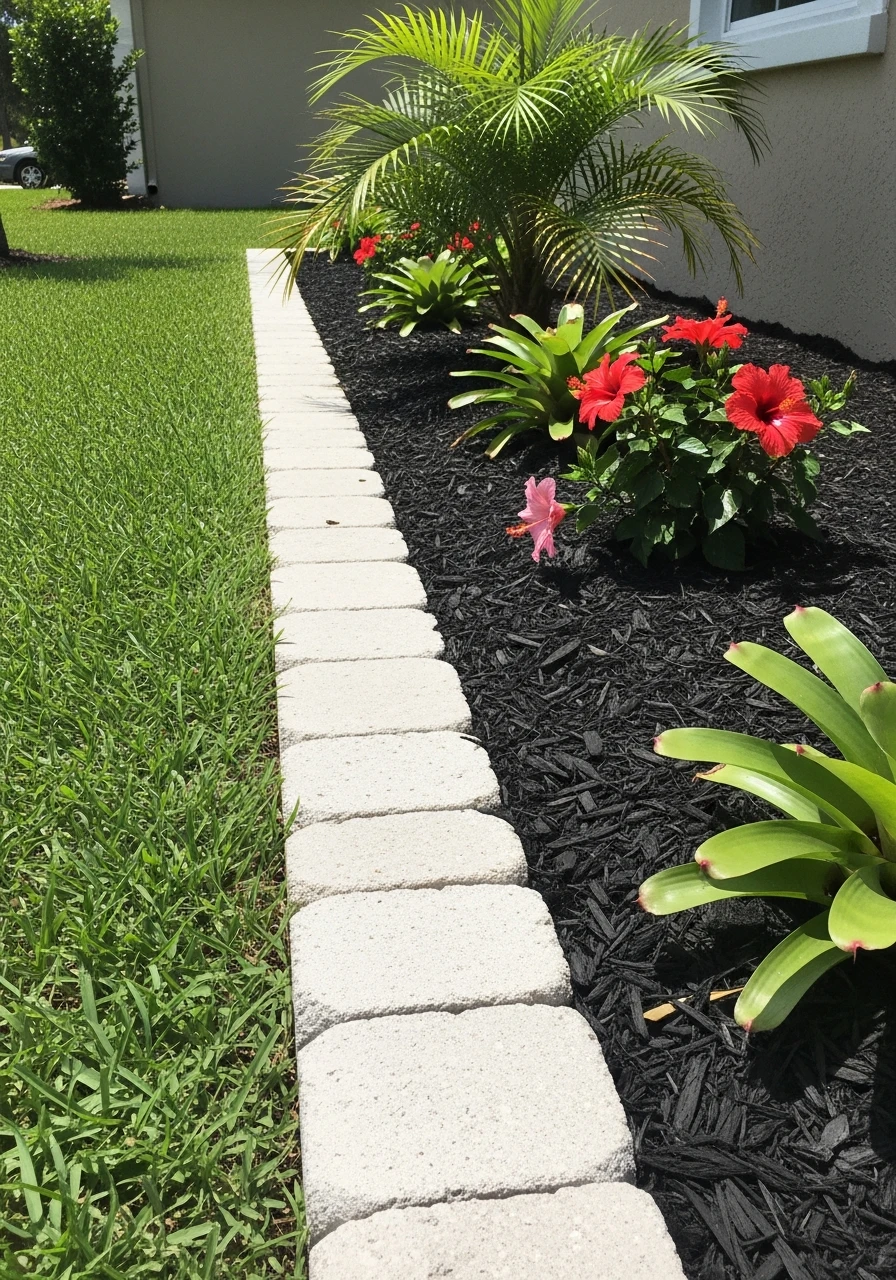
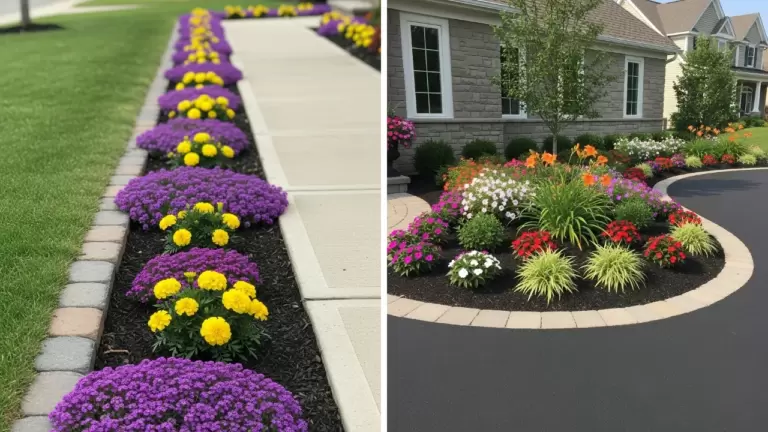
Use stone, brick, or metal edging to keep your garden beds clean and visually organized. Edging separates the lawn from the mulch, preventing grass from creeping in and giving your beds a crisp, defined look.
- Choose a neutral color like black or grey.
- Install edging low and flush with the ground.
- Use straight lines or gentle curves for a tailored look.
Pro Tip: Metal edging is the easiest to install for long, curved beds.
49. Seasonal Color Shrub Mixes
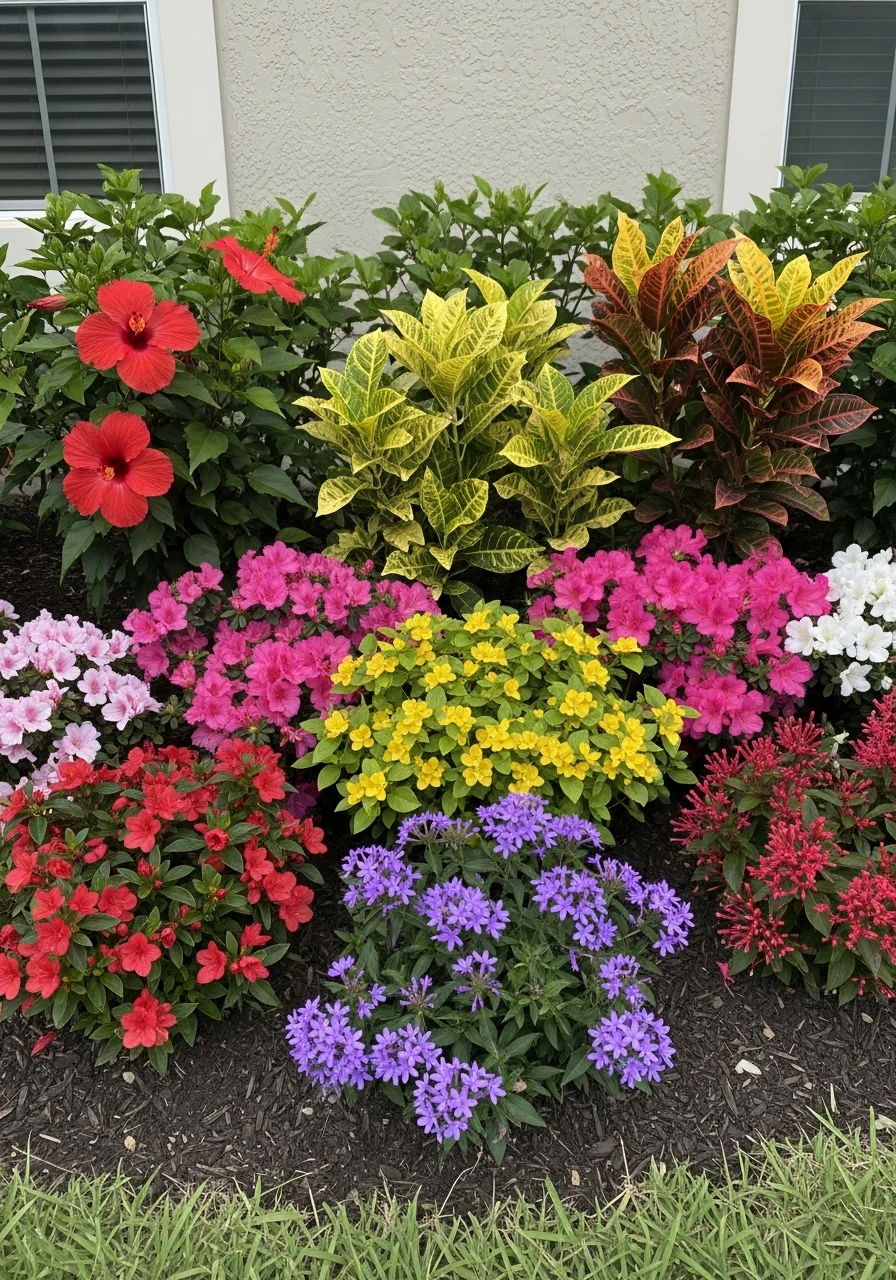
Combine shrubs that bloom at different times of the year so you always have something interesting happening. This ensures year-round color and prevents that mid-year slump where everything looks boring and green.
- Mix spring bloomers with fall color shrubs.
- Use evergreen shrubs as the base structure.
- Plan your colors before you plant.
Pro Tip: Check the plant tag for the exact blooming season before purchasing.
50. Unified Mulch Layer
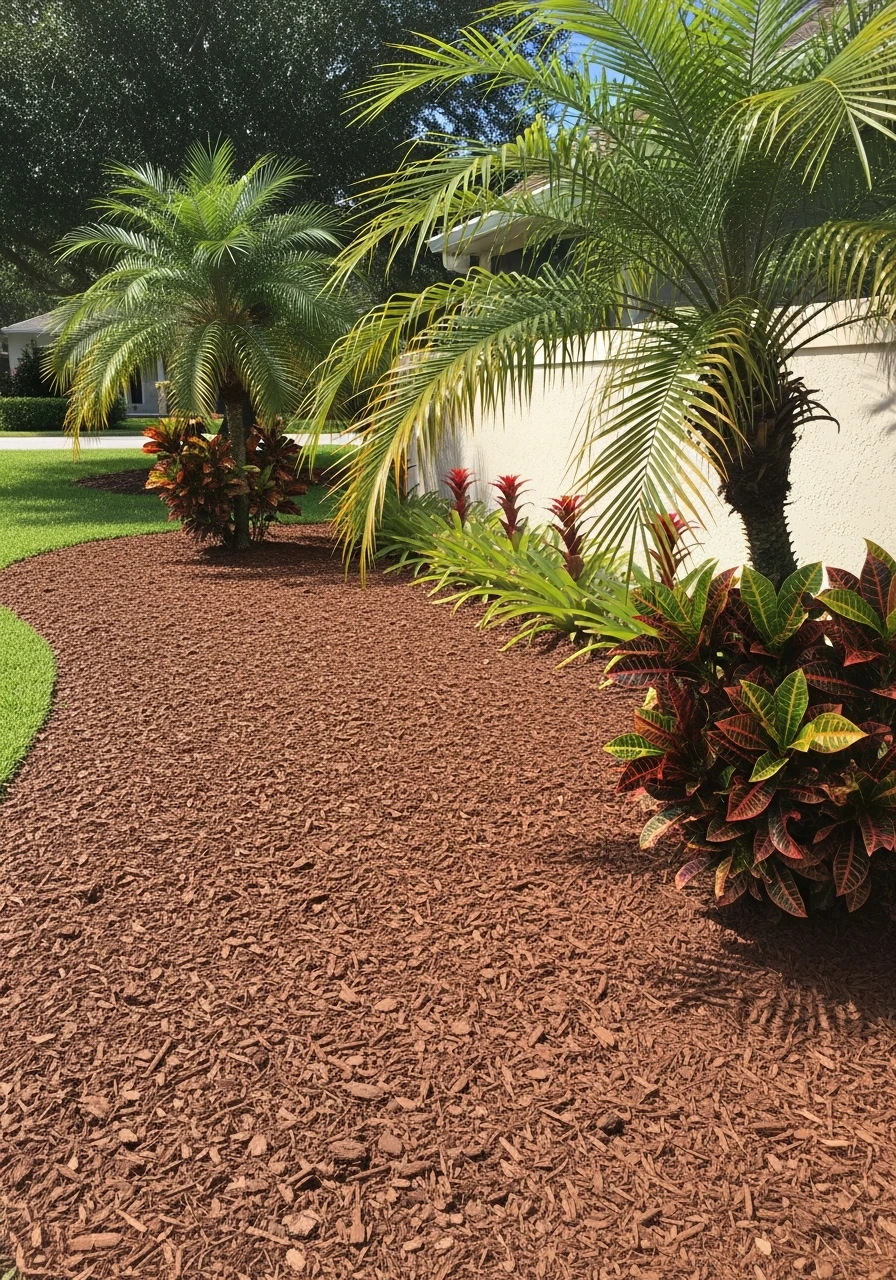
The easiest way to make your whole yard look professional is to use the same type of mulch everywhere. A consistent finishing layer ties all your different planting beds together, making the entire space feel cohesive and polished.
- Choose one mulch color and stick to it.
- Ensure all bare soil is covered.
- Keep the mulch line consistent along all edges.
Pro Tip: Darker mulch colors make green foliage pop and look richer.
See? Creating a gorgeous, high-end Florida yard doesn’t require a massive budget or endless hours of watering.
By using smart, native-friendly plants and defining your spaces with good hardscaping, you can enjoy a beautiful, low-maintenance oasis all year long.
Grab your hat and get planting!