50 Herb Garden Ideas

This post may contain affiliate links: full affiliate disclosure.
Dreaming of fresh herbs at your fingertips but worried about the cost or space? You’re not alone!
Getting started with an herb garden can feel tricky, but it’s simpler than you think.
Get ready to discover 50 brilliant herb garden ideas that will bring high-end style to your home without breaking the bank.
1. Window Herb Garden
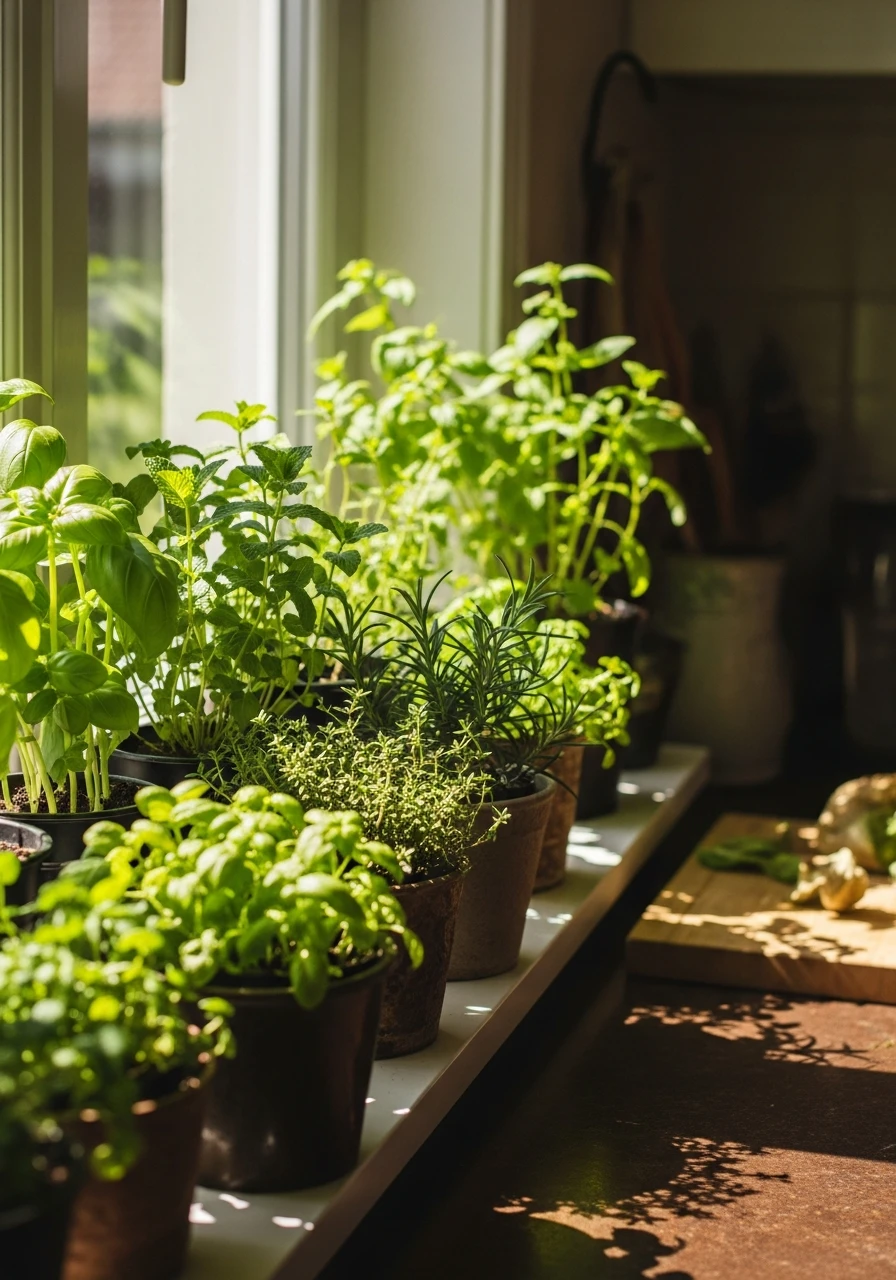
Grow herbs on a sunny windowsill in small pots so you can easily access fresh leaves while cooking. This brings life and flavor right into your kitchen.
- Choose small, matching pots for a tidy look.
- Place on your sunniest kitchen window.
Pro Tip: Rotate pots weekly for even growth and a happy plant.
2. Self-Watering Herb Beds
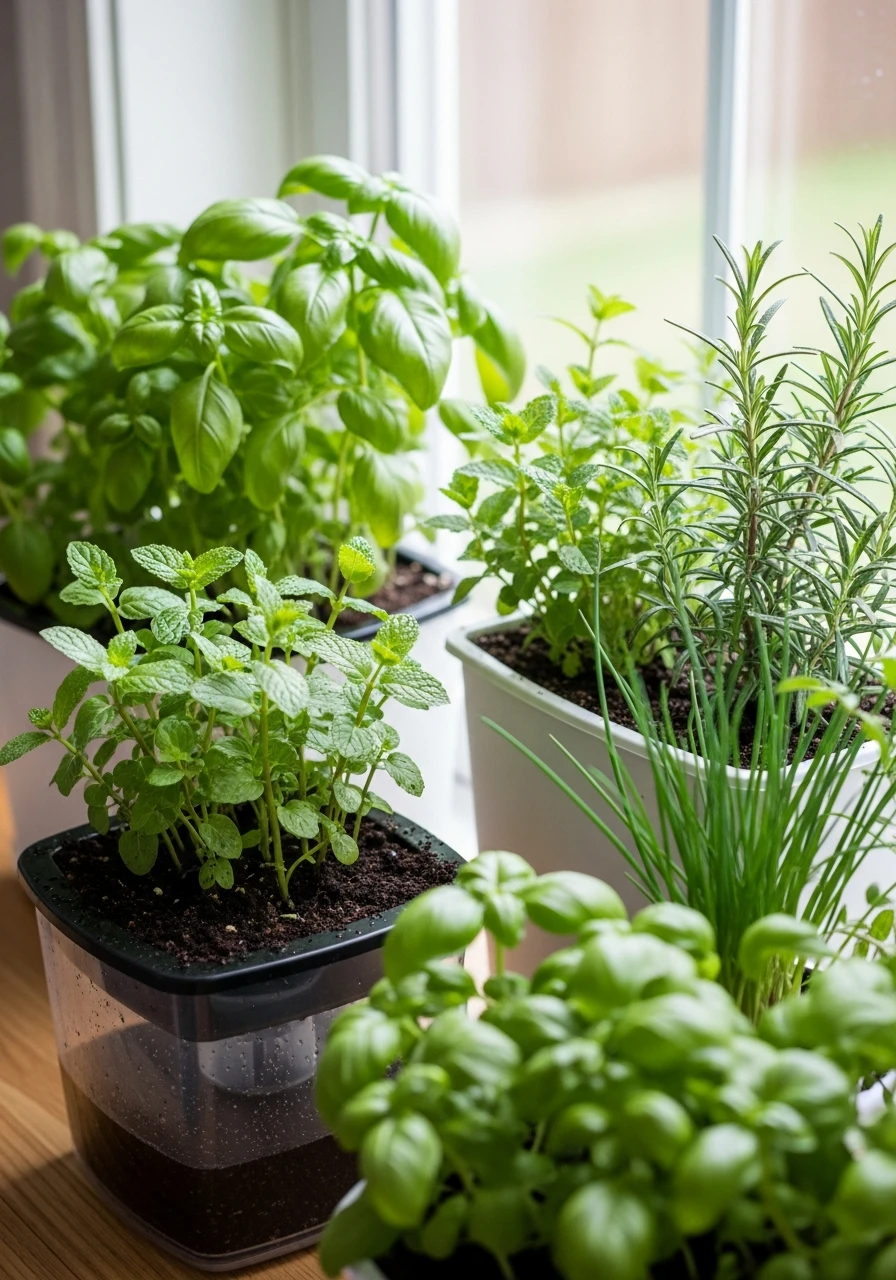
Use self-watering containers or planters to keep soil moist and reduce watering chores. This helps busy folks keep their herbs happy and thriving.
- Look for self-watering pots online.
- Fill the water reservoir regularly for consistent moisture.
Pro Tip: These are great for when you go on vacation!
3. Recycled Planter Herbs
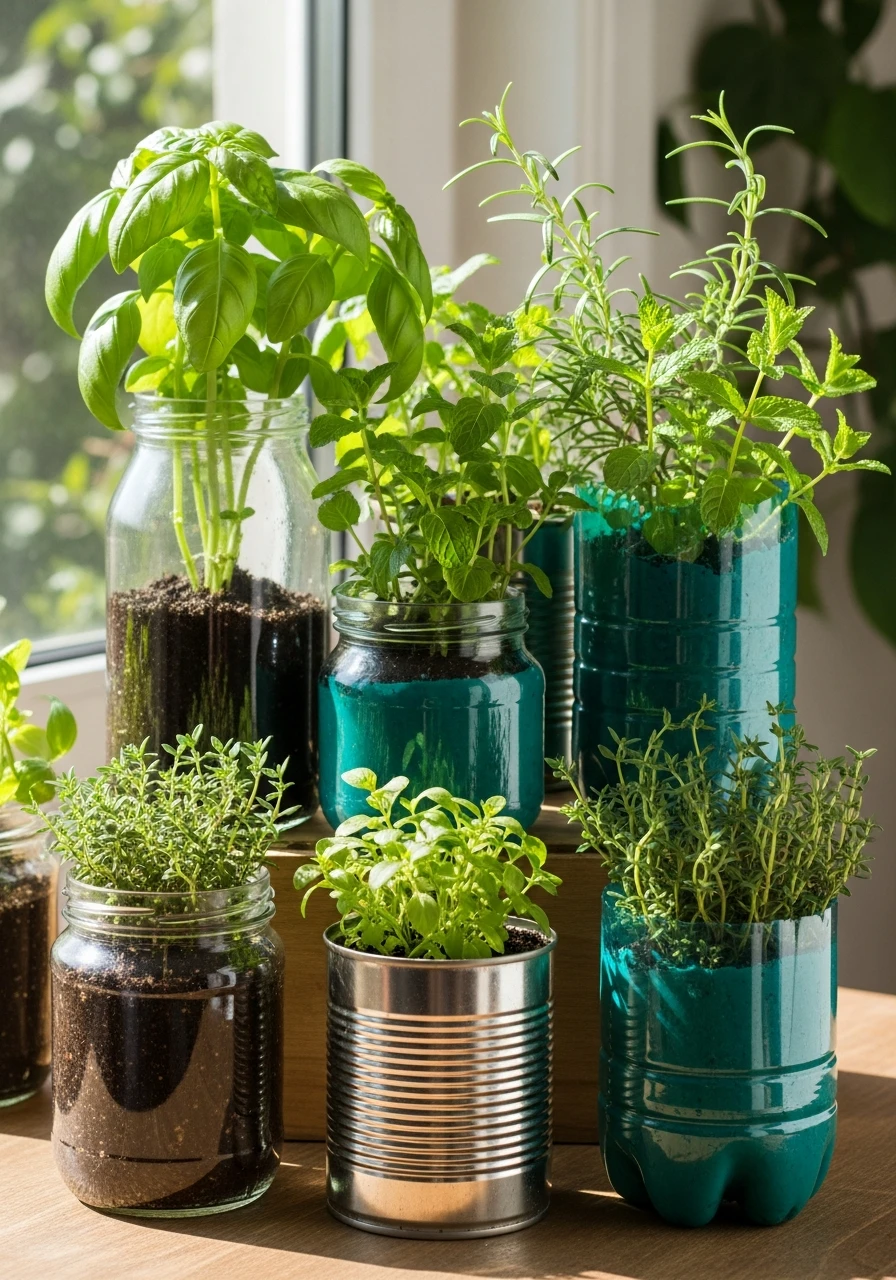
Plant herbs in upcycled containers like jars, tins, or bottles for an eco-friendly herb garden. This adds unique, personal charm to your kitchen or patio.
- Clean old jars or tins thoroughly.
- Drill drainage holes if needed for healthy roots.
Pro Tip: Paint old cans for a cohesive, stylish look.
4. Vertical Wall Herbs
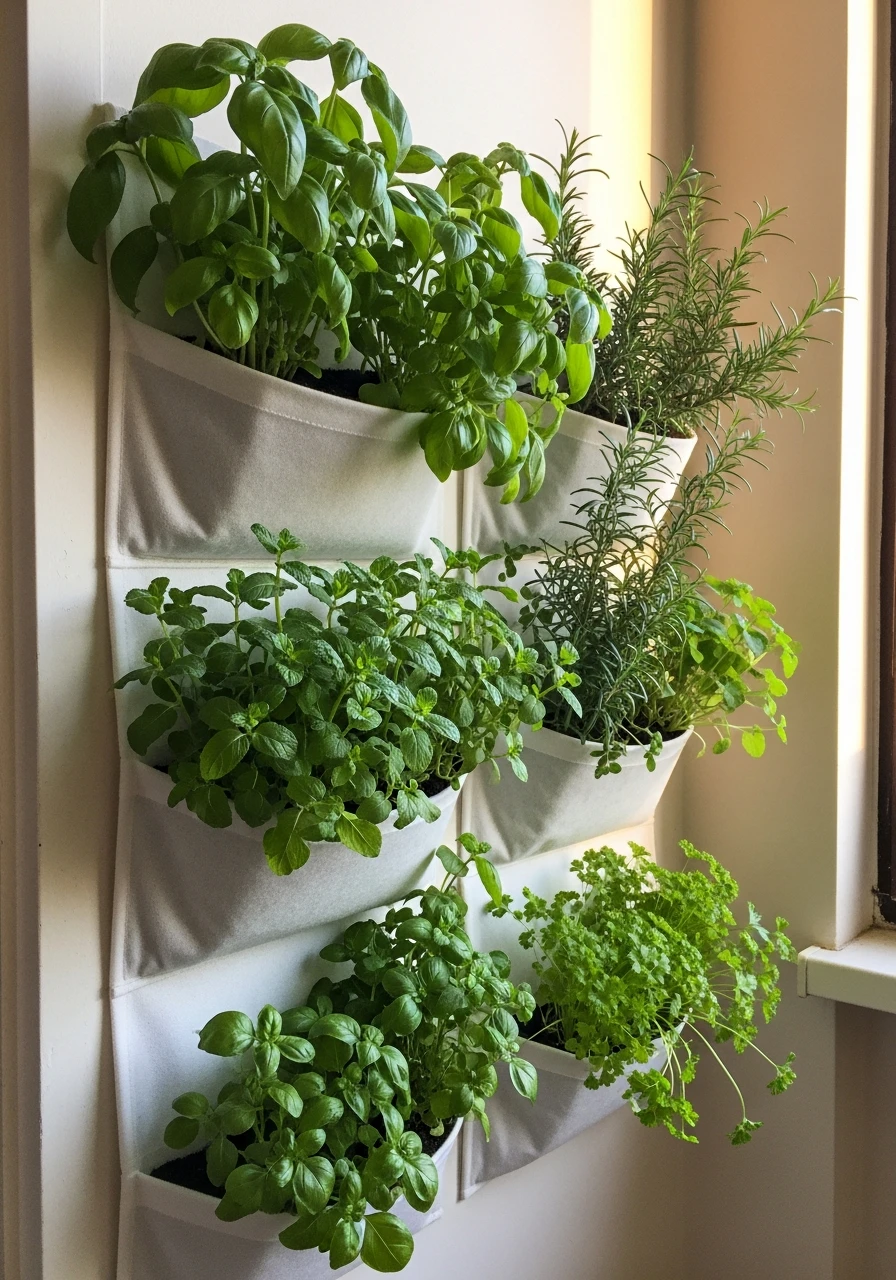
Install wall planters or pockets to grow herbs vertically and save ground space. This is perfect for small kitchens or compact balconies.
- Find sturdy wall-mounted planters that fit your style.
- Arrange herbs by their light needs on the wall.
Pro Tip: Use a mix of textures for visual interest and depth.
5. Herb Spiral Garden
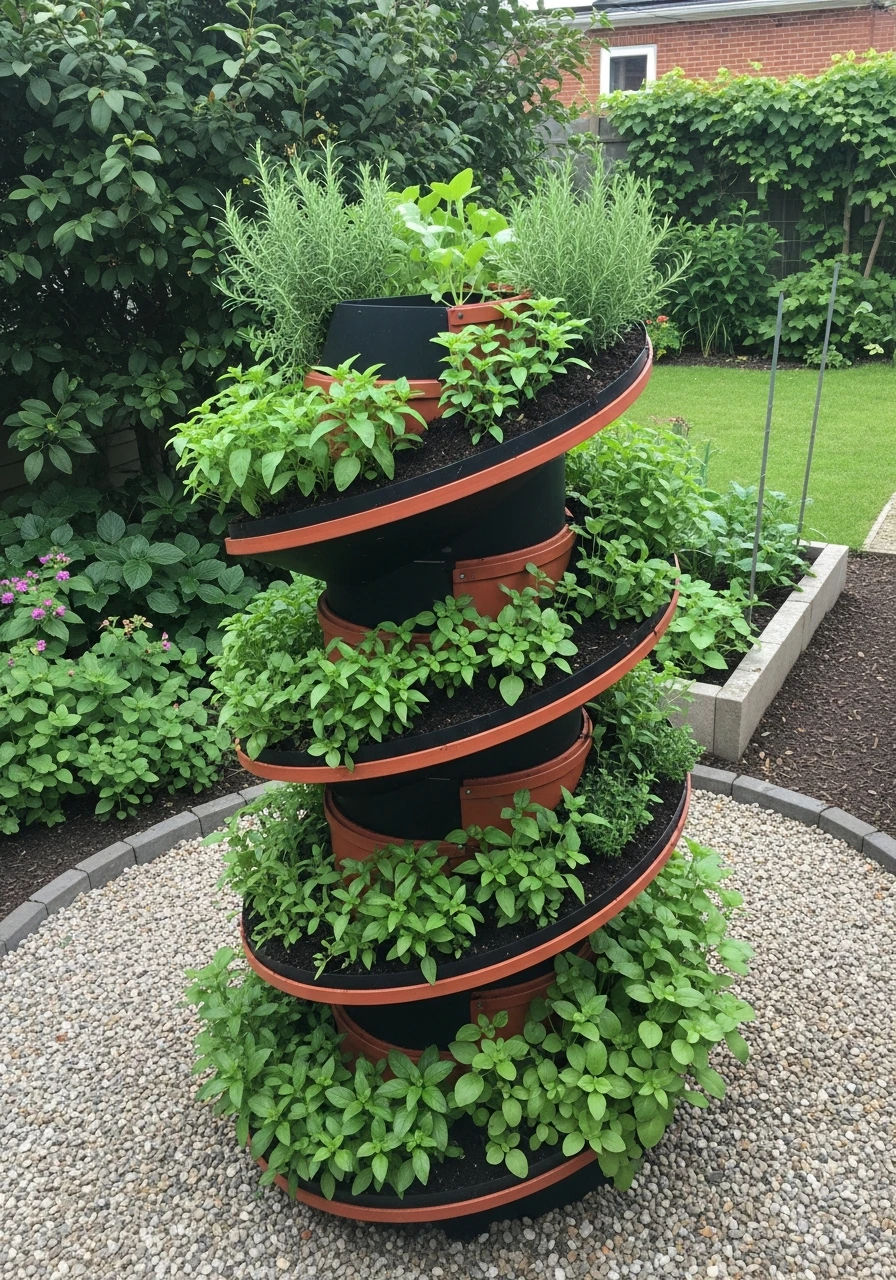
Build a spiral-shaped raised bed to plant herbs in micro-climates that maximize space and variety. It’s a clever way to fit more plants in a small area.
- Use rocks or bricks to form the spiral shape.
- Place sun-loving herbs at the top for best exposure.
Pro Tip: This design helps with drainage and creates varied growing conditions.
6. Hanging Herb Baskets
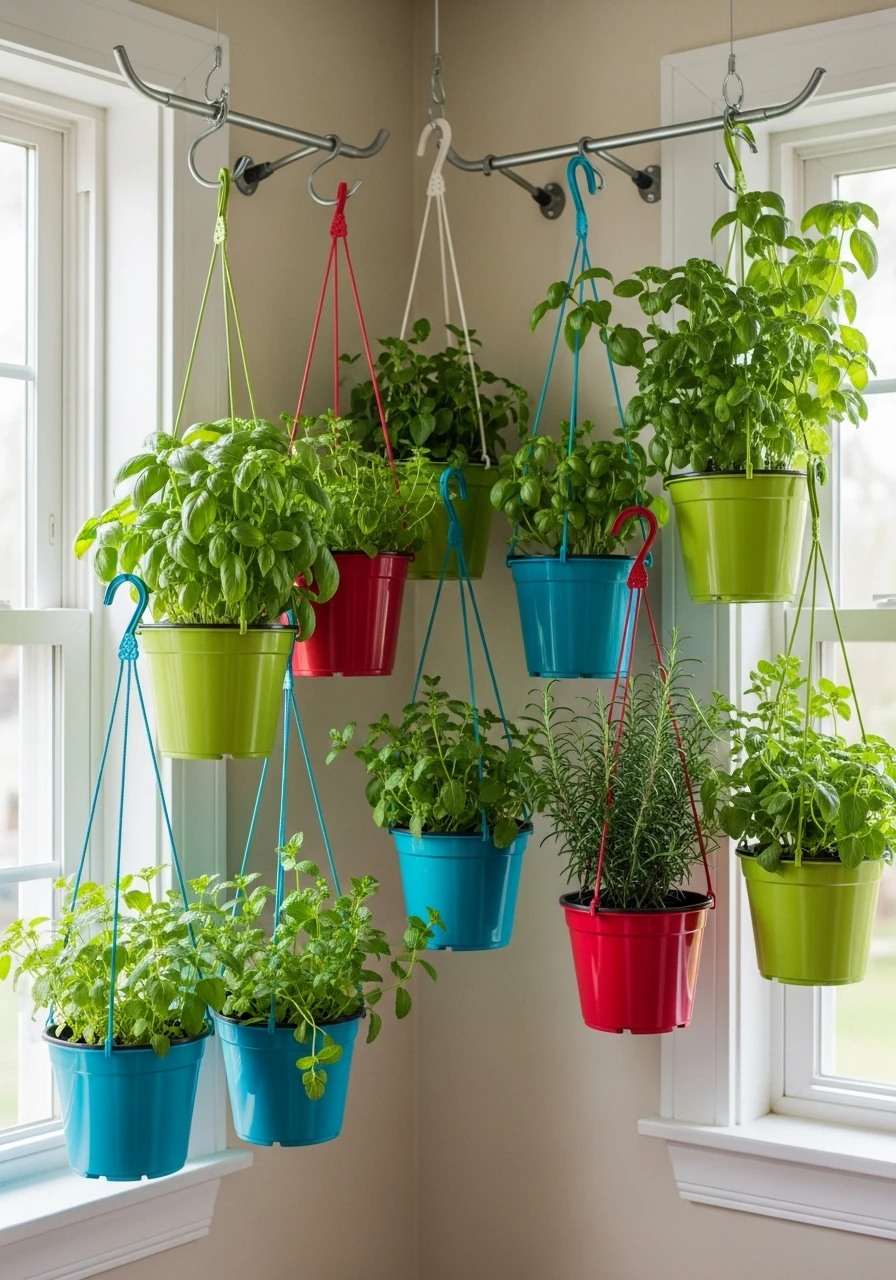
Suspend herb pots from hooks or ceilings to free up floor space and add greenery at eye level. This brightens up any corner and adds a touch of charm.
- Choose sturdy hanging baskets that complement your decor.
- Install secure ceiling hooks for safety.
Pro Tip: Water carefully to avoid drips on your floor or furniture.
7. Tiered Herb Stand
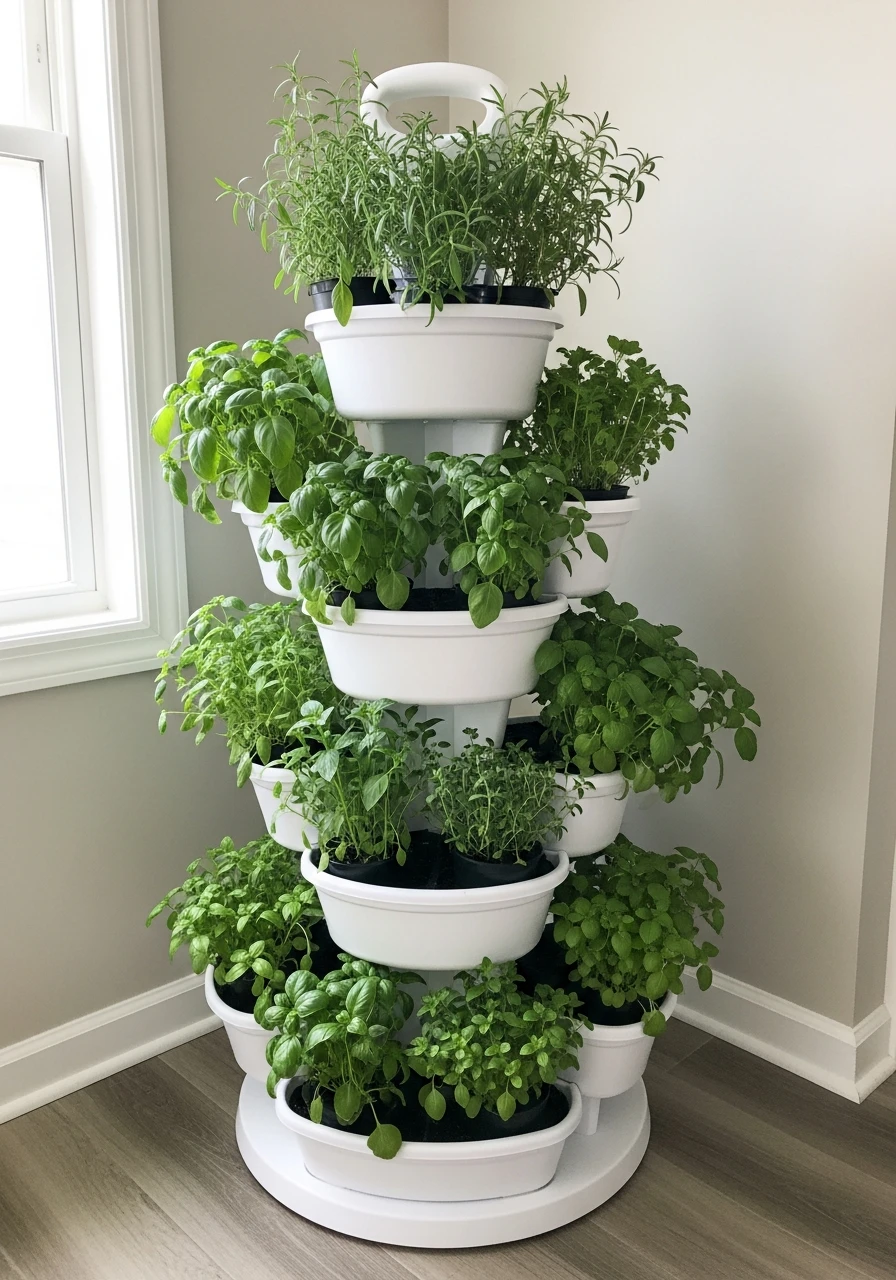
Use multi-tier plant stands to layer herbs and make the most of vertical height. This looks neat and holds lots of plants in a small footprint.
- Find a plant stand that fits your space and aesthetic.
- Arrange taller herbs on upper tiers for balance.
Pro Tip: This setup is great for grouping herbs with similar needs.
8. Rolling Herb Cart
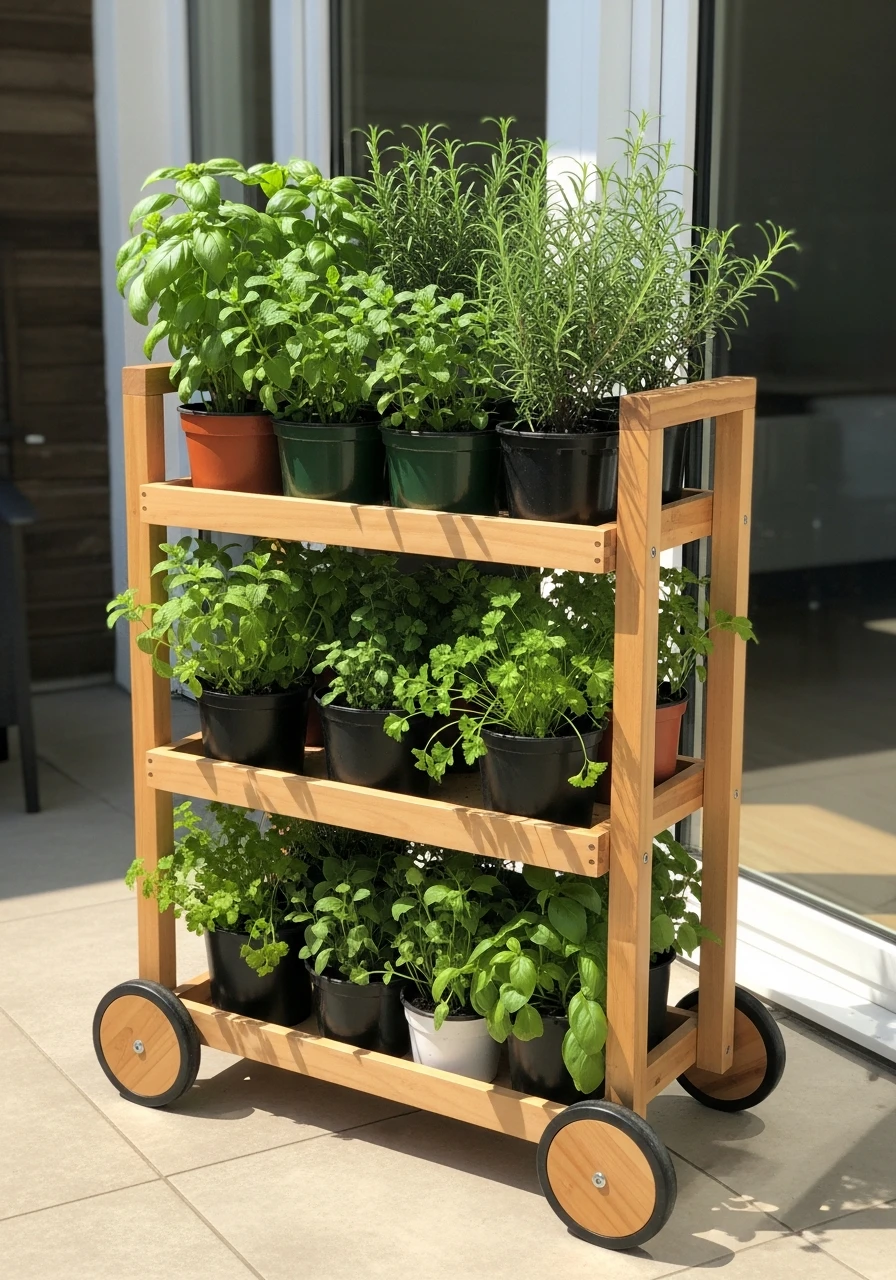
Place herbs in a rolling cart so you can move them to sunlight or indoors easily. This means your herbs always get the best light, no matter the weather.
- Find a cart with wheels and shelves that suits your style.
- Use lightweight pots for easy moving and rearrangement.
Pro Tip: Wheel it inside during bad weather or harsh sun.
9. Balcony Herb Boxes
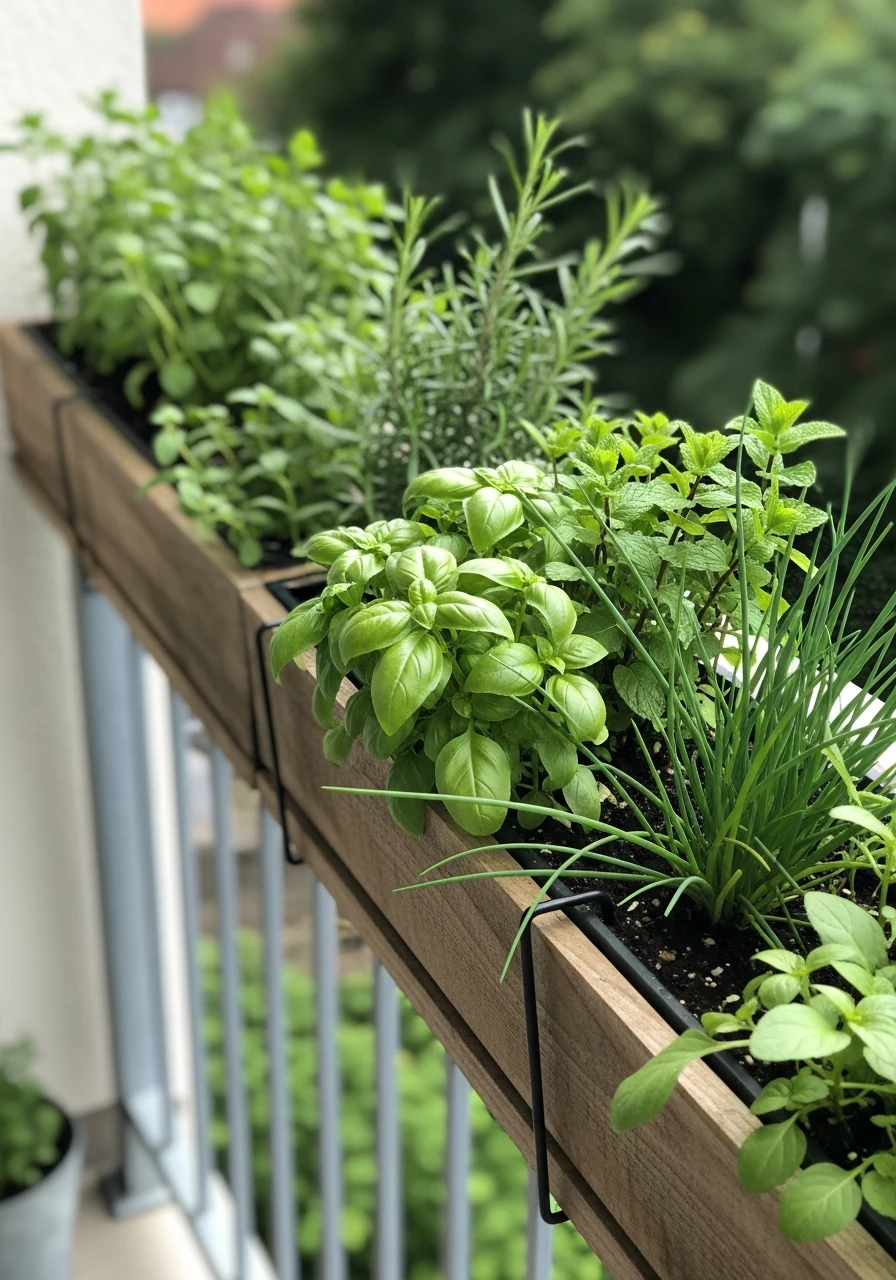
Install long planter boxes on balcony railings for a compact, accessible herb patch. This makes the most of small outdoor spaces and adds a green touch.
- Measure your railing before buying boxes to ensure a perfect fit.
- Choose lightweight potting mix to reduce overall weight.
Pro Tip: Add a drip tray to catch water and keep your balcony clean.
10. Counter Herb Trio
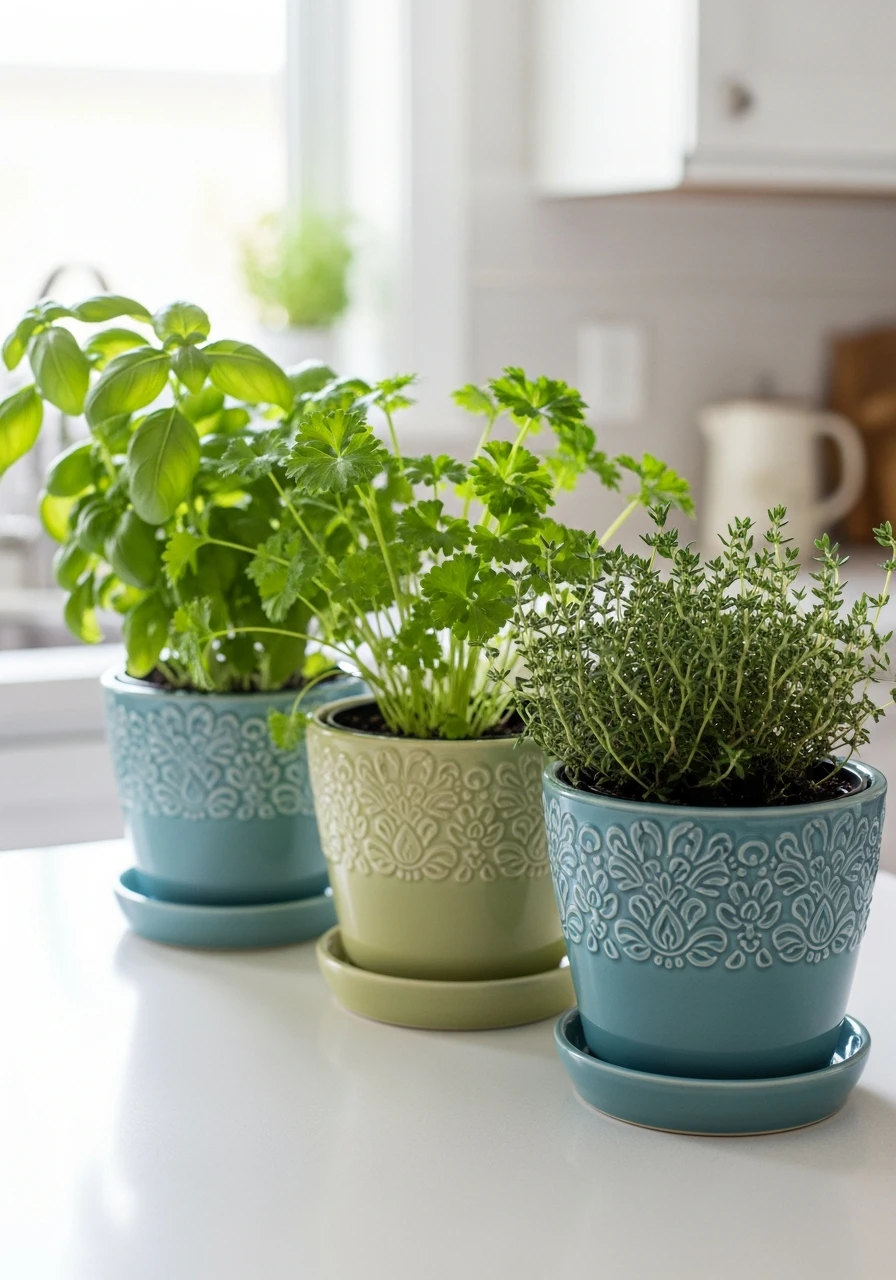
Keep matching pots of basil, parsley, and thyme on your kitchen counter for fresh cooking ingredients. It’s convenient, lovely, and always within reach.
- Select three identical pots for a cohesive, high-end look.
- Place them in a spot with good natural light.
Pro Tip: These three herbs are staples for almost any cooking!
11. Trellis Herb Garden
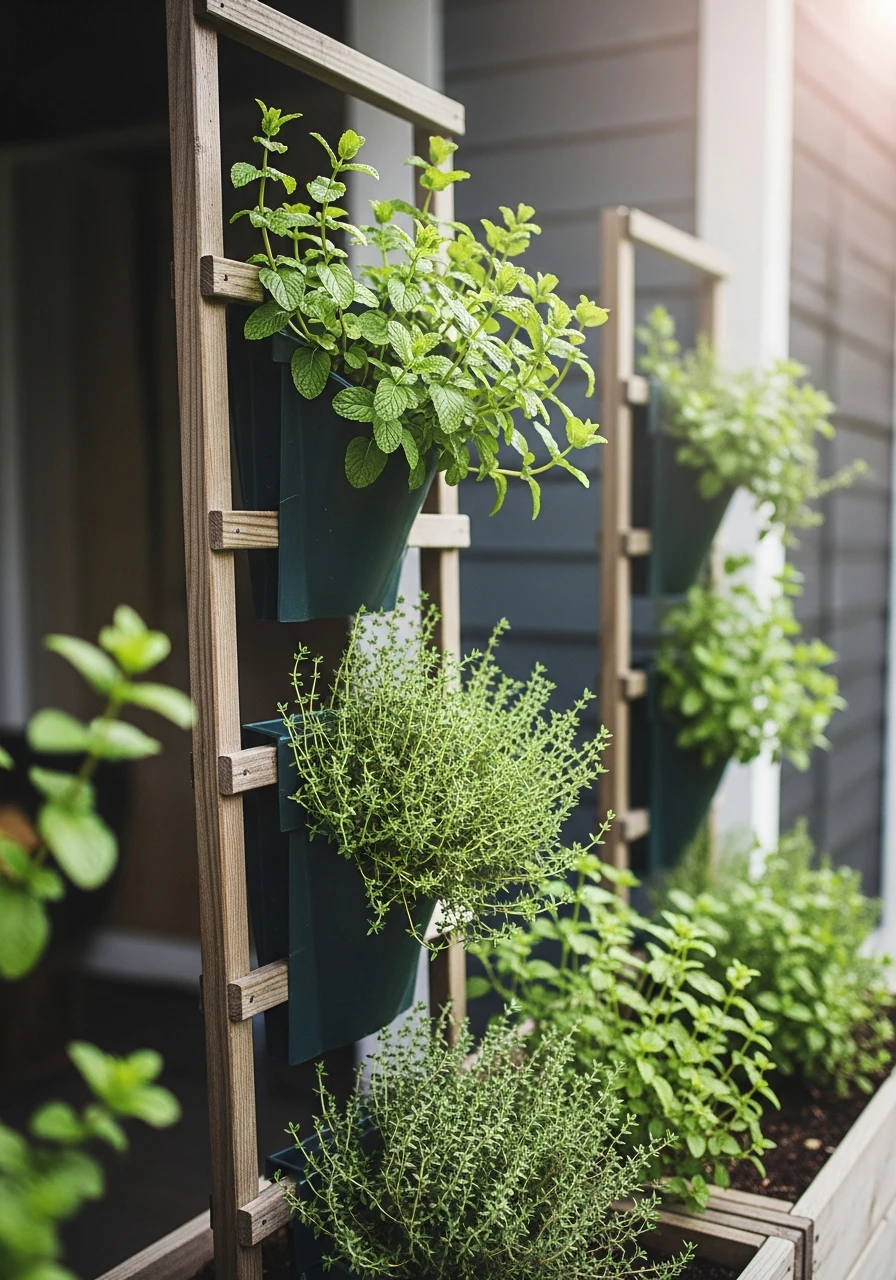
Train herbs like mint and thyme up a garden trellis to add vertical interest. This uses space smartly and looks charming in any garden.
- Choose a small, decorative trellis that fits your aesthetic.
- Gently tie climbing herbs to the trellis as they grow.
Pro Tip: This works especially well for vining herbs that love to climb.
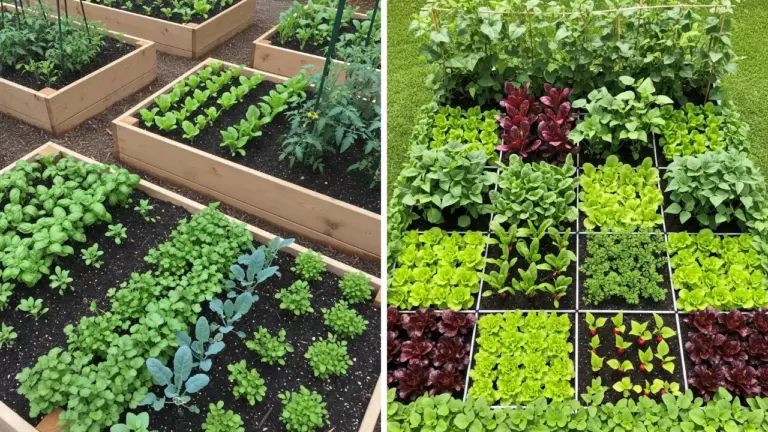
12. Raised Bed Herbs
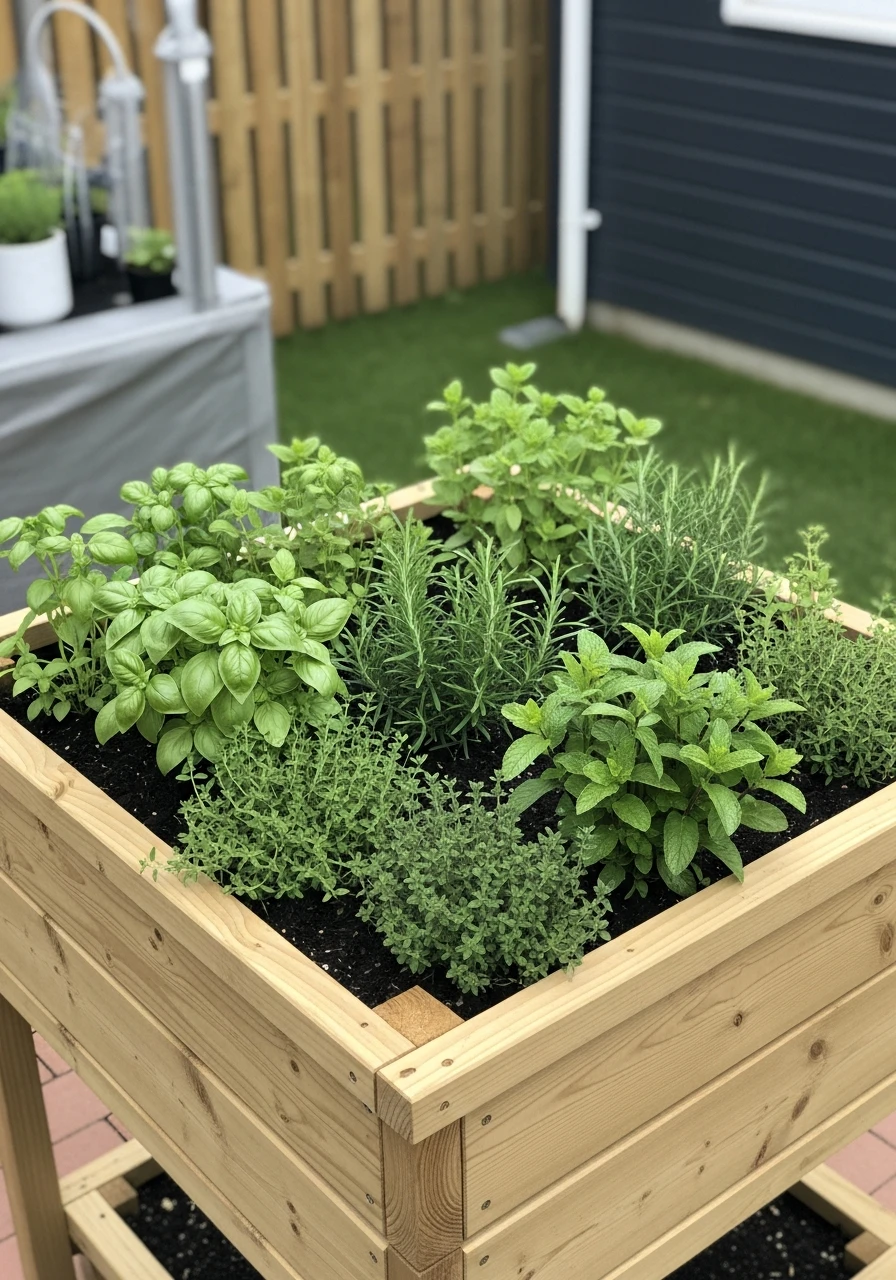
Build a raised garden bed outdoors for a neat, contained herb planting area. This makes gardening easier on your back and keeps things tidy.
- Choose a kit or build with weather-resistant wood.
- Fill with good quality soil mix for happy herbs.
Pro Tip: Raised beds warm up faster in spring, giving you an early start.
13. Herb Tea Corner
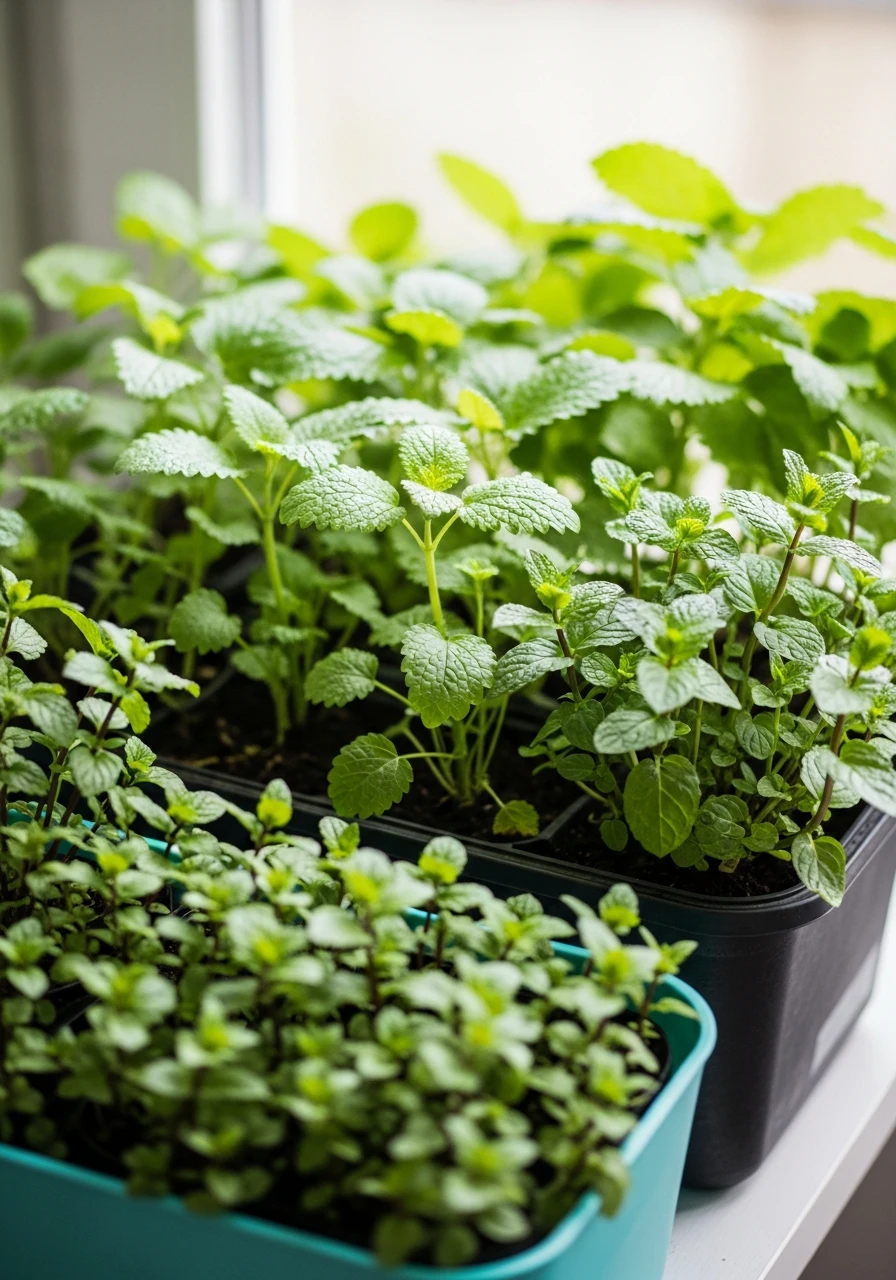
Designate a section for herbs used in teas like lemon balm and mint to enjoy aromatic blends. It’s a relaxing and tasty idea for any home.
- Group tea herbs together for easy harvesting.
- Add a small bench for a peaceful spot to enjoy your tea.
Pro Tip: Fresh tea herbs taste so much better than dried ones!
14. Herb Path Border
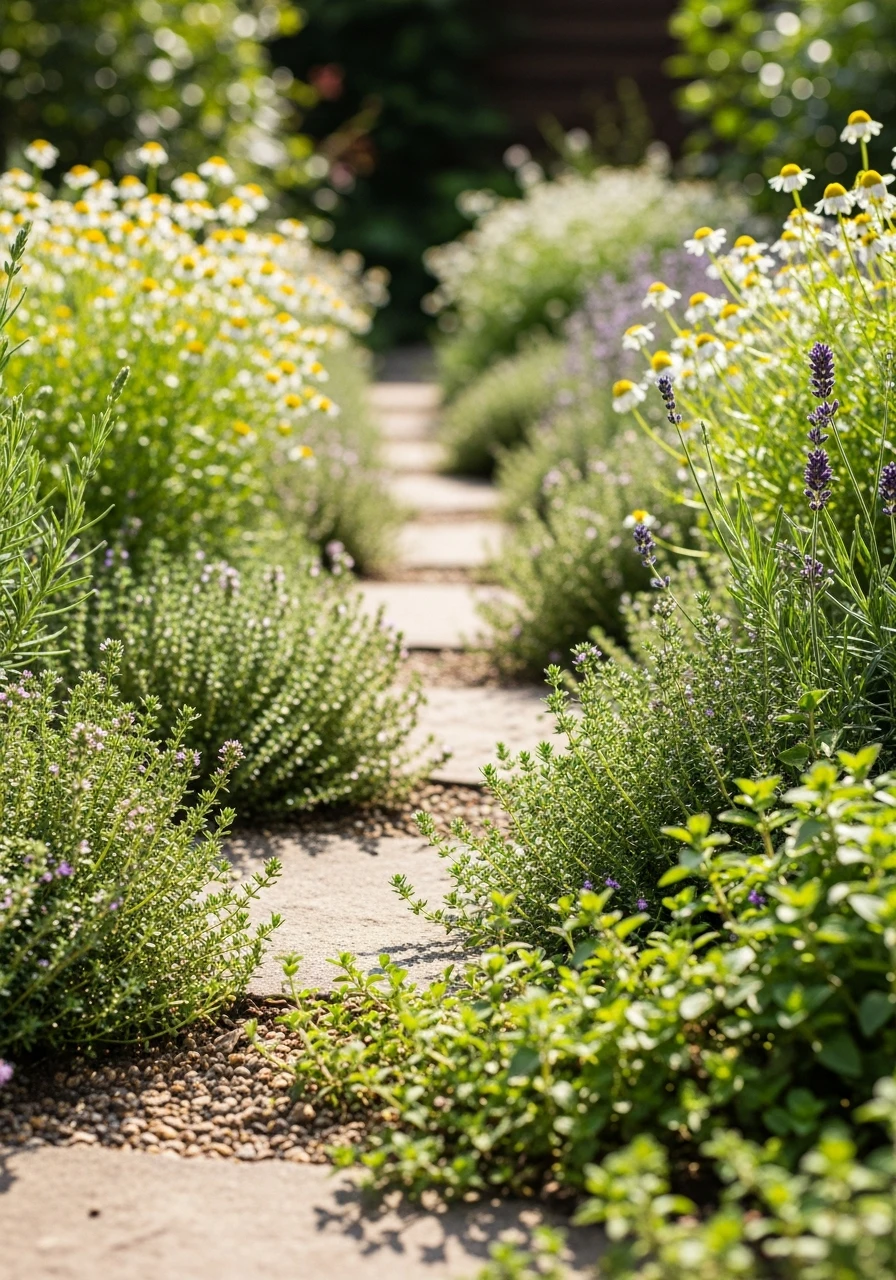
Plant low-growing herbs along garden paths for fragrance and visual appeal. Every step releases a lovely, refreshing scent.
- Choose tough, low-growing herbs like creeping thyme.
- Ensure good drainage along the paths to prevent root rot.
Pro Tip: Thyme is a fantastic choice for this, tolerating light foot traffic.
15. Herb Tower Planter
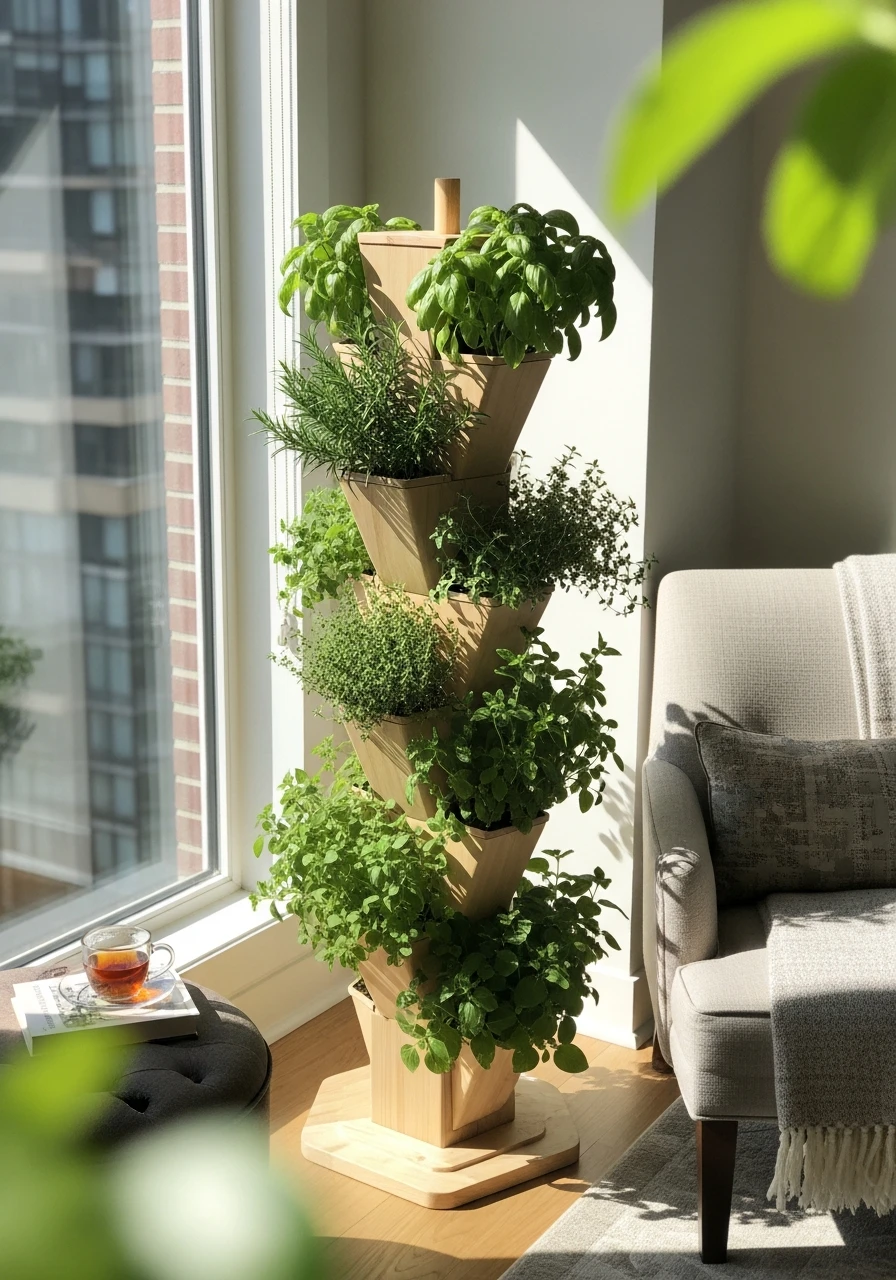
Create a vertical herb tower where multiple herbs are planted in tiers around a central column. This is a space-saving powerhouse for small spaces.
- Buy a pre-made herb tower for easy setup.
- Plant a variety of herbs in each tier, mixing and matching.
Pro Tip: Great for small patios or balconies where space is limited.
16. Hanging Ladder Herbs
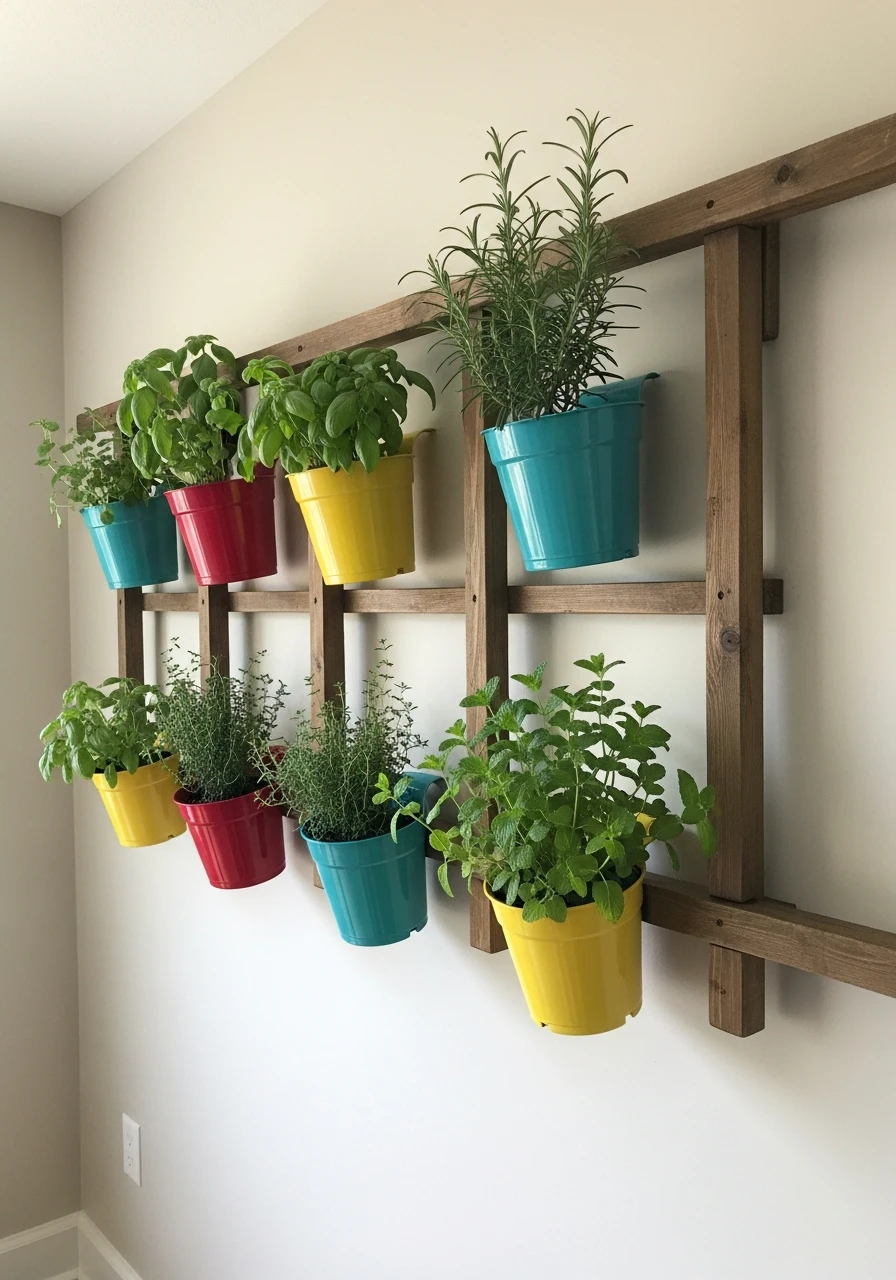
Hang herb pots from a rustic ladder mounted on the wall for a decorative herb display. It’s a chic way to show off your plants and add character.
- Find a small decorative ladder that fits your wall.
- Use S-hooks to hang small pots securely.
Pro Tip: Paint the ladder a fresh color to match your decor.
17. Fabric Pocket Wall
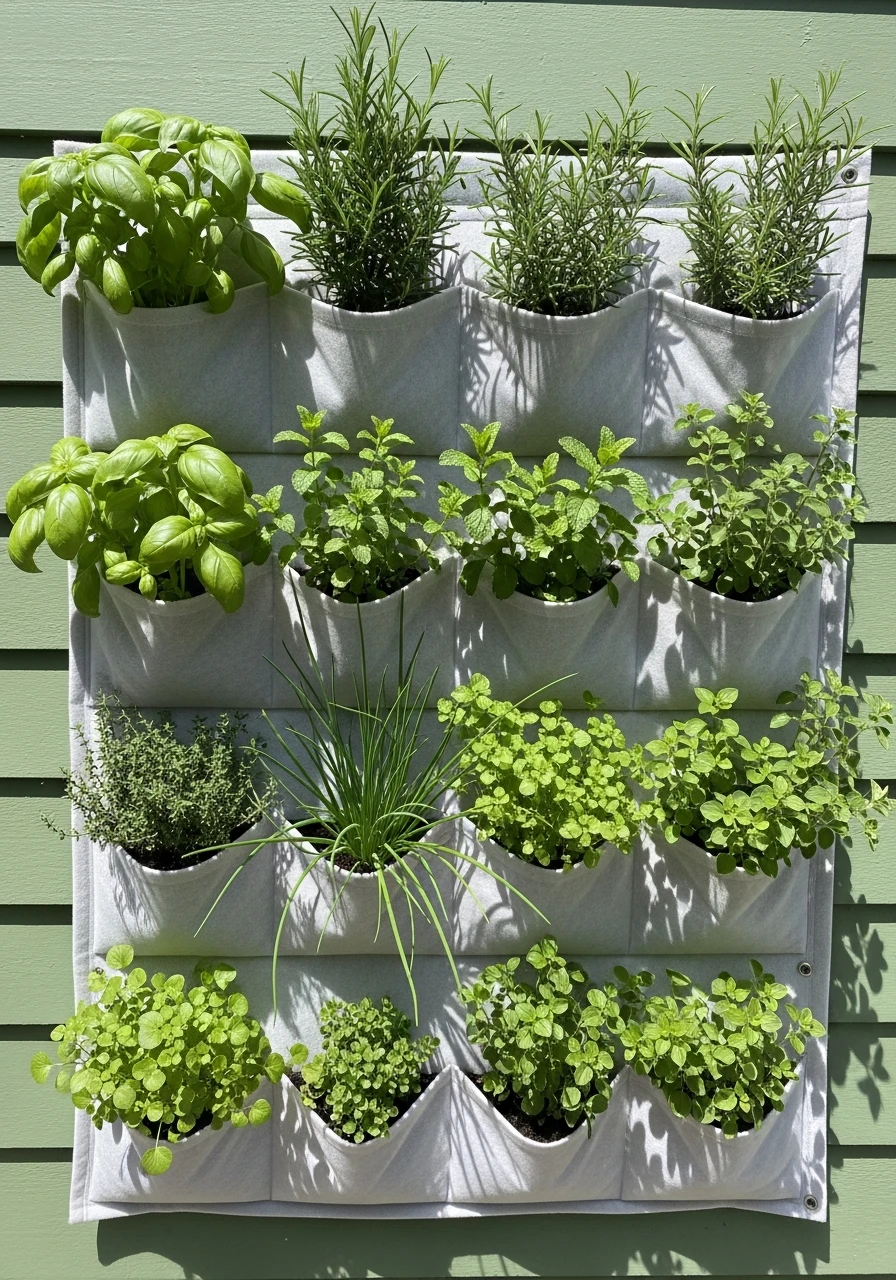
Use fabric pocket planters on exterior walls to plant herbs in small vertical sections. This is lightweight, flexible, and perfect for renters.
- Choose a durable fabric planter designed for outdoor use.
- Hang on a sunny outdoor wall for best growth.
Pro Tip: Don’t overwater, as these tend to dry out faster.
18. Patio Herb Table
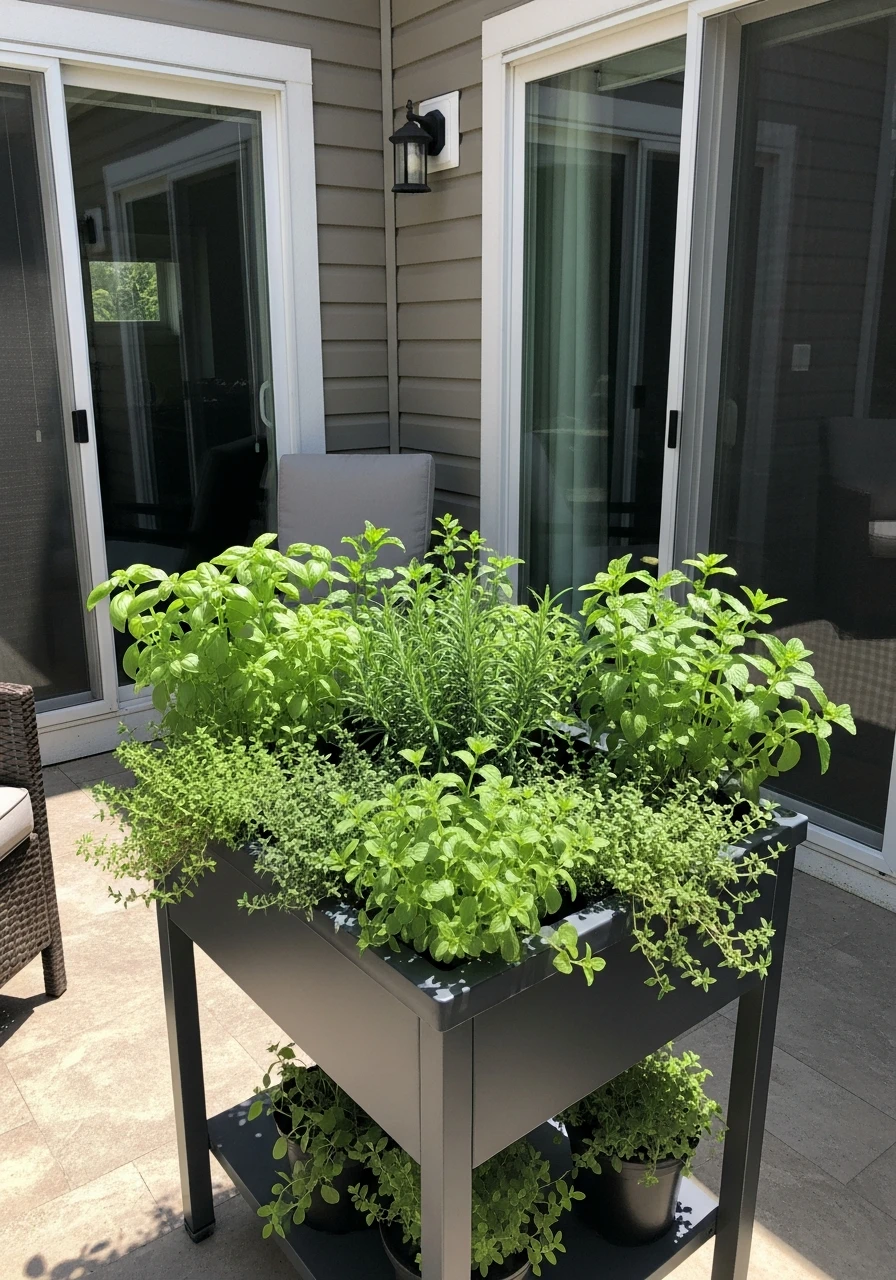
Build a small table with built-in planters to grow herbs while doubling as outdoor furniture. It’s functional, stylish, and super convenient.
- Look for simple DIY plans online to build your own.
- Choose weather-resistant wood for durability.
Pro Tip: Perfect for small patio gatherings, keeping herbs within reach.
19. Stylish Herb Markers
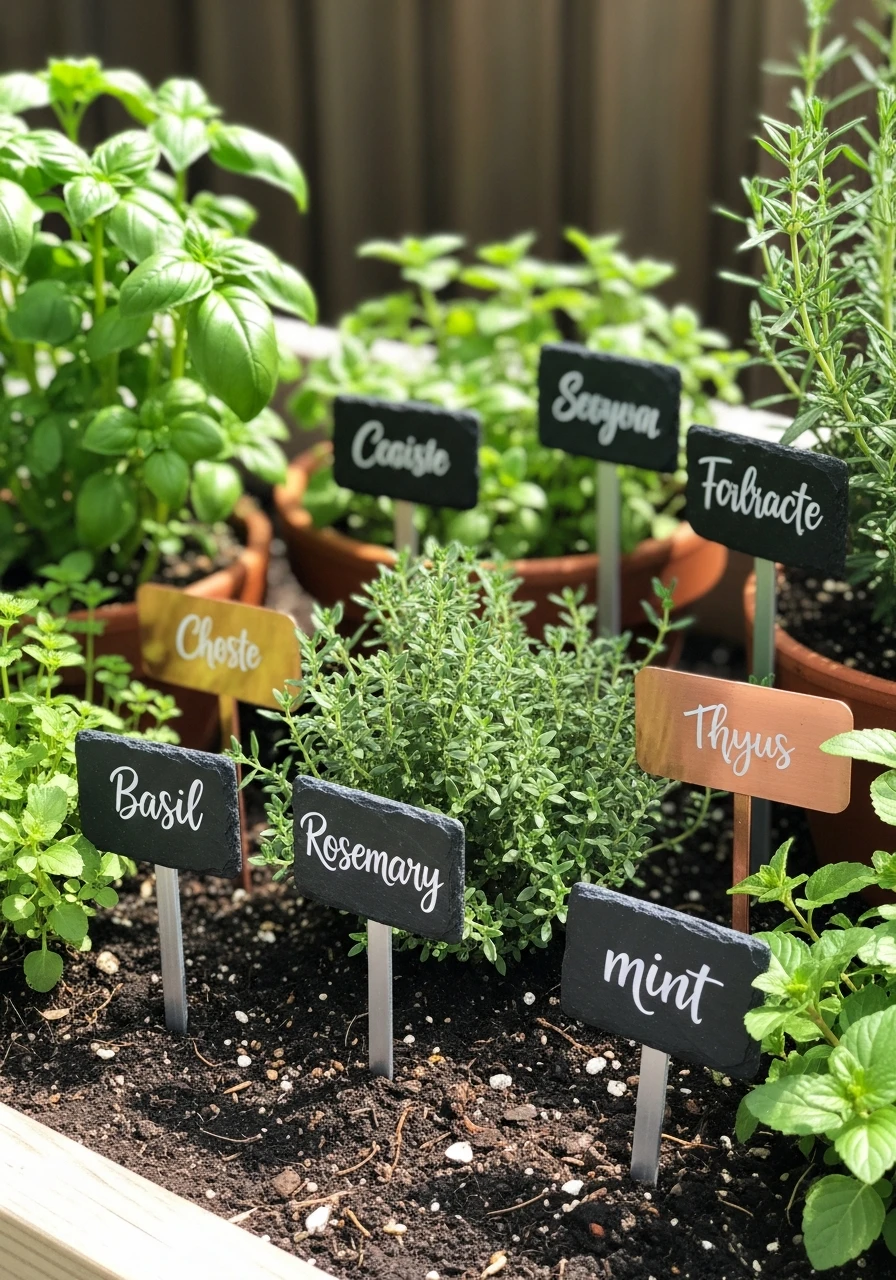
Add stylish markers or signs to label each herb for easy identification. This adds a polished, organized touch to your garden.
- Buy decorative herb markers that match your garden’s theme.
- Use a permanent pen for DIY ones on wood or stone.
Pro Tip: Choose markers that complement your pot colors and overall style.
20. Rotating Herb Carousel
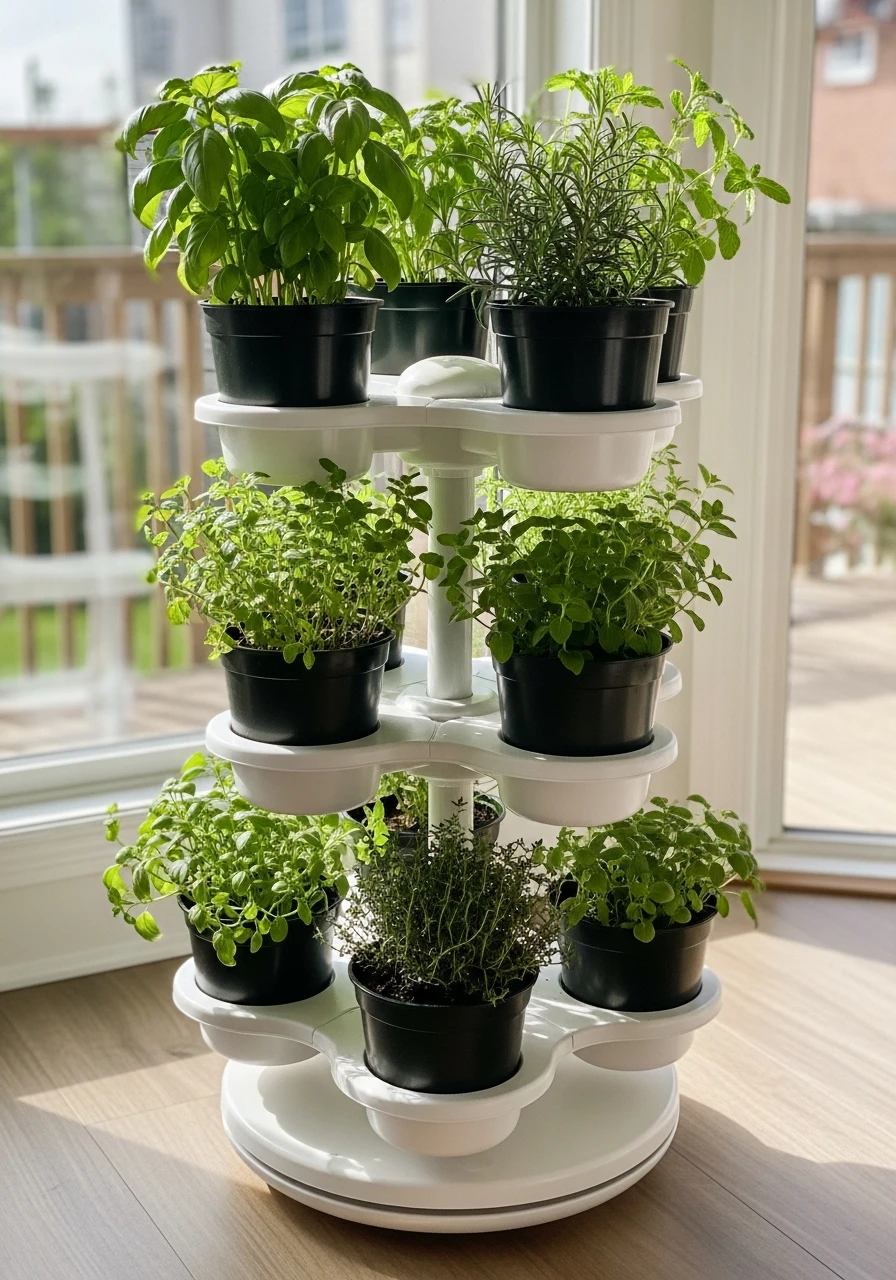
Use a spinning plant stand for herbs so each plant gets balanced sunlight. This ensures all your herbs thrive and grow evenly.
- Find a plant stand that rotates smoothly.
- Place in a sunny window or on your patio.
Pro Tip: This also makes watering easier, as you can spin each plant.
21. Shed Wall Herbs
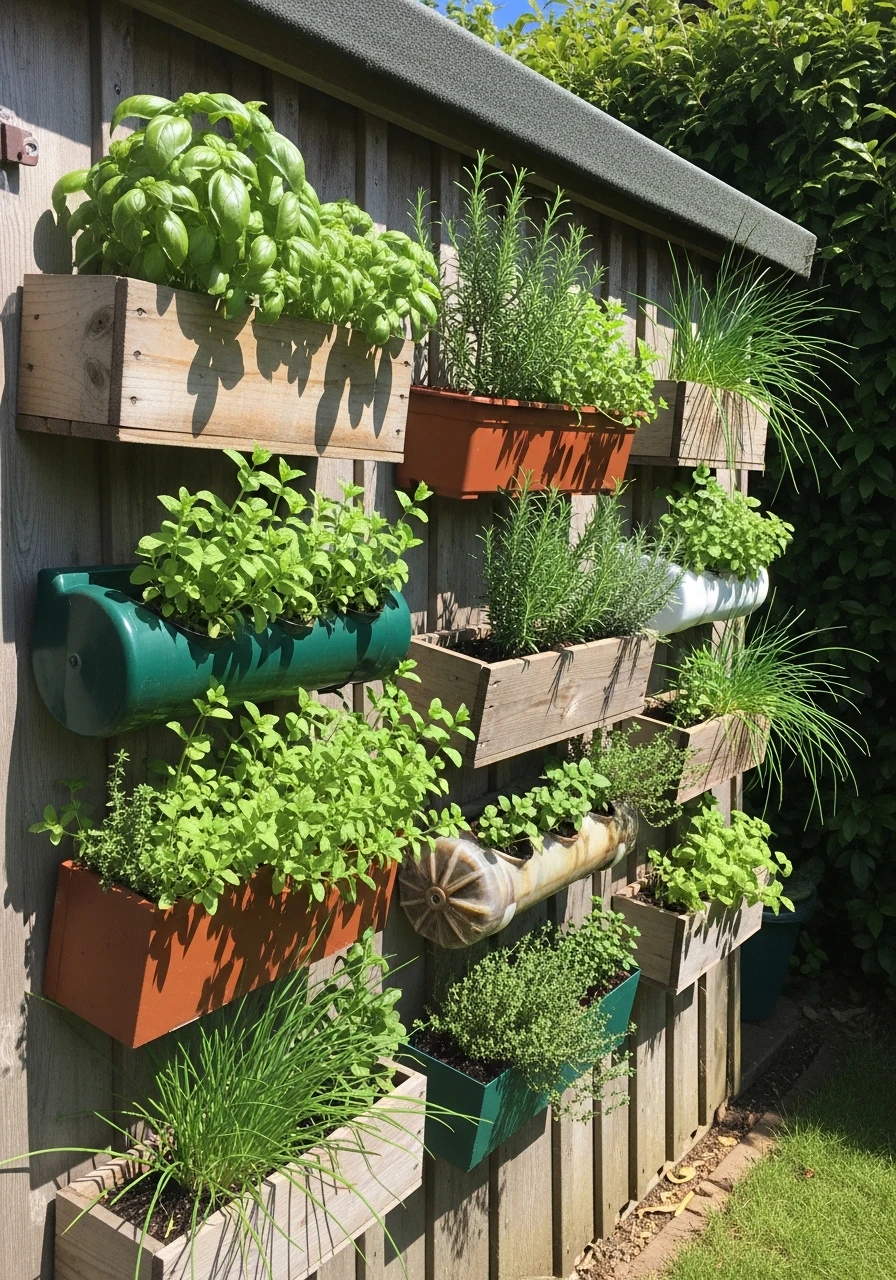
Install herb planters on the side of a garden shed to use vertical space effectively. It dresses up your shed and provides fresh herbs close by.
- Use strong brackets for secure planter installation.
- Ensure the shed wall gets enough sun for your chosen herbs.
Pro Tip: Paint your shed a fun color first for extra curb appeal!
22. Herbs & Compost Bin
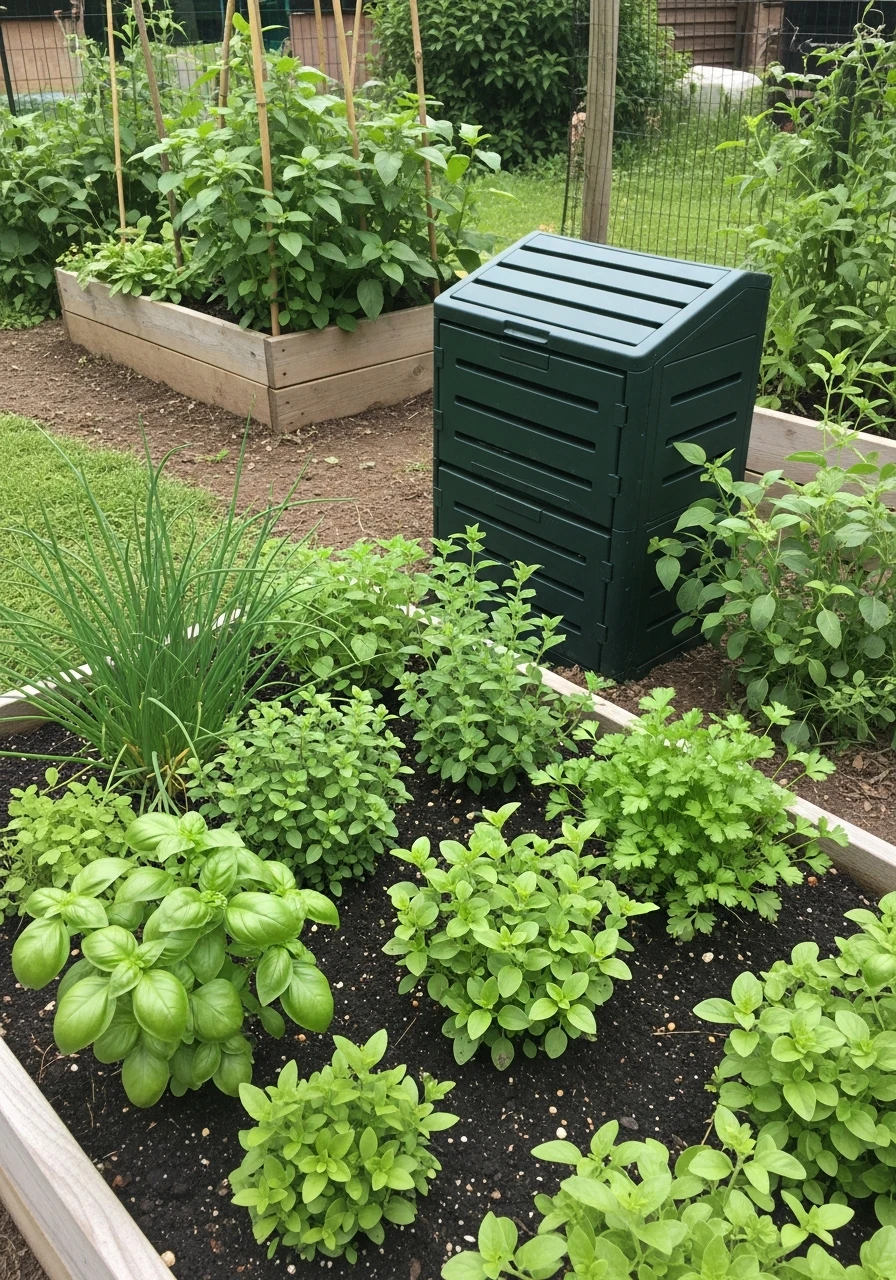
Add a small compost area near your herbs to recycle kitchen scraps into garden nutrients. This is great for eco-conscious gardeners and healthy soil.
- Get a small, sealed compost bin to keep things tidy.
- Place it in a convenient spot for easy access.
Pro Tip: Good compost makes for happy, healthy, and vigorous herbs!
23. Mini Herb Greenhouse
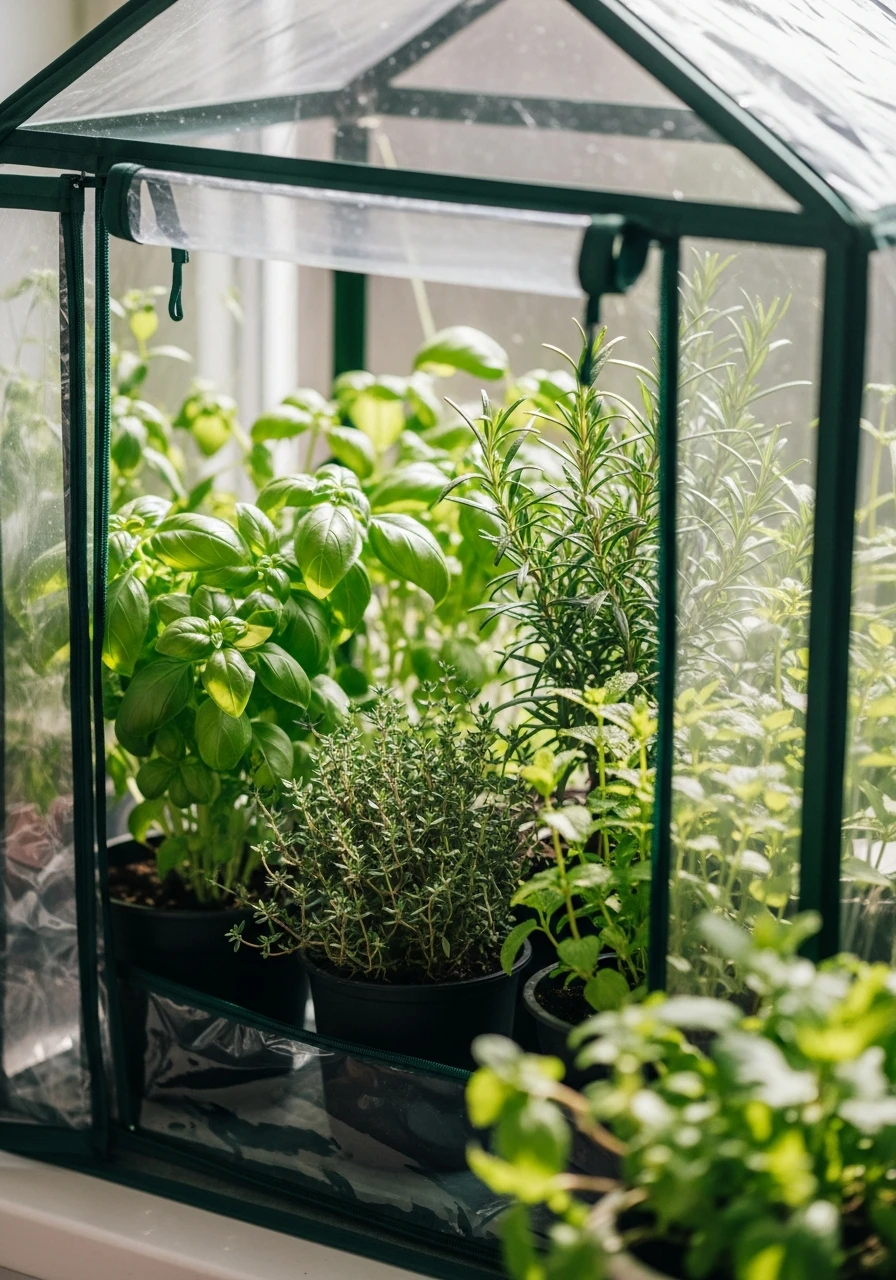
Use a small greenhouse to protect herbs from frost and extend the growing season. This means fresh herbs even longer into the year!
- Choose a compact mini greenhouse that fits your space.
- Ensure it has good ventilation to prevent overheating.
Pro Tip: Perfect for starting herb seeds early in the spring.
24. Planter Bench Herbs
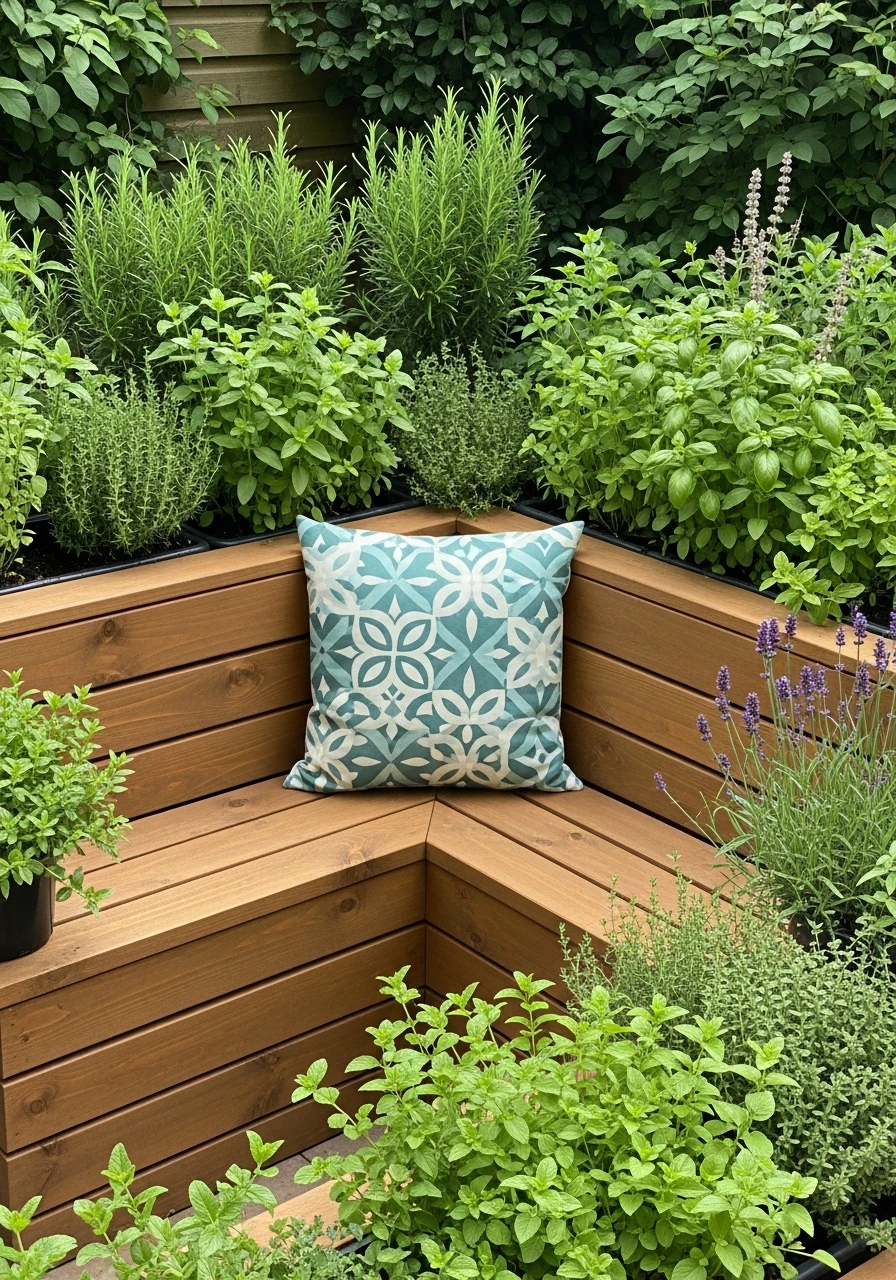
Build a bench with built-in planter boxes so herbs surround your sitting area. It’s a cozy spot with fragrant plants, perfect for relaxing.
- Look for plans for a planter bench that suits your style.
- Choose herbs that love sun if your bench is in a sunny spot.
Pro Tip: Great for a reading nook outside, surrounded by fresh scents.
25. Kitchen Herb Rail
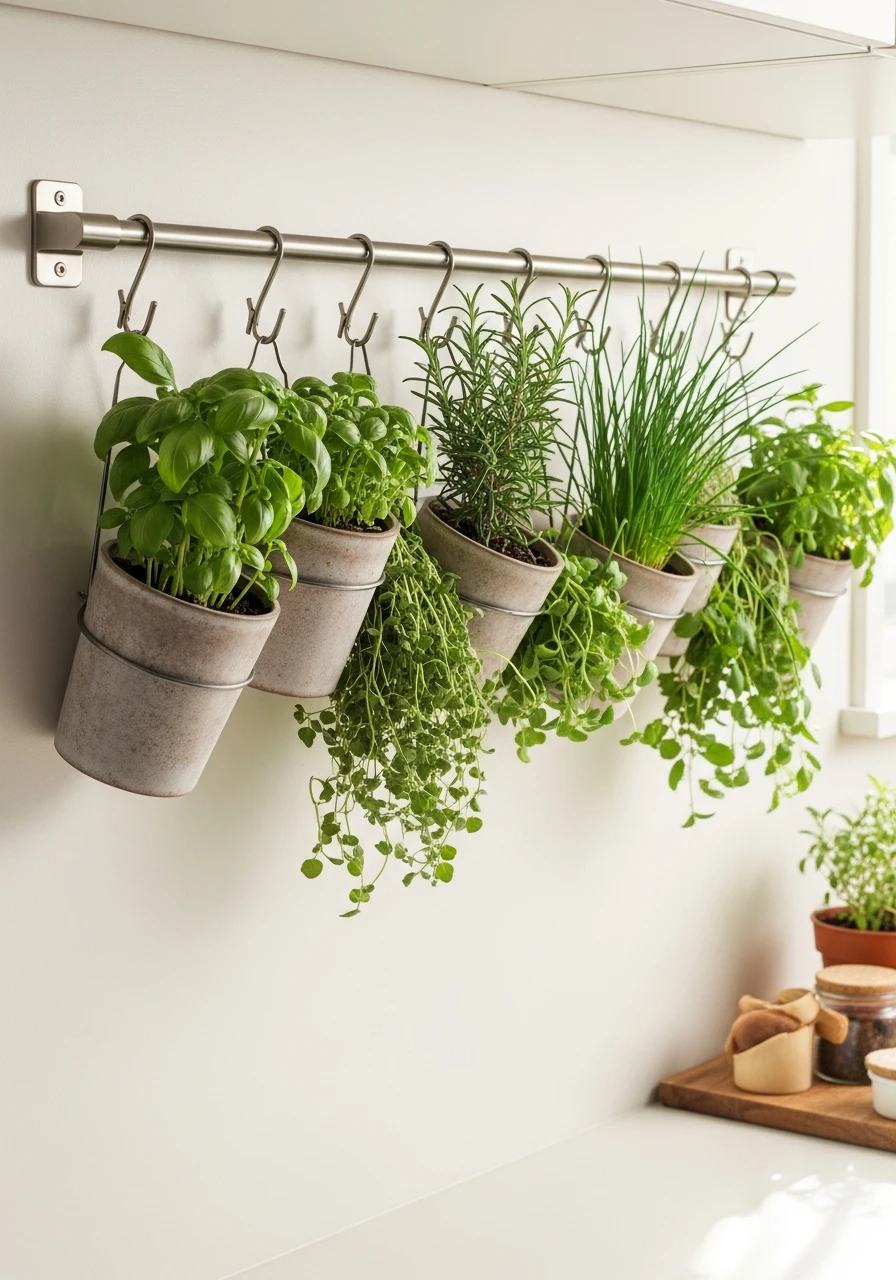
Install a rail with clips in your kitchen to hang small herb pots within reach. This keeps your counter clear and herbs handy for cooking.
- Buy a kitchen rail system that matches your hardware.
- Use S-hooks or clips specifically designed for pots.
Pro Tip: A great way to use vertical space and keep things organized.
26. Wheelbarrow Herb Garden
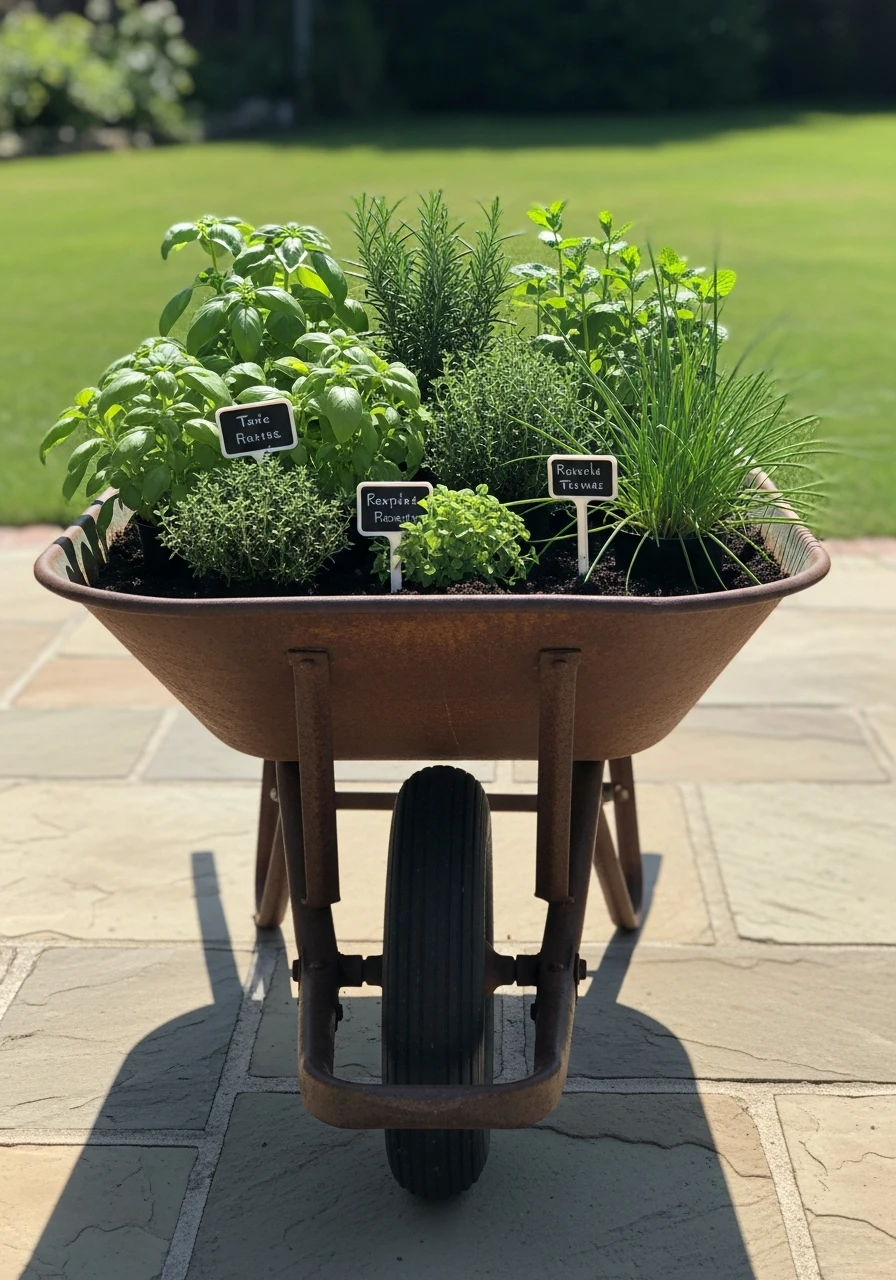
Repurpose an old wheelbarrow as a whimsical herb planter on your patio or lawn. It adds rustic charm and is movable for convenience.
- Drill drainage holes in the wheelbarrow if it doesn’t have them.
- Paint it a fun color for a fresh, unique look.
Pro Tip: Fill with good quality potting mix for healthy, happy herbs.
27. Pebbles & Herbs
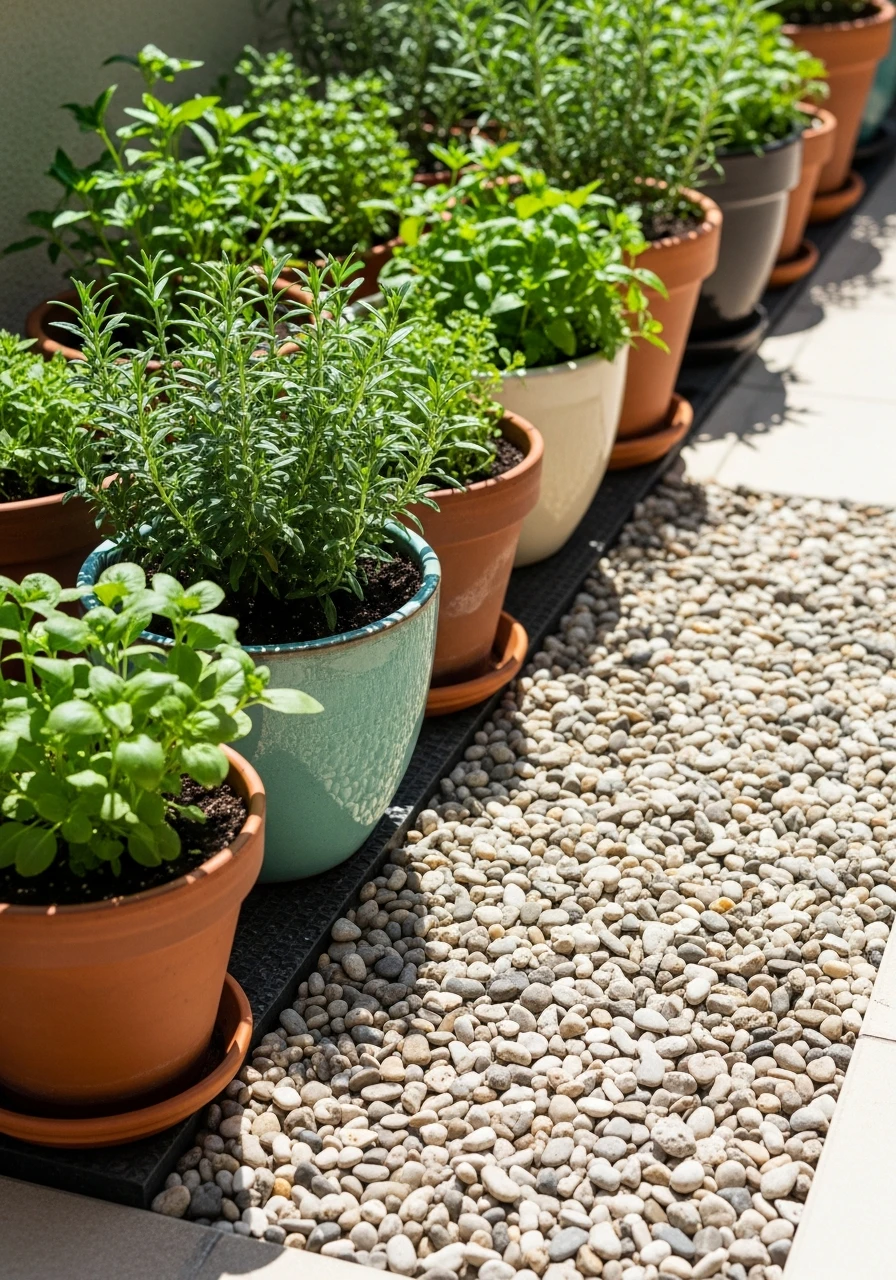
Add pebbles or gravel around herb pots for a neat, organized look and improved drainage. This also helps keep weeds down and soil tidy.
- Choose smooth, decorative pebbles that complement your pots.
- Spread them evenly around and between your herb pots.
Pro Tip: Pebbles can help retain soil moisture, reducing watering needs.
28. Italian Herb Garden
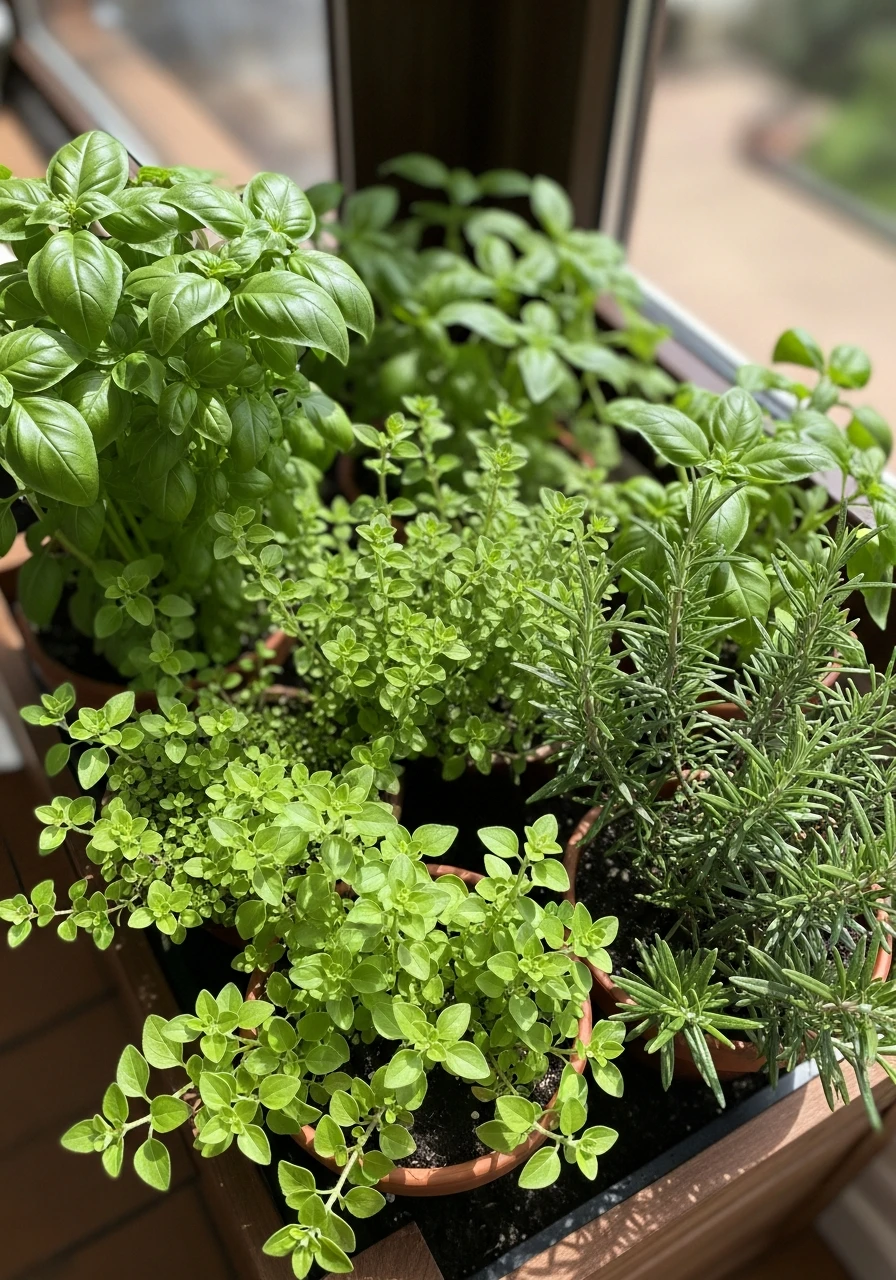
Plant classic Italian herbs like basil, oregano, and rosemary together for a culinary corner. It’s like having a little slice of Italy at home.
- Group these sun-loving herbs in a dedicated spot.
- Place them near your kitchen for easy picking during cooking.
Pro Tip: A terracotta pot enhances the Italian theme perfectly.
29. Herbs & Flowers
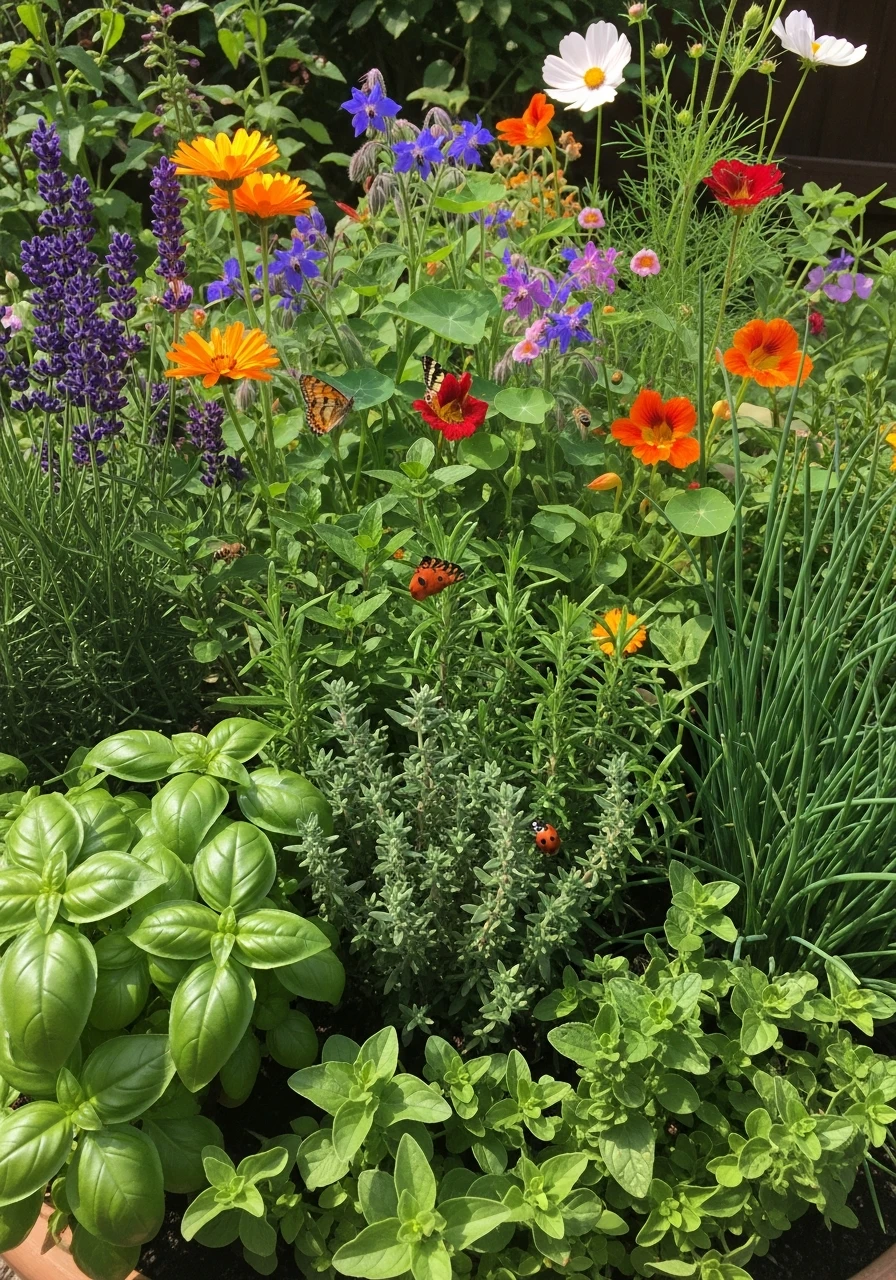
Mix herbs with pollinator-friendly flowers to attract beneficial insects. This creates a lively, healthy garden ecosystem and adds beauty.
- Choose small, cheerful flowers that don’t overshadow herbs.
- Research flowers that are known to attract bees and butterflies.
Pro Tip: Marigolds can deter pests naturally, a bonus for your herbs.
30. Pallet Herb Planters
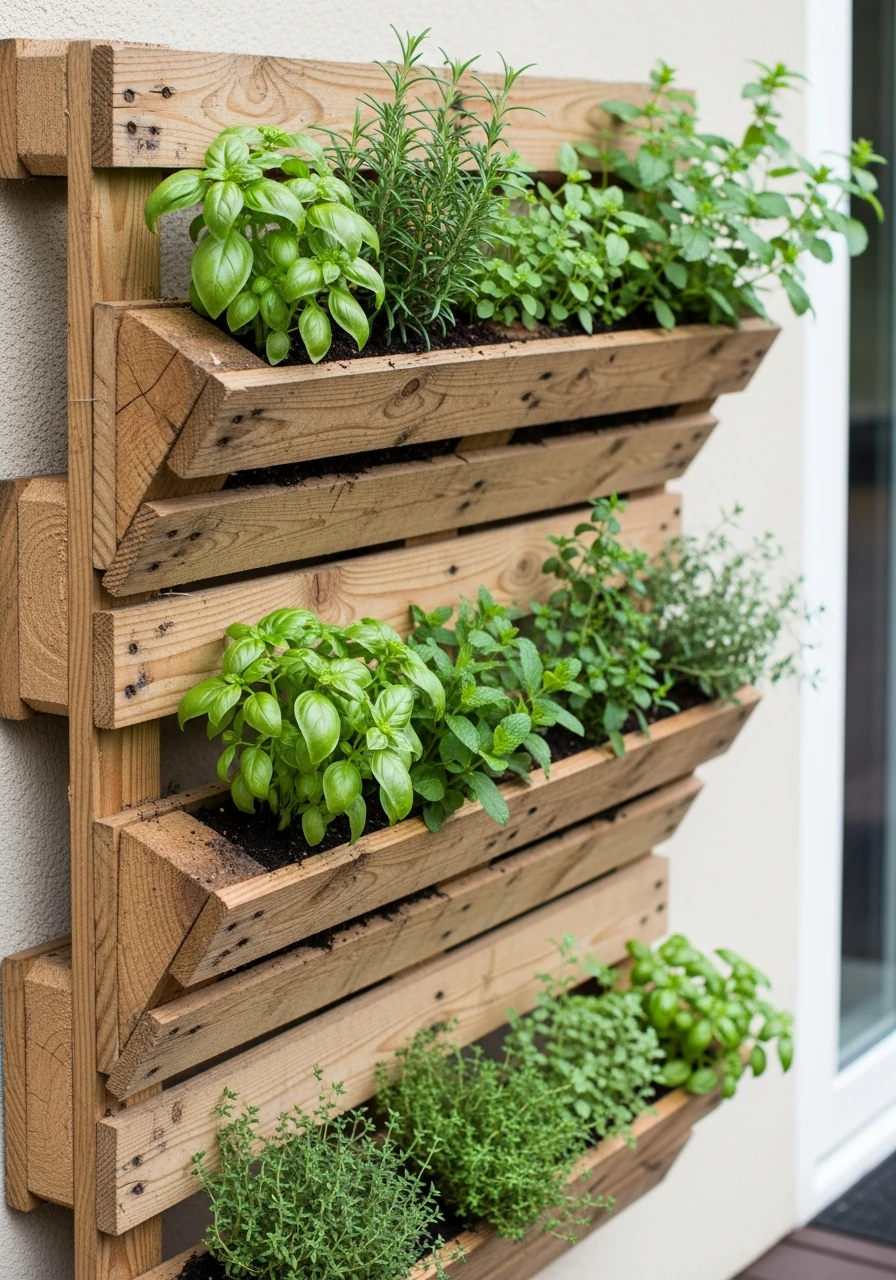
Use wooden pallets filled with soil and pockets to create a rustic herb wall garden. It’s an affordable and charming DIY project.
- Find heat-treated (HT) pallets for safety, not chemically treated (MB).
- Line pockets with landscape fabric to hold soil in place.
Pro Tip: Sand and seal pallets for durability and a more finished look.
31. Knot Pattern Herbs
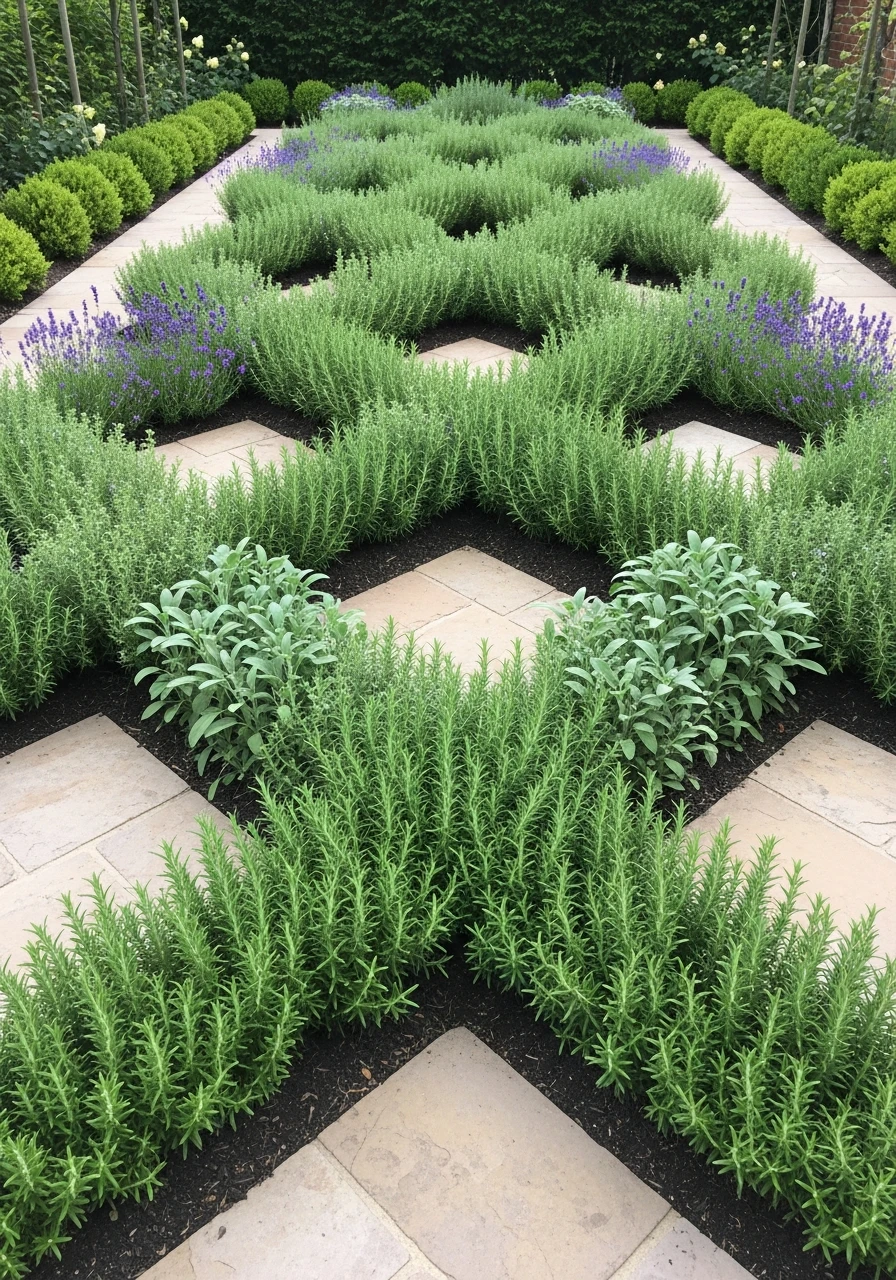
Design herb beds in decorative geometric patterns for visual appeal and structured planting. This is a classic, elegant look for any garden.
- Plan your design on paper first to get it just right.
- Use low-growing, compact herbs for clear pattern definition.
Pro Tip: This style looks best in a formal garden setting.
32. Cottage Herb Plot
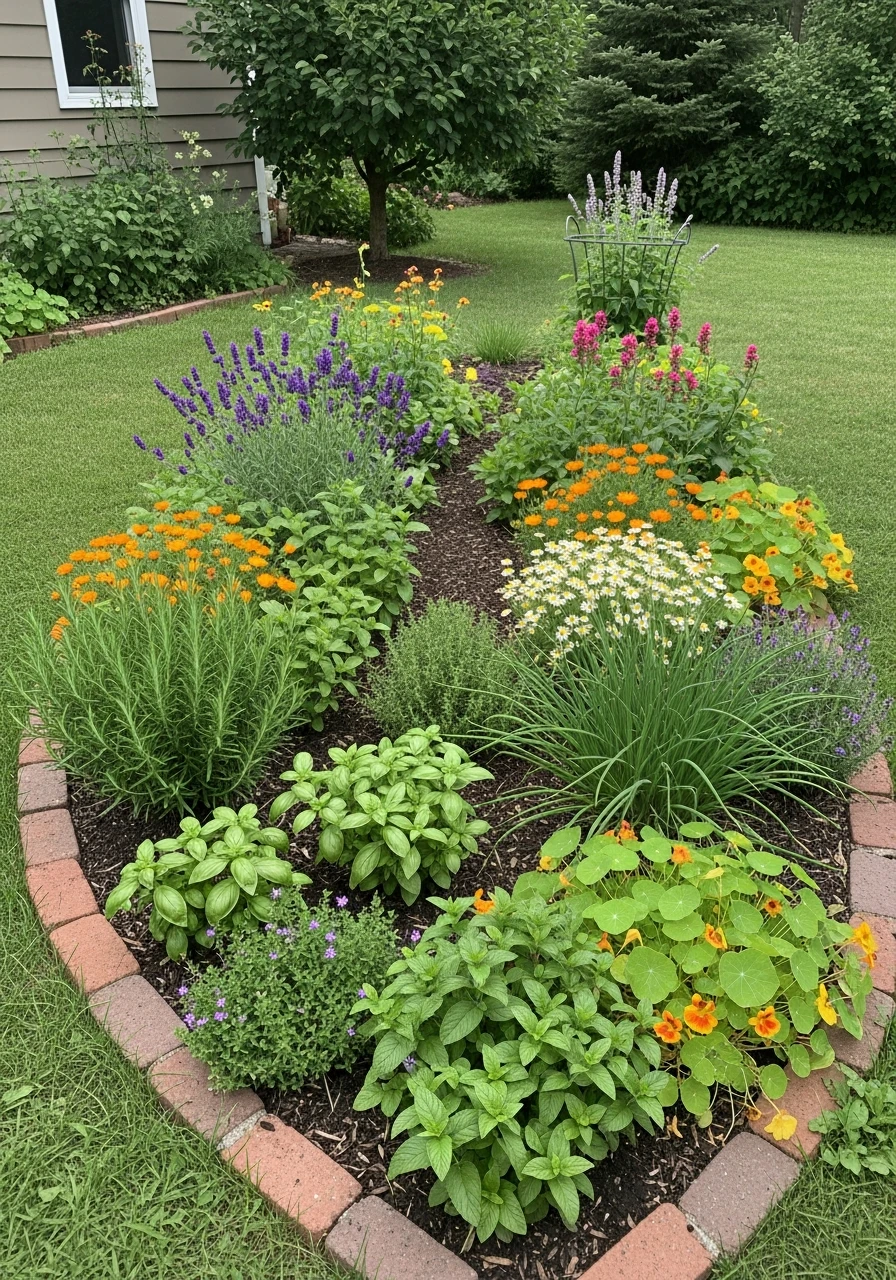
Create a relaxed herb garden with mixed herbs and cottage flowers in informal rows. This gives a charming, lived-in feel to your outdoor space.
- Mix different herb heights and textures for visual interest.
- Let some flowers self-seed naturally for a wilder look.
Pro Tip: Add a small bird bath or stone statue for extra cottage charm.
33. Seasonal Herb Rotation
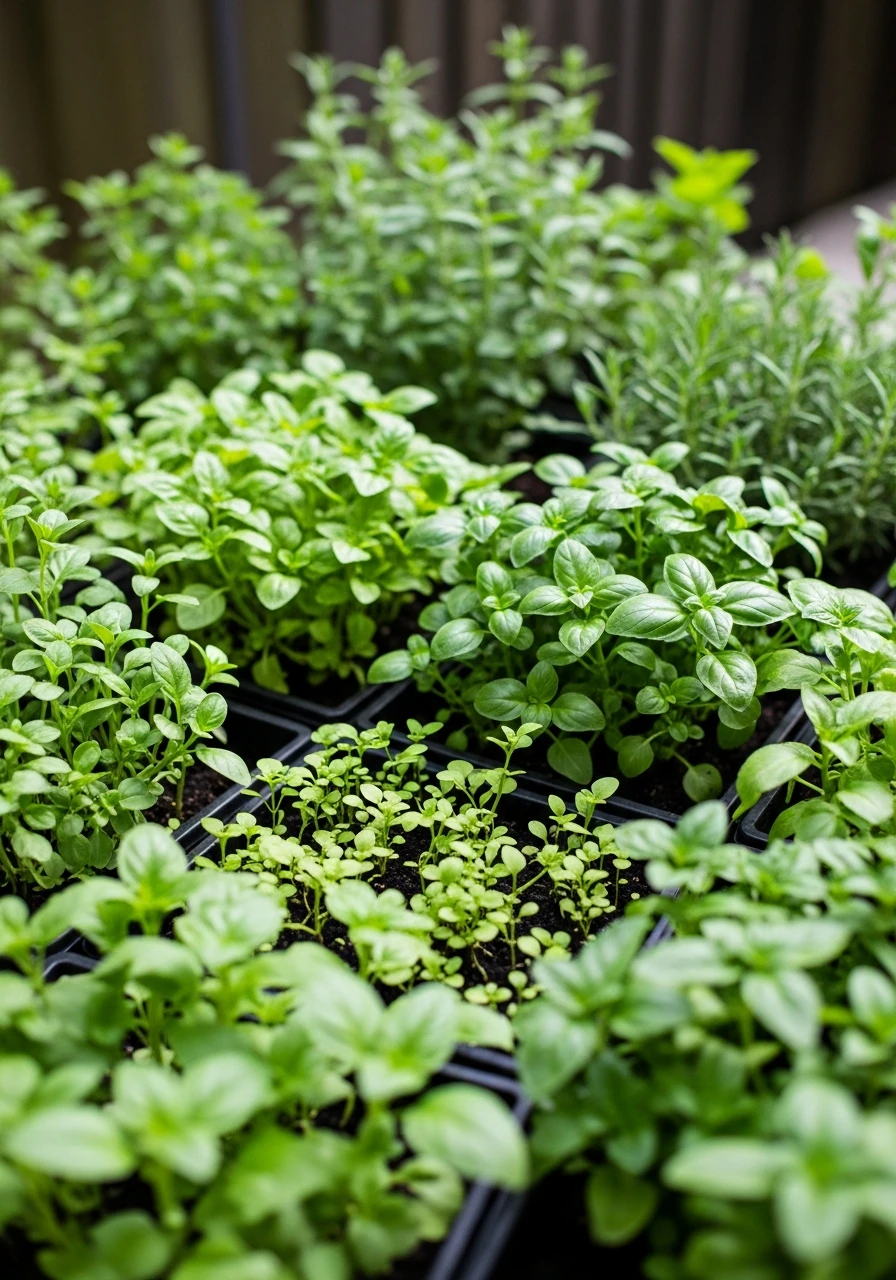
Change herbs seasonally so you always grow fresh varieties based on weather and use. This ensures a continuous harvest throughout the year.
- Plan which herbs grow best in specific seasons.
- Start new seeds as seasons change to keep things fresh.
Pro Tip: Use a calendar to track plantings and harvesting times.
34. Herb Hedge Border
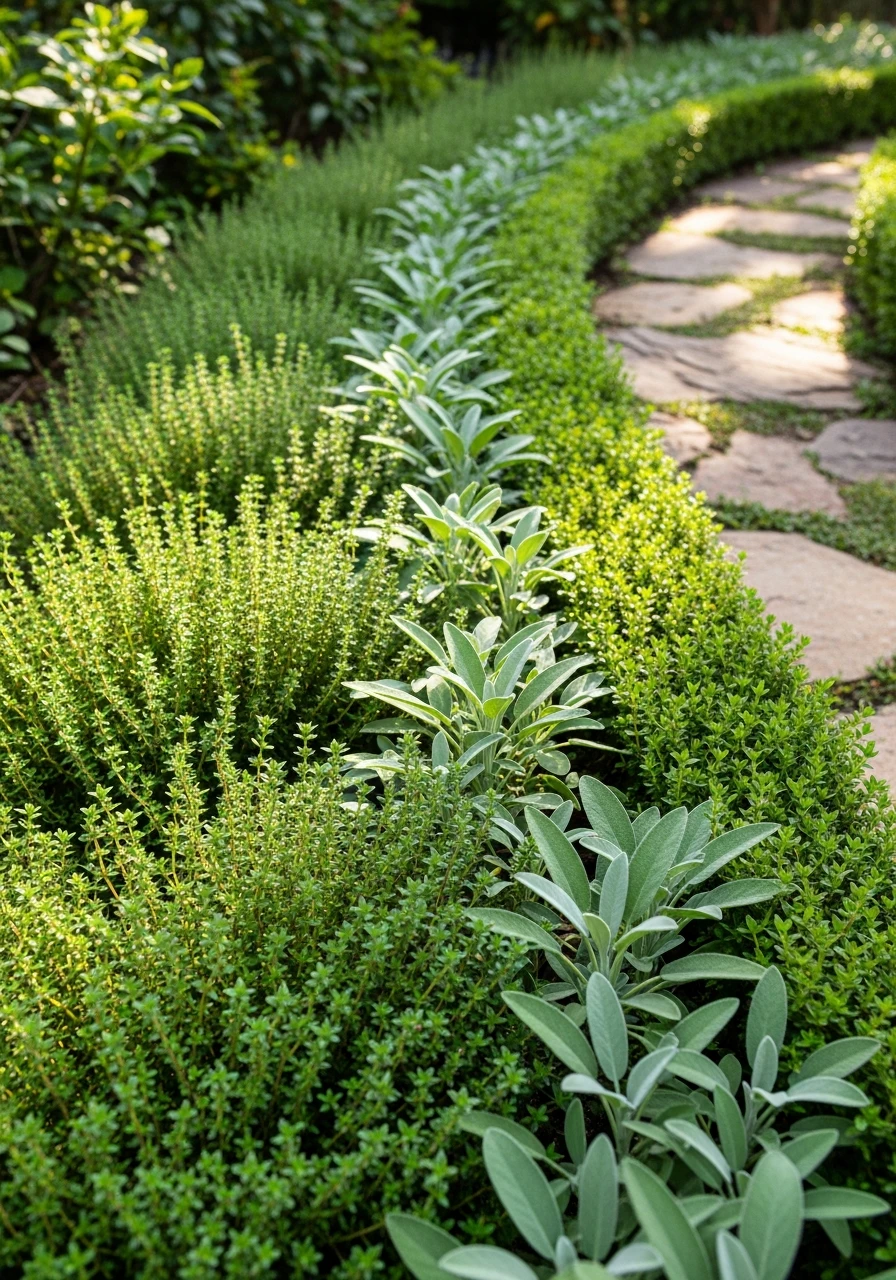
Plant low hedges of aromatic herbs like thyme or sage to edge garden paths. They look neat and smell amazing when gently brushed.
- Choose shrubby, hardy herbs that can be trimmed.
- Trim regularly for a tidy, well-defined hedge.
Pro Tip: Rosemary makes a lovely, fragrant hedge border.
35. Mulched Herb Paths
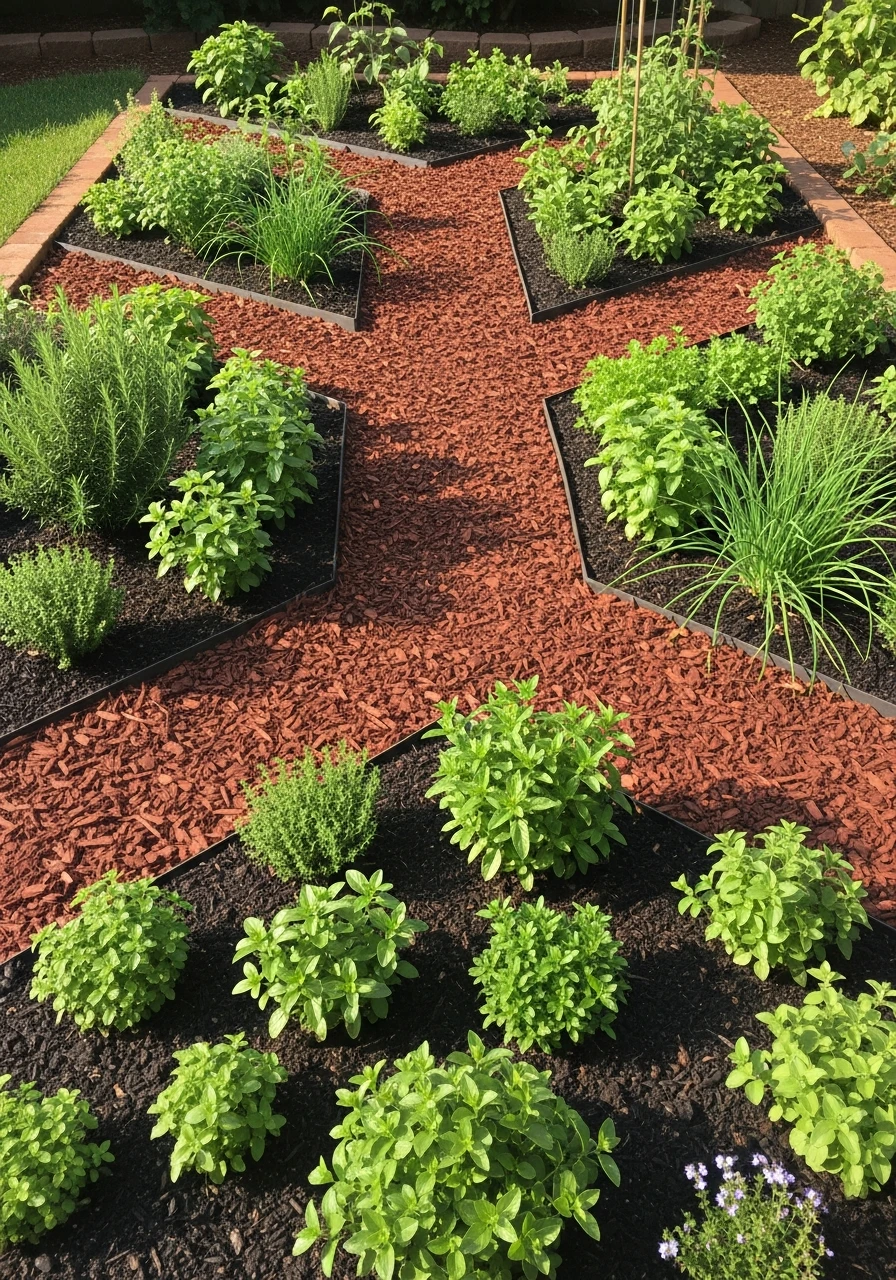
Use mulch pathways between herb beds to improve soil moisture and reduce weeds. This keeps your garden looking tidy and healthy.
- Choose a natural, organic mulch like wood chips or straw.
- Apply a thick layer to paths for best results.
Pro Tip: Mulch also adds nutrients to the soil as it breaks down.
36. Cute Herb Garden Labels
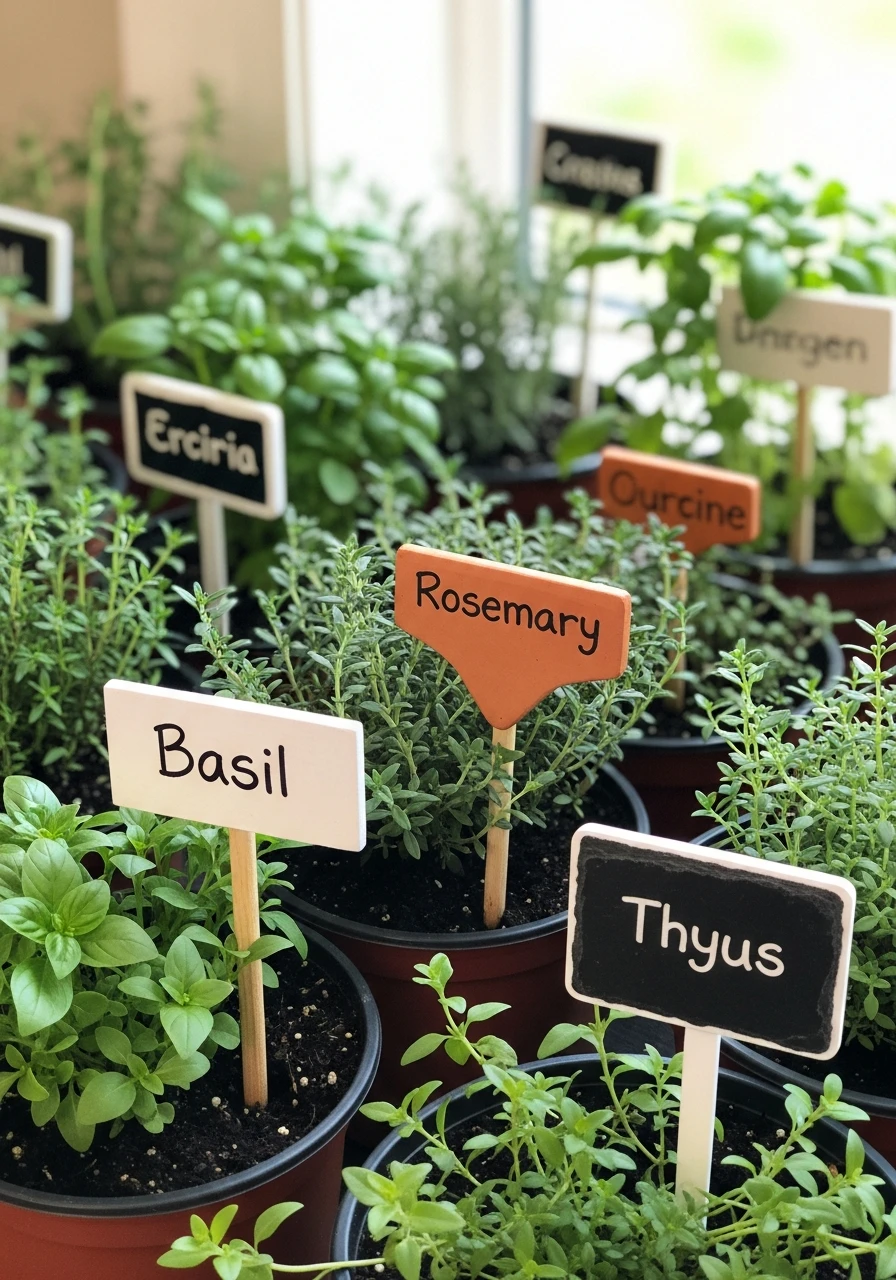
Give your herb garden some personality with charming, homemade labels! This simple project adds a sweet, organized touch, making it easy to know which herb is which. Plus, it’s a fun craft you can even do with the kids!
- No more guessing if it’s mint or sage!
- Adds a lovely, personal touch to your pots and planters.
- A super easy way to get creative with simple materials.
- Works for both indoor windowsill herbs and outdoor garden beds.
Pro Tip: Use waterproof markers or seal your labels with a clear topcoat to keep them looking fresh through all sorts of weather.
37. Indoor Grow Lights
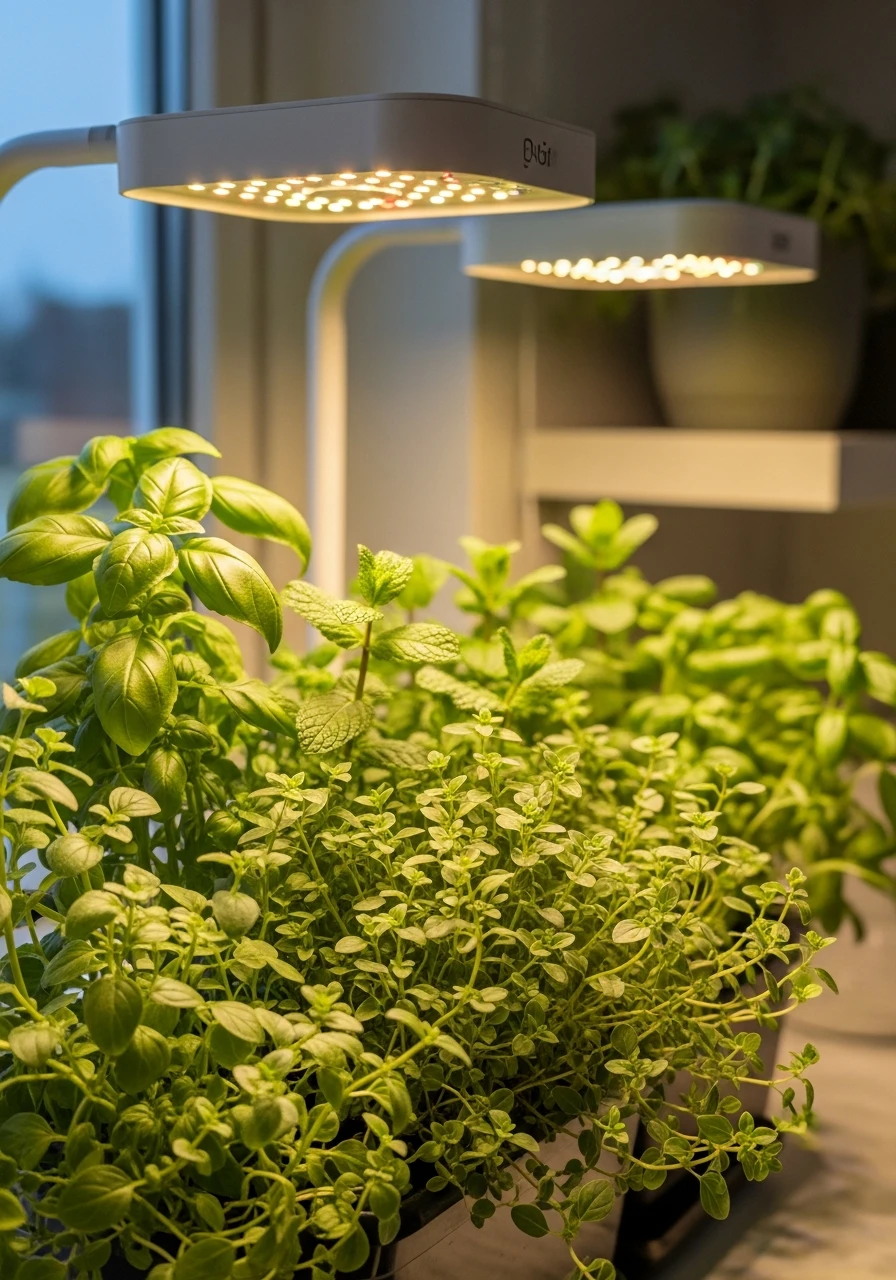
Add LED grow lights to support herbs indoors where sunlight is limited. This means fresh herbs all year, even in the darkest winter months.
- Choose full-spectrum LED grow lights for optimal growth.
- Set a timer for consistent light exposure.
Pro Tip: Place lights 6-12 inches above plants for best results.
38. Hanging Tea Cans
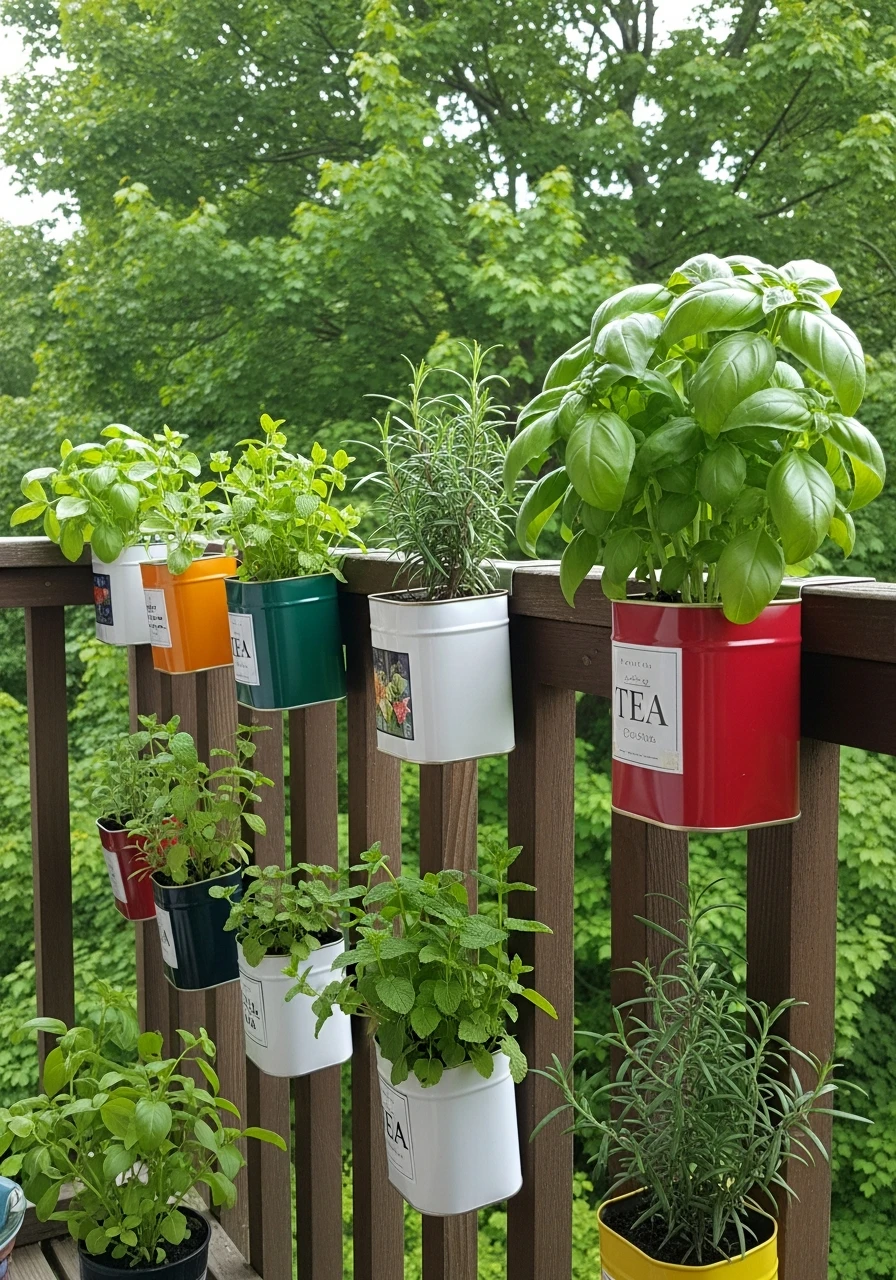
Hang recycled tea tins with herbs along a balcony railing for a charming vertical garden. It’s a cute, thrifty way to garden in small spaces.
- Clean tea tins thoroughly before use.
- Drill drainage holes in the bottom of each tin.
Pro Tip: Paint the tins a matching color for a cohesive, fresh look.
39. Herbs & Veggies
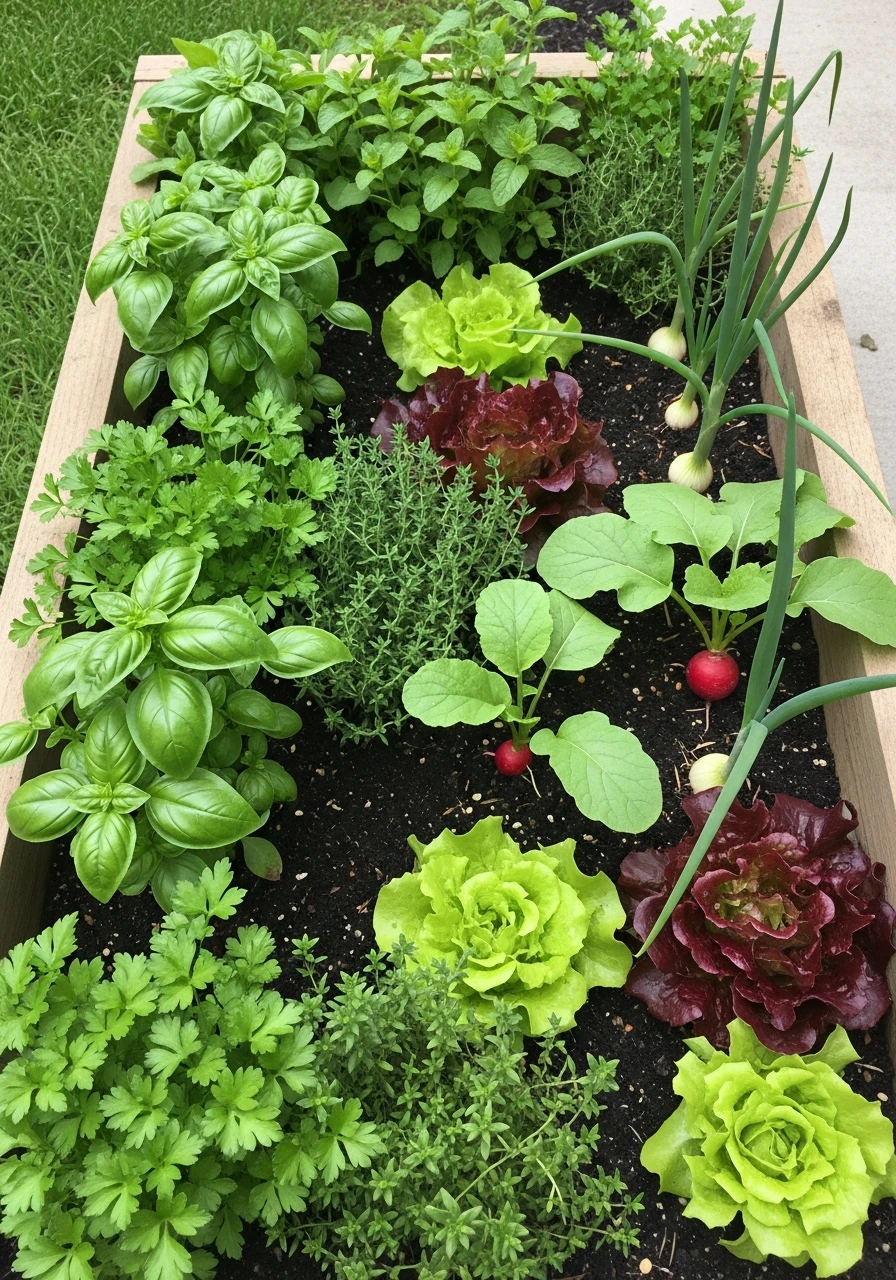
Plant shallow-rooted veggies alongside herbs to maximize yields in small beds. This makes your garden super productive and diverse.
- Choose small, fast-growing vegetables like lettuce or radishes.
- Ensure both plants have enough space to thrive.
Pro Tip: Lettuce and radishes are good companions for many herbs.
40. Wooden Crate Herbs
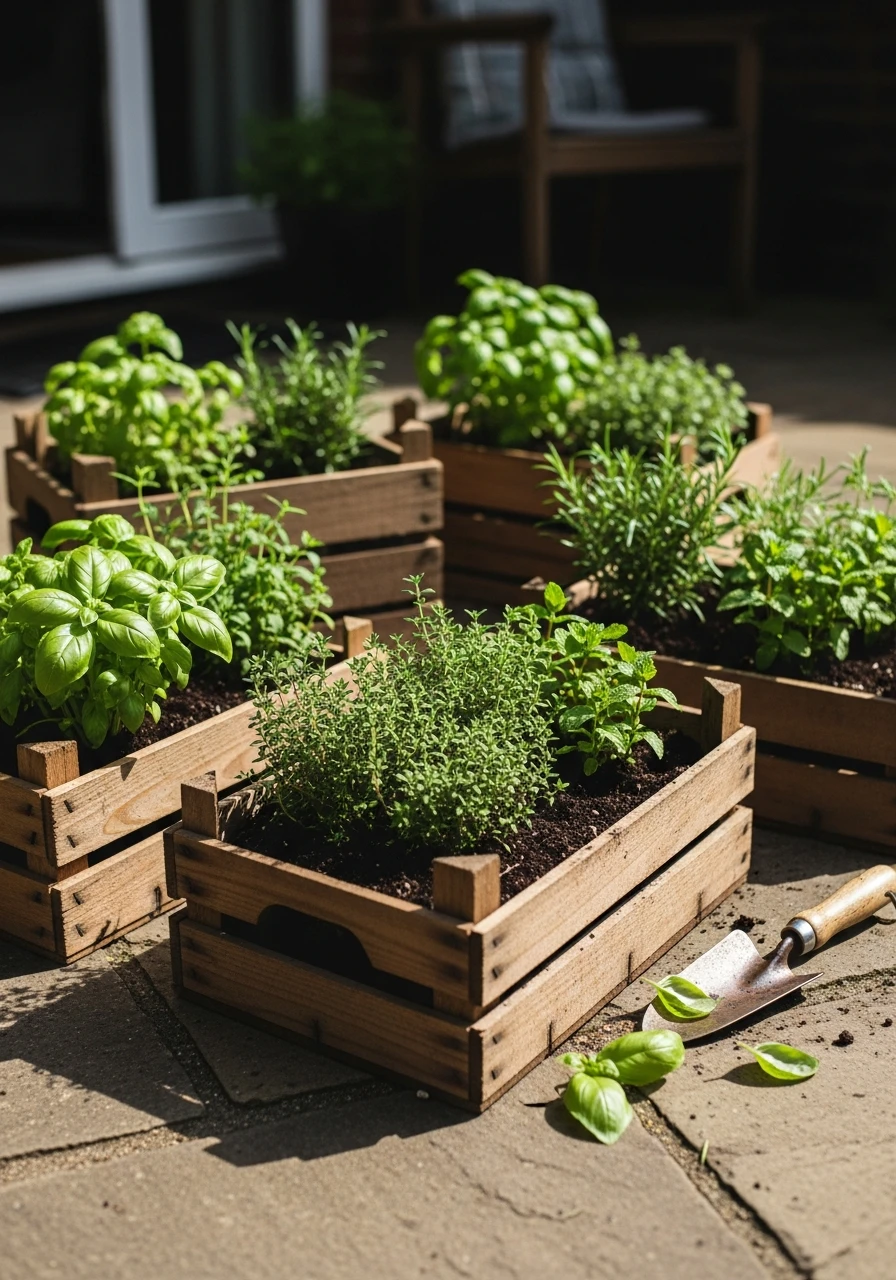
Use wooden crates filled with soil to make movable, rustic herb gardens. They look adorable and are easy to rearrange on your patio.
- Find sturdy wooden crates from a craft store or market.
- Line with landscape fabric before filling with soil.
Pro Tip: Add wheels to the bottom of crates for easy moving.
41. Drip Irrigation Herbs
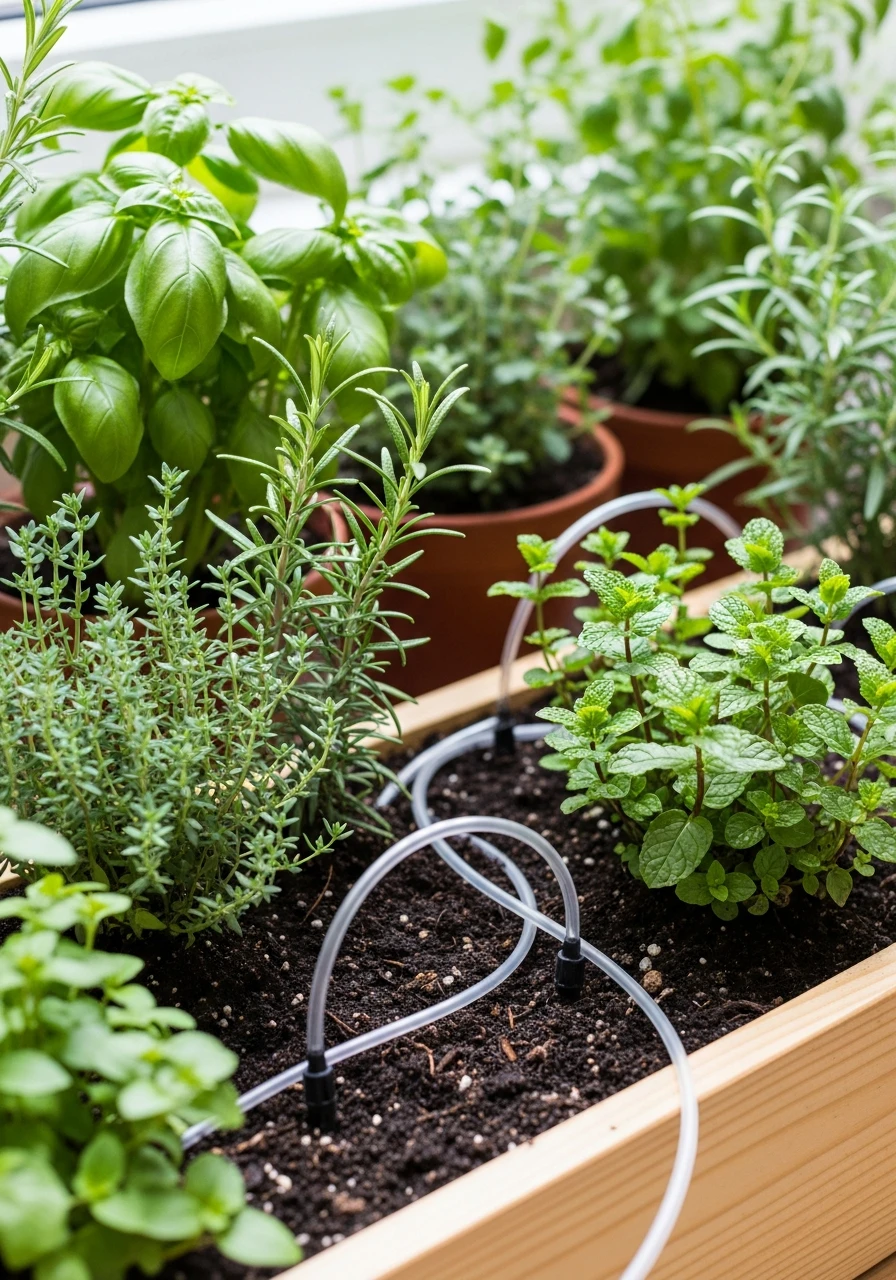
Install a simple drip irrigation setup to keep herb soil moist without hand watering. This saves time and water, especially in hot weather.
- Get a basic drip irrigation kit for easy installation.
- Set up a timer for automatic, consistent watering.
Pro Tip: Great for busy people or when you’re away on vacation.
42. Zodiac Herb Garden
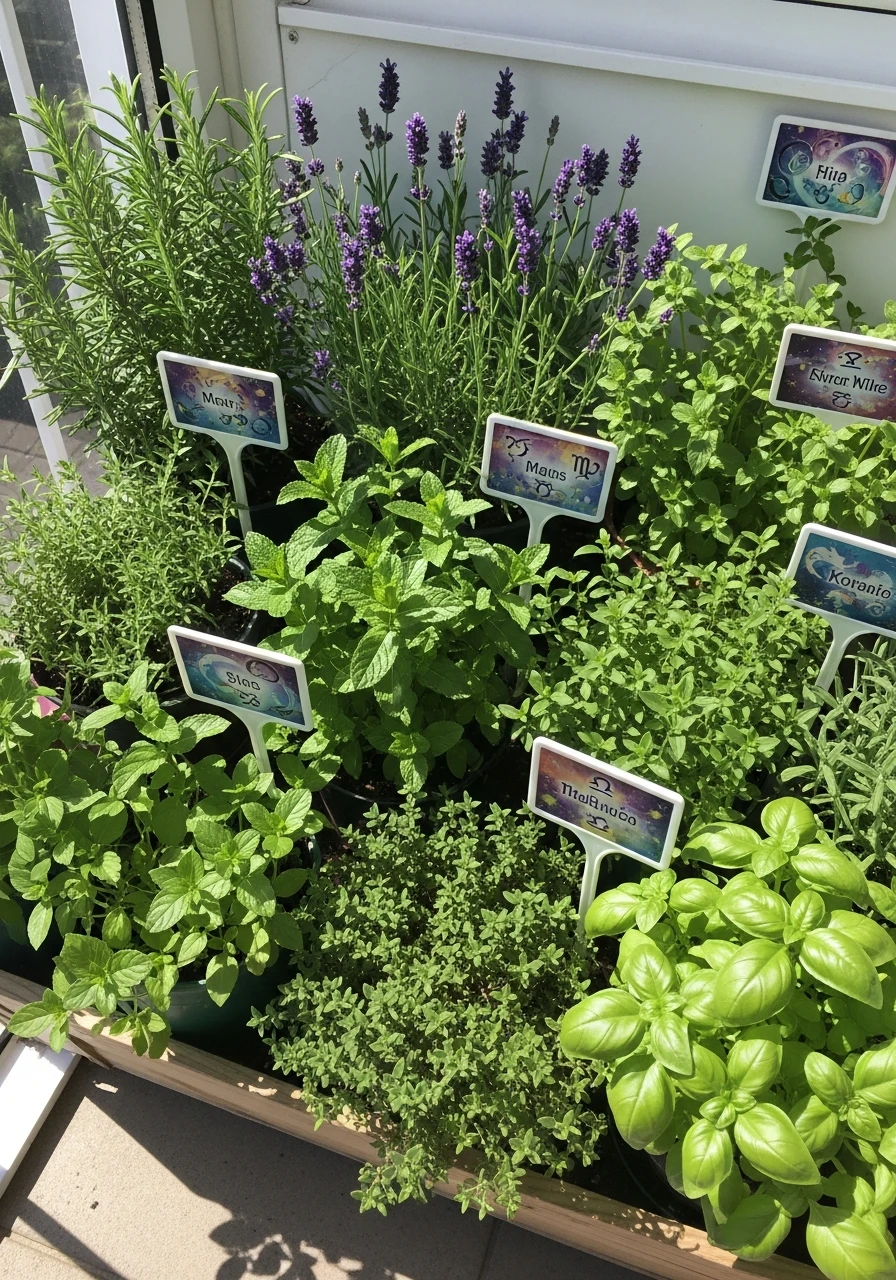
Plant herbs associated with zodiac or mythic traditions for a themed garden experience. This adds a fun, personal touch and a unique story.
- Research herbs linked to your zodiac sign.
- Group them in a special garden spot or container.
Pro Tip: Look up historical herb uses for extra charm and meaning.
43. Garden Cress Patch
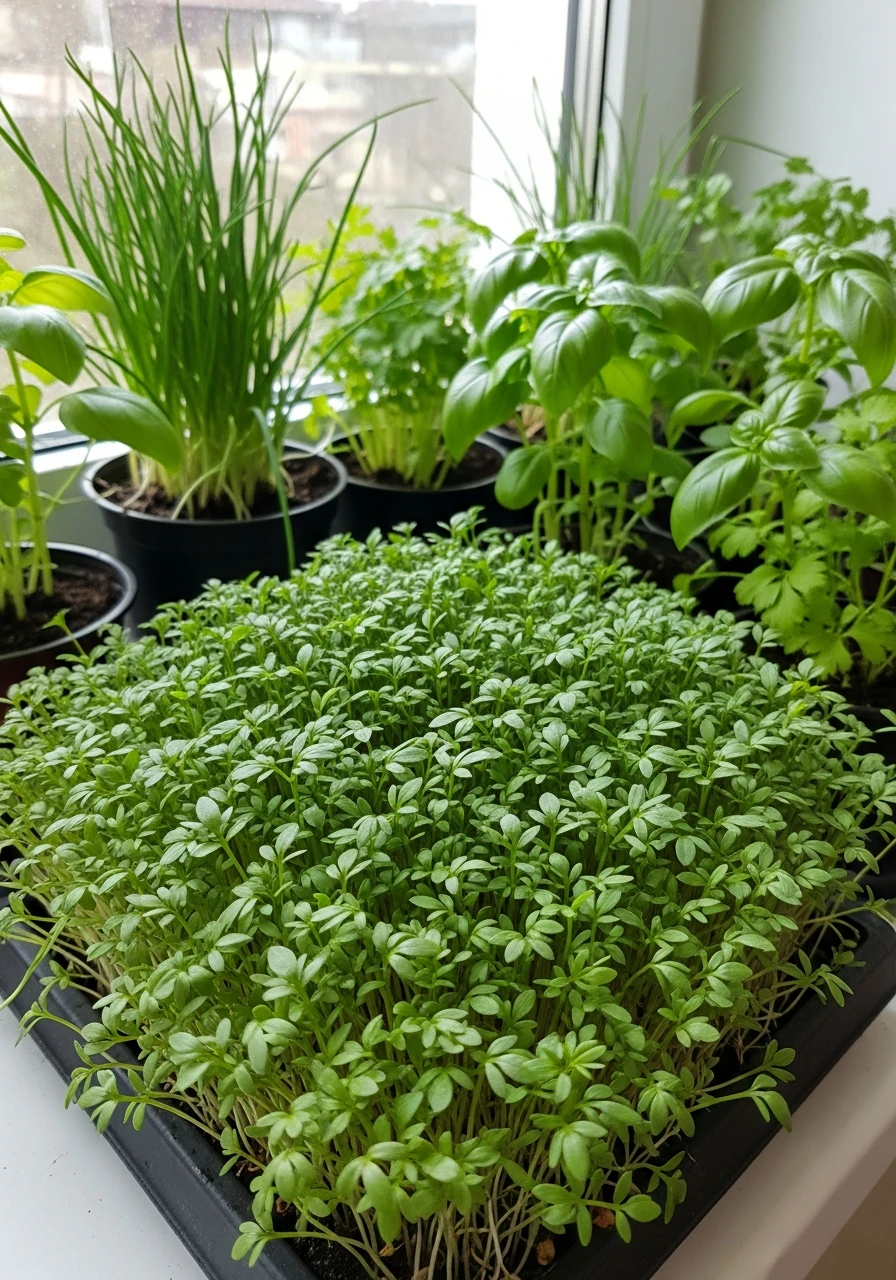
Grow fast-growing garden cress for quick harvests and frequent use. It’s super easy and adds a peppery kick to salads and sandwiches.
- Sprinkle seeds directly into soil in a shallow tray.
- Harvest with scissors when the leaves are young and tender.
Pro Tip: You can even grow this on a wet paper towel indoors!
44. Green Wall Shelving
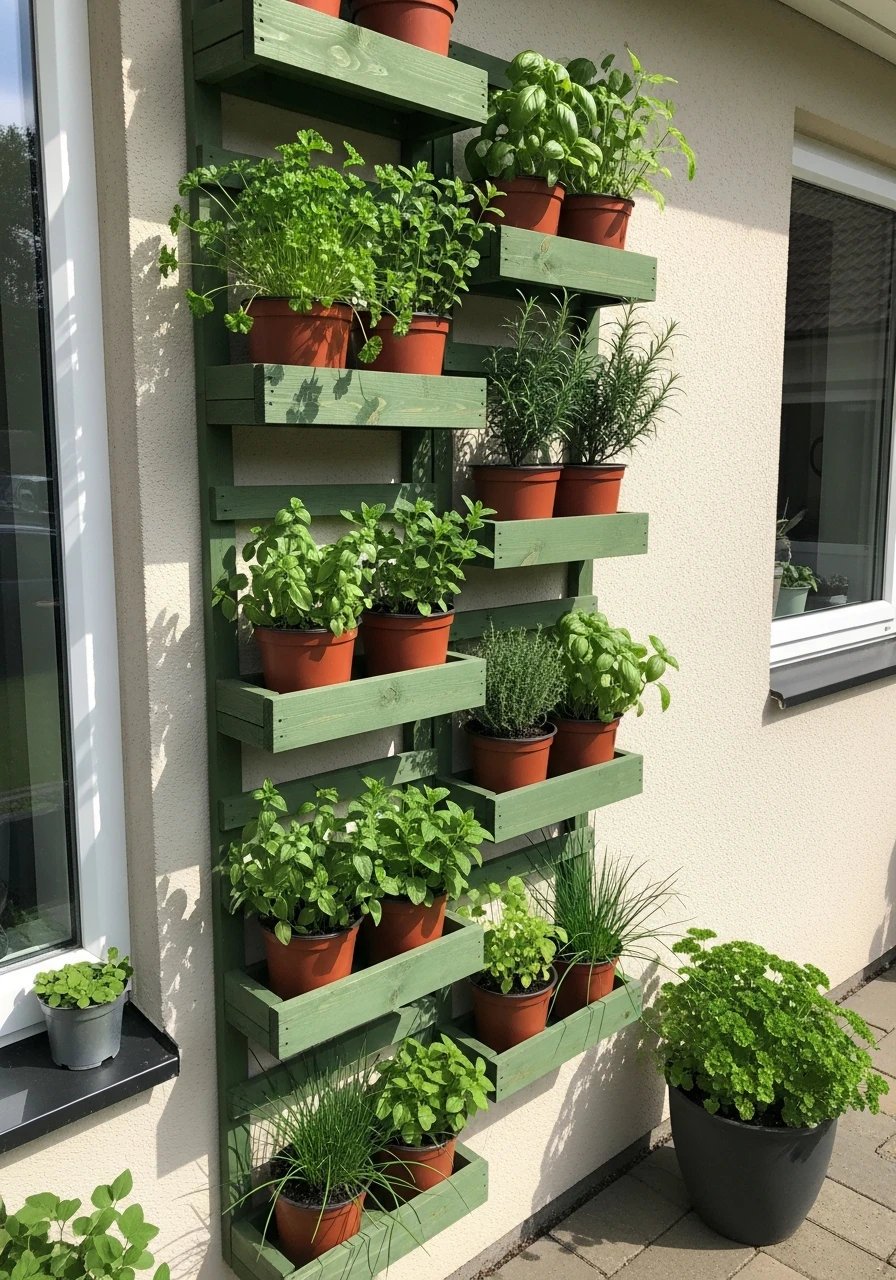
Use shelves on outdoor walls to display a mix of herb pots at varied heights. This creates a lush green display and saves valuable ground space.
- Install sturdy outdoor shelves that can hold weight.
- Mix different pot styles and sizes for visual interest.
Pro Tip: Add small decorative items like fairy lights for evening charm.
45. Aromatic Path Edges
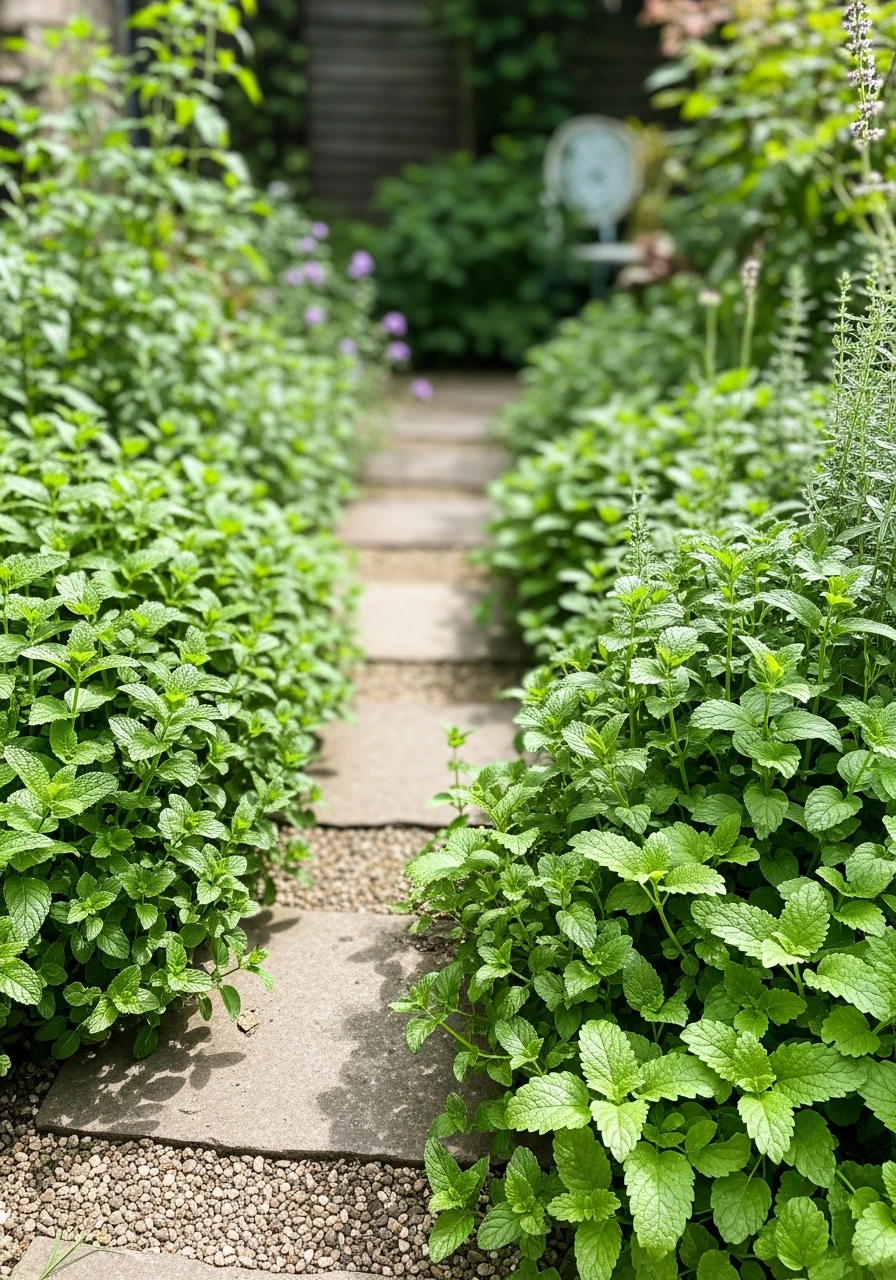
Plant herbs like mint or lemon balm along paths to release scent when walked upon. This makes your garden a sensory delight with every step.
- Choose robust, fragrant herbs that can handle light brushing.
- Plant where they will be gently brushed by passersby.
Pro Tip: Mint can spread quickly, so consider using a root barrier.
46. Tea Herb Section
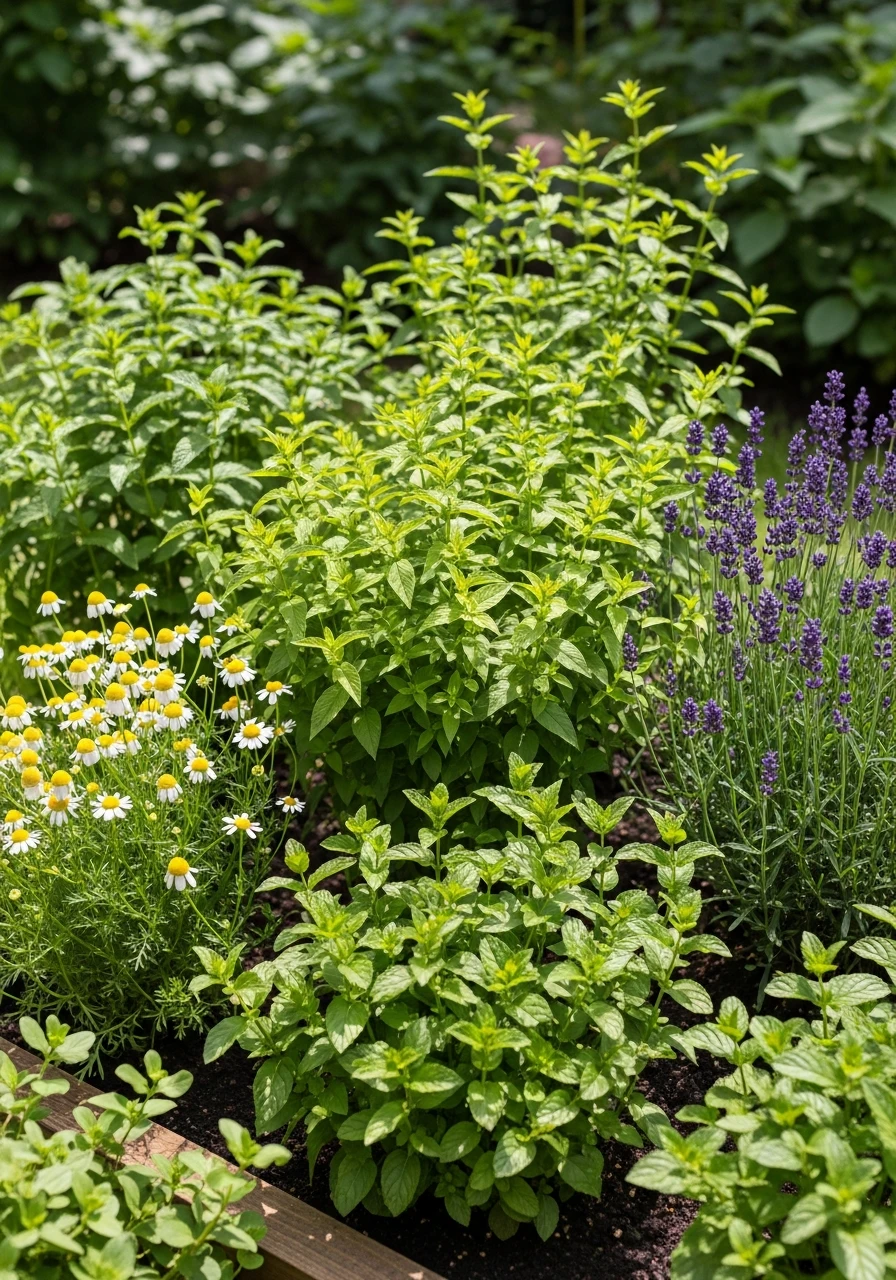
Dedicate a section to herbs used specifically for tea, like chamomile and lemon verbena. Enjoy fresh, calming brews straight from your garden.
- Group tea-specific herbs together in a quiet corner.
- Research their individual growing needs for optimal health.
Pro Tip: Dry extra herbs to enjoy your homemade teas all winter long.
47. Pollinator Friendly Herbs
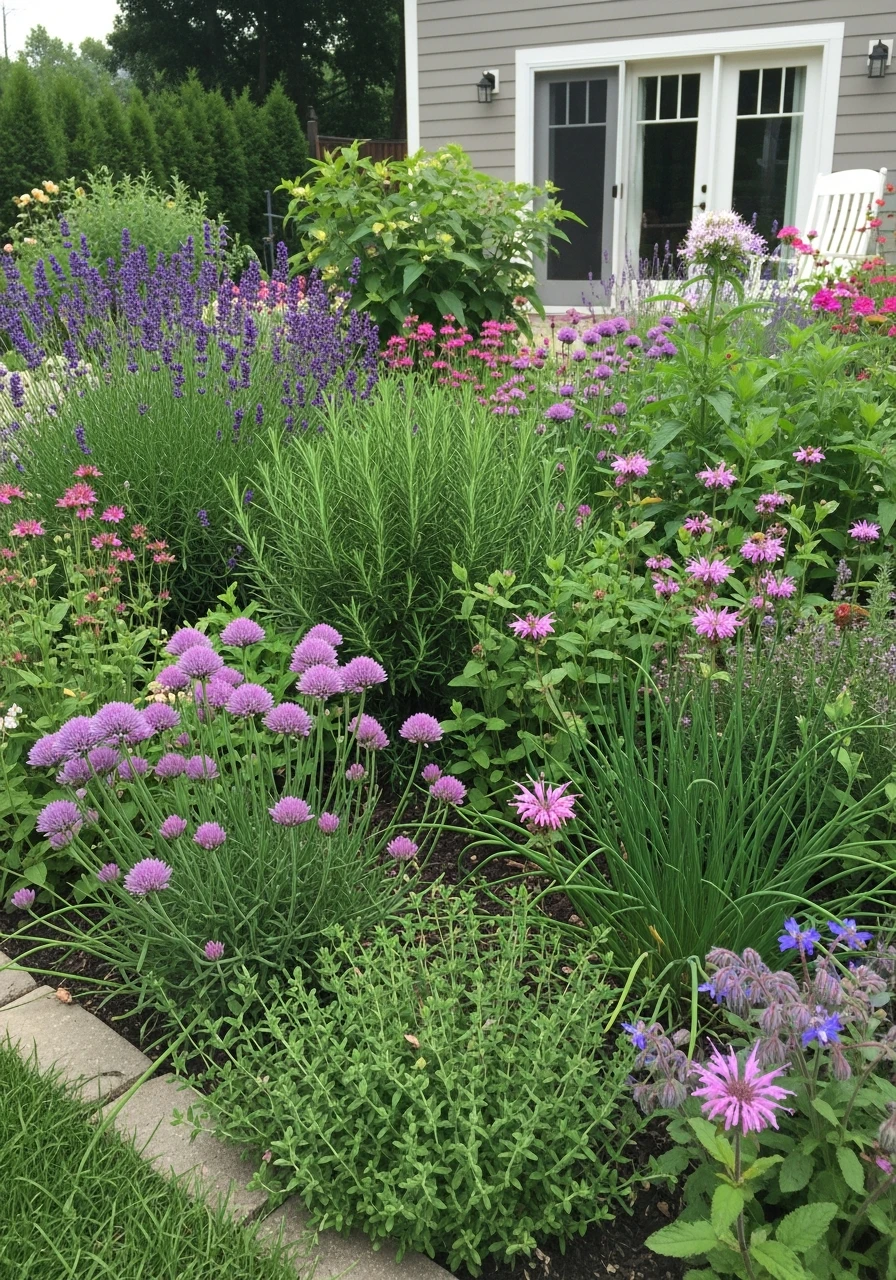
Add flowering herbs that attract bees and butterflies for a lively garden. This helps the environment and makes your outdoor space beautiful.
- Choose herbs like lavender, borage, or oregano.
- Avoid pesticides near these plants to protect beneficial insects.
Pro Tip: Bees especially love herbs like oregano and thyme when they flower.
48. Mini Indoor Herbs
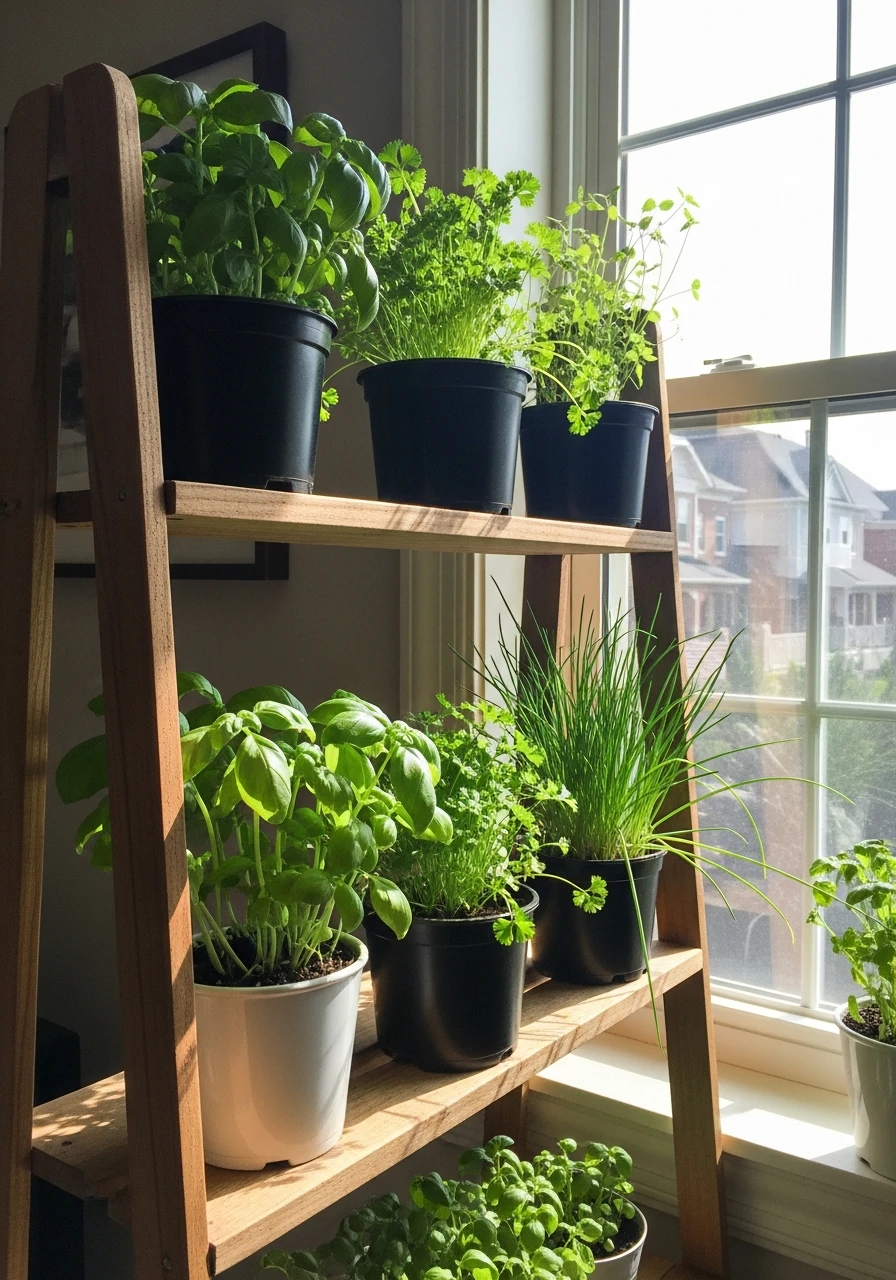
Set up a sunny indoor shelf dedicated to common herbs like basil, parsley, and chives. This makes fresh herbs always available for cooking.
- Find a spot with at least 6 hours of direct sunlight.
- Use small, matching pots for a neat and cohesive look.
Pro Tip: Rotate pots regularly to ensure even growth on all sides.
49. Weather Protection Covers
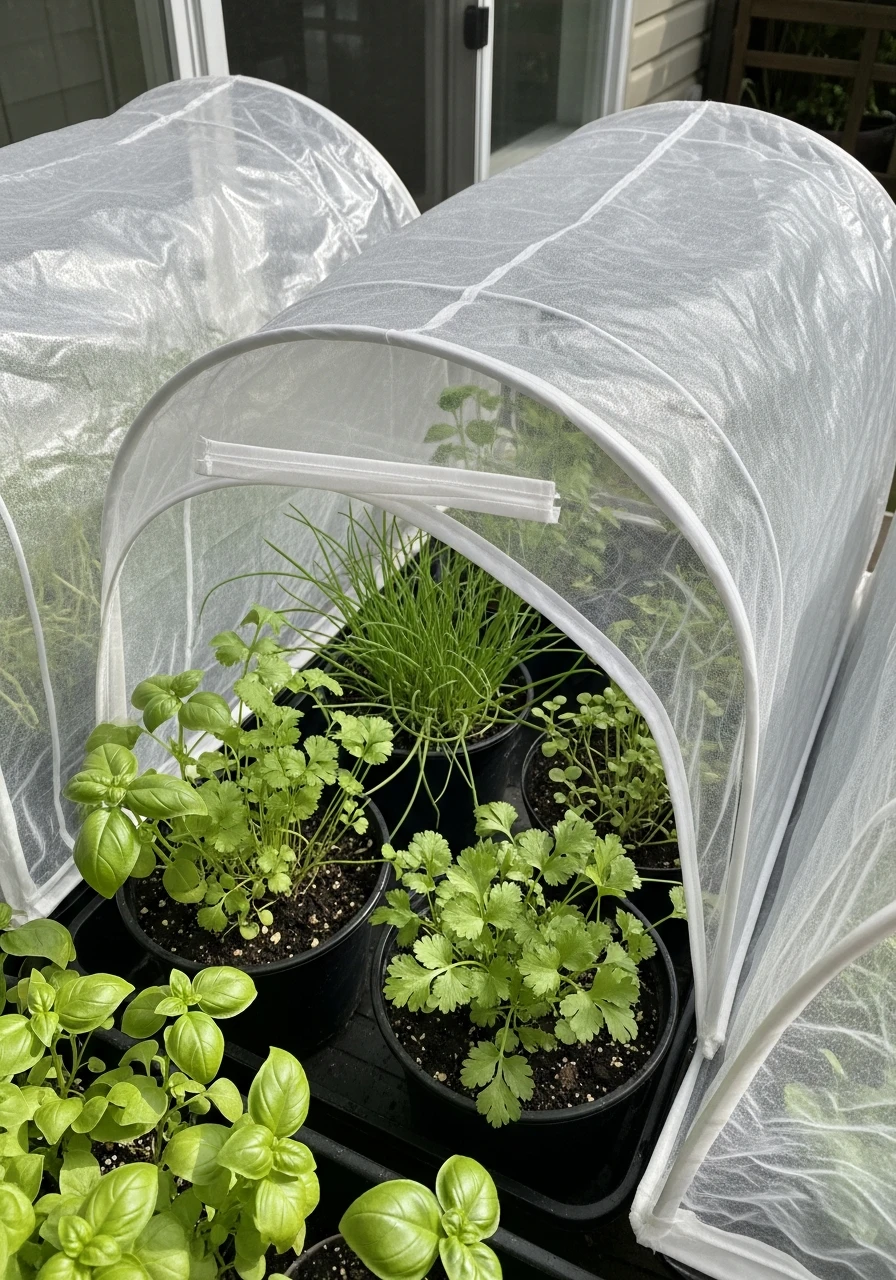
Use removable covers or cloches to protect young herb plants from frost. This extends your growing season and keeps delicate herbs safe.
- Buy cloches or row covers designed for plant protection.
- Place over plants when frost is expected or temperatures drop.
Pro Tip: These covers can also deter pests from munching on your herbs.
50. Tool Storage Corner
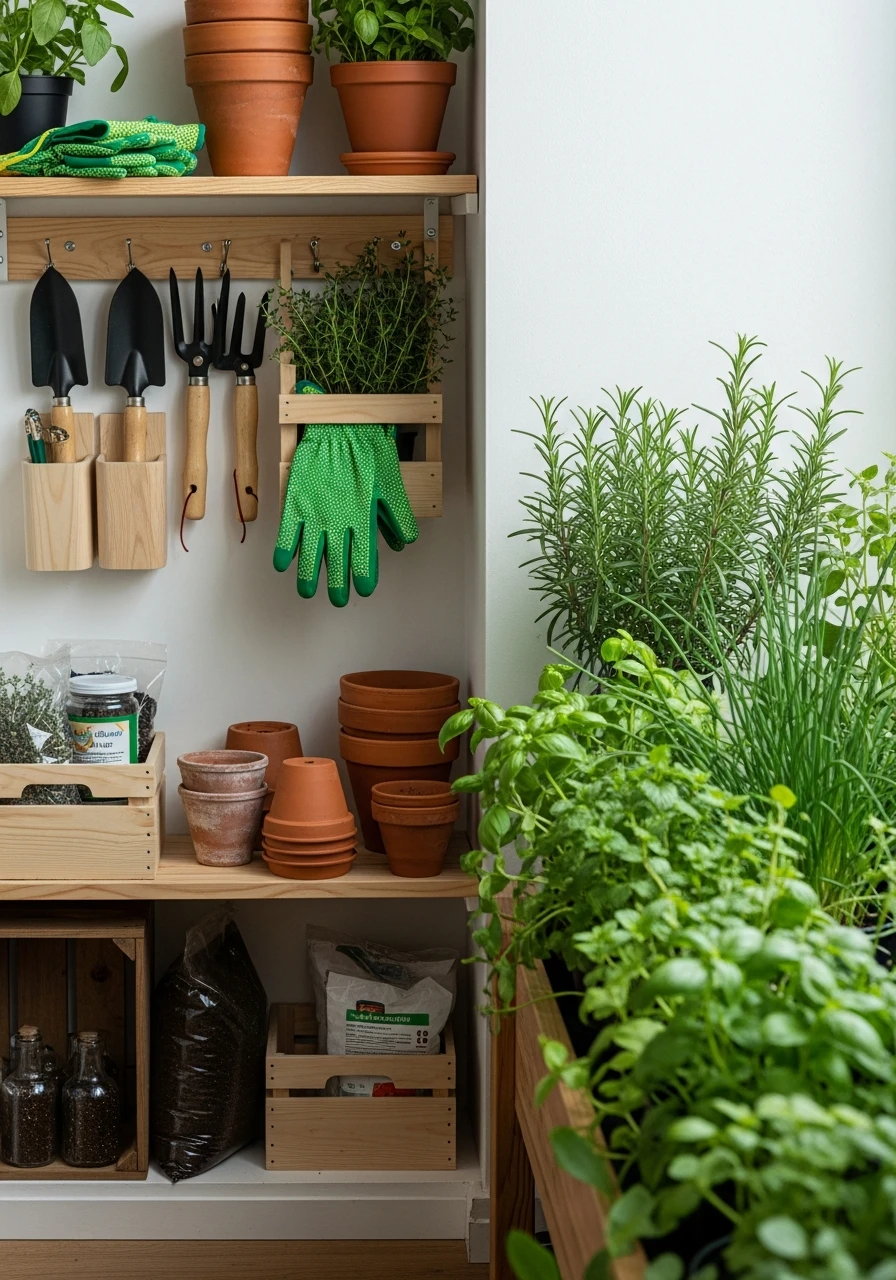
Create a small storage area near your herb beds for tools, pots, and soil amendments. This keeps everything organized and handy when you need it.
- Add a small shed or waterproof storage box.
- Keep frequently used tools in a caddy for easy transport.
Pro Tip: A cute waterproof box looks nice and keeps things dry.
See? Creating your dream herb garden doesn’t have to be complicated or expensive.
With these 50 herb garden ideas, you’re all set to grow fresh, fragrant herbs that elevate your cooking and add beauty to your home.
Pick your favorite ideas and start growing today!